Let's cut to the chase. If you're searching for Wolf Creek Ski, you've likely heard the legends: "most snow in Colorado," "hidden gem," "family-owned charm." After more ski days here than I can count since the late 90s, I can tell you the hype is real, but it comes with nuances every planner needs to know. Nestled in the San Juan Mountains, Wolf Creek isn't just a resort; it's a specific type of ski experience defined by relentless snowfall, surprisingly varied terrain, and a refreshing lack of corporate gloss. This guide isn't a rehash of the brochure. We're diving into the logistics, the unspoken rules, and the local knowledge that turns a good trip into an epic one.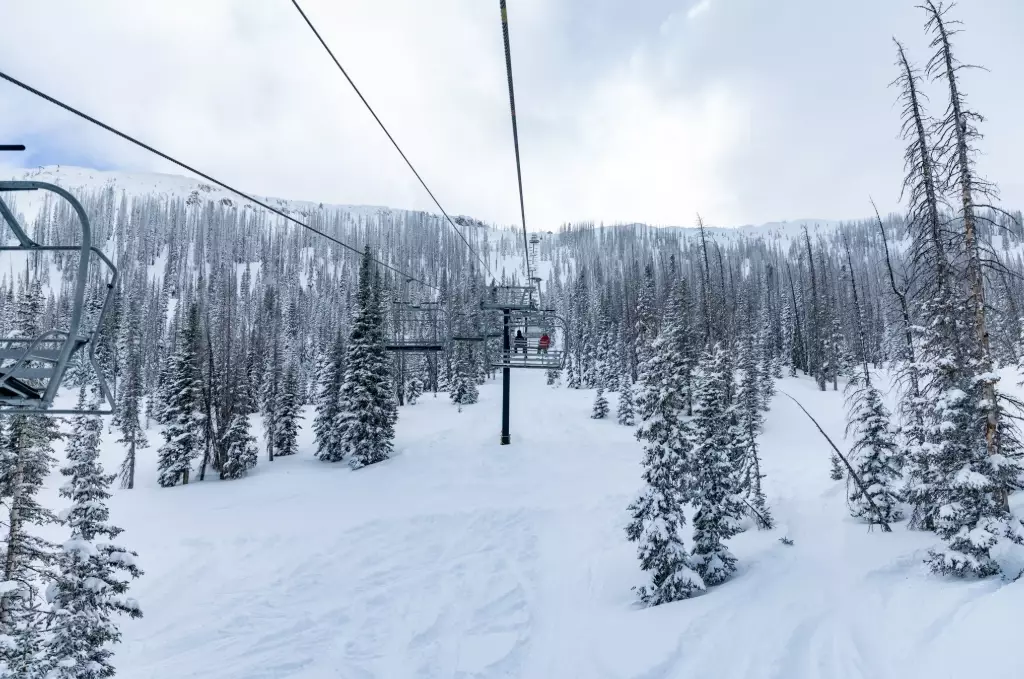
Your Wolf Creek Ski Trip Roadmap
Wolf Creek Ski Area: The Core Facts
Before you dream about face shots, get the practicalities sorted. Wolf Creek operates with a straightforward, skier-first mentality.
Location & Address: The physical address is U.S. Hwy 160, Pagosa Springs, CO 81147. Don't expect a resort village at the base. The area is purpose-built for skiing, not shopping. You'll find the main lodge, ticket windows, and parking lots right off Highway 160 at Wolf Creek Pass.
Operating Season & Hours: The season typically runs from early November to early April, heavily dependent on that famous snow. Always check the official Wolf Creek website for the latest opening/closing dates. Lifts usually run from 8:30 AM to 4:00 PM.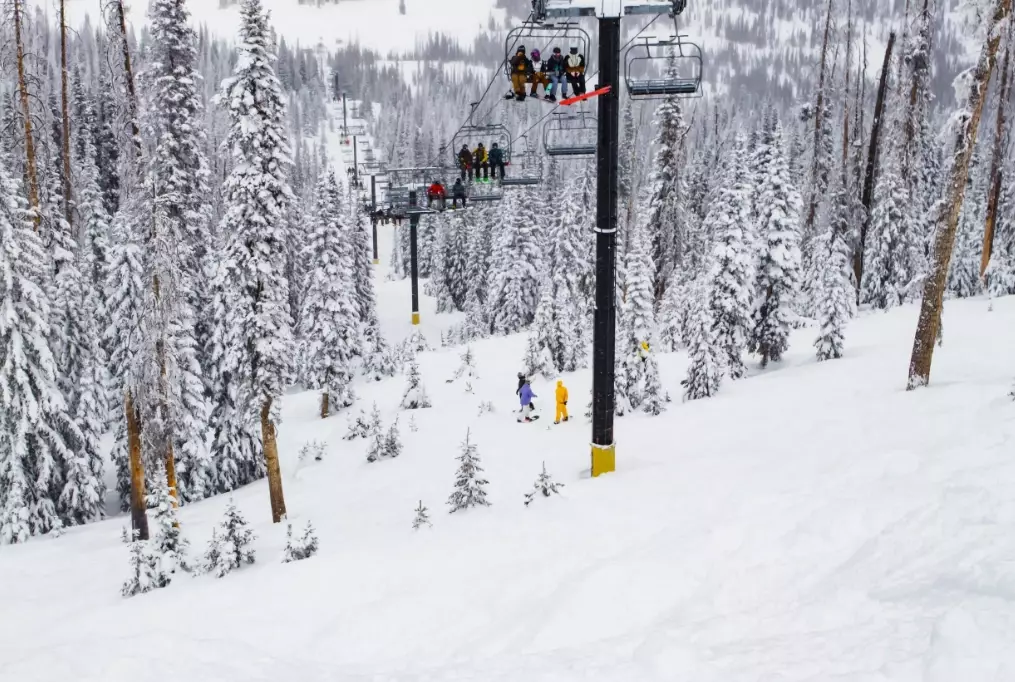
Lift Ticket Prices (2023-24 Season as a reference): Wolf Creek is notably more affordable than the mega-resorts. Prices fluctuate, but here's a ballpark from last season to help you budget.
| Ticket Type | Adult (13-69) | Child (6-12) & Senior (70+) |
|---|---|---|
| Single-Day Window Rate | $99 - $115 | $60 - $70 |
| Multi-Day (2-Day) | $190 - $210 | $115 - $130 |
| Season Pass | $699 - $799 (Early Bird) | $399 - $499 (Early Bird) |
My take: The value is incredible compared to places like Vail or Aspen. If you're skiing 3+ days, look at multi-day passes or even the early-season pass deal, which is one of the best in the state for a dedicated skier.
How to Plan Your Wolf Creek Ski Trip
Planning here is different. You're not booking a slope-side condo. You're orchestrating a base camp operation. Here are two sample itineraries based on common trip lengths.
The Wolf Creek One-Day Blitz
This is for the driver-skiers coming from Durango, Pagosa, or beyond.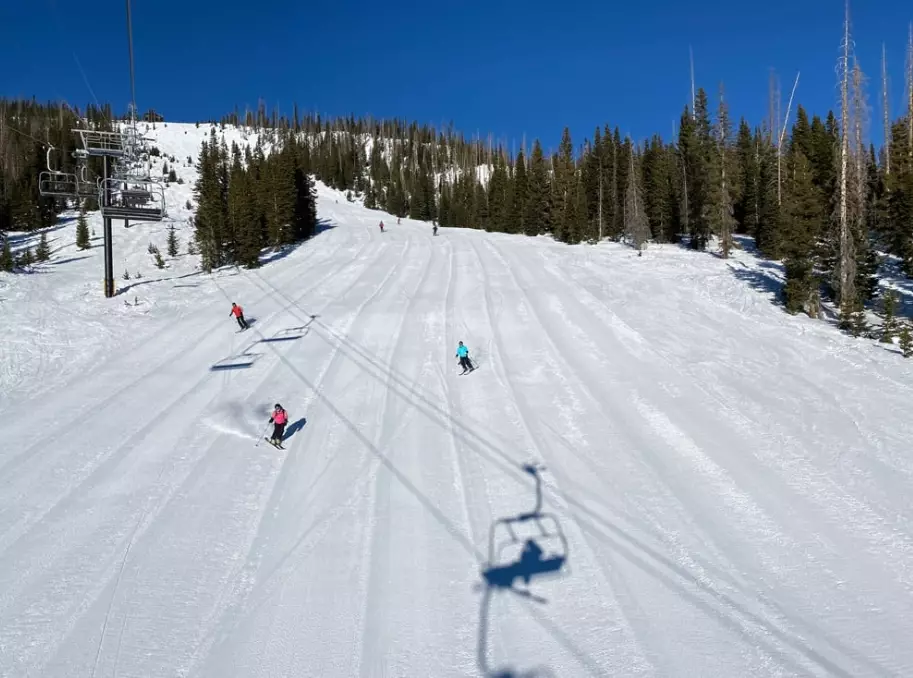
- 6:30 AM: Depart your lodging. Aim to be in the parking lot by 8:00 AM, especially on a powder day or weekend. The early lot fills up.
- 8:00 - 8:30 AM: Boot up, grab tickets, use the lodge facilities. Pack lunch or plan to buy it here.
- 8:30 AM - 12:00 PM: Start on the Nova or Bonanza lifts to warm up. Then, head to the Alberta Lift for longer, classic Colorado cruisers.
- Lunch: Eat at the Lodge (Prospecto's has solid burgers) or your packed lunch. It gets busy.
- 1:00 - 4:00 PM: This is your exploration window. Hit the Treasure Lift for steeper stuff or lap the Waterfall Area if it's open for advanced tree skiing.
- Key Tip: Don't underestimate the drive back. If you're tired, that winding Highway 160 demands respect.
The Ideal Wolf Creek Weekend
This allows you to experience the range without rushing.
Day 1 (Arrival & Acclimation): Drive in, check into your Pagosa Springs condo or South Fork cabin. Do a grocery run. If time allows, scout the drive to the resort so it's familiar in the morning dark. Relax in the Pagosa hot springs—it's the perfect pre-ski ritual.
Day 2 (Ski Exploration): Full ski day. Use the morning to follow the One-Day Blitz plan. In the afternoon, with more time, venture further. Take the Knife Ridge Chair (if you're advanced) for a taste of the famous hike-to terrain, or spend time perfecting turns on the impeccable intermediate runs off the Alberta Lift.
Day 3 (Powder or Progression): If it snowed overnight, you now have the local knowledge to chase fresh tracks efficiently. If not, focus on a specific skill. The mountain's design lets you pick a lift and find runs of consistent difficulty, great for building confidence.
Wolf Creek Terrain: From Bunny Slopes to Knife Ridge
Wolf Creek's stats (1,600 acres, 1,604 ft vertical) don't scream huge, but the layout and snow create a massive feel. The terrain pie chart is beautifully balanced.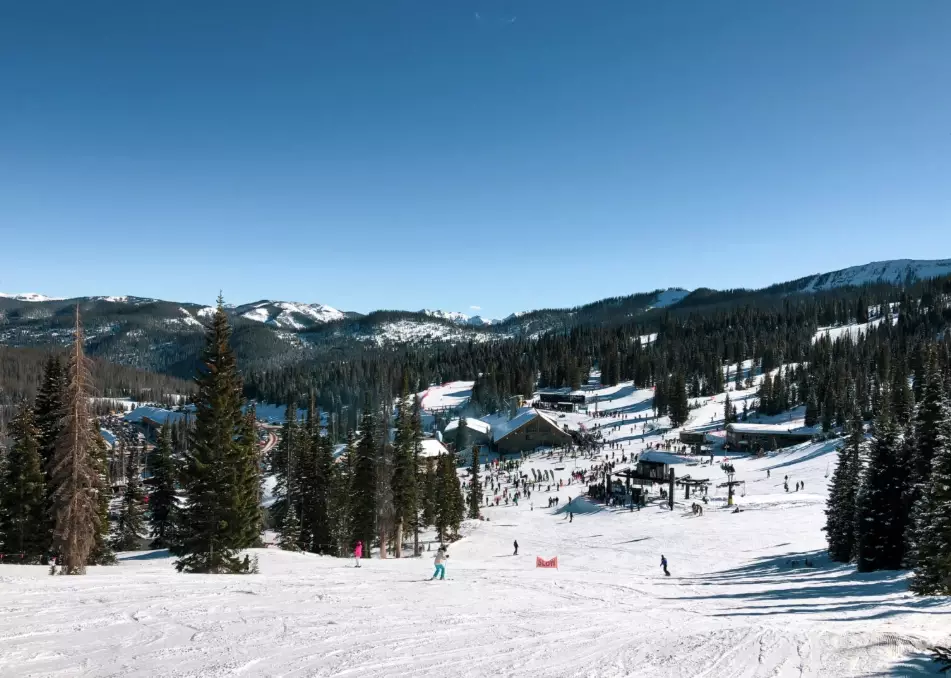
Beginners (20%): The area around the Nova Lift and the lower part of the Bonanza Lift is a learner's paradise. Wide, gentle slopes, minimal traffic, and a dedicated magic carpet area. It's not an afterthought here; it's a properly designed learning zone.
Intermediates (35%): This is where Wolf Creek shines for most families. The Alberta Lift is the heart of the mountain, serving long, rolling blue cruisers like Pathfinder and Charity. You can lap this all day, enjoying stunning views and consistent pitch. The Treasure Stoke lift also serves fantastic advanced-intermediate terrain.
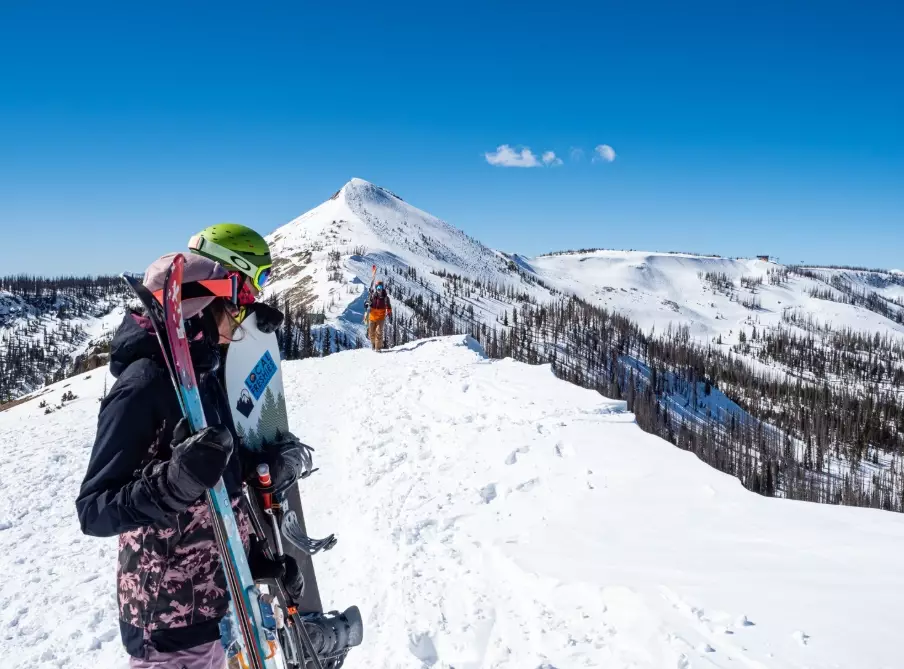
Advanced/Expert (45%): The Waterfall Area and the hike-to terrain off the Knife Ridge Chair are legendary. This is where you earn your turns. The snow stays deep and untracked for days. A common mistake? Skiers see "hike-to" and think it's only for extreme experts. Not true. The initial hike from the top of Knife Ridge to the Boundary Bowl is short (5-10 mins) and opens up incredible, moderate-angle powder bowls that intermediates with a sense of adventure can handle on a good day.
Where to Stay Near Wolf Creek Ski Area
You have three main hubs, each with a different vibe.
Pagosa Springs (35-40 mins drive): The most complete town. You'll find all amenities: supermarkets (City Market, Walmart), a variety of restaurants, and the famous The Springs Resort & Spa hot springs. Lodging ranges from budget motels to full-service resorts. This is the best choice for first-timers or groups wanting apres-ski options beyond the mountain lodge.
South Fork (25-30 mins drive): Closer to the mountain, more rustic. It's a quiet, small village with condo rentals, a few restaurants, and a gas station. Ideal if you want to maximize ski time and minimize driving. The trade-off is fewer dining and nightlife choices.
Durango (70-80 mins drive): A full-fledged city with an airport (DRO). You get the widest selection of everything but commit to a significant daily commute over the pass. Only choose this if you're combining your trip with other Durango-area activities or need specific flight access.
My personal bias? I lean towards Pagosa. That post-ski soak in mineral hot springs is a game-changer for muscle recovery, and having a good grocery store is underrated.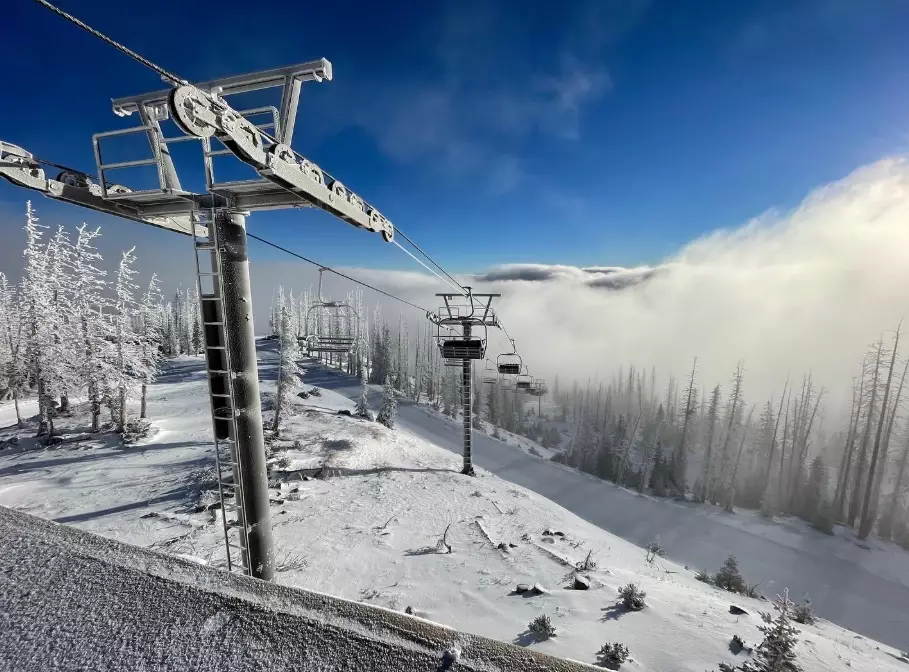
How to Get to Wolf Creek Ski Area?
This is the biggest logistical hurdle. Wolf Creek is remote.
By Air: The two main airports are Durango-La Plata County Airport (DRO) and Albuquerque International Sunport (ABQ). DRO is closer (1.5-hour drive) but flights are often more expensive. ABQ is a 3.5-4 hour drive but can offer better deals. You will need a rental car from either.
By Car: The resort is directly on U.S. Highway 160 over Wolf Creek Pass. From Denver, it's about a 4.5-hour drive (260 miles). The pass itself is steep, winding, and can be challenging in a storm. Colorado law requires traction laws (tires with mud/snow designation or 4WD/AWD) to be followed during winter storms. Don't ignore this.
The Drive Reality Check: That 25-minute drive from Pagosa isn't bad... on a clear day. During or after a heavy snow event (which is why you're going!), it can be slow, tense, and require full concentration. Factor in extra time and check CDOT's road conditions religiously.
What Makes Wolf Creek's Snow So Special?
It's not a marketing gimmick. According to long-term data from the National Oceanic and Atmospheric Administration (NOAA), the Wolf Creek Pass SNOTEL site consistently records some of the highest seasonal snowfall totals in the state, often exceeding 400 inches. The geography is perfect: storms rolling in from the Pacific hit the steep wall of the San Juans head-on and get wrung out directly over the ski area.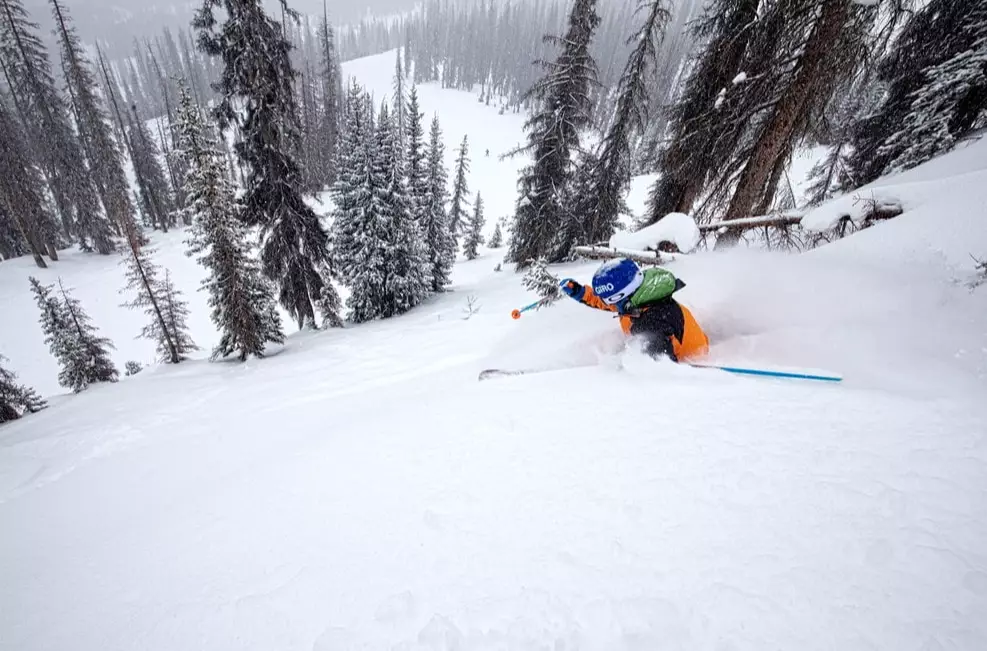
The snow has a higher moisture content than the famed "Rocky Mountain champagne powder" of Utah, making it a bit denser. This isn't a bad thing. It means it's less prone to getting blown away by wind, it sticks to steeper pitches better, and it creates that phenomenal, surfy feel that skiers dream about. It's the Goldilocks zone of snow density.
Wolf Creek Ski: Your Questions, Answered
 I'm an intermediate skier who wants to try powder. Is Wolf Creek the right place?
Wolf Creek demands a bit more from the planner, but it rewards you tenfold. You trade convenience for authenticity, corporate polish for deep snow and genuine smiles. It's a mountain that reminds you why you started skiing in the first place. Pack your patience for the drive, your appetite for adventure, and get ready for some of the most memorable turns of your life.
Related Articles

Comments
Join the discussion