Let's cut to the chase. A Whistler Blackcomb guide isn't just a list of runs. It's the key to unlocking a trip that matches your budget, skill level, and energy. Having skied here for over a decade, I've seen every mistake in the book—from blowing the budget on the wrong lift pass to spending half the day in lift lines. This guide is about avoiding those pitfalls. We'll cover the concrete details: how to get here, where to stay, how to navigate the massive terrain, where to eat without remortgaging your house, and what to do when your legs give out. Consider this your one-stop shop for planning a trip that actually works.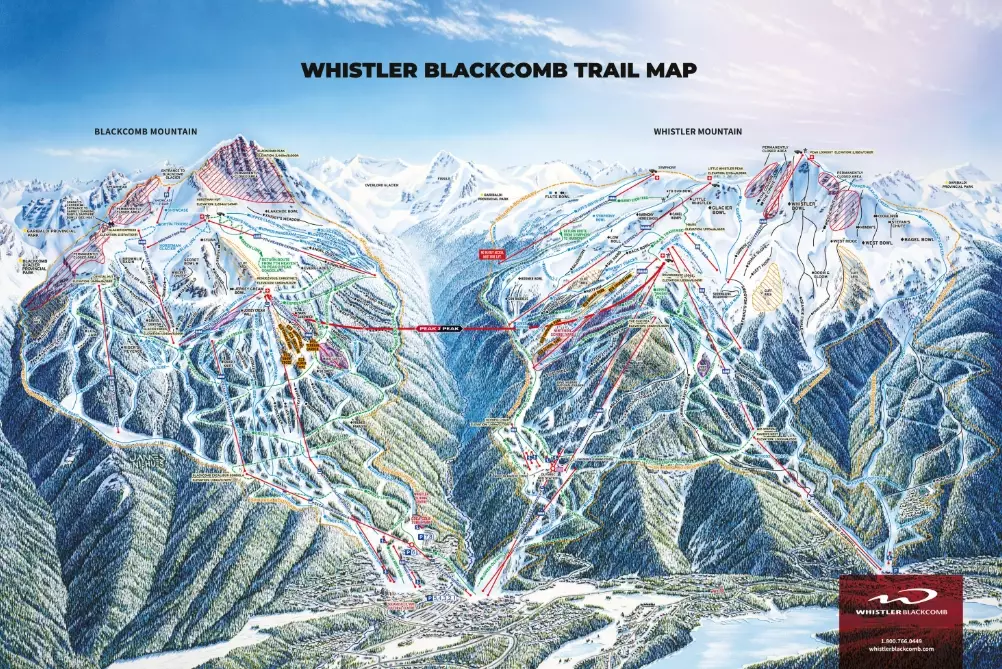
Your Whistler Trip at a Glance
- Getting to Whistler Blackcomb: Your Transport Options
- Where to Stay in Whistler: Village vs. Creek Side
- Whistler Blackcomb Trails & Terrain: A Mountain for Everyone
- Lift Tickets & Passes: Navigating the Cost
- On-Mountain Dining: From Quick Bites to Long Lunches
- What to Do When You're Not Skiing
- Your Whistler Blackcomb Questions Answered
Getting to Whistler Blackcomb: Your Transport Options
You'll fly into Vancouver International Airport (YVR). The drive to Whistler is about 120 kilometers (75 miles) north on the Sea-to-Sky Highway. It's a stunning route, but it's not a quick hop. In winter, it can take 2 to 3 hours, not the 1.5 hours Google Maps might suggest on a perfect summer day. Road conditions are a real factor.
Skylynx or Epic Rides bus is the most straightforward option for most people. They run frequently from both YVR and downtown Vancouver. You book a seat, they handle the driving, and you can nap. Round-trip is typically between $80 and $120 CAD. Book in advance, especially around holidays.
Renting a car gives you flexibility, but consider the costs: rental fees, gas, and the mandatory winter tire or chain requirement on the Sea-to-Sky from October to March. Parking in Whistler can also be expensive ($25-$40 per day at many hotels). It's worth it if you plan to explore beyond the village, like heading to Brandywine Falls or the Squamish Lil'wat Cultural Centre.
A private transfer is the luxury option, great for groups or those with lots of gear. Expect to pay $300+ one way.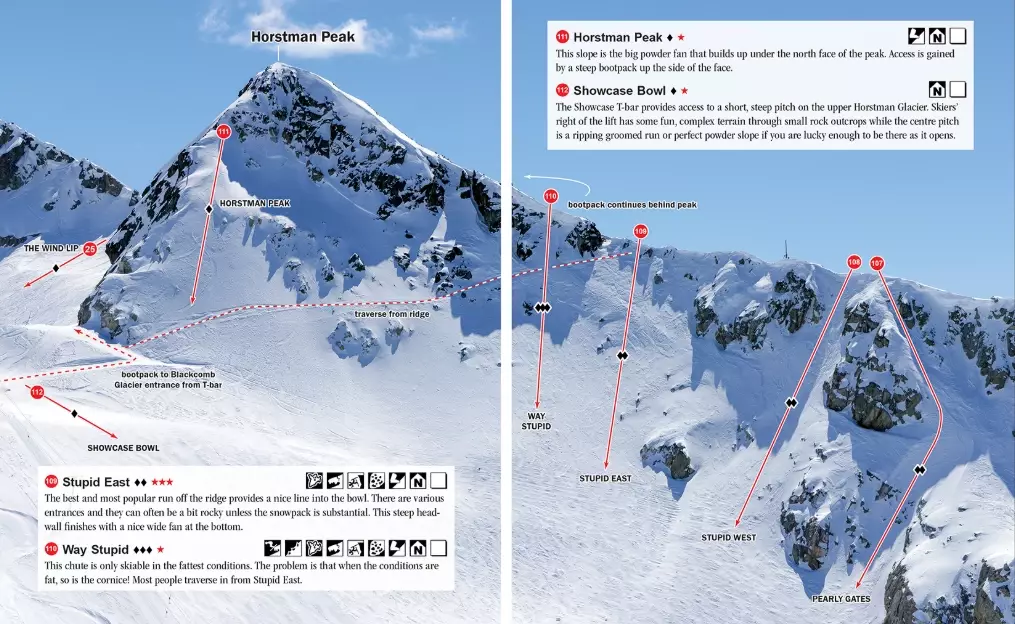
Where to Stay in Whistler: Village vs. Creek Side
Location is everything. You don't want to end up in a "ski-in/ski-out" condo that requires a 15-minute trek in ski boots to the nearest lift. Here’s the breakdown.
Whistler Village (The Main Hub)
This is the heart of the action. You're steps from the Whistler Village Gondola, tons of restaurants, bars, and shops. It's buzzing, convenient, and... the most expensive. It's perfect for first-timers, groups who want nightlife, and those who prioritize convenience over budget.
Example: The Westin Resort & Spa. True ski-in/ski-out to the Whistler Village Gondola base. Has a great outdoor heated pool. You pay for the premium location.
Upper Village & Blackcomb Base
Slightly quieter than the main village, but with direct access to the Blackcomb Gondola and Wizard Express chair. This is my personal favorite area. You get easy mountain access and are still just a short stroll from the main village restaurants.
Example: Fairmont Chateau Whistler. The iconic hotel at the base of Blackcomb. Ski valet, multiple pools, fantastic dining. It's a splurge.
Creekside
This is the secret for value and efficiency. Creekside has its own gondola (the Creekside Gondola) up Whistler Mountain, which often has significantly shorter lines than the Village Gondola. It has a great local vibe, a grocery store, and some excellent restaurants. The trade-off? You'll need a 5-minute drive or bus ride to get to the main village for nightlife. For families or those focused purely on skiing, Creekside is a genius choice.
Example: First Tracks Lodge. Legit ski-in/ski-out to the Creekside Gondola. Offers condo-style units with kitchens, which saves money on meals.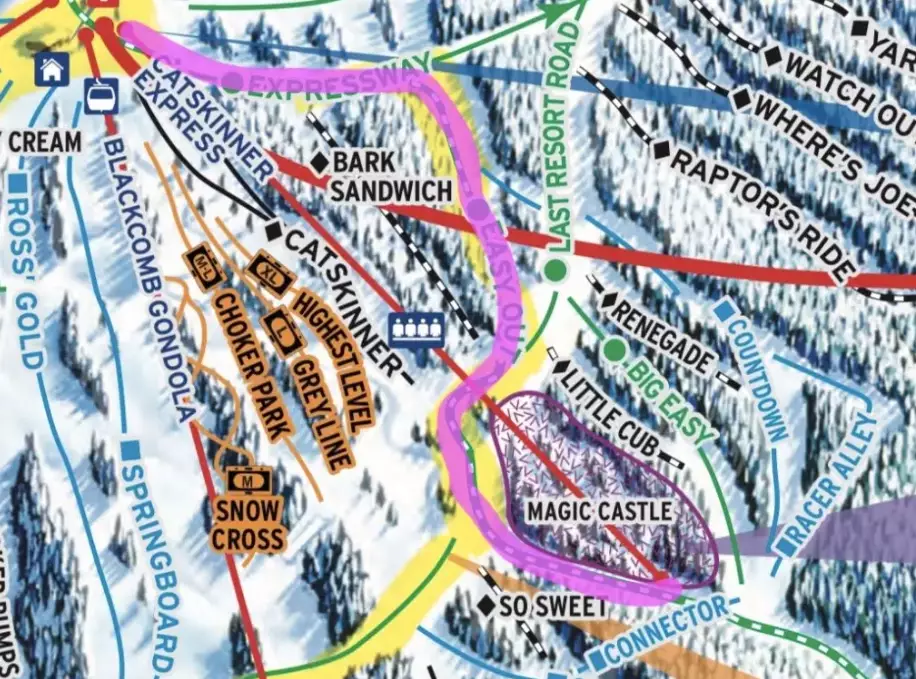
Whistler Blackcomb Trails & Terrain: A Mountain for Everyone
With over 8,100 acres of terrain, you can't wing it. The Whistler Blackcomb trail map is your bible, but it's overwhelming at first. Here's how to break it down.
Beginners: Don't be intimidated. The best green runs are on both mountains. On Whistler Mountain, head to the Olympic Station area (accessed via the Fitzsimmons Express chair). It's a dedicated, gentle learning zone. On Blackcomb Mountain, the Magic Chair area is perfect. Avoid the long, cat-track greens like "Ego Bowl" or "Orange Crush" as your first runs—they're boring and can be icy.
Intermediate Skiers & Riders (The Sweet Spot): You'll have the most fun here. The Harmony Express and Symphony Express areas on Whistler offer endless, beautifully groomed blue runs with incredible alpine views. On Blackcomb, the Crystal Ridge Express and Seventh Heaven Express are blue-run paradises. A classic intermediate day: take the Peak 2 Peak Gondola from one mountain to the other and sample the best of both.
Advanced & Experts: You know why you're here. The Cirque and Spanky's Ladder zones are legendary for steep chutes and bowls. But a non-consensus tip: some of the most fun, challenging, and less-tracked-out tree skiing is off the Garbanzo Express chair on Blackcomb. Look for the gladed areas between marked runs.
| Mountain Zone | Best For | Key Lift | Run to Try |
|---|---|---|---|
| Whistler: Symphony | Intermediate cruisers, stunning views | Symphony Express | Simphony Amphitheatre |
| Whistler: Peak | Advanced alpine bowls | Peak Express | Peak to Creek (longest run) |
| Blackcomb: Seventh Heaven | Steep groomers, high-alpine | Seventh Heaven Express | Cloud Nine |
| Blackcomb: Glacier | Expert chutes, glacier skiing | Showcase T-Bar | Blackcomb Glacier |
Lift Tickets & Passes: Navigating the Cost
Let's talk money. A walk-up window lift ticket at Whistler Blackcomb is painfully expensive. You must book online in advance for any meaningful discount. Prices fluctuate, but expect to pay anywhere from $150 to $220 CAD per day, depending on the season and how early you book.
The Epic Pass is a game-changer if you plan to ski more than 5-7 days at Whistler/Vail resorts in a season, or are combining a Whistler trip with other destinations. It offers substantial savings and includes some days at other partner resorts. It's the industry's biggest season pass product, and locking in early (spring for the next winter) gets you the best price.
For shorter trips, look at multi-day Edge Cards (if purchased early) or the Ski With Friends pack which offers discounts for groups booking together. Always check the official Whistler Blackcomb website for the latest deals—they change often.
On-Mountain Dining: From Quick Bites to Long Lunches
Mountain food has a bad rap for being expensive and mediocre. Whistler has options that break that mold.
The Roundhouse Lodge (Whistler Peak): It's huge and can be a zoo at noon. My strategy? Eat early (11:15 AM) or late (1:30 PM). The Mongolian grill line moves fast and you get a hot, customized meal. The sit-down restaurant, Steeps Grill & Wine Bar, is a worthy splurge for a table-service lunch with a view.
Rendezvous Lodge (Blackcomb): Similar size to Roundhouse. The poutine here is a classic Canadian calorie bomb. For something better, head to the Christine's on-mountain café for great sandwiches and soups.
Insider Move: Pack a snack bar and a reusable water bottle. Fill up at water stations in the lodges. Then, plan your day to end near Garibaldi Lift Co. (GLC) at the base of Whistler or Merlin's at the base of Blackcomb for apres-ski. You'll get better food and vibes than a rushed lodge lunch, and it transitions perfectly into the evening.
What to Do When You're Not Skiing
Your legs will thank you for a break. Whistler Village is packed with alternatives.
Snowmobiling: Book a tour with a company like Canadian Wilderness Adventures. Riding through old-growth forests and onto frozen alpine lakes is an unforgettable experience.
Scandinave Spa: The ultimate recovery. It's a silent, outdoor hydrotherapy circuit of hot baths, cold plunges, and saunas nestled in the forest. No phones allowed. It's pricey but worth every penny for a half-day of deep relaxation.
Vallea Lumina: A multimedia night walk through the forest. It's a magical, family-friendly experience with lights, sounds, and storytelling. You need to book tickets ahead of time.
For a zero-cost activity, just walk the Valley Trail network. It's a paved, lit pathway connecting all the villages, perfect for a stroll to see the sights.
Your Whistler Blackcomb Questions Answered
 How many days do I need at Whistler Blackcomb?
Planning your Whistler Blackcomb trip comes down to details. Book your lift tickets and accommodation early. Pick a location that matches your priorities—convenience or value. Use the terrain guide to target the right areas for your skill level. And build in some downtime, because this place is as much about the mountain vibe as it is about the vertical. See you on the hill.
Related Articles


Comments
Join the discussion