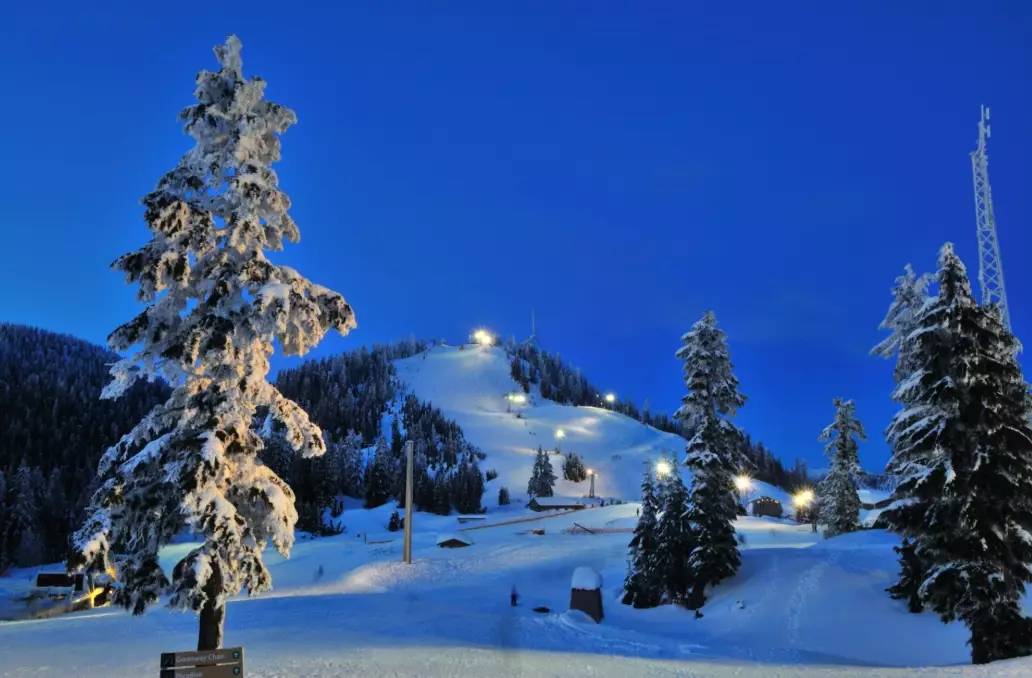
Night skiing transforms the mountain. The crowds thin out, the temperature drops, and the slopes are bathed in the cool, electric glow of floodlights. It's a unique blend of serenity and adrenaline that every skier and snowboarder should experience. But diving into an evening session requires a different mindset than a daytime run. This guide cuts through the hype to give you the real deal on the world's best night skiing destinations and the non-negotiable safety tips you need to know. Forget the generic advice; we're talking about the specifics that make or break your night on the mountain.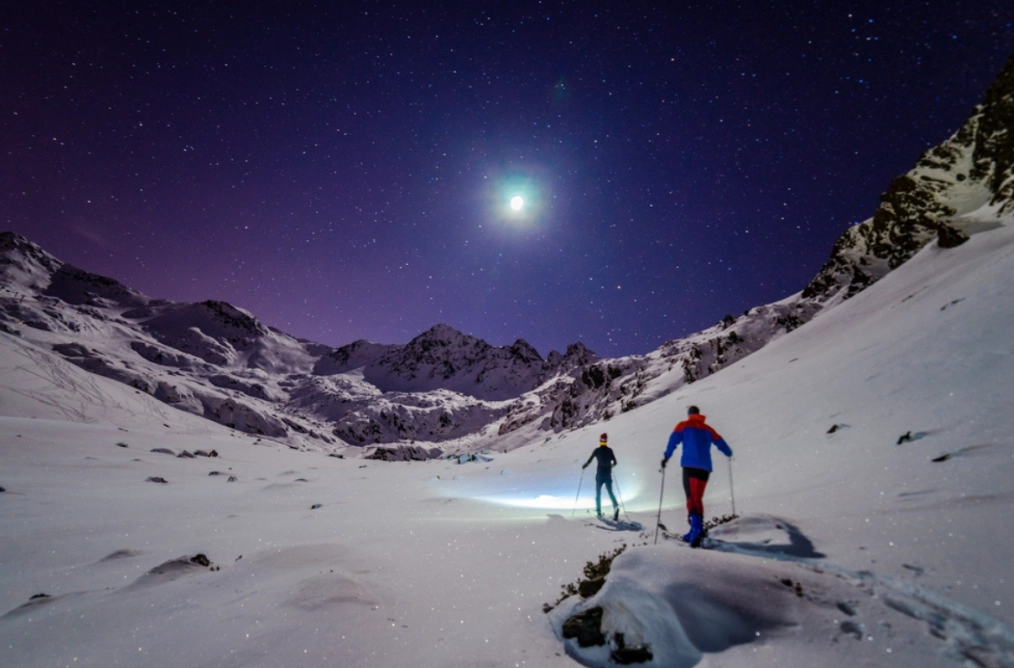
What's Inside This Guide
Top Night Skiing Resorts Around the World
Not every resort offers night skiing, and the quality varies wildly. A great night skiing operation needs powerful, well-placed lighting, a good variety of terrain, and reliable snow conditions after dark. Based on years of chasing the evening glow, here are three standout destinations that get it right.
The table below gives you the hard facts to plan your trip. But beneath each entry, I'll share what it actually *feels* like to ski there at night—details you won't find on a resort map.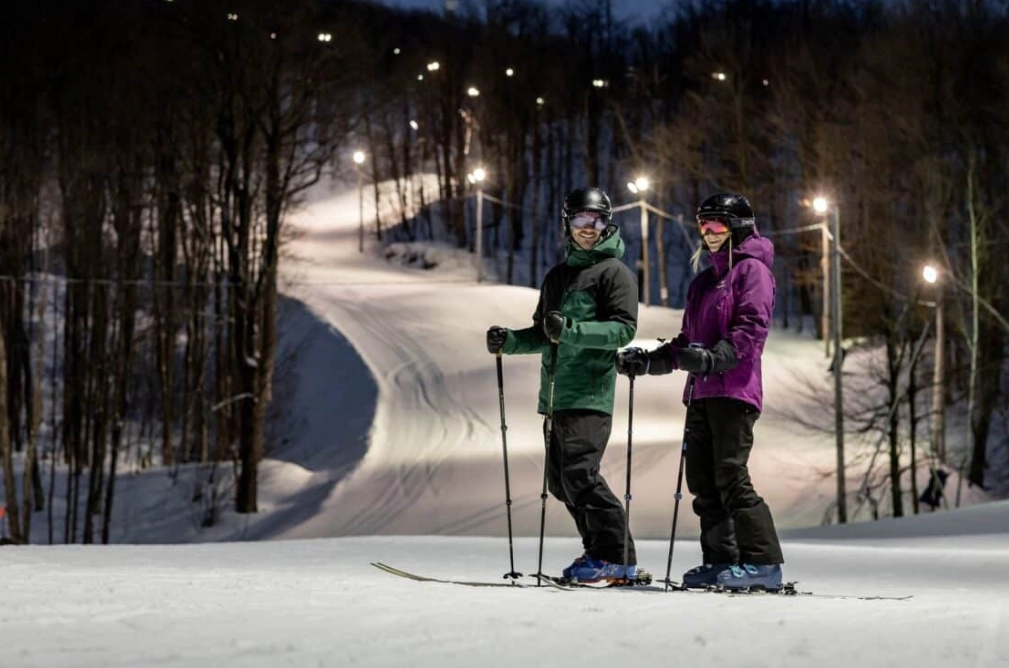
| Resort & Location | Night Skiing Hours & Season | Ticket Price (Approx.) | Key Features & Terrain |
|---|---|---|---|
| Mammoth Mountain, California, USA Address: 10001 Minaret Rd, Mammoth Lakes, CA 93546 |
4:30 PM - 9:00 PM (Selected nights, check schedule). Typically Thursday-Monday during peak season (Dec - Mar). | Night Session Lift Ticket: ~$75-$90. Often bundled with daytime pass. | One of North America's largest night ski areas. Covers multiple chairs (Broadway, Face Lift Express). Mix of beginner to intermediate groomers. Epic views of the Eastern Sierra under stars. |
| Patschorkofel (Igls), Innsbruck, Austria Address: Heiligwasserweg 175, 6080 Igls, Austria |
6:30 PM - 10:00 PM (Friday & Saturday nights). Mid-December to mid-March, weather permitting. | Evening Ticket: ~€30-€35. Separate from daytime ski pass. | Olympic bobsled track runs alongside! 6.5 km of perfectly lit, floodlit runs. Cozy alpine huts open for food. Accessible via bus from Innsbruck city center in 20 mins. |
| Sapporo Kokusai Ski Resort, Hokkaido, Japan Address: 937 Jozankei, Minami-ku, Sapporo, Hokkaido 061-2301 |
5:00 PM - 9:00 PM (Every day during winter season). Late November to early April. | Night Pass: ~¥3,500 - ¥4,000. Significantly cheaper than daytime. | Famous for its incredibly light, dry "Japow" (powder) which can still be found off-piste at night. Multiple courses lit. Onsen (hot spring) at the base to warm up after. 60-minute drive or shuttle from Sapporo. |
What Makes These Spots Special
Mammoth's scale is what gets me. You're not stuck on one tiny hill. You can actually take a long, winding run from the top of the Broadway Express down to the main lodge, feeling like you have the whole vast basin to yourself. The lights are industrial-strength, so shadows are minimal—a huge plus for safety.
Patschorkofel near Innsbruck is pure Alpine charm. The runs are impeccably groomed corduroy, and hearing the occasional rumble of a bobsled practicing on the adjacent track is surreal. The mountain huts serve up steaming bowls of goulash and hot apfelstrudel. It feels more like a social, post-work activity for locals than a tourist attraction.
Sapporo Kokusai is for the powder hound who can't wait for morning. Night skiing in Japan often means you're skiing on daytime leftovers, but here, if it snows during the day, the night crew gets first tracks on untouched sides. The cultural experience—skiing then soaking in an onsen—is unbeatable. Just remember, the shuttle back to Sapporo stops running not long after the slopes close, so plan your transport tightly.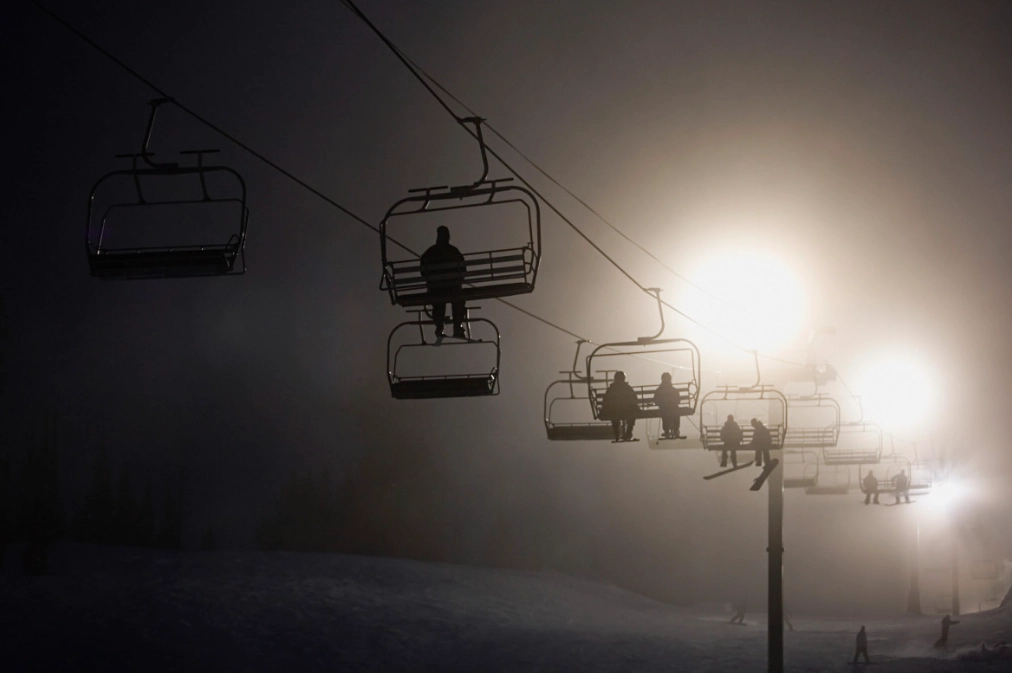
Pro Tip: Always, always check the resort's official website or call ahead the day of your visit. Night skiing is the first activity to be canceled for high winds, poor visibility, or lack of snow. A "we might be open" note on a general info page isn't good enough. Look for the dedicated night skiing page or snow report.
The Complete Night Skiing Safety Guide
This is where most guides just say "wear a helmet" and "stay on marked trails." That's baseline. Night skiing introduces specific hazards that daytime skiers rarely consider. Let's break down the real safety protocol.
Gear Check: Beyond the Basics
Your daytime setup might not cut it. Here’s your pre-flight checklist:
- Goggles are non-negotiable, but the lens matters. Clear or low-light yellow/rose lenses are essential. Your dark tinted lenses will turn the lit slopes into a murky, shadowy mess. I learned this the hard way my first time out, squinting like I'd lost my contacts.
- Helmet with integrated lights? It sounds gimmicky, but a small, helmet-mounted LED light (like those used by trail runners) can be a game-changer for reading trail signs or spotting uneven terrain in peripheral shadows. It's not for seeing ahead, but for being seen and adding a bit of personal illumination.
- Layer smarter, not thicker. Temperatures plummet after sunset. A moisture-wicking base layer is critical because you'll still sweat on climbs or while waiting in lift lines. The real secret is a windproof outer layer. That breeze you enjoyed during the day becomes a biting cold at night.
- Check your ski/board edges. Snow often hardens and becomes icier after a day of traffic and falling temperatures. Sharp edges provide crucial control on these firmer surfaces.
Slope Awareness: Reading the Night
Your depth perception and ability to read terrain are compromised. What looks like a gentle roll by day can hide an unseen dip at night.
Stick to trails you know from daylight for your first few night sessions. Familiarity breeds safety. If you must try a new run, take it slow the first time down. The lighting creates "islands" of visibility; the space between light poles can be surprisingly dark. Watch for other skiers slowing or stopping in these dim zones—they become nearly invisible.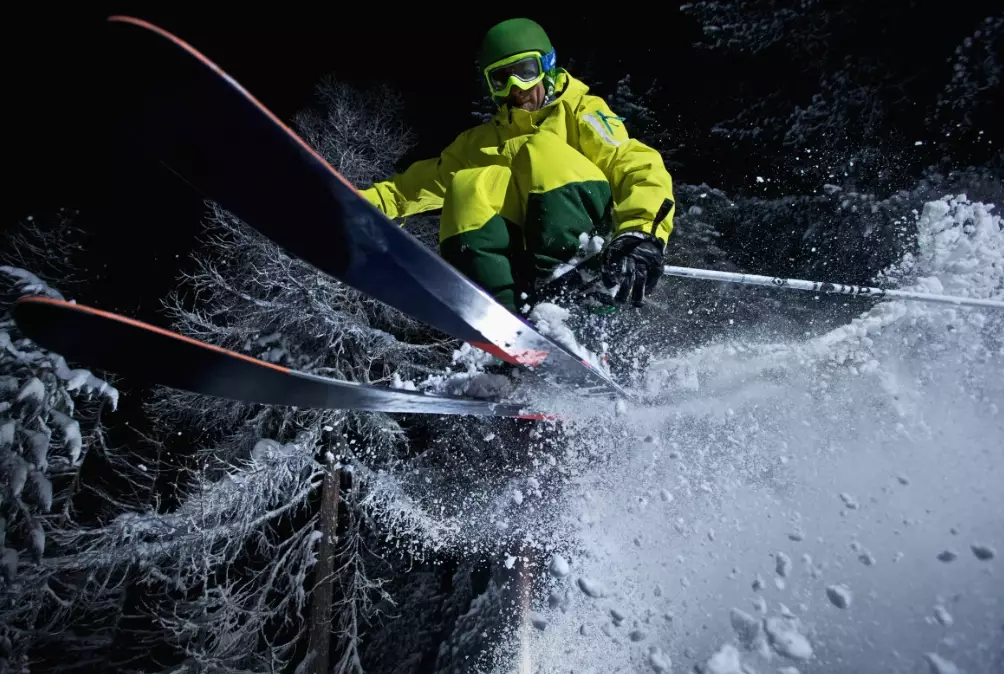
One subtle point rarely mentioned: snowmaking guns. Many resorts run snowmaking at night. While great for conditions, they create localized whiteout conditions and can leave a slick, wet layer on the snow surface. Give them a wide berth.
Cold and Visibility: The Silent Challenges
Hypothermia and frostnip are real risks. You stop for a hot chocolate and suddenly you're shivering uncontrollably. Keep moving, and keep breaks short and indoors if possible.
Carry a small, lightweight headlamp in your pocket. If you have to deal with a binding issue or find a dropped item off the side of a run, your phone's flashlight is awkward and drains the battery you might need for emergencies.
The Etiquette of the Dark
Night skiing crowds are usually mellower, but the reduced visibility means you must be hyper-aware. Signal your turns and stops more obviously. Assume that skier below you can't see you as clearly. The standard responsibility code from the National Ski Patrol applies doubly at night.
Don't ski alone. This isn't just a cliché. If you take a spill in an unlit section, it might be a long, cold wait before someone finds you. Use the buddy system.
Your Night Skiing Questions Answered
 Can beginners try night skiing?
Related Articles



Comments
Join the discussion