Forget perfectly groomed corduroy. The final frontier for skiers and snowboarders isn't a resort—it's a volcano. Volcano skiing combines raw adventure, surreal landscapes, and the kind of bragging rights that last a lifetime. Two regions stand out for offering this unique experience: the fiery slopes of Italy's Mt. Etna and the snow-cloaked giants of the Pacific Northwest in the United States. This isn't just about finding snow; it's about skiing on geology itself.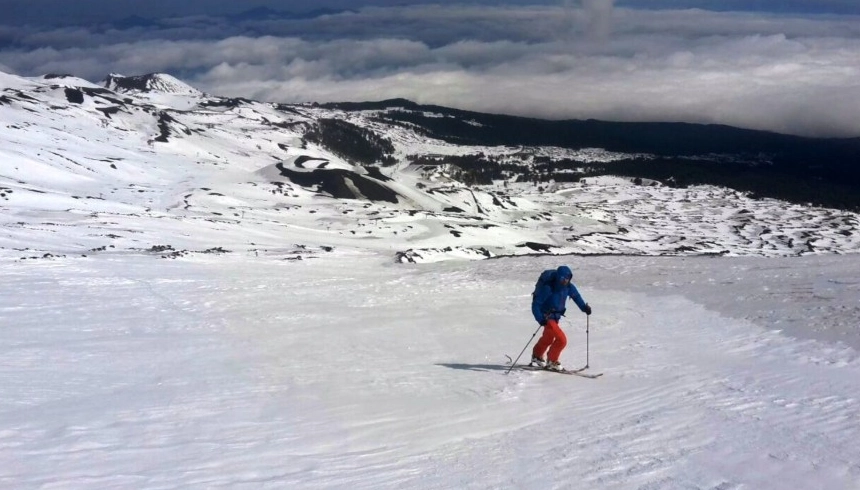
I've chased volcanic turns from the Andes to Japan, and let me tell you, the hype is real. But it's also misunderstood. Most articles make it sound like a non-stop powder fest. The reality is more complex, more challenging, and ultimately more rewarding. This guide cuts through the Instagram filter. We'll dive into the nitty-gritty of accessing these slopes, the specific challenges you'll face, and how to plan a trip that's epic for the right reasons.
What's Inside This Guide
Why Ski a Volcano? The Unique Allure
The draw isn't just novelty. Volcanic terrain creates unique skiing conditions. The conical shape often means longer, sustained fall-line runs you just don't get in regular mountains. The mineral-rich soil and specific weather patterns can create surprisingly different snow textures. On a clear day, the views from the summit are literally otherworldly—you're looking into a crater or over a landscape shaped by lava.
But here's the non-consensus part everyone glosses over: volcano skiing is rarely about bottomless powder. More often, you're dealing with wind-affected snow, sun crusts, or variable spring conditions. The reward isn't always face shots; it's the sheer scale, the silence above treeline, and the story. You're trading consistent snow quality for an unforgettable experience.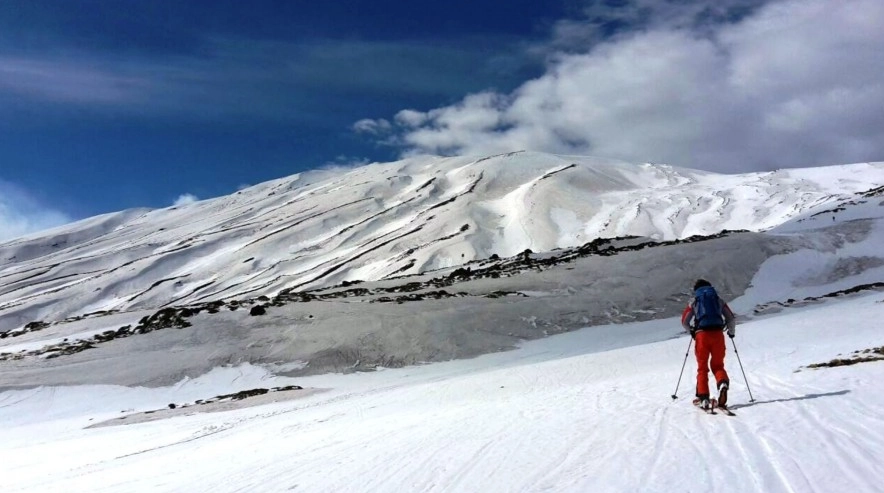
Mt. Etna: Skiing on Europe's Most Active Volcano
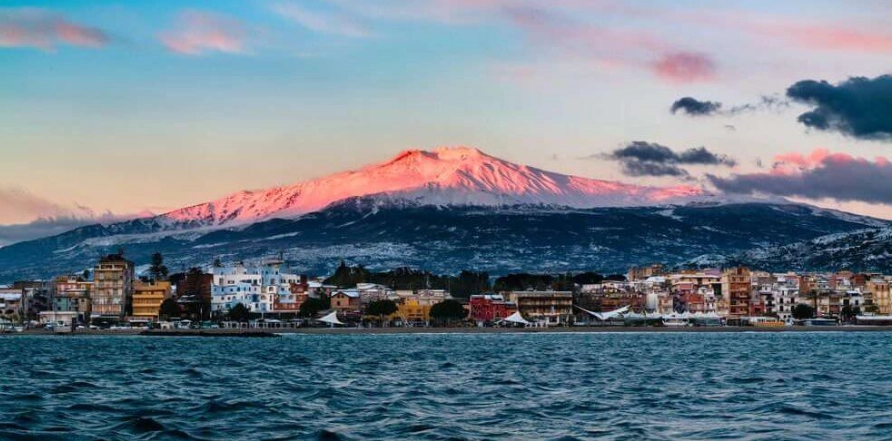
Sicily's Mt. Etna is in a league of its own. Where else can you smell sulfur while riding a chairlift? The skiing happens on the volcano's massive flanks, not in the crater (obviously). The main base area is around the Rifugio Sapienza on the southern side, near the town of Nicolosi.
Practical Info You Need:
- Access & Lift Tickets: You drive or take a bus to Rifugio Sapienza (approx. 1 hour from Catania). From there, a cable car and chairlifts serve the slopes. A daily ski pass costs around €35-€45. Check Funivia dell'Etna for current operations.
- Season & Conditions: The season is short and highly variable, typically from late December to early April. Don't expect deep winter months. This is primarily spring skiing. Snow coverage depends entirely on that year's storms. Always check the INGV (National Institute of Geophysics and Volcanology) and local ski school websites for daily updates.
- The Skiing Itself: The groomed runs are limited and intermediate-friendly. The real adventure is the off-piste itineraries that take you down vast, open lava flows. Hiring a local guide from a service like Etna Guide is non-negotiable here. They know the safe zones away from fumaroles and unstable terrain.
- My Take: Etna is less about challenging steeps and more about the surreal atmosphere. The contrast of black lava rock, white snow, and the blue Mediterranean Sea in the distance is staggering. But the wind can be brutal, shutting lifts frequently. Have a backup plan to explore Taormina or Catania.
Pacific Northwest Volcano Skiing: A Powerhouse Trio
The Pacific Northwest is a volcano skier's paradise. The combination of massive snowfall and iconic conical peaks creates legendary terrain. We'll focus on the three most accessible and famous for ski descents.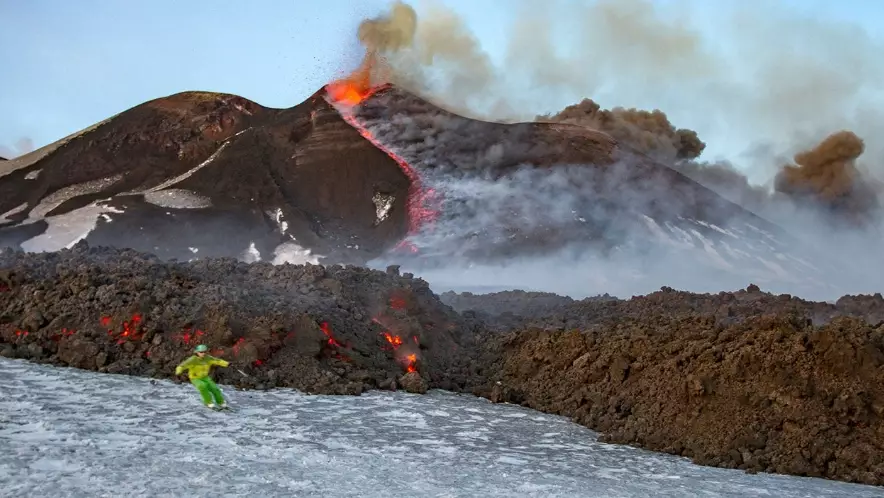
| Volcano | Nearest Resort/Base | Key Access Point & Info | Best For |
|---|---|---|---|
| Mt. Baker | Mt. Baker Ski Area (Washington) | Backcountry gates from the resort. A US Forest Service Sno-Park pass is required for parking. Guided climbs/descents via Baker-based guiding companies. | Experienced backcountry skiers seeking steep, glaciated lines. Famous for its immense snowfall. |
| Mt. Hood | Timberline Lodge (Oregon) | Most accessible. Palmer Snowfield is skiable nearly year-round via the Magic Mile lift (summer skiing!). Summit climbs require a pre-dawn start and technical gear. | Spring skiing and glacier travel practice. The standard South Side route is a classic, non-technical ski descent. |
| Mt. Rainier | Paradise (Washington) | All access is wilderness backcountry from Paradise or Camp Muir. A climbing permit is required for overnight trips. This is a major, multi-day expedition. | Advanced alpinists looking for the ultimate test. The Fuhrer Finger is a famous ski line. |
The common thread here is backcountry travel. With the exception of Mt. Hood's Palmer Snowfield, you're leaving resort boundaries. This demands proficiency in avalanche assessment, glacier travel, and navigation.
A Local's Tip: The weather window is everything in the PNW. You might wait days for a clear, stable day to attempt a summit. Successful volcano skiing here is 70% patience and weather-watching, 30% actual skiing. Don't book a tight, non-refundable trip expecting to summit on a specific day.
Beyond the Big Three: St. Helens and Adams
Mt. St. Helens offers a unique, non-glaciated south slope ascent (Worm Flows route) that's a popular spring ski objective. It requires a Climbing Permit purchased in advance from the Recreation.gov portal. Mt. Adams' South Climb is another long, gradual ski descent favored by those building skills for Rainier.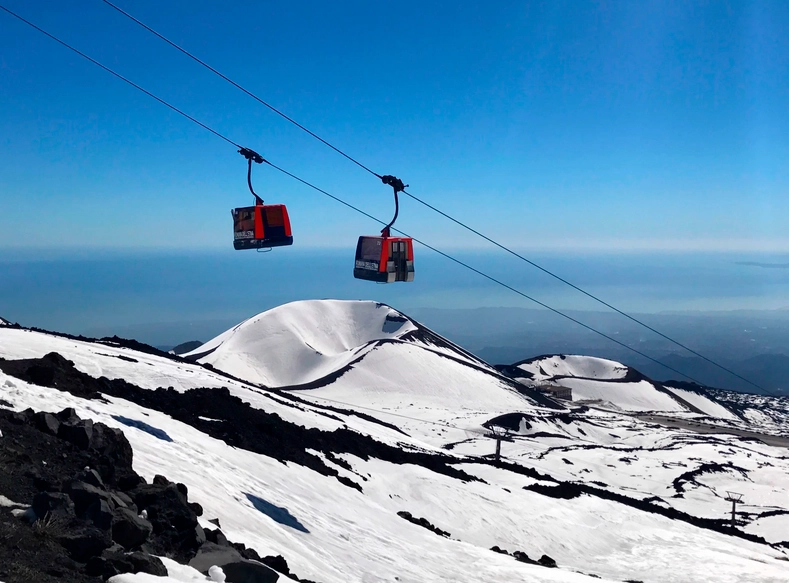
How to Plan Your Volcano Skiing Adventure
This isn't a last-minute weekend trip. Here’s a realistic planning framework.
1. Choose Your Objective Based on Skill Level:
- Beginner/Intermediate to the Experience: Stick to the groomed slopes of Mt. Etna or the summer ski lanes on Mt. Hood's Palmer Snowfield. Hire a guide for a safe off-paste introduction.
- Advanced Backcountry Skier: Look at the standard routes on Mt. Baker (Coleman-Deming) or Mt. Hood (South Side). You should be comfortable with ice axe self-arrest, crevasse rescue, and skiing variable snow with a heavy pack.
- Expert Alpinist: Mt. Rainier, or steep lines like the North Face of Mt. Baker.
2. Timing is Everything: For both Etna and the PNW, spring (April-June) is prime. The days are longer, avalanche conditions often stabilize after a winter of settlement, and access roads melt out. For Etna, this is the only reliable time for snow. In the PNW, it's when the high volcanoes become most accessible.
3. Logistics and Permits:
- PNW: Research permit requirements months ahead. Rainier permits are competitive. Secure lodging in small towns like Ashford (Rainier), Government Camp (Hood), or Glacier (Baker).
- Etna: Base yourself in Catania or the smaller towns like Nicolosi or Zafferana Etnea. Rent a car for maximum flexibility.
Volcano-Specific Safety and Essential Gear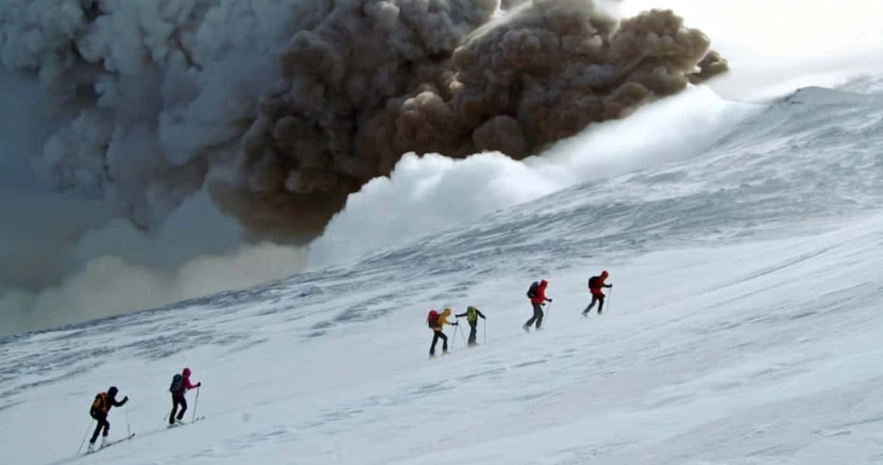
Standard backcountry gear is the baseline. For volcanoes, you must add:
- Mountaineering Gear: Ice axe, crampons, helmet (for rock/ice fall), and harness/crevasse rescue kit for glaciated peaks. Don't buy this the week before—get training.
- Communication & Navigation: A satellite communicator (Garmin inReach, Zoleo) is crucial for emergencies outside cell range. A dedicated GPS or a phone with offline maps (like Gaia GPS) is mandatory.
- Volcanic Hazards (Especially for Etna): Guides will monitor gas emissions and seismic activity. On your own, never venture near fumaroles or into closed zones. The ground can be thin and hot.
- The One Piece of Gear Most People Forget: Heavy-duty ski straps or tape. Volcanic rock is incredibly abrasive and will shred your ski bases and pants in seconds during a side-slip or fall. Be prepared for repairs.
I learned this the hard way on a descent in Chile, spending an evening patching core shots that could have been minimized.
Your Volcano Skiing Questions Answered
Is volcano skiing more dangerous than regular backcountry skiing?
It introduces additional, layered hazards. You have all the normal backcountry risks—avalanches, weather, navigation—plus potential glacial crevasses, altitude, and sometimes volcanic activity like noxious gases or unstable ground. It's not inherently more dangerous if you're trained for the specific environment, but the margin for error is smaller. Misjudging a route on a volcano can leave you stranded on steep, exposed terrain with few options.
Do I need a guide for volcano skiing on Mt. Etna or in the PNW?
For Mt. Etna's off-piste terrain, absolutely yes. The maze of lava flows and hazard zones is not for the uninitiated. In the PNW, if you lack significant glacier travel and high-altitude climbing experience, a guide is essential for any summit attempt. For skilled parties, a guide can still be invaluable for route-finding and leveraging their local weather/conditions knowledge, maximizing your chance of success.
 What's the biggest mistake first-timers make when planning a volcano ski trip?
Underestimating the fitness required. A 4000-foot resort day is tiring. A 6000-foot volcano ascent with a 30-pound pack, often starting at 2 AM, is a different beast. You need muscular endurance for the uphill and strong legs that can still handle challenging snow on the descent after hours of climbing. The best training? Hike uphill with a weighted pack.
Can I rent specialized mountaineering gear near these volcanoes?
In the PNW, yes. Towns like Ashford (Rainier), Bend (South Sister), and Seattle have excellent outdoor shops offering ice axe, crampon, helmet, and harness rentals. On Sicily, it's much harder. Your best bet is to arrange gear through a guiding service in advance or bring your own. Don't assume you'll find what you need locally.
How do I know if the conditions are safe on a specific day?
You become a researcher. For the PNW, monitor multiple sources: the Northwest Avalanche Center (NWAC) forecast, the National Weather Service mountain forecast, and trip reports on sites like SummitPost or Washington Trails Association. For Etna, check the ski area's social media and the INGV's daily bulletins. Then, confirm your plan with a local on the ground—a guide, hut keeper, or ranger station.
Related Articles
Comments
Join the discussion