Let's be honest. We've all seen the photos. A tiny track etched across a massive, pristine face, ending in a sea of untouched powder. That's the dream ski mountaineering classic routes sell. But what actually makes a route a "classic"? It's not just about steepness or length. It's about history, accessibility, and that perfect blend of challenge and reward that keeps drawing skiers back generation after generation. This isn't a listicle of names. This is a practical guide for anyone who wants to move beyond the resort boundary and understand what these legendary journeys demand.
Your Route Map
What Makes a Route a 'Classic'?
Think of a classic ski mountaineering route like a hit song. Everyone knows it, many have covered it, and it just works. Technically, these routes usually fall into a sweet spot of difficulty—often around Alpine Grade PD to AD (Peu Difficile to Assez Difficile). They're challenging enough to be engaging but not so extreme that only elite alpinists can attempt them.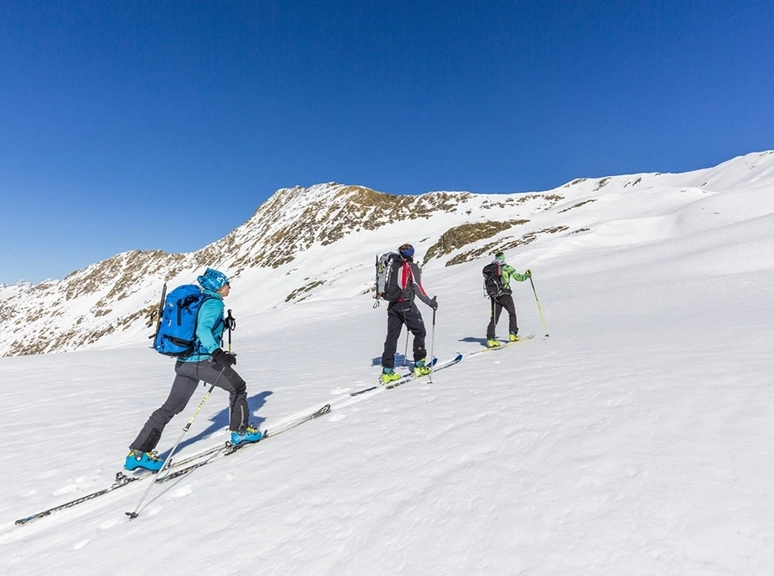
The logistics are manageable. You can often access the start point from a known town or lift system, and the route follows a logical line over passes and peaks, frequently linking established mountain huts. The descent is the payoff: sustained, aesthetic skiing on terrain that feels committing but skiable for a competent off-piste skier.
Most importantly, they have a story. The Haute Route connected historic alpine centers. The Sella Ronda weaves through the heart of the Dolomites. They become measuring sticks, shared experiences that skiers use as a common language.
Top 5 Ski Mountaineering Classic Routes Worldwide
Picking just five is tough. But if you're building a lifetime tick-list, these are the foundational classics. I'm skipping pure ski descents of big faces (like the Aiguille du Midi's Vallee Blanche, which is phenomenal but more of a single run) to focus on multi-day, point-to-point adventures that define the sport.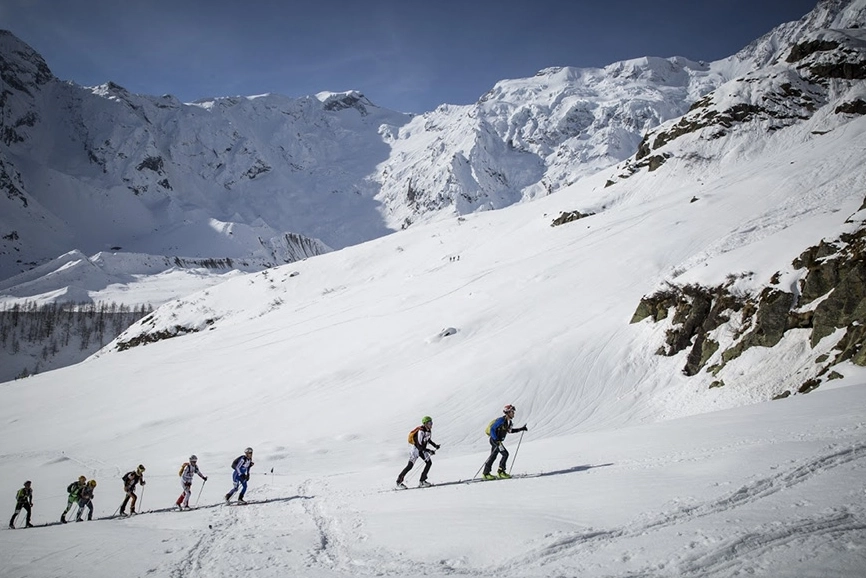
1. The Haute Route (Chamonix to Zermatt)
This is the granddaddy. The original ski mountaineering traverse. It's not the hardest, but it's the most iconic for a reason.
The Vitals: 6-7 days, ~120km, ~7,000m of ascent/descent. Alpine Grade: Mostly PD, with one AD section (the Col de la Chaux on the classic route).
Why it's a Classic: The history is palpable. You're skiing in the tracks of early 20th-century mountaineers. The scenery is absurdly good—views of the Matterhorn, Mont Blanc, and the Grand Combin. It links a chain of fantastic mountain huts (like the Vignettes and Bertol) that are experiences in themselves.
The Crux Everyone Misses: People obsess over glacier travel (which is serious), but the real grind is the final day into Zermatt. It's a long, often sun-affected slog. Many groups now opt to finish in Saas-Fee, which is a brilliant and slightly more forgiving variation.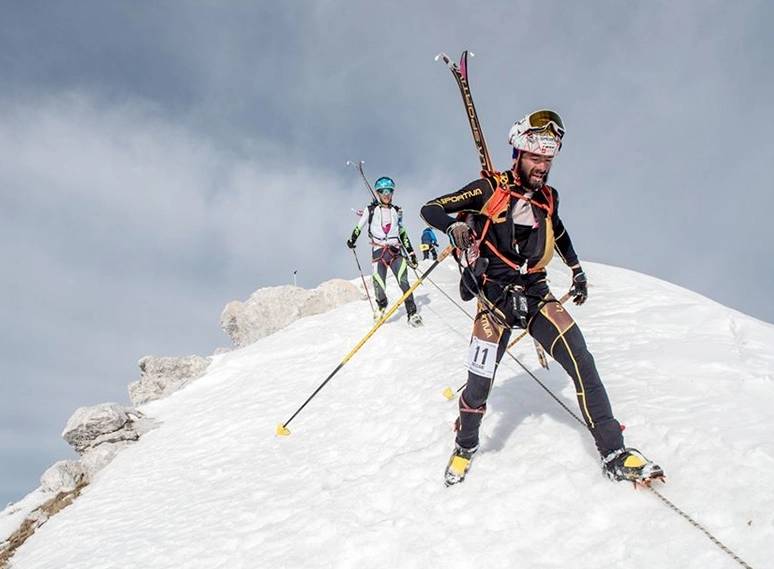
2. The Sella Ronda Ski Tour (Dolomites, Italy)
A different flavor. Less about glaciers and remoteness, more about incredible limestone scenery, fantastic food, and lift-assisted efficiency.
The Vitals: 1 long day or 2 relaxed days. Primarily lift-served but with crucial touring sections over passes. Alpine Grade: F (Facile).
Why it's a Classic:
It's the most accessible classic. You can do it in a day from your hotel in Val Gardena or Corvara. The circuit around the Sella Massif is ingeniously designed, using lifts to gain height and short skins or bootpacks to cross the key passes (Pordoi, Sella, Gardena, Campolongo). The views of the Dolomite spires are unlike anything in the Alps. And the rifugio lunches are legendary.
Don't Underestimate: The timing. You must move efficiently to catch the last lifts. In spring, the south-facing slopes can become heavy, wet mush by early afternoon. Start early.
3. The Spearhead Traverse (Whistler, Canada)
North America's answer to the Haute Route, right in Whistler's backyard. This is a high-alpine gem with minimal glacier travel but maximum ski quality.
The Vitals: 2-3 days, ~35km. Alpine Grade: PD. You start by riding the Blackcomb Glacier lift, which gives you a huge head start.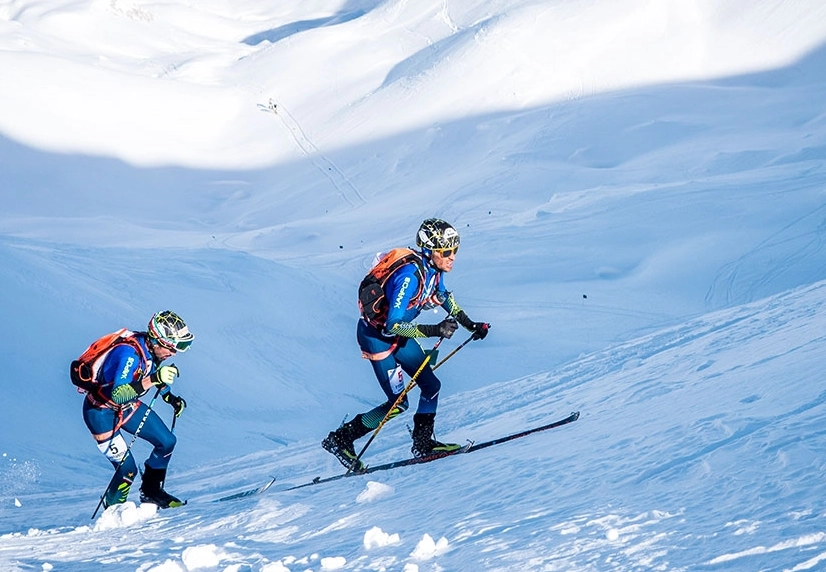
Why it's a Classic: The ski quality is often phenomenal. You're traversing around the massive Spearhead Range, accessing north-facing powder stashes days after a storm. The feeling of self-sufficiency so close to a major resort is unique. You'll camp or stay at the newly constructed Kees and Claire Hut.
The Hidden Challenge: Navigation in whiteouts. The terrain is complex, with many small glaciers and crevasses. A GPS track is essential, but knowing how to use a map and compass is non-negotiable. The weather on the Coast Mountains can change in minutes.
4. The Grand St-Bernard Ski Tour (Switzerland/Italy)
History, a stunning monastery, and fantastic skiing. This 2-3 day tour is a perfect introduction to multi-day ski mountaineering.
The Vitals: 2-3 days. Alpine Grade: F to PD. Key passes: Col des Chevaux, Fenêtre de Ferret.
Why it's a Classic: Spending a night at the iconic Great St Bernard Hospice, run by monks, is an experience you won't forget. The tour links the Swiss Val Ferret with the Italian Val d'Aosta over high, scenic passes. The skiing off the back of the Grand Golliaz is a highlight.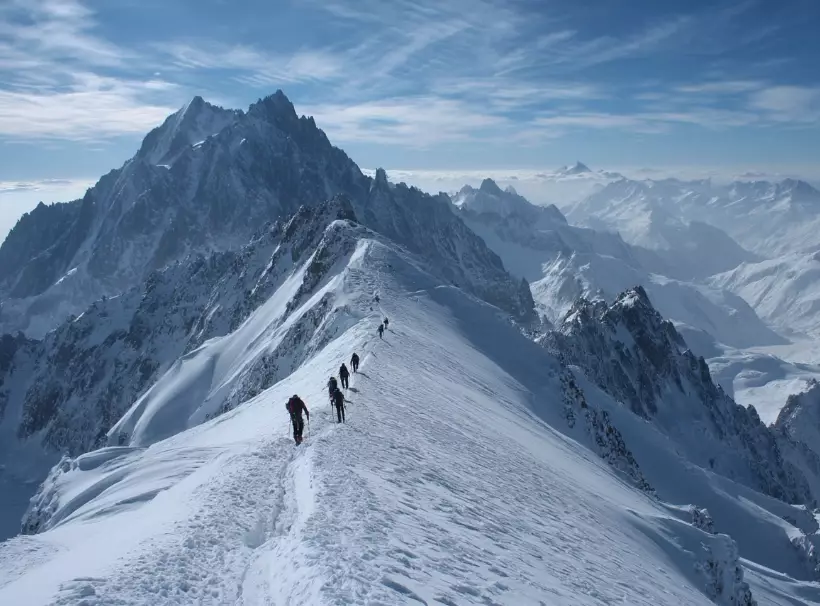
Logistics Tip: You can often arrange for the hospice to transport your overnight gear by snowmobile, allowing you to ski with a light daypack. It's a game-changer for enjoyment.
5. Mount Baker Easton Glacier Route (Washington, USA)
A classic volcano ascent and descent. This is the gateway to bigger Cascade and Alaskan objectives.
The Vitals: 2 days. Ascents: ~2,100m. Alpine Grade: PD (but can feel harder in bad snow).
Why it's a Classic: It teaches all the core skills: glacier travel, crampon use, camping on snow, and managing variable spring snow conditions. The summit panorama of the North Cascades is breathtaking. The descent, if corn snow conditions align, is over 2,000 vertical meters of sustained turning.
The Reality Check: The weather window is tight. Too early, and it's a wall of ice. Too late, and you're post-holing through slush over hidden crevasses. Timing is everything. Consult local ranger stations and guiding services like the American Alpine Institute for current conditions.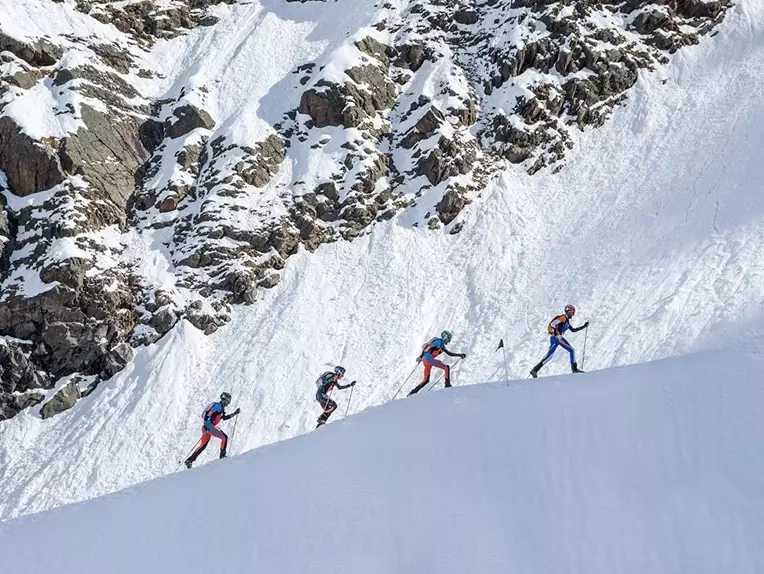
Essential Gear for Ski Mountaineering Classics
Forgetting something at the trailhead isn't an option. This isn't resort skiing. Your gear list is your safety net. Here’s the non-negotiable core, beyond your standard touring setup (skis, bindings, boots, skins).
| Item | Key Feature to Look For | Why It's Critical on a Classic Route |
|---|---|---|
| Lightweight Crampons | Anti-balling plates, good heel & toe bail compatibility with your boot. | For safe travel on firm snow and ice, especially on early morning passes or icy glacier sections. Don't bring heavy mountaineering crampons unless the route specifically requires technical ice. |
| Mountaineering Axe (50-60cm) | Classic "B-rated" axe with a curved shaft and a comfortable grip. | Self-arrest. Period. It's also a third point of contact on steep bootpacks. A whippet (ice axe pole) is not a full replacement for a proper axe on glaciated terrain. |
| Harness, 2x Locking Carabiners, Belay Device | Lightweight, packable harness with gear loops. | For glacier travel roping up and potential crevasse rescue. Practice putting it on over all your layers and skis before you go. |
| Avalanche Safety Kit (Beacon, Probe, Shovel) | Modern 3-antenna beacon, 240cm+ probe, metal shovel. | Even on glaciated routes, you often cross avalanche terrain to reach glaciers. This is non-negotiable, every single day. |
| Lightweight Shell Layers | Gore-Tex or equivalent, full side zips on pants. | Weather in the high mountains is fickle. A storm can roll in fast. Your shell is your primary defense against wind, snow, and wet. |
| Headlamp & Spare Batteries | 300+ lumens, red light mode. | Days are long, but things can go slow. You might start before dawn to catch good snow. A dead headlamp is a major problem. |
My Personal Gear Mistake: I once saved weight by bringing a superlight, short ice axe on the Haute Route. On the steep, icy climb up to the Col du Chardonnet, I desperately wished for a longer, more secure shaft. Saving 200 grams wasn't worth the compromised security. Get the right tool for the job.
Safety: The Non-Negotiables
This is where classic routes separate the prepared from the lucky. You can't outski poor judgment.
Glacier Travel & Crevasse Rescue: If your route crosses glaciers, you must know how to rope up, travel in a team, and perform a crevasse rescue. This isn't optional. A guided course from an organization like the American Mountain Guides Association (AMGA) certified provider is the best investment you can make.
Avalanche Awareness: Just because it's a "classic" doesn't mean it's safe from avalanches. You are responsible for assessing snow stability every day. Take a Level 1 avalanche course. Learn to read forecasts from local avalanche centers (like the European Avalanche Warning Services (EAWS) network or the Northwest Avalanche Center in the US).
Weather: Have a bailout plan for every single day. Know where the safe descent options are if the weather deteriorates. Modern apps are great, but also learn basic cloud and wind pattern recognition.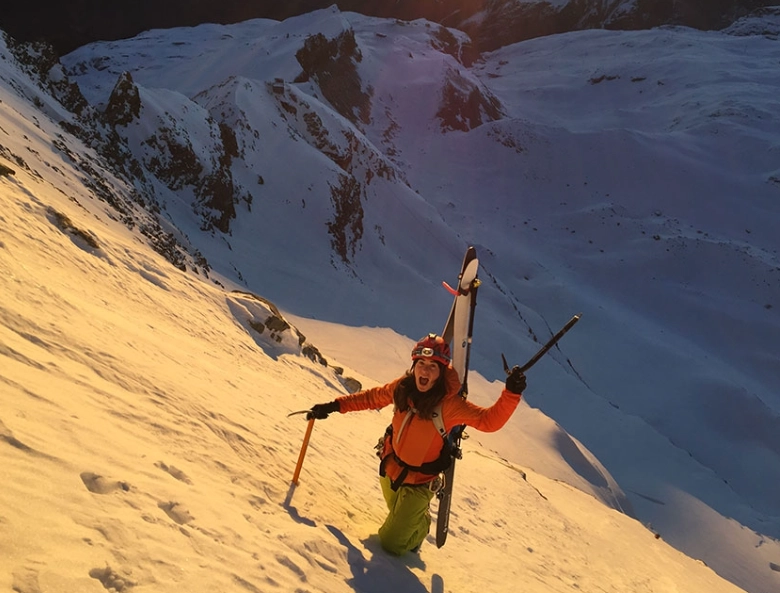
Planning Your First Classic Route Trip
So you're inspired. How do you make it happen?
Skill First: Be honest. Can you confidently ski variable off-piste snow (crust, heavy powder, breakable crust) with a 10kg pack on your back? Can you skin uphill for 4-6 hours a day, multiple days in a row? If not, build fitness and skills on day tours first.
Pick the Right Objective: Don't start with the Haute Route. The Sella Ronda or a 2-day tour like the Grand St-Bernard are perfect first classics. Success builds confidence.
Book Huts Early: Mountain huts on popular routes like the Haute Route book out months in advance. For the Swiss Alpine Club huts, you can book online. Don't assume you'll get a space.
Consider a Guide: Seriously. For your first multi-day trip, a certified UIAGM/IFMGA guide is worth every penny. They handle route-finding, hazard assessment, and hut logistics, letting you focus on learning and enjoying the experience. It accelerates your learning curve dramatically.
Your Ski Mountaineering Questions Answered
Related Articles

Comments
Join the discussion