You're skinning up a pristine slope, the only tracks are yours. The snow looks perfect. Then you hear it—a deep, hollow whumph under your skis. Your stomach drops. That's the sound of a weak layer collapsing, the prelude to a potential disaster avalanche. This isn't a movie scene; it's a reality check for anyone venturing into uncontrolled terrain. Most avalanche education focuses on avoidance, and for good reason. But what about the moment avoidance fails? This guide digs into the gritty, often unspoken details of avalanche science, the critical mistakes that turn near-misses into tragedies, and the survival protocols that go beyond the basic checklist.
What You'll Learn
The Science Behind the Slab: It's Not Just Snow Falling
Calling it "falling snow" is like calling a tornado "wind." A disaster avalanche, specifically a slab avalanche, is a structural failure. Think of a multi-layered cake where one creamy layer turns to ball bearings. A cohesive slab of snow (the cake top) sits on a weak layer (the creamy failure layer). When the shear stress exceeds the strength of that weak layer—triggered by a skier, new snow, or wind—the entire slab fractures and slides.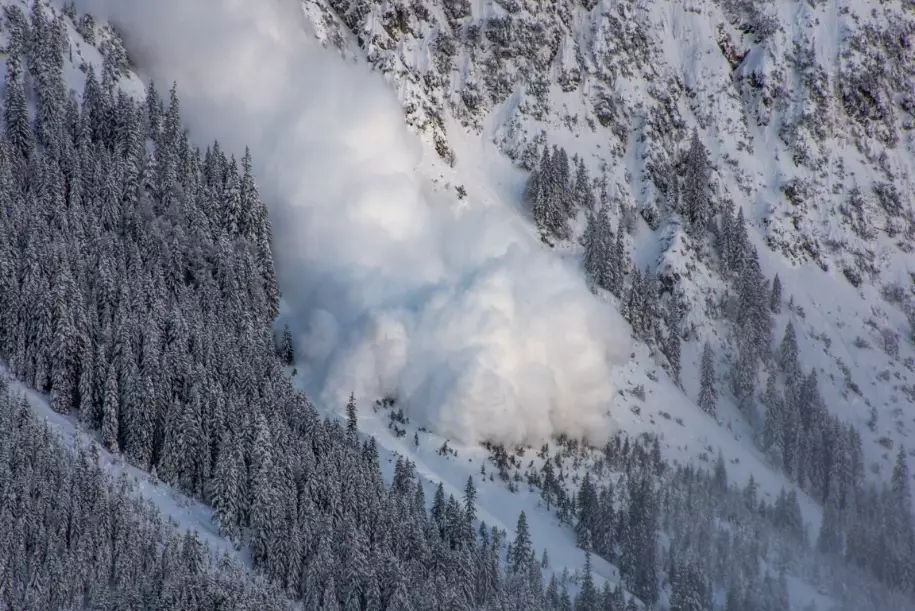
The terrain is the launchpad. Most fatal avalanches occur on slopes between 30 and 45 degrees. That's the sweet spot where snow can accumulate but is steep enough to slide. But here's the nuance everyone forgets: the convex rolls. Those smooth, rounded areas at the top of a slope are massive tension points. The snow is stretched thin there, like the top of a drum, making it the most likely fracture point. I've seen more trigger points on convexities than anywhere else.
Warning Signs Most Skiers Miss (Until It's Too Late)
We all know to check the avalanche forecast (and you absolutely should, using resources like the Colorado Avalanche Information Center or Avalanche Canada). But forecasts cover broad regions. Your slope is unique. The signs are there if you know how to look.
Beyond the Obvious Crack
Yes, a propagating crack is a "get off now" signal. But before that, listen and feel.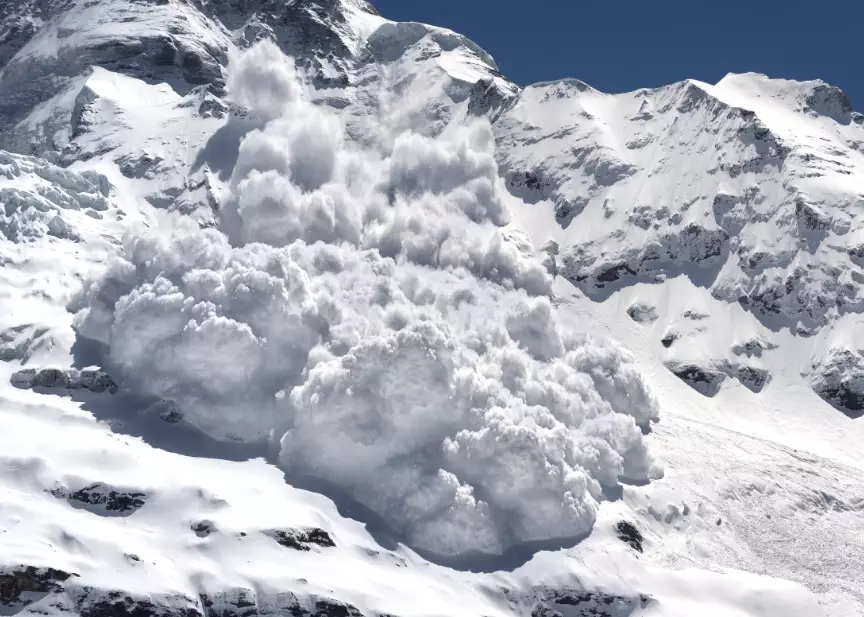
The Whumph: That collapsing sound. It means the weak layer is failing. It might not slide right then, but it's telling you the structure is unstable. Treat it as a red light.
Recent Wind Loading: Snow transported by wind forms dense, cohesive slabs. Look for rounded, pillow-like shapes on the lee side (downwind side) of ridges and passes. That's loaded terrain. A common error is seeing soft, blown-in snow and thinking it's safe powder. It's often the opposite.
Shooting Cracks: Not just big ones. If your ski pole or the tip of your ski causes a crack that shoots out a foot or two, you're on a tensioned slab. It's testing the strength of that weak layer with every step.
If It Goes Wrong: The 30-Second Survival Protocol
This is the part no one wants to practice but everyone must know. Your actions in the first half-minute determine everything.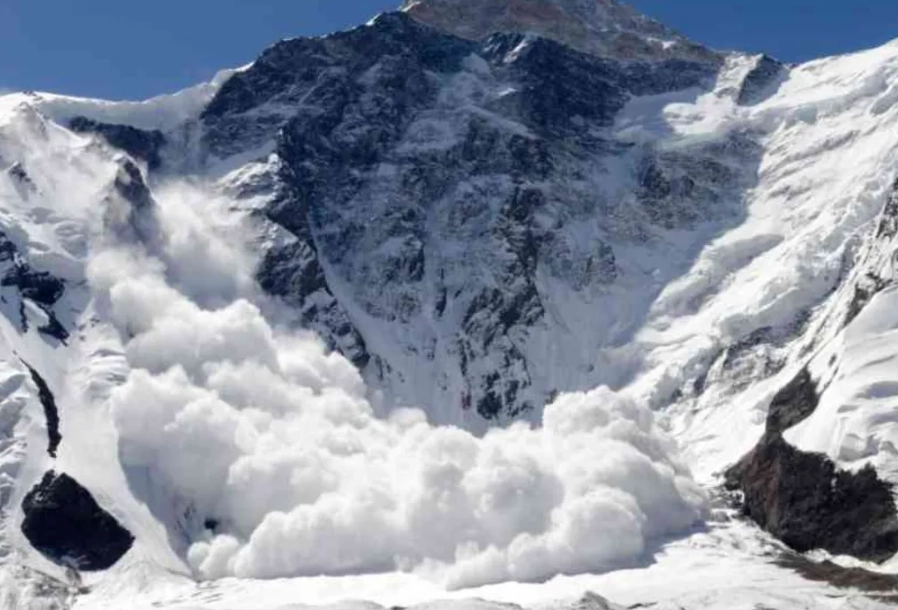
- Yell "AVALANCHE!" Alert your partners. This seems basic, but in the shock, people freeze.
- Fight to Stay on Top. This is where the mistake happens. Your instinct is to try to ski or board away. Don't. You cannot outrun it. Use swimming motions, backstroke motions—anything to keep your body at the surface. If you're on your feet, try to "run" toward the side or out of the moving snow, but your primary focus is staying up.
- Ditch Your Gear. Let go of your ski poles. If you can, release your skis/snowboard. They act as anchors, pulling your legs down. Get your heavy backpack off. The goal is to become lighter, to become a "human cork."
- Deploy Your Airbag. If you have an avalanche airbag system, pull the handle. Now. This increases your volume, aiding flotation. It's not a magic force field, but statistics show it dramatically increases survival odds.
- As the Snow Slows: Create an Air Pocket. Bring one arm in front of your face, elbow out, as the snow sets. This creates a crucial air space before the snow solidifies like concrete.
The moment the snow stops, you are encased. You cannot dig yourself out. Your survival now depends on your partners and your gear.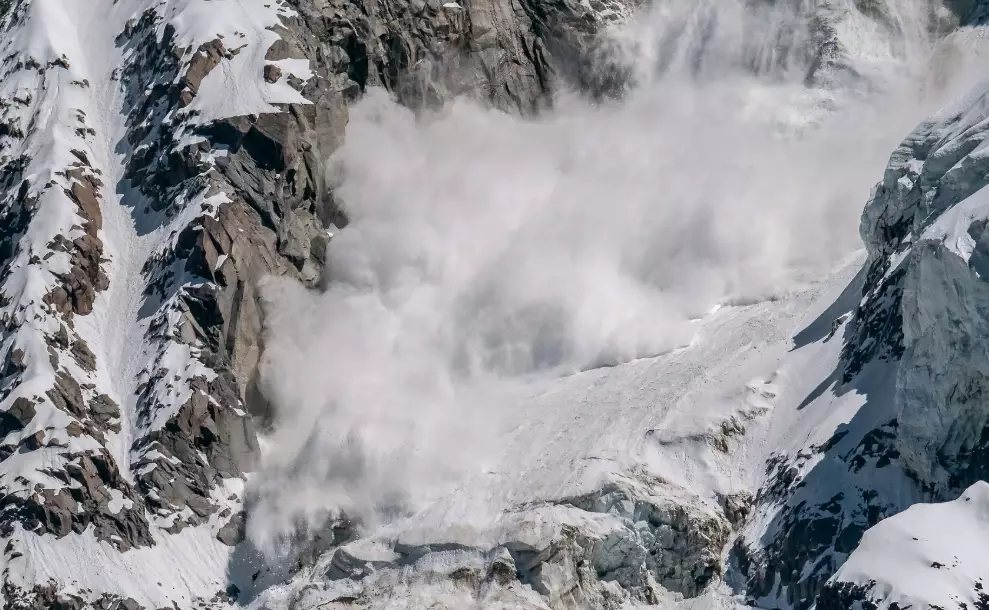
Gear Deep Dive: What Actually Works in a Burial
You need the big three: transceiver (beacon), probe, and shovel. But not all gear is created equal, and how you use it matters more than the brand.
| Gear Piece | Critical Feature Most Overlook | Real-World Implication |
|---|---|---|
| Avalanche Transceiver | Three-antenna design vs. two-antenna. | In a complex, multiple-burial scenario, a three-antenna beacon (like those from BCA or Arva) gives clearer direction and distance signals, reducing crucial search time. A two-antenna beacon can get confused. |
| Probe | Length and stiffness. | A 300cm+ probe is non-negotiable in deep snow climates. A wobbly probe is hard to push deep. Aluminum alloy probes offer a good stiffness-to-weight ratio. |
| Shovel | Metal blade and extendable handle. | Plastic blades can break on hard, set avalanche debris. A metal blade with a reinforced tip is essential. An extendable D-grip handle gives you serious digging leverage when you're exhausted and panicked. |
| Avalanche Airbag | Deployment mechanism (canister vs. electric fan). | Canister systems (like ABS) are reliable but require airline checks and refills. Electric fan systems (like Black Diamond's Jetforce) allow for multiple test deployments but rely on battery charge. Know the trade-offs. |
Here's the hard truth I've learned from talking to rescuers: Most people's beacons are improperly configured. They take it out of the box, maybe do one practice, and forget it. Your beacon must be in send mode the moment you leave the trailhead. Not in your backpack, but on your body, under no more than one layer. Practice switching to search mode with gloves on, in the cold, under time pressure. Do this monthly.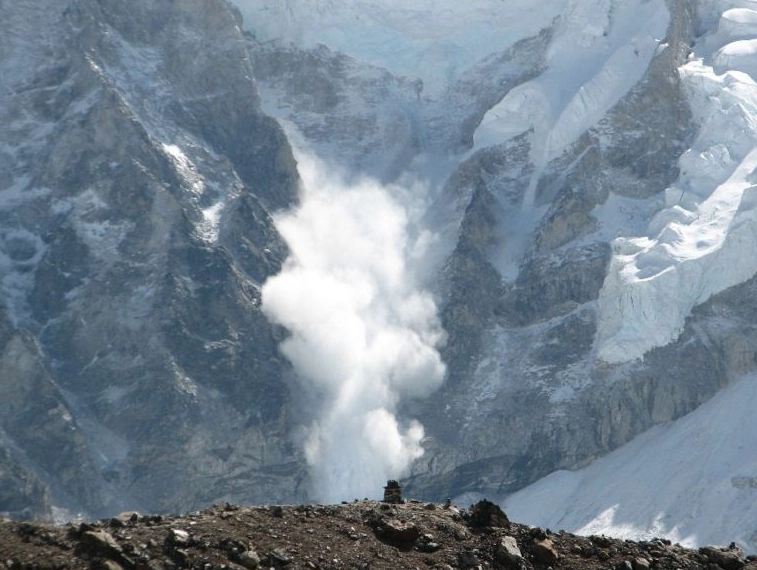
The Mental Game: Training Your Brain for the Worst Day
Knowledge and gear are useless without the right mindset. Human factors—heuristic traps—kill more experienced skiers than newcomers.
Familiarity: "I've skied this line a dozen times." The snowpack hasn't.
Social Proof: "There are tracks on it, so it must be safe." Those could be from someone clueless or from when conditions were different.
Expert Halo: Deferring to the most "experienced" person in the group without independent assessment.
Summit Fever: The desperate desire to get to the top or finish the run, overriding clear danger signs.
How do you fight this? Implement a formal pre-trip planning and group check-in. Before you even drive to the trailhead, agree on a conservative turnaround time and specific danger signs that will make you abort. In the field, designate a rotating "devil's advocate" whose job is to question decisions. It feels awkward at first, but it saves lives.
Finally, practice rescue scenarios until they are muscle memory. Not just finding a buried beacon in a flat field. Practice with multiple beacons, under time pressure, with your actual partners. The stress and confusion of a real event are unimaginable. The only thing that cuts through that panic is drilled-in repetition.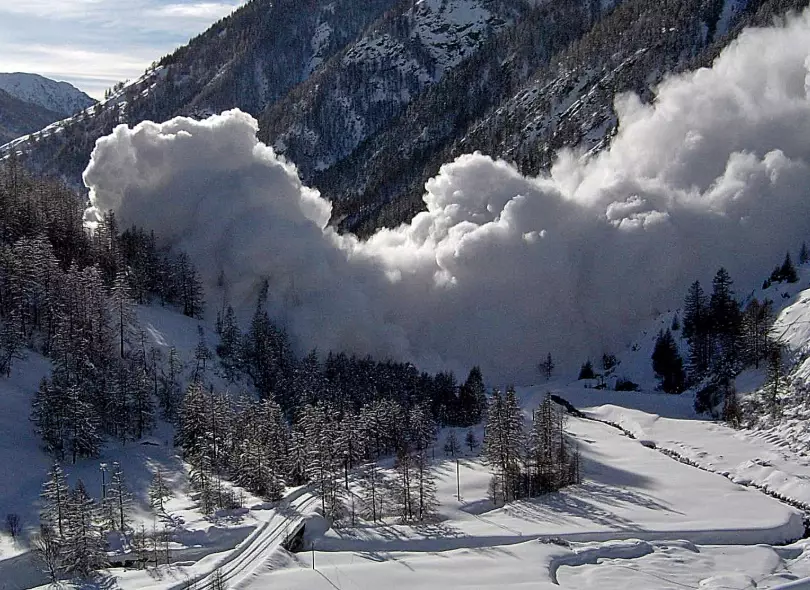
Your Avalanche Questions Answered
While backcountry skiing, what are some easily overlooked avalanche warning signs beyond the official forecast?
If caught in an avalanche, what's the single most critical mistake people make in the first 3 seconds?
How effective is shouting or making noise if you're buried in an avalanche?
Are avalanche airbags worth the high cost and extra weight for occasional backcountry trips?
The mountains don't care about your experience, your fitness, or your plans. A disaster avalanche is a brutal, physics-driven event. Respect comes from understanding the mechanics, honing your observation skills, carrying and knowing how to use the right tools, and most importantly, cultivating the humility to turn around when the signs—even the subtle ones—tell you to. The best line you'll ever ski is the one you live to tell about.
Related Articles


Comments
Join the discussion