Let's clear something up right away. If you're searching for "noaa mt baker ski area," you're not just looking for a weather report. You're hunting for the key to unlocking one of the most legendary ski experiences in North America. You know Mt. Baker holds the world record for seasonal snowfall. You've heard the stories of bottomless powder. But you also know the Pacific Northwest weather is a fickle beast. That search term tells me you're a planner. You want the hard data—the NOAA forecasts—to time your pilgrimage perfectly. This guide is for you.
I've been skiing Baker for over a decade. I've been skunked with rain at the base and blessed with three feet of blower powder on the same weekend. The difference between those trips? Knowing how to read the landscape and the data. Forget the glossy brochure stuff. This is about how to actually ski Mt. Baker successfully.
What’s Inside This Mt. Baker Guide
Understanding the Beast: Geography & The Snow Machine
Mt. Baker isn't just a mountain; it's a 10,781-foot volcano that acts like a giant comb, raking moisture straight from the Pacific Ocean. This is why it gets an average of over 600 inches of snow a year. The ski area is split into two base areas: Heather Meadows (main base) and White Salmon (typically open Friday-Sunday + holidays). They're only a mile apart but can feel worlds different in a storm.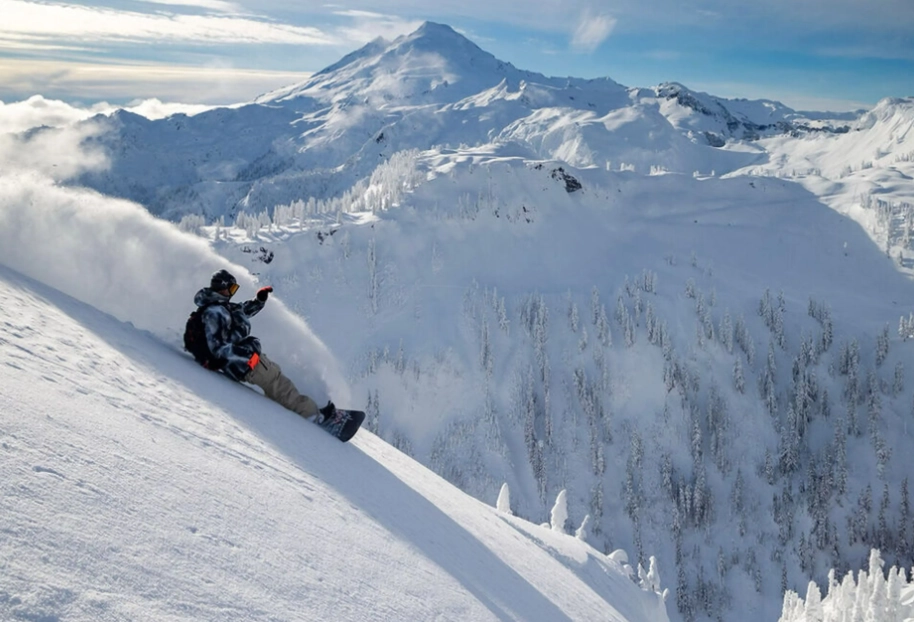
The most critical concept for any Baker skier is the freezing level. Storms barrel in from the southwest. If the freezing level is at 5,000 feet, it's snowing up top but raining at the 3,500-foot base lodge. This is the classic Baker heartbreak. Conversely, when an Arctic outflow event pushes cold air from Canada, the freezing level plummets, and the entire mountain turns into a deep-freeze powder paradise. Your entire trip hinges on this number.
Quick Facts at a Glance
Address: Mt. Baker Ski Area, 10459 Mt. Baker Hwy, Deming, WA 98244. It's about a 2.5-hour drive from Seattle, depending on mountain weather.
Season: Typically late November through April, but it's snow-dependent. They've been known to run lifts into July on the glacier!
Lift Hours: 9:00 AM to 3:30 PM (subject to change, always check the website). Night skiing? Not here. This is a pure, daytime skiing sanctuary.
Vertical Drop: 1,500 feet from Heather Meadows, but terrain feels much bigger due to ridge hikes and the sprawling landscape.
Your NOAA Weather Decoder Ring for Mt. Baker
This is why you're here. The National Oceanic and Atmospheric Administration (NOAA) is your most reliable source for understanding the complex weather patterns hitting the mountain. Don't just look at the generic "Mt. Baker" forecast.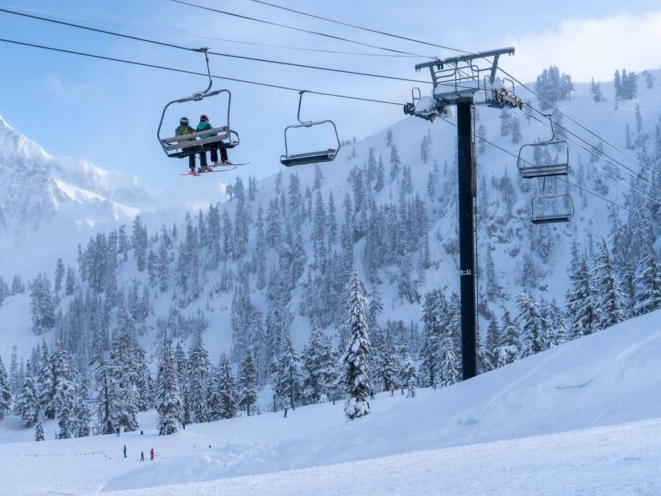
Here’s the pro move: Use the NOAA Point Forecast for the specific ski area location. You can find this by searching for "NOAA Mt Baker Ski Area" or using coordinates. This forecast model accounts for elevation and local topography better than a generic app. Focus on three elements:
- Precipitation Type & Amount: Will it be snow or rain? Look for the snow level forecast. Also, check the "water equivalent"—1 inch of water equals about 10 inches of fluffy snow or 5 inches of heavy cement.
- Wind Speed & Direction: Strong west or northwest winds? That means the legendary Chair 8 (exposing you to the elements) might be on wind hold, and wind-loaded stashes will form on easterly aspects.
- Temperature Trends: Is it warming or cooling during/after the storm? A warming trend after a dump can create stability in the snowpack (good), while a rapid cool-down can create surface hoar and persistent weak layers (bad for backcountry).
Cross-reference this with the ski area's own snow report and webcams. The cams are priceless. Seeing is believing. If NOAA says it's snowing but the Pan Dome cam shows fog, you know visibility will be the challenge of the day.
The Big Mistake Most Skiers Make
They see a forecast for 20 inches of snow and book immediately. They don't check the freezing level trend. That 20 inches could be falling with a freezing level at 7,000 feet, meaning it's pure rain for the first 4,000 vertical feet of the mountain. The snow you ski might only be the top 6 inches that fell as the cold front finally arrived. Always, always plot the freezing level through the entire storm cycle.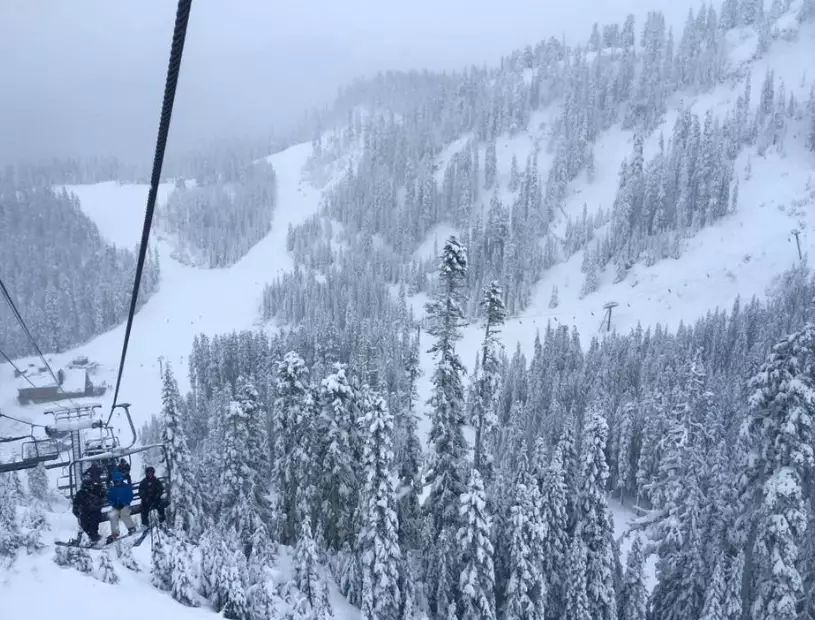
Planning Your Attack: A Realistic Trip Itinerary
Based on a typical 2-day weekend warrior trip from Seattle. This assumes you've scored a decent weather window.
Friday Night: Drive up after work. This is a commitment. The last 45 minutes on Mt. Baker Highway are dark, winding, and can be icy. Have good tires. Your lodging options are in Glacier (closest town, 30 mins from resort) or Bellingham (more amenities, 1+ hour away). I prefer Glacier to maximize morning ski time. Check into your cabin, prep your gear, and hit the sack.
Saturday: Up by 6:30 AM. Check the NOAA point forecast one last time and the Mt. Baker snow report cam. Goal: Be in the Heather Meadows parking lot by 8:15 AM. The lot fills up on powder days. By 8:45, you're in line for Chair 1 or Chair 8. Morning strategy: Follow the sun (or the storm). If it's a bluebird day after a storm, head to Pan Dome and the Shuksan Arm for corn snow later. If it's still snowing, lap the protected trees off Chair 1. Take an early lunch (11:30) to beat the rush. The lodges are cozy but not huge.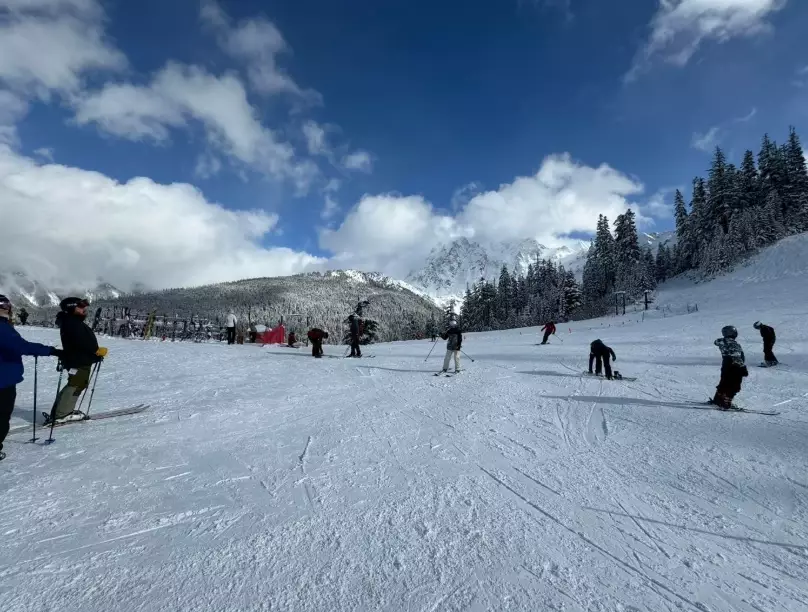
Sunday: Repeat, but maybe explore the White Salmon side if it's open. The terrain there is steeper, more direct, and holds powder longer. Start heading back to Seattle by 2:00 PM to avoid the worst of the return traffic. Trust me on this.
On-the-Mountain Knowledge: Terrain, Tickets & Logistics
Mt. Baker is not Vail. It's proudly, stubbornly, old-school. The focus is on skiing, not real estate.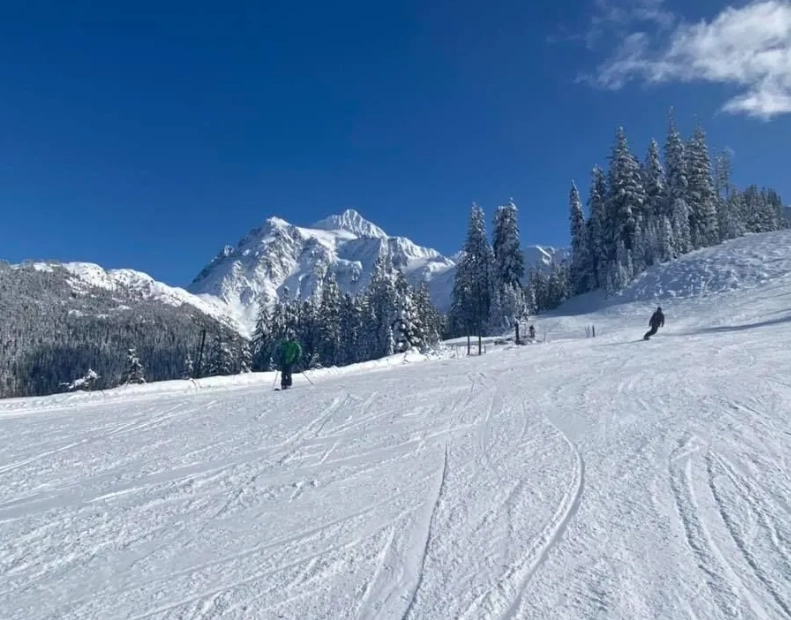
| Lift Ticket Type | 2024-25 Adult Price (Approx.) | Notes |
|---|---|---|
| Single Day Window | $95 - $105 | Price varies by date. Holiday periods are peak. |
| Multi-Day Pass | Check website | Often a better deal for 2+ days. Limited availability. |
| Season Pass | ~$1100 | A cult classic. Great value if you ski 15+ days. |
Terrain Breakdown:
- Beginner (15%): Concentrated at White Salmon base. The Green runs off Chair 5 are perfect for learning.
- Intermediate (35%): Plenty of glorious cruisers. Blue runs like "Panorama" and "Canyon" are wide, fun, and offer stunning views.
- Expert/Advanced (50%): This is the soul of Baker. The chutes off the Arm, the gullies of Gabl's, the entire expanse around Chair 8. It's steep, often technical, and requires good visibility and snow conditions. Don't underestimate it.
A non-negotiable piece of advice: If you plan to go out-of-bounds (even just a few feet past the rope), you must have a beacon, shovel, probe, and the knowledge to use them. The backcountry here is serious and avalanche terrain starts right at the boundary. The Northwest Avalanche Center (NWAC) forecast is your bible for this.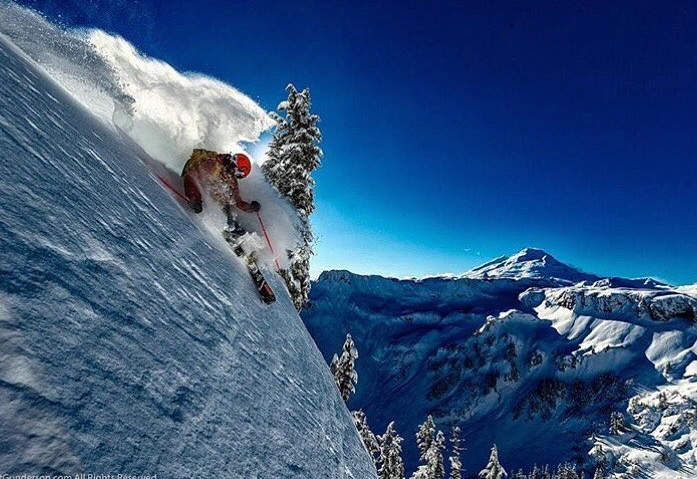
Where to Stay and Fuel Up
Again, think function over luxury.
Glacier (Recommended Base):
- Glacier Creek Lodge: Basic, clean motel rooms right on the highway. You're here to sleep.
- Various Vacation Rentals: Look on Airbnb/VRBO for cabins. Many have hot tubs, which are worth their weight in gold after a ski day.
- Eats: The Glacier Public House is the post-ski hub. Expect a wait, but the burgers and local beers hit the spot. Wake N' Bakery is your go-to for a massive breakfast burrito and coffee to go.
Bellingham (More Options):
A longer commute, but you get hotels (Fairhaven Village Inn is nice), a huge range of restaurants, and breweries like Structures and Kulshan. Ideal if you want a more varied apres-ski scene.
On the mountain, the food is standard ski lodge fare—burgers, fries, chili. It's fine. Many seasoned Baker skiers pack a lunch to save time and money.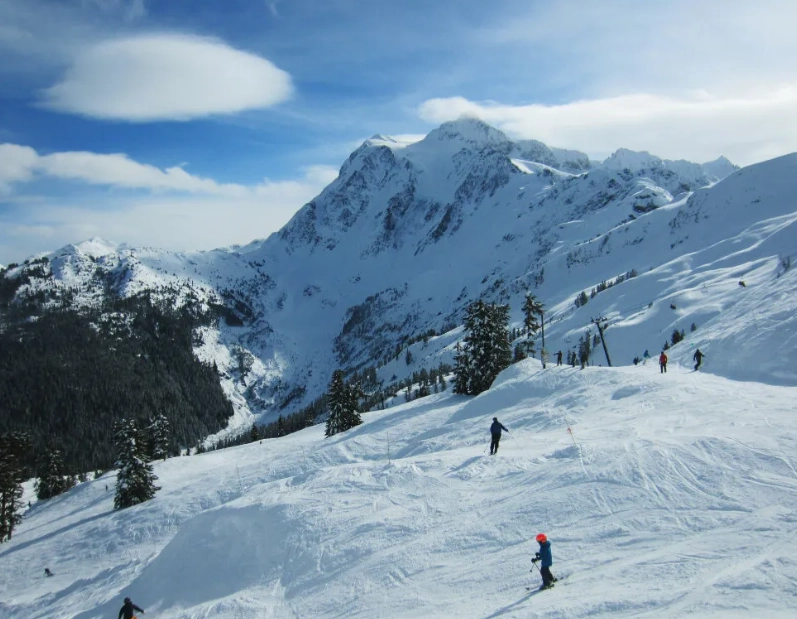
Your Mt. Baker Questions, Answered
How accurate is the NOAA forecast for Mt. Baker compared to other apps?
For Mt. Baker's unique microclimate, the NOAA forecast is often the gold standard, especially for upper mountain conditions. While apps like OpenSnow are fantastic for ski-specific data, they often source their core models from NOAA. The key is to use NOAA's detailed point forecast for the specific Mt. Baker Ski Area location code. I've seen days where generic mountain forecasts predicted sun, but NOAA's finer-scale model correctly called for afternoon snow squalls. Always cross-reference with the ski area's own snow report cams for the final reality check.
What's the best time to ski Mt. Baker for deep powder and avoid rain?
Aim for the core winter window from late December through February. This period offers the highest probability of cold, dry inland powder. The classic mistake is coming in November or March, lured by the season's big snowfall totals. Those months see more frequent atmospheric rivers, which can mean heavy snow at the summit but often rain at the base lodge. Check the NOAA forecast for the freezing level. If it's above 4000 feet, you might be in for a wet day at Heather Meadows. A solid rule is to look for forecasted freezing levels consistently below 3000 feet for all-mountain powder.
Is Mt. Baker suitable for beginner skiers and families?
Yes, but with major caveats. The White Salmon base area has excellent beginner terrain. However, Mt. Baker's reputation for extreme terrain and weather can intimidate newcomers. It's not a resort with a sprawling, gentle base area. The learning area is good but limited. For families, the lack of on-mountain lodging and limited amenities (think rustic, not luxurious) means you need to be self-sufficient. It's perfect for adventurous beginners ready to embrace a no-frills, pure skiing culture, but families expecting a wide range of easy cruisers and apres-ski activities might find it challenging.
How do I use NOAA data to assess avalanche risk at Mt. Baker?
NOAA provides critical inputs, but it's not a substitute for the NWAC (Northwest Avalanche Center) forecast. Use NOAA to understand the weather *creating* the avalanche problem. Look at the forecast for precipitation amounts (water equivalent), wind speed/direction, and temperature trends during and after a storm. A NOAA forecast predicting 2 inches of water equivalent as snow with strong W/NW winds tells you a specific wind slab problem is likely forming on easterly aspects. Always, always combine this with the daily NWAC forecast for the Mt. Baker zone, which interprets this data into a specific avalanche danger rating and problem description. Never go into the backcountry without consulting NWAC directly.
So there it is. Mt. Baker isn't just a place you ski; it's a mountain you learn to read. It demands respect for its weather, its terrain, and its simple ethos. Your search for "noaa mt baker ski area" was the first step in that education. Now you have the data, the realistic expectations, and the insider track. Watch that freezing level, pack your patience for the drive, and get ready. When the stars align and the NOAA forecast delivers, you'll understand why this place is a legend.
Related Articles

Comments
Join the discussion