Let's cut to the chase. If you're reading this, you're not just looking for another ski trail description. You're trying to figure out if you have what it takes for Corbet's Couloir. I've watched from the tram for over a decade, seen the confident drops and the last-second bailouts. I've skied it in perfect powder and scraped down its icy guts. This isn't just about geography; it's about psychology, preparation, and a very specific kind of madness. Nestled off the summit of Rendezvous Mountain at Jackson Hole Mountain Resort in Wyoming, Corbet's isn't the steepest run forever, but its legendary entrance—a committing 10 to 20-foot drop (depending on snowpack) into a narrow, rocky chute—makes it North America's most infamous ski challenge. It's a double black diamond that functions as a cultural litmus test for expert skiers.
Your Corbet's Couloir Jump-Off Point
The Legend and The Logistics
The story goes that in the 1960s, ski mountaineer Barry Corbet looked into this rocky cleft and remarked, "Someday, someone will ski that." The name stuck, and the dare was born. First descended in 1967, it's been a benchmark ever since. But before you get starry-eyed, you need the practical details.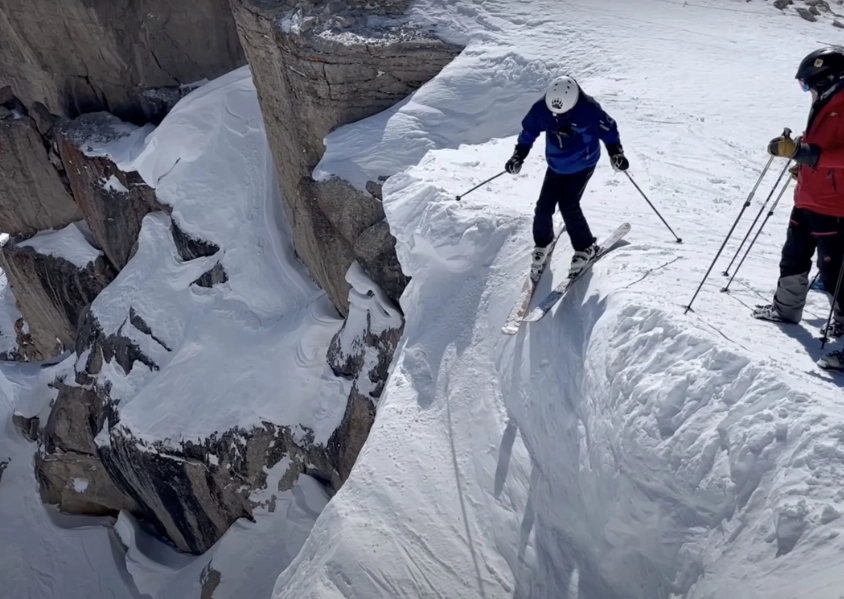
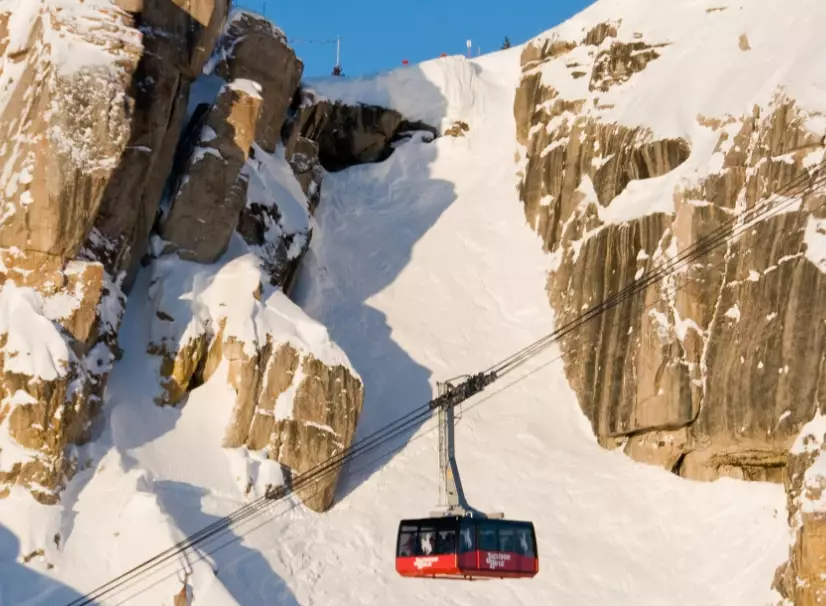
Getting There: You fly into Jackson Hole Airport (JAC), the only commercial airport inside a national park. A 30-minute drive gets you to Teton Village, the base of Jackson Hole Mountain Resort. From the village, you take the iconic Aerial Tram to the 10,450-foot summit. The ride takes about 12 minutes, offering ample time for your stomach to do somersaults as you stare at the notch from above.
When to Go: Timing is everything. Early season (late December to January) is a gamble—the couloir might not be filled in enough, exposing more rocks. The sweet spot is typically February through March. The snowpack is usually deepest, and the infamous "entrance roll" is more defined, offering a slightly (and I mean slightly) more predictable launch. Spring corn snow (April) can be an option for a different, smoother experience, but the runout can get slushy.
Key Intel: Jackson Hole Mountain Resort operates daily from late November to early April, weather permitting. Tram hours are usually 9 am to 4 pm. A single-day lift ticket will run you around $200-$220 at the window (book online in advance for deals). Check the Jackson Hole official website for the most current snow report, tram status, and trail openings. Corbet's is only open when patrol deems it safe—it's not a given every day.
Your Corbet's Pre-Flight Checklist
Thinking about just pointing your all-mountain skis and sending it? That's a fast track to a bad day. Here’s what you actually need.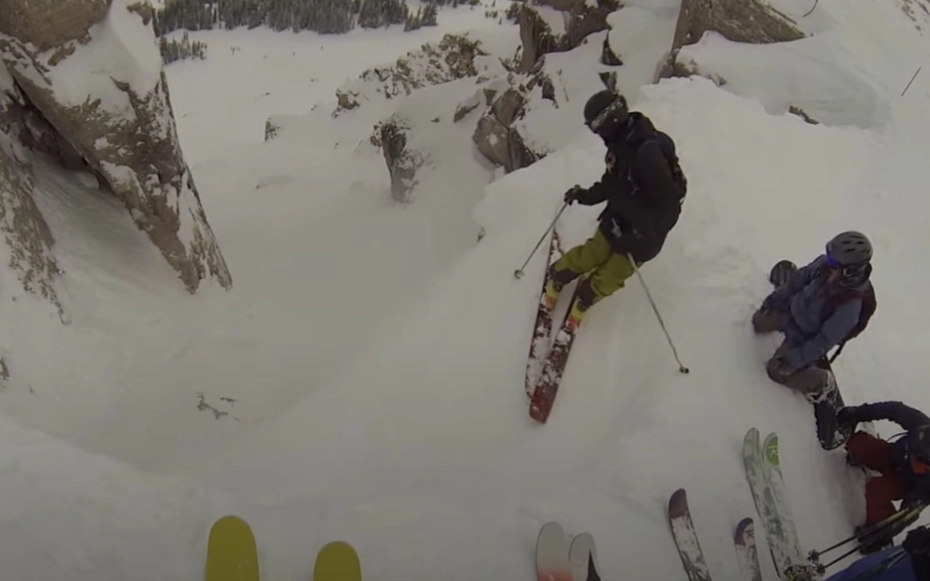
Skill Level: No Faking It
If you have to ask if you're ready, you're not. This isn't a run to "step up" to. You should be utterly comfortable in all conditions on any other double black at Jackson Hole—think the Alta Chutes or the Hobacks in variable snow. You need expert-level short-turn technique on 40+ degree pitches and the ability to make precise, powerful turns in a confined space with no room for error.
| Skier Profile | Ready for Corbet's? | What to Work On First |
|---|---|---|
| The Weekend Warrior: Skis blacks comfortably out West. | No. | Build mileage on steep, bumped-up runs. Learn to jump turn confidently. |
| The Aggressive Expert: Seeks out steep chutes, trees, and big mountain lines regularly. | Maybe. Depends on air comfort. | Practice controlled drops off cornices or side hits (5-10 feet). |
| The Former Racer/Guide: Has muscle memory for precise edge control under pressure. | Likely. The mindset is key. | Scout the entrance obsessively. Talk to patrol. |
Gear That Won't Fail You
Your gear is your partner here. A common mistake is using skis that are too soft or too long. You need:
- Ski Type: A stiff, directional big-mountain or freeride ski, 100-115mm underfoot. You need power and dampness, not playfulness. Think Nordica Enforcer, Blizzard Cochise, or Moment Deathwish. Length should be your chin-to-forehead height for better maneuverability in the couloir.
- Bindings: Set to a proper DIN. This is not the time for a conservative setting. Have a shop check them.
- Boots: Properly fitted, stiff (130+ flex), and forward-leaning. You must be able to drive the shovels aggressively.
- Helmet & Back Protector: Non-negotiable. The rocks are unforgiving. Consider a back protector part of your required kit.
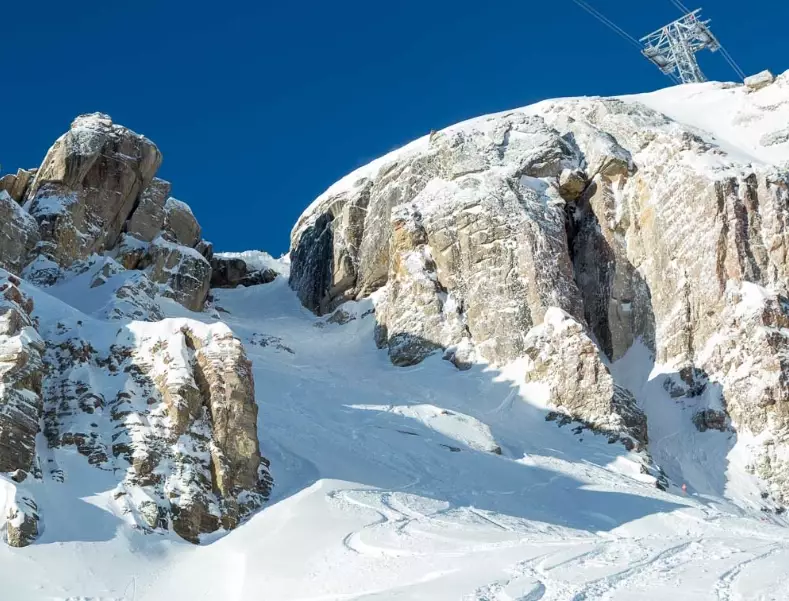
The Descent: A Turn-by-Turn Breakdown
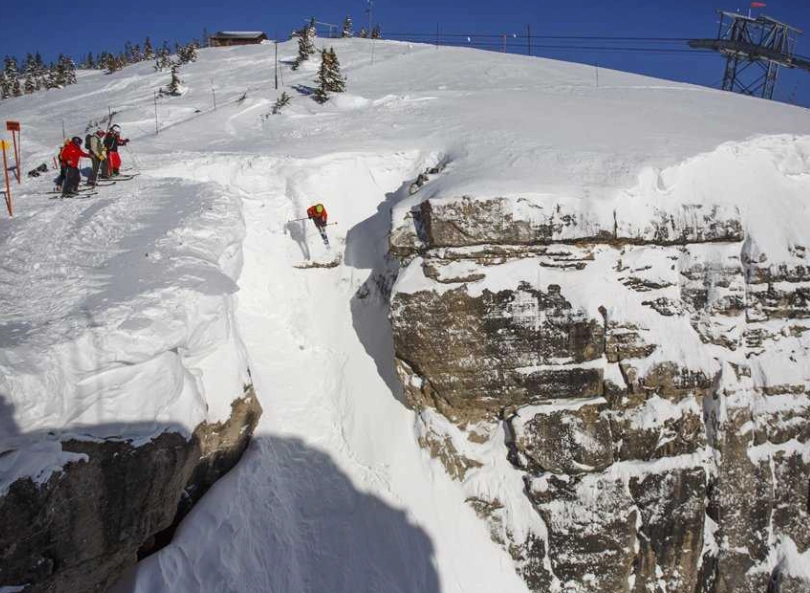
Let's walk through it. From the tram dock, traverse skier's right along the ridge for about 50 yards. You'll see the crowd, the cameras, and the hole in the ground.
The Entrance: The Mental Crux
You peer over. The "roll" is deceptive. It's not a cliff you can huck. It's a steep, convex slope that falls away beneath you. You must jump out, not down. The goal is to clear the rocky lip and land on the steep slope below, already in control. The most common error? Leaning back in panic. You must commit your weight forward as you launch, skis aimed down the fall line. The snow condition here dictates everything. Is it soft chalk? Icy windboard? Scout this from the tram and by asking people who just came up.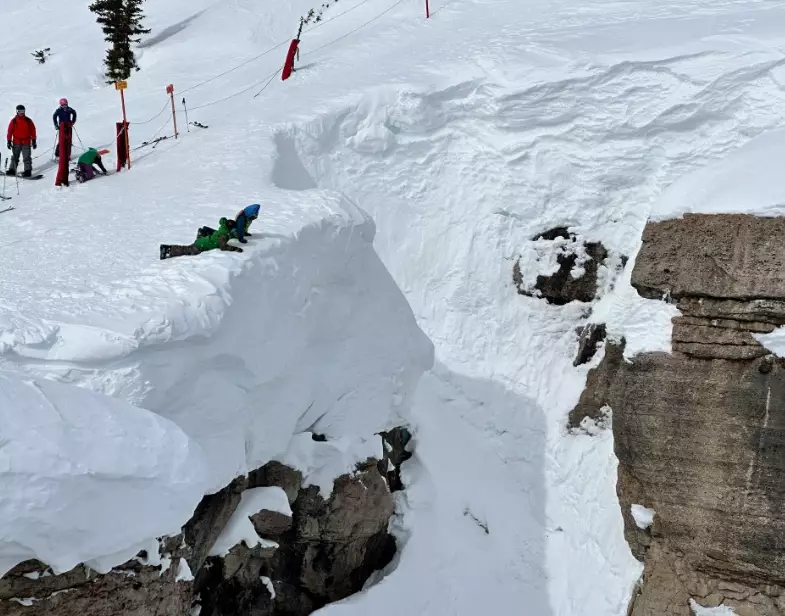
The Upper Chute: The Physical Test
You've stuck the landing. Now you're in a narrow, rocky hallway with a 50-degree pitch. You have maybe 2-3 turns before it widens slightly. This is where your short-radius jump turns are everything. Stay compact, drive your knees into the hill, and use your edges like axes. Don't try to skid or slide. The walls are close—a flailing arm can smack rock. Look at your landing, not at the rocks next to you.
The Lower Couloir and Runout
After the initial choke, it opens to a still-very-steep (45-degree) wider couloir. You can let the turns run a bit more here, but stay focused. The runout flattens into the Tensleep Bowl. This is where many people, adrenaline spent, make silly mistakes. Keep your legs under you until you're truly on flat ground. Then, and only then, can you let out the yell.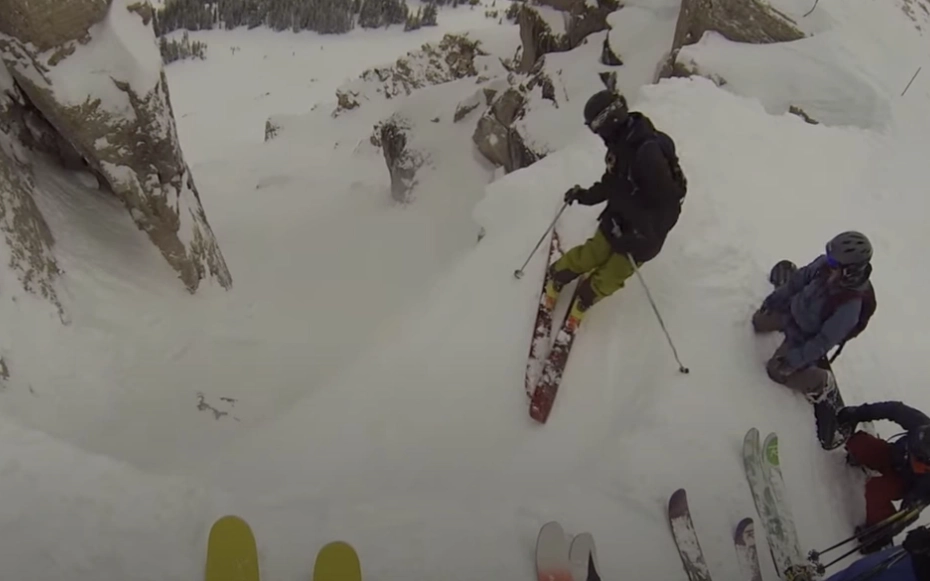
Safety and The Mental Game
The mountain doesn't care about your ego. Ski patrol's signs are there for a reason.
- Never Go Alone: Have a partner watching from above and another waiting at the bottom.
- Assess Continuously: If the entrance looks bony or icy beyond your skill, walk away. The couloir isn't going anywhere. I've walked away more times than I've dropped in. That's not cowardice; it's experience.
- Know the Bail-Out: To the skier's right of the main entrance, there's a slightly less committing, rocky slot often called "The Saddle." It's still hard, but it's an option if the main entrance looks terrifying. Some years it's skiable, some years it's not. Ask patrol.
- The Mindset: Visualize the entire line before you go. See yourself making each turn. The doubt creeps in when you're on the edge. Have a plan so solid that doubt has no room to speak.
Corbet's Couloir FAQ: Real Questions Answered
Related Articles

Comments
Join the discussion