Let's cut to the chase. When skiers talk about the "biggest" resorts, they're usually measuring one thing: skiable acreage. It's the ultimate bragging right. But a massive ski area isn't just about numbers on a map. It's about endless variety, the guarantee you won't ski the same run twice in a week, and the unique culture of the villages that connect it all.
I've spent over a decade chasing vertical feet across these giants, and I can tell you—the difference between number one and number ten isn't just a few hundred hectares. It's a completely different experience. This guide isn't just a list. It's your blueprint for understanding what makes each of these mega-resorts tick, who they're really for, and how to plan a trip that actually lets you conquer their scale without getting hopelessly lost or broke.
Your Quick Guide to the World's Biggest Ski Slopes
How We Measure "Biggest" (And Why It Matters)
This is where most articles get it wrong. They just parrot a number. But "total area" can be misleading. Does it include rocky outcrops, forests, and parking lots? The only metric that matters for a skier is lift-linked skiable terrain.
We're ranking based on consistently reported, lift-served skiable acreage or hectares. This is the terrain you can actually slide on with a valid lift ticket, connected by a network of lifts and slopes. Resorts like Les 3 Vallées in France often claim the top spot because their lift system seamlessly connects multiple valleys into one ticket.
A common mistake? Confusing a resort's name with a single village. Portes du Soleil isn't one place—it's 12. Picking the right base village within these vast networks is more critical than choosing the resort itself.
The Top 10 Biggest Ski Resorts: By the Numbers
Here’s the raw data. Think of this as the menu. The descriptions after will help you order.
| Rank & Resort | Country | Skiable Area | Key Metric (Vertical/Lifts) | Best For |
|---|---|---|---|---|
| 1. Les 3 Vallées | France | ~600 km linked piste (10500 acres+) | Largest linked system globally | Luxury, intermediates, endless cruising |
| 2. Ski Arlberg | Austria | ~305 km piste (8800 acres) | 305 km of marked runs, 200 km off-piste | Experts, off-piste, alpine charm |
| 3. 4 Vallées (Verbier) | Switzerland | ~412 km piste (8200 acres) | Highest altitude (3330m) | Challenging terrain, heli-skiing, party scene |
| 4. Paradiski | France | 425 km piste | Vanoise Express cable car link | Families, modern infrastructure |
| 5. SkiWelt Wilder Kaiser-Brixental | Austria | 284 km piste | Most modern lift network in Austria | Beginners, intermediates, efficient skiing |
| 6. Portes du Soleil | France/Switzerland | ~650 km total terrain | Spans two countries | Variety, border-hopping, relaxed vibe |
| 7. Park City Mountain | USA (Utah) | ~7,300 acres | Largest single resort in the U.S. | Convenience, park & pipe, après-ski town |
| 8. Grandvalira Resorts | Andorra | 210 km piste | Largest in Pyrenees | Value, long seasons, sunny skiing |
| 9. Whistler Blackcomb | Canada (BC) | 8,171 acres | Greatest vertical in N. America (1,609m) | Experts, powder, vibrant village life |
| 10. Dolomiti Superski | Italy | ~1,200 km piste (across 12 areas) | One pass, 12 interconnected areas | Scenic cruising, food, Sella Ronda circuit |
Resort Deep Dive: Terrain, Villages & The Real Vibe
The table gives you size. This section gives you soul. Here’s what you won’t find on the official trail map.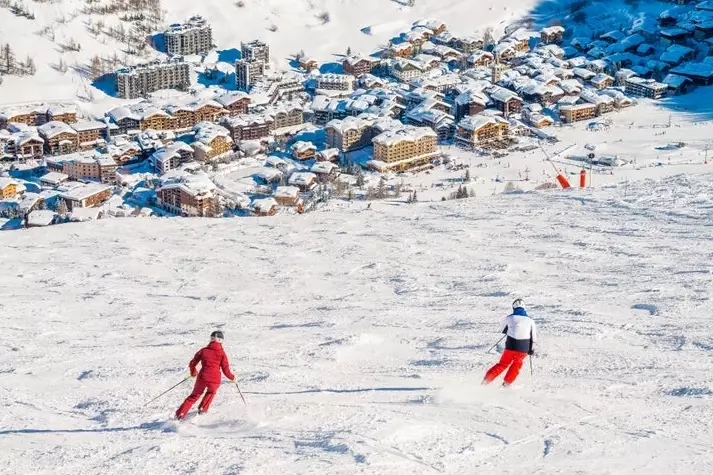
#1 Les 3 Vallées (France): The Undisputed King
Location: French Alps, near Moûtiers. Gateways: Geneva (2h), Lyon (2h).
The Terrain: It's not just big, it's impeccably groomed. Think endless, wide motorway blues and reds connecting Courchevel, Méribel, Val Thorens, and Les Menuires. The off-piste is legendary but often requires a guide. Val Thorens (Europe's highest resort) guarantees snow late into the season.
Village Choice is Everything:
Courchevel 1850: Luxury, Michelin stars, helicopter pads at hotels. A six-day lift pass here can cost over €350. Book through the Courchevel Tourism Office.
Méribel: Central, charming wooden chalets, great for families.
Val Thorens: High, snow-sure, youthful, and more affordable. The Val Thorens website has excellent last-minute deals.
My Take: It's flawless, but it can feel almost too perfect, like a ski-themed Disneyland for adults. If you crave rustic charm, look elsewhere.
#2 Ski Arlberg (Austria): The Expert's Playground
Location: Tyrol/Vorarlberg. Fly into Zurich (2h) or Innsbruck (1.5h).
The Terrain: This is where modern freeriding was born. The linked system between St. Anton, Lech, Zürs, and Warth-Schröcken is a maze of epic off-piste descents. The groomers are fantastic too, but the soul of Arlberg is in the deep snow between the runs.
Village Vibe:
St. Anton: World-famous, rowdy après-ski (The MooserWirt is an institution), a bit crowded.
Lech/Zürs: More exclusive, quieter, favored by royalty. Accommodation books out a year in advance.
Planning Tip: Don't even think about skiing the off-piste here without a guide or avalanche gear. The terrain is serious. Check the Tyrol Tourism site for certified guide services.
#9 Whistler Blackcomb (Canada): The Vertical Monster
Location: British Columbia, 2-hour drive from Vancouver (YVR).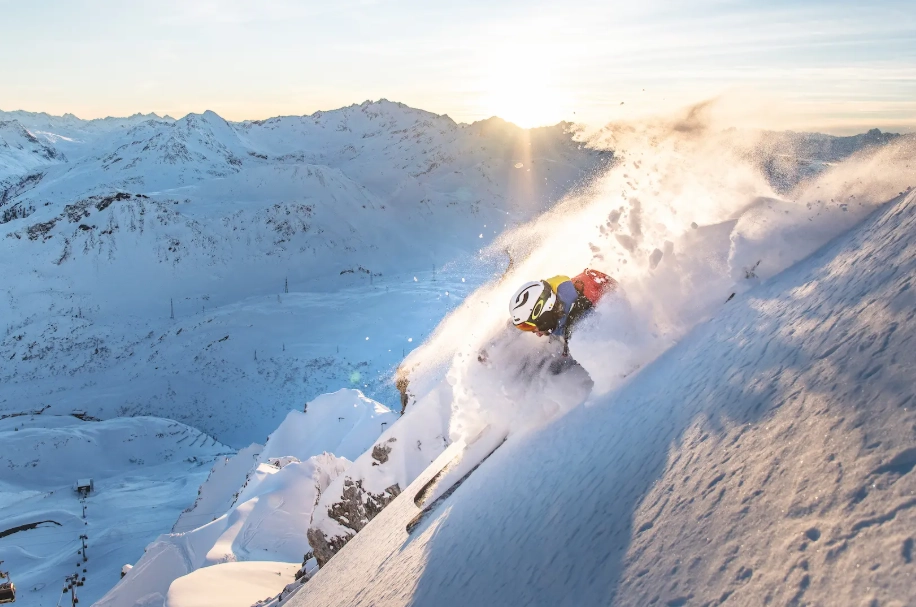
The Terrain: Two massive mountains with a staggering 1,609m vertical drop. Blackcomb is steeper, Whistler is more varied. The Peak 2 Peak Gondola is an engineering marvel that connects them. You get Pacific Northwest snow—often deep, sometimes wet.
The Village: It's a full-scale, car-free town at the base. Everything is walkable. The nightlife is the best in North America. Accommodation ranges from hostels to the Fairmont Chateau. Book lift passes early on the Whistler Blackcomb site for discounts.
Personal Note: The sheer scale can be intimidating for a week. I've seen intermediates spend two full days just figuring out how to get from one favorite zone to another. Get a trail map app.
See the pattern? Size dictates character. Portes du Soleil feels like a sprawling, friendly collection of villages. Park City is about sheer convenience—you can ski right into Main Street. Dolomiti Superski is about a cultural journey on skis, with a different rifugio serving incredible pasta every hour.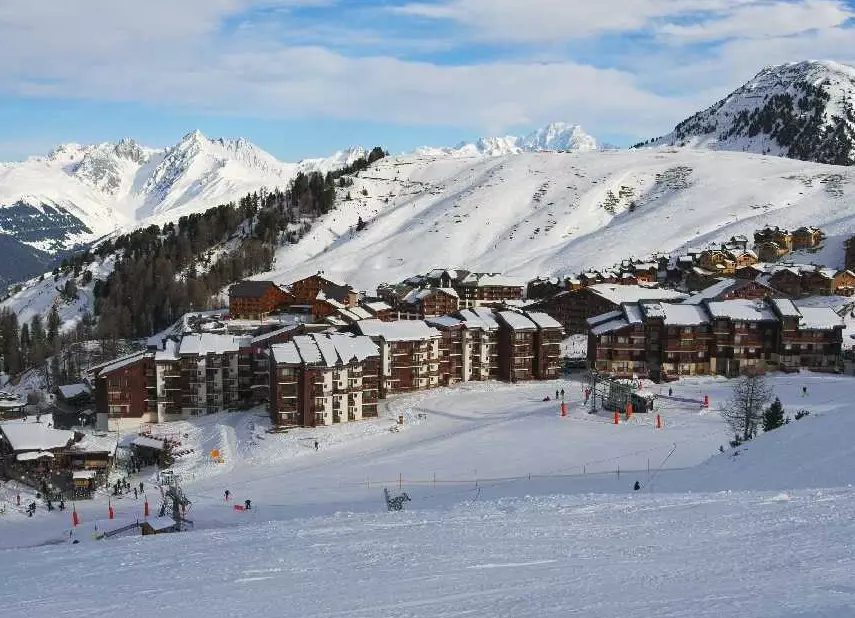
How to Plan a Trip to a Mega-Resort (Without the Stress)
Booking a trip to a resort with 200+ runs is different. Here’s a tactical approach.
1. Pick Your Base Village Strategically
Your village choice locks in your daily ski experience. Want to ski the famous Vallée Blanche off-piste route? Stay in Chamonix, not Les Houches. In the 3 Vallées, staying in Val Thorens means you'll rarely venture to Courchevel because it's a 90-minute ski/schlep.
2. Understand the Lift Pass System
Some mega-resorts (like Dolomiti Superski) offer one pass for all linked areas. Others (like many in the US) are on the Epic or Ikon Pass. Buying a multi-day pass online in advance often saves 20% or more. Always check what's included—does it cover local buses?
3. Book Ski School & Rentals Early
In large European resorts, English-speaking instructors at top schools get booked months ahead, especially for peak weeks (Christmas, February). Reserve your rentals online for better selection and prices. A good shop at the resort will have your gear ready.
4. Logistics: Getting There and Around
Most major European mega-resorts are best reached by train to a nearby town (like Moûtiers for the 3 Vallées), then a shuttle or taxi. Renting a car is often a hassle due to parking and snow chains. In North America, a car is more useful. Research airport transfers early.
Your Big Mountain Questions, Answered
Related Articles
Comments
Join the discussion