I remember my first time at a truly massive ski resort. I spent half the day just staring at the trail map, overwhelmed. I'd been to smaller hills where you could lap the same chair all day, but this was different. This was about getting lost (in a good way), about finding a new line every run, and about that satisfying exhaustion that comes from covering serious ground. If you're hunting for that feeling—the promise of endless exploration—you're in the right place. Let's talk about the biggest ski areas in the United States, not just by the numbers, but by what those numbers actually mean for your ski day.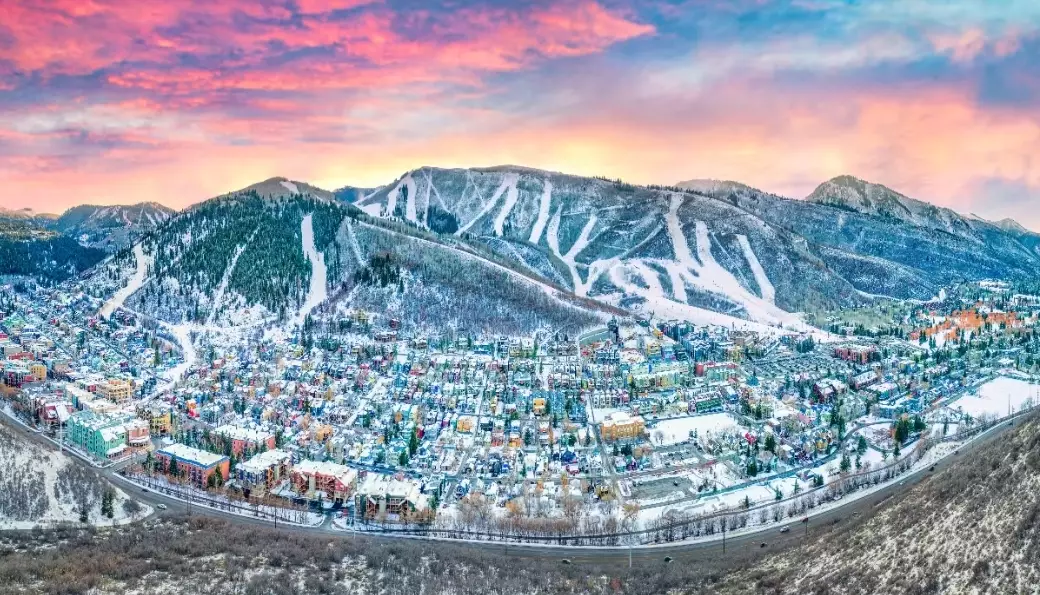
Forget just listing acreage. A huge resort with slow lifts or terrain all crammed into one area doesn't feel big. The magic happens when vast terrain meets smart lift infrastructure. We'll look at who tops the charts, but more importantly, we'll dig into who uses that space best for experts, families, and everyone in between.
Your Quick Guide to Massive US Skiing
What Makes a Ski Area "Big"? (It's Not Just Acres)
When resorts boast about being the biggest, they're almost always talking about skiable acreage. It's the standard metric, and it matters. It's the total land area where you're allowed to make turns. But as a skier who's visited most of these giants, I'll tell you the number alone can be misleading.
You need to consider the vertical drop. A resort with 5,000 acres spread over a 1,200-foot hill will feel very different from one with the same acreage over 3,500 feet. The longer the run, the more you get out of each lift ride. Then there's lift infrastructure. Ten slow double chairs servicing 5,000 acres means you'll spend more time in line and on the lift than actually skiing. Look for high-speed quads, six-packs, and gondolas that move people efficiently across the vast terrain.
Finally, think about terrain distribution. Does 70% of the acreage consist of gentle beginner slopes off one lift? Or is it a diverse mix of bowls, glades, chutes, and groomers spread across multiple peaks? The latter is what creates that sense of endless adventure.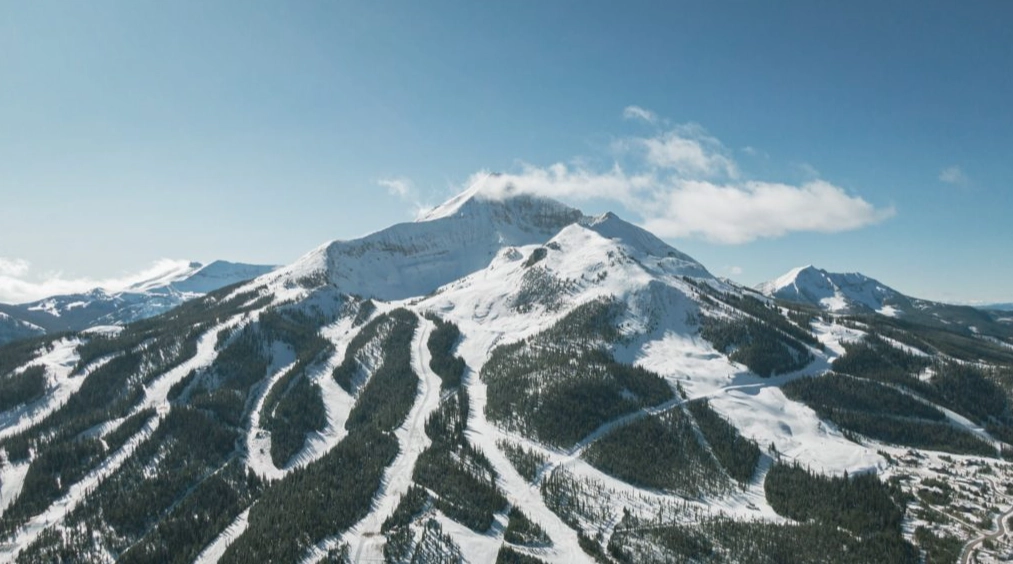
A quick note on data: Skiable acreage figures can vary slightly depending on the source (resort marketing vs. independent surveys). The numbers here are based on the most recent consistent reports from the resorts themselves and industry sources like the National Ski Areas Association (NSAA). They give us a reliable, comparable ranking.
The Top Contenders, Ranked by Skiable Acres
Alright, let's get to the list. This table breaks down the heavy hitters. Remember, acreage is the primary sorting factor, but I've included other critical stats that affect your experience.
| Resort & Location | Skiable Acres | Vertical Drop | Key Features & Vibe | Best For |
|---|---|---|---|---|
| 1. Park City Mountain Resort, Utah (Park City, UT) |
~7,300 acres | 3,200 ft | The result of merging Park City and Canyons. A behemoth with two distinct base areas, a massive intermediate playground, and the quirky Town Lift that drops you into historic Main Street. | Intermediate cruisers, apres-ski town access, families wanting variety. |
| 2. Big Sky Resort, Montana (Big Sky, MT) |
~5,850 acres | 4,350 ft | Raw, sprawling, and less crowded. Features Lone Peak, a legendary summit with extreme terrain accessed by a tram. Feels truly wild and untamed. | Expert skiers, solitude seekers, those who hate lift lines. |
| 3. Powder Mountain, Utah (Eden, UT) |
~8,464 acres* | 2,205 ft | The asterisk is key. Powder Mountain counts vast amounts of hike-to and snowcat terrain in its total. It has a strict daily skier limit, so it never feels crowded. A unique, old-school vibe. | Powder hounds, low-key skiers, avoiding crowds at all costs. |
| 4. Heavenly Mountain Resort, California/Nevada (South Lake Tahoe) |
~4,800 acres | 3,500 ft | Straddles two states with stunning Lake Tahoe views from nearly every run. The terrain is spread across a wide ridge, meaning lots of traversing. The casino-town base is a unique scene. | Scenery lovers, strong intermediates, nightlife. |
| 5. Whistler Blackcomb, British Columbia, Canada (Whistler, BC) |
~8,171 acres | 5,280 ft | I know, it's in Canada. But no discussion of North America's biggest is complete without it. Two towering mountains linked by the Peak 2 Peak gondola. Unmatched scale, village life, and a mix of every terrain imaginable. | Everyone. The ultimate destination for sheer scale and completeness. |
You'll notice I included Whistler Blackcomb for context. It's the benchmark in North America. Comparing the US giants to it helps frame their scale.
Beyond the Numbers: A Closer Look at Two Giants
Park City Mountain Resort feels like two resorts in one. The Park City side has a more traditional, groomer-heavy feel that leads to town. The Canyons side is more modern, with sprawling neighborhoods of homes and condos, and some fantastic tree skiing. The connection between them (the Quicksilver Gondola) works, but it's a commute. My pro-tip? Don't try to "do it all" in one day. Pick a side and explore it deeply.
Big Sky Resort is a different beast. That massive vertical drop is real. A run from the top of Lone Peak down to the base village is a legitimate leg-burner. What they don't advertise enough is the incredible intermediate terrain off the Swift Current and Thunder Wolf lifts—wide, rolling blues that go on forever with minimal crowds. The common mistake? Beginners or timid intermediates getting in over their head on the intimidating front-face runs. Stick to the mapped green and blue trails until you get your bearings.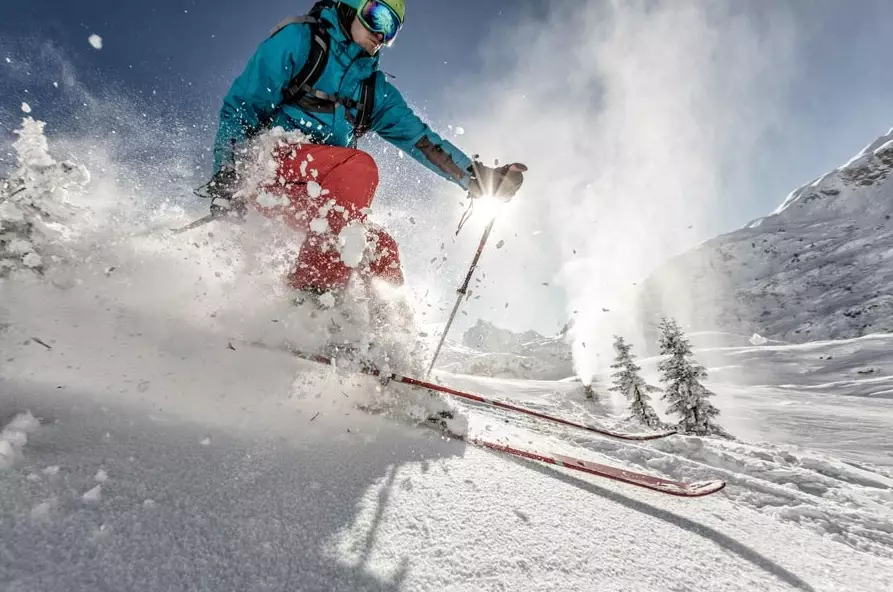
How to Pick the Right Big Mountain For You
So you've seen the list. How do you choose? Asking these questions will get you closer to the perfect fit.
What's your skill level?
If you're an expert chasing steeps and deeps, Big Sky's Lone Peak and the hike-to terrain at Powder Mountain are your temples. For intermediates who love cruising, Park City and Heavenly offer miles of perfectly groomed corduroy. Beginners need to be careful. While all these resorts have beginner areas, the sheer size can be intimidating. Look for resorts with dedicated, separate learning hills and easy-to-navigate green zones. Park City's First Time lift area is a great example.
Who's in your group?
Families need more than just space; they need convenience. Proximity to lodging, a variety of dining options on the mountain, and non-skiing activities matter. Park City (with its town) and Whistler (with its pedestrian village) excel here. A group of hardcore skiers might prioritize terrain over everything else and find a condo at the base of Big Sky more than sufficient.
What's your budget and tolerance for crowds?
Big resorts often come with big price tags, especially around lift tickets. Look for multi-day passes like the Ikon or Epic Pass if you plan to visit multiple resorts in a season—they can offer significant savings. As for crowds, Powder Mountain's cap is its genius feature. Big Sky, due to its remote location, rarely has long lines. Park City and Heavenly on a holiday weekend? Be prepared for lift queues. My strategy is always to start early, ski through the lunch rush, and head to lesser-known lifts.
Big Resort FAQs: Your Questions, Answered
 Is the "skiable acreage" number honest? I've heard some resorts count closed areas or terrain you need a snowcat to reach.
Related Articles

Comments
Join the discussion