Ask ten skiers for the top 5 ski resorts in the world, and you might get ten different lists. That's the fun of it. But after countless trips, missed turns, and perfect powder days across three continents, I've settled on a ranking that balances the raw numbers with the stuff you can't measure—the vibe, the challenge, and that feeling you get at the end of the day. Forget just chasing vertical; we're talking about the complete package. Here are my picks for the five ski resorts that deliver an unmatched experience, from the Alps to the Rockies and Japan.
Your Quick Guide to the World’s Best Skiing
How We Chose the Top 5
This isn't just about who has the most lifts. I looked at four key things most skiers care about, but often get wrong when planning.
Terrain Variety (40%): Can it keep an expert challenged for a week, but not intimidate an intermediate? Resorts with one-note terrain don't make the cut.
Snow Reliability & Quality (30%): Consistent snow is non-negotiable. I favor places with long seasons, high altitudes, or legendary maritime snowpacks.
The Overall Experience (20%): The village, the food, the après-ski culture. Is it a soulless parking lot at the base or a place you want to wander after the lifts close?
Accessibility & Value (10%): Can you actually get there without a monumental effort? Is the lift ticket price somewhat justified by what you get? I'm realistic here—the best often costs more.
Detailed Breakdown of Each Top Resort
Let's get into the specifics. For each resort, I'm giving you the hard facts you need to book, plus the on-the-ground truth you won't find in a brochure.
Top 1: Zermatt, Switzerland
The Takeaway: Iconic, car-free, and home to the mighty Matterhorn. It's the most reliable high-alpine skiing in the Alps, but your wallet will feel it.
Zermatt isn't just a resort; it's an institution. The car-free village, the cogwheel train, the Matterhorn looming over everything—it's a unique experience. The skiing is massive, split between Zermatt (Switzerland) and Cervinia (Italy), accessible on one ski pass. The snow here is incredibly reliable due to its high altitude (up to 3,883m/12,740ft). You can ski 365 days a year on the glacier, but the core season runs late November to late April.
Getting There: Fly into Zurich (ZRH) or Geneva (GVA). Then, it's a 3.5-hour scenic train ride. The final leg into Zermatt is by electric taxi or hotel shuttle. Trust me, the train is part of the charm.
Cost Reality: A 6-day international pass covering Zermatt and Cervinia costs around CHF 480 (approx. $530). It's steep, but the terrain justifies it. Accommodation is the real budget-killer. A mid-range hotel like the Hotel Alphubel runs €300-€450 per night in peak season. Eat at mountain huts like Chez Vrony for an unforgettable (and expensive) lunch.
My Honest Take: It's crowded, especially around Sunnegga. The sheer scale means you can find quiet spots, but you need to know where to go. The link to Italy is fantastic for long, sunny cruisers when the Swiss side is busy.
Top 2: Whistler Blackcomb, Canada
The Takeaway: North America's biggest, with insane vertical and a legendary village. You come for the sheer magnitude and the deep, West Coast powder.
Two massive mountains, over 8,100 acres of terrain, and a vertical drop that will make your legs scream. Whistler Blackcomb is a beast. The village is purpose-built but done right, with a buzzing atmosphere. The snow is typically deep and plentiful, with the season running late November to late May.
Getting There: Fly into Vancouver (YVR). The Whistler Shuttle or a rental car will get you up the Sea-to-Sky Highway in about 2 hours. It's a stunning drive.
Cost Reality: Lift tickets are pricey, around CAD $180 per day, but multi-day passes bring the cost down. You can find more varied accommodation than in the Alps. The Aava Whistler Hotel offers good value. For a classic Canadian après-ski, head to the Longhorn Saloon at the base.
My Honest Take: The sheer size can be overwhelming. On a powder day, everyone rushes to the same lifts. The secret? Use the Wizard Express on Blackcomb or the Harmony Express on Whistler to access less-tracked zones quickly. The mid-mountain fog can be a real issue, so check the webcams.
Top 3: Niseko United, Japan
The Takeaway: The undisputed king of powder. It's less about challenging terrain and more about floating through endless, dry, bottomless snow.
If your definition of a perfect ski day is waist-deep powder, Niseko is your holy grail. The resort is actually four interconnected ski areas (Grand Hirafu, Hanazono, Niseko Village, Annupuri) on the slopes of Mt. Annupuri. The snow is famously light and abundant, often falling daily. The season is solid, from late November to early May.
Getting There: Fly into New Chitose Airport (CTS) in Sapporo. From there, it's a 2.5 to 3-hour bus or private transfer to Hirafu, the main village.
Cost Reality: Lift tickets are reasonable by global standards, about ¥8,000 ($55 USD) per day. The real value is in the experience. You can stay in a modern condo in Hirafu for a fraction of a European hotel price. Don't miss the hot springs (onsen) after skiing. For dinner, try the ramen at Abucha 2.
My Honest Take: The terrain is mostly intermediate. Experts might get bored on-piste but will be in heaven in the off-piste tree runs (which are largely permitted and guided). The biggest challenge is the weather—whiteouts are common. It's also become very international, so don't expect a purely Japanese cultural experience in the village center.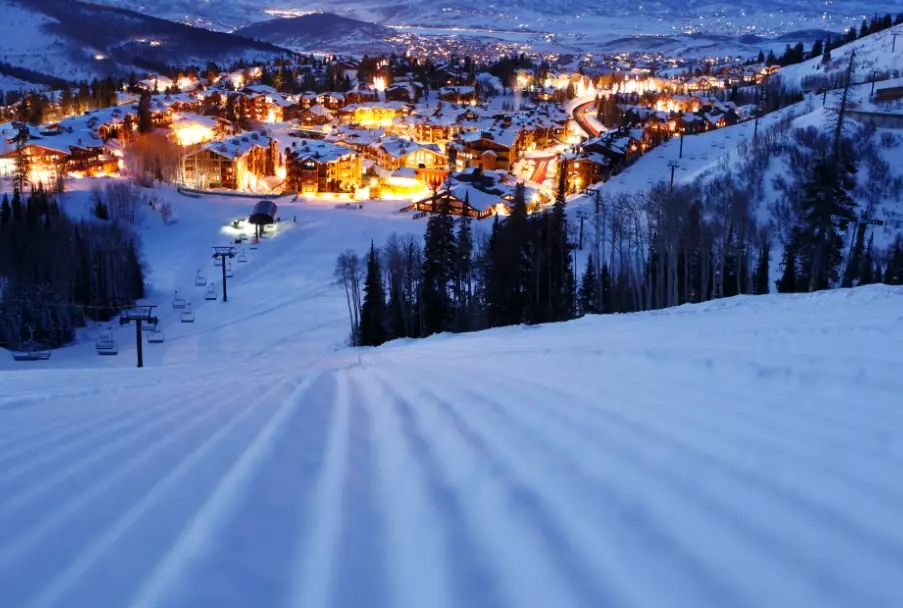
Top 4: Val d'Isère/Tignes, France
The Takeaway: High-altitude, interconnected paradise with some of the most challenging lift-served terrain on the planet. It's serious skiing for serious skiers.
These two resorts form the Espace Killy, named after the legendary skier Jean-Claude Killy. It's a vast, high-altitude playground (most skiing above 2000m) with incredibly reliable snow. Val d'Isère has a charming, traditional village, while Tignes is more modern and functional. The season is long, often from late November to early May, with glacier skiing in Tignes even longer.
Getting There: Fly into Geneva (GVA), Lyon (LYS), or Chambéry (CMF). Then, a 2.5 to 3-hour transfer or rental car drive gets you there.
Cost Reality: A 6-day Espace Killy pass is around €330. French ski resorts offer better value for on-mountain food than Switzerland or North America. Grab a massive crêpe at a slope-side hut. Stay in Val d's for the atmosphere or Tignes for ski-in/ski-out convenience and better value.
My Honest Take: This area is not for beginners. The off-piste is world-class but dangerous if you don't know what you're doing. Hire a guide. The lift system is efficient but can have long queues on weekends and holidays. The Face de Bellevarde Olympic downhill run in Val d'Isère is a must-ski for any competent skier.
Top 5: Aspen Snowmass, USA
The Takeaway: Four distinct mountains in one destination, blending legendary expert terrain (Aspen Highlands) with a world-class town and impeccable service.
Aspen is more than a ski resort; it's a cultural hub. You have four mountains on one ticket: Snowmass (family-friendly and huge), Aspen Mountain (steep and right in town), Aspen Highlands (expert paradise with the infamous Highland Bowl), and Buttermilk (beginner terrain and home to the X Games). Snow reliability is good, with a season from late November to mid-April.
Getting There: Fly directly into Aspen/Pitkin County Airport (ASE) or into Denver (DEN) and take a 4-hour shuttle or scenic drive.
Cost Reality: This is the most expensive destination in North America. A single-day lift ticket can be over $200. However, the experience is polished. Stay in Snowmass for more affordable, ski-in/ski-out condos. The town of Aspen has incredible dining—try Cache Cache for a classic—but be ready for the bill.
My Honest Take: The "see and be seen" vibe in Aspen town can be off-putting for some. But the skiing is phenomenal, especially if you hike the Highland Bowl. A common mistake is spending your whole trip at Snowmass because it's convenient. Make sure to explore all four mountains; the free bus system makes it easy.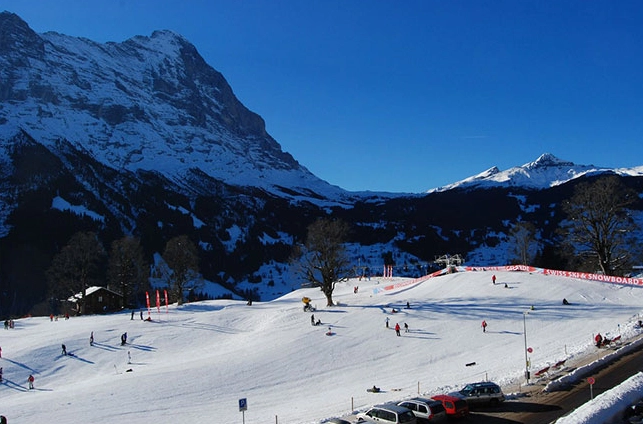
Quick Comparison: Top 5 Ski Resorts at a Glance
| Resort | Country | Key Strength | Best For | Approx. 6-Day Lift Pass |
|---|---|---|---|---|
| Zermatt | Switzerland | High-Alpine Reliability & Scenery | Experts, Intermediates, Scenery Seekers | $530 |
| Whistler | Canada | Sheer Size & Vertical | All Abilities, Powder Hounds, Party Scene | $450 |
| Niseko | Japan | Unbeatable Powder Snow | Powder Skiers, Intermediates, Foodies | $330 |
| Val d'Isère/Tignes | France | Challenging Terrain & Altitude | Advanced/Expert Skiers, Off-Piste | $360 |
| Aspen Snowmass | USA | Variety (4 Mountains) & Luxury | Experts (Highlands), Luxury Travelers, Families | $750+ |
How to Plan Your Trip Like a Pro
Booking a trip to one of these giants can be daunting. Here’s how to avoid common pitfalls.
When to Book: For North America and Europe, book lodging 6-9 months in advance for peak periods (Christmas, February). For Japan, 4-6 months is usually sufficient. Lift tickets are often cheaper online in advance.
Ski Pass Strategy: Look beyond the resort's own pass. The Epic Pass or Ikon Pass can offer massive savings if you're planning multiple trips, as they include access to Whistler, Aspen, and many other global resorts. Do the math based on your planned days.
The Airport Transfer: Don't underestimate transfer times. A "short" 2-hour drive from the airport can turn into 4 hours in a snowstorm. Consider arriving a day early if you're flying long-distance to account for delays.
Gear: Rent high-performance demos locally. It's easier than flying with skis, and you can try the latest gear suited to the local conditions. In deep powder like Niseko, you'll want proper powder skis.
Your Top Ski Trip Questions Answered
So, there you have it. The top 5 ski resorts in the world aren't just about stats; they're about the stories you'll tell. Whether it's the shadow of the Matterhorn, the bottomless powder of Hokkaido, or the steep chutes of the Rockies, each offers a distinct chapter in the book of skiing. Pick the one that calls to you, plan smart, and go make some turns.
Related Articles


Comments
Join the discussion