I've seen too many skiers ruin their day on the slopes because they wore the wrong stuff. It's not just about comfort; it's about safety. Let's cut to the chase: here are the things you should never wear skiing, based on my years of teaching and hitting the mountains.
Quick Navigation: What You'll Learn
The Fabric Fiasco: Why Cotton is Your Worst Enemy
If there's one rule every skier should know, it's this: avoid cotton at all costs. I call it the "fabric fiasco" because it's the most common mistake I see. Cotton might feel soft, but on the slopes, it's a disaster waiting to happen.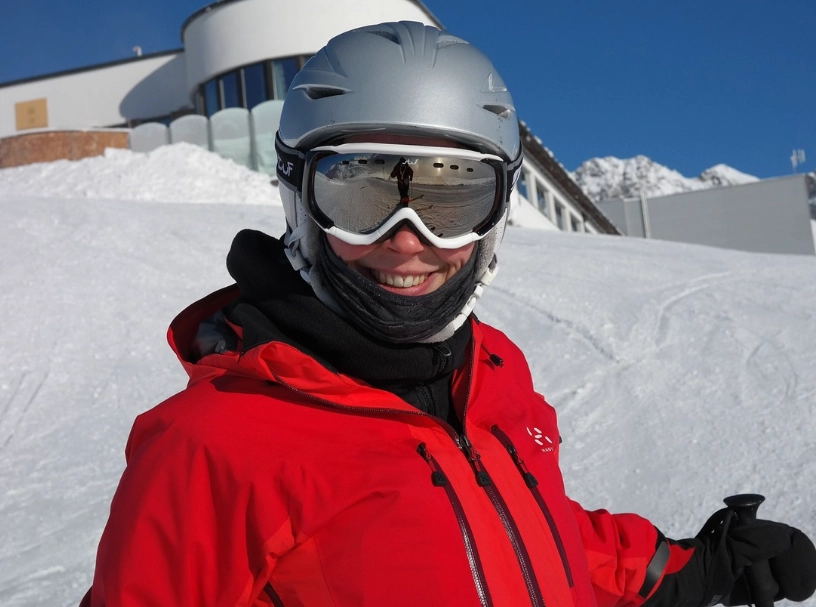
The Science Behind Cotton's Failure
Cotton absorbs moisture like a sponge. When you sweat or get snow on you, it soaks it up and holds it close to your skin. In cold weather, that wet fabric loses its insulating properties fast. You'll feel chilled, and in extreme cases, it can lead to hypothermia. The National Ski Areas Association often highlights moisture-wicking fabrics as key for winter sports.
Think about it. You're skiing, working up a sweat, and then you take a break. That cotton t-shirt underneath? It's now damp and cold. I once had a student wear cotton socks, and by lunchtime, his feet were numb. He had to cut the day short.
What to Wear Instead
Stick to synthetic materials like polyester or natural fibers like merino wool. They wick moisture away from your skin, keeping you dry and warm. Merino wool is my personal favorite—it's breathable and doesn't smell as bad after a long day.
Pro tip: Check the labels on your base layers. If it says 100% cotton, leave it at home. Look for terms like "moisture-wicking" or "quick-dry."
Footwear Fails: Shoes That Don't Belong on the Slopes
Your feet are critical for skiing, but I've seen people show up in all sorts of wrong shoes. Let's break it down.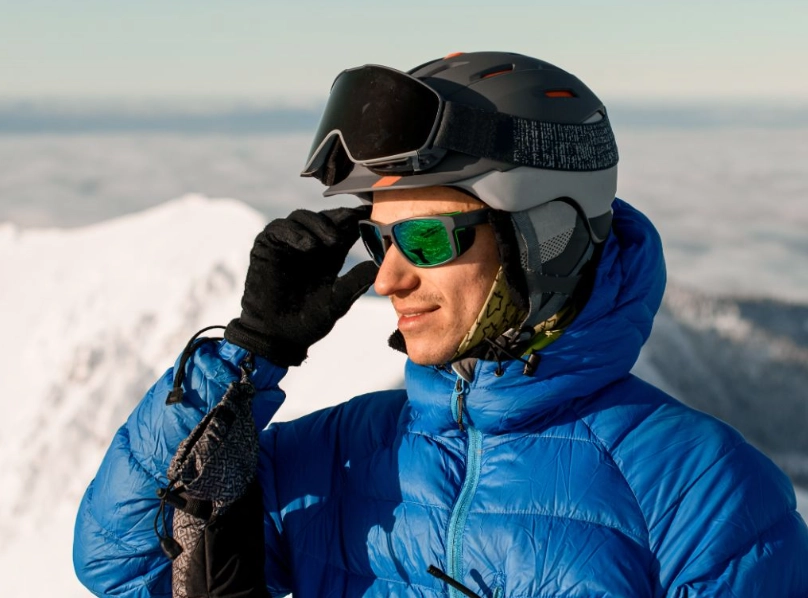
Why Hiking Boots are a No-Go
Hiking boots might seem sturdy, but they're not designed for ski boots. They're too bulky and can interfere with the fit of your ski boots, causing pressure points and poor control. I remember a friend who tried to wear hiking boots under his rentals—he ended up with blisters and couldn't ski properly.
The Danger of Fashion Boots
Those cute winter boots? Forget them. They lack the insulation and support needed for skiing. Your feet will freeze, and you'll struggle to walk in snow. Stick to dedicated ski boots or, for apres-ski, pack a separate pair of warm boots.
Here's a quick table to summarize what footwear to avoid and why:
| Footwear Type | Why It's a Bad Idea | What to Wear Instead |
|---|---|---|
| Cotton Socks | Absorbs moisture, causes cold feet | Merino wool or synthetic ski socks |
| Hiking Boots | Bulky, interferes with ski boots | Thin, moisture-wicking socks with ski boots |
| Fashion Boots | Poor insulation, no support | Insulated snow boots for off-slopes |
| Running Shoes | Not waterproof, cold | Waterproof winter shoes |
Outerwear Oversights: Jackets and Pants to Avoid
Your outer layer is your shield against the elements. Get it wrong, and you're in for a miserable time.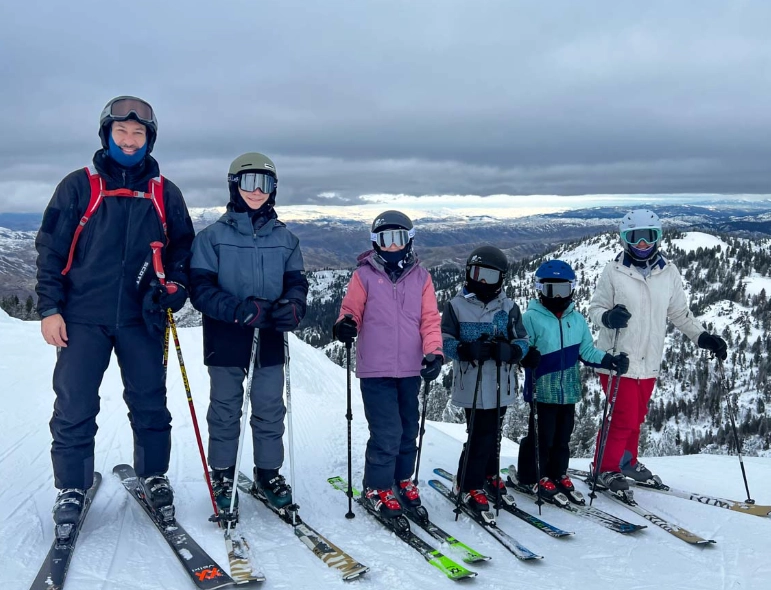
Denim Disasters: Why Jeans are a Bad Idea
Jeans are a classic mistake. They're made of cotton, so they get wet and stay wet. Once soaked, they become heavy, cold, and restrictive. I've seen beginners in jeans shivering on the chairlift—it's not a good look. Plus, they offer zero insulation when wet.
Non-Waterproof Coats: A Recipe for Misery
A regular winter coat might seem fine, but if it's not waterproof and breathable, you'll regret it. Snow melts on contact, and you'll end up damp and cold. Look for jackets with a waterproof rating (like 10k or higher) and breathable membranes. Brands like Gore-Tex are popular for a reason.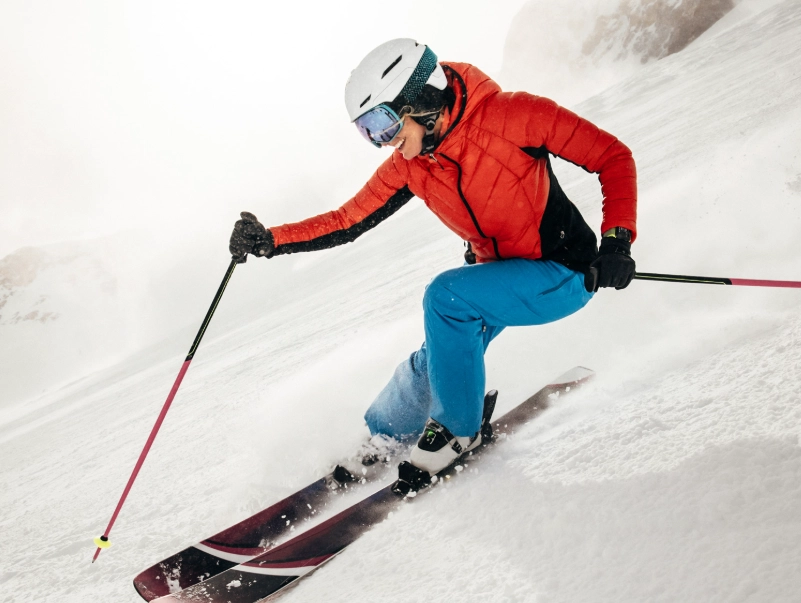
Another thing: avoid heavy, non-flexible materials. Skiing requires movement, so your jacket and pants should allow you to bend and twist easily.
Accessory Accidents: Gloves, Hats, and More
Accessories might seem minor, but they can make or break your ski day.
Scarves That Strangle
Loose scarves are a safety hazard. They can get caught in equipment or restrict movement. Instead, use a neck gaiter or balaclava. They're snug, warm, and won't fly off in the wind.
Gloves That Freeze
Cheap gloves or mittens that aren't waterproof will leave your hands freezing. Wet gloves are useless. Invest in a good pair of ski-specific gloves or mittens with insulation and a waterproof shell. I learned this the hard way when my budget gloves soaked through on a snowy day—my hands were numb for hours.
Also, avoid sunglasses instead of goggles. Goggles provide better protection against wind, snow, and UV rays. Sunglasses can fog up or fall off easily.
The Layering Lottery: Common Layering Mistakes
Layering is key for skiing, but many people do it wrong. It's not just about piling on clothes.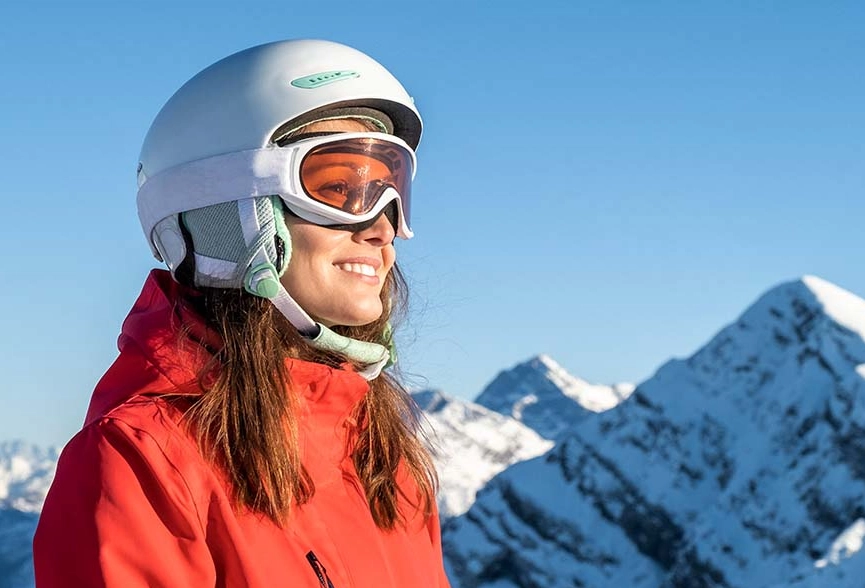
The classic mistake: wearing too many cotton layers. As I said, cotton is bad. Another error is skipping the mid-layer. Your base layer wicks moisture, your mid-layer insulates, and your outer layer protects. If you miss the mid-layer, you'll feel cold.
Here's a simple layering system to follow:
- Base layer: Moisture-wicking fabric like polyester or merino wool. Avoid cotton.
- Mid-layer: Insulating layer like fleece or down. Adjust thickness based on weather.
- Outer layer: Waterproof and breathable jacket and pants.
Don't over-layer. If you're too hot, you'll sweat, and that moisture can make you cold later. It's a balance I've tweaked over years of skiing in different conditions.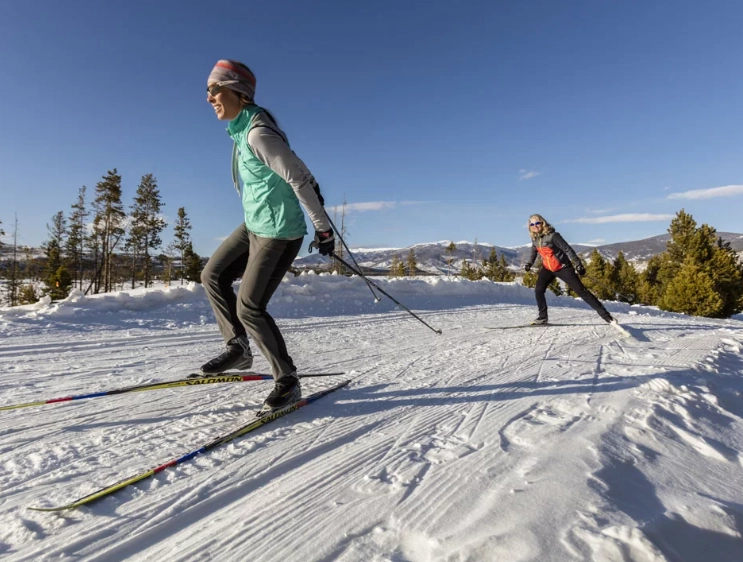
Your Ski Clothing Questions Answered
To wrap up, skiing is fun, but wearing the wrong clothes can turn it into a nightmare. Focus on avoiding cotton, choosing proper footwear, and layering effectively. Remember, it's not about buying the most expensive gear, but about making smart choices based on function. Stay warm, stay dry, and enjoy the slopes!
Related Articles


Comments
Join the discussion