Your Skiing Journey at a Glance
So, you've decided to take the plunge and learn how to ski. Good for you. I remember standing at the top of a gentle slope for the first time, those long, slippery planks strapped to my feet feeling utterly alien, a mix of excitement and pure terror bubbling in my gut. The air was crisp, the views were stunning, and all I could think was, "How on earth do I get down without breaking something?"
That feeling is universal. Everyone starts at zero. The key isn't to avoid the fear, but to have a clear, manageable plan to work through it. This guide is that plan. We're going to strip away the jargon and the intimidation and walk through the absolute fundamentals of skiing techniques for beginners step by step. Forget trying to look cool; our goal is to be safe, in control, and actually have fun out there.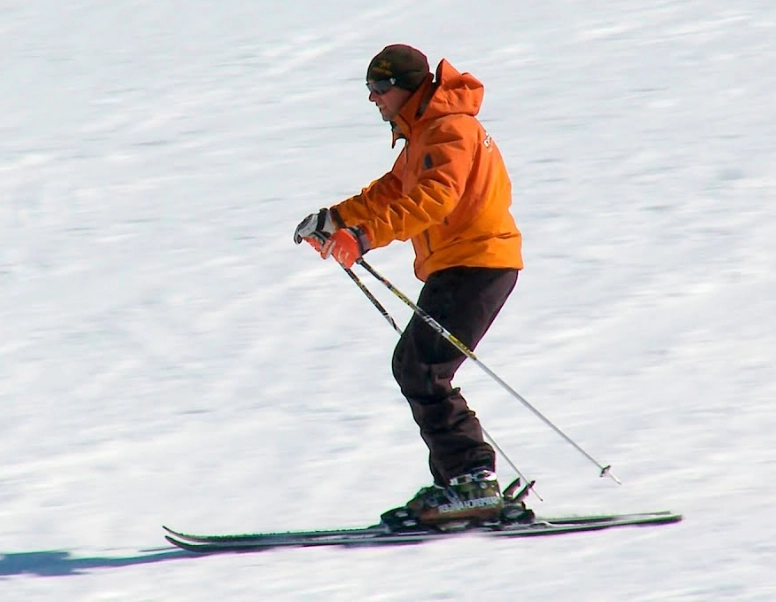
You know what most guides miss? They jump straight to the "pizza" (snowplow) without talking about the mental game or what to expect in your body. My first time, I was so tense my calves screamed after 20 minutes. We'll fix that.
Before You Even Click Into Your Skis: What You Need to Know
Jumping straight onto the snow is a recipe for a bad time. Let's talk setup. Your mindset and your gear are half the battle.
The Right Mindset for Day One
You will fall. I fell. The person in the slick outfit next to you probably fell a lot when they started. It's part of the process. The goal isn't to not fall; it's to learn how to fall safely (more on that later) and get back up. Focus on small victories. Standing up without help is a victory. Making a single controlled wedge turn is a massive victory. Celebrate those.
Another thing? You're going to be sore in places you didn't know could get sore. Skiing uses stabilizing muscles that don't get much action in daily life. It's normal.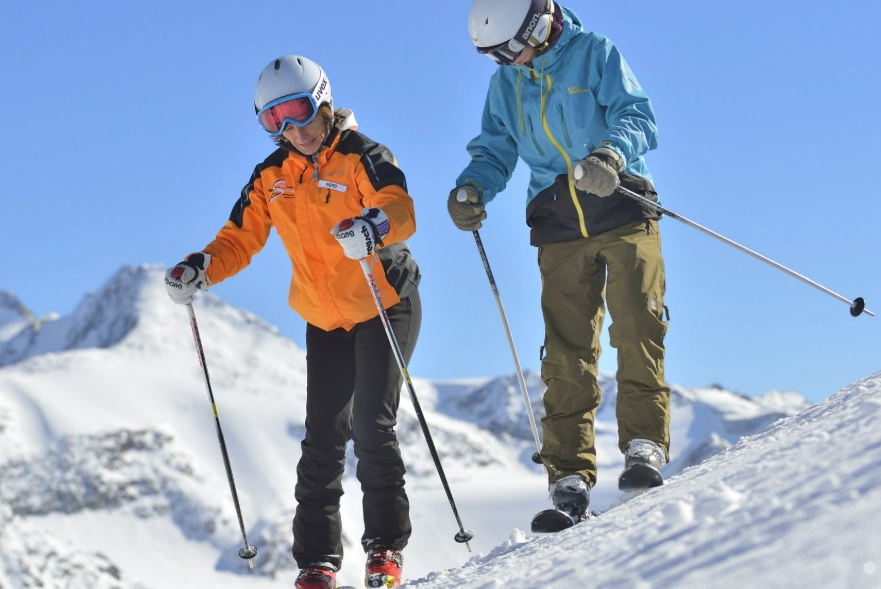
Gear That Doesn't Fight You
Renting is smart for beginners. But when you rent, don't just take whatever they hand you. A good rental shop technician is your friend. Tell them you're a first-timer. They should set your bindings to a very low release setting (so the ski pops off easily if you twist) and help you find boots that are snug but not painfully tight. Boots are the most important piece of gear—they're your connection to the ski. If your feet are numb or in agony, you're done.
Clothing is about layers. A moisture-wicking base layer, an insulating mid-layer (like fleece), and a waterproof/windproof shell. Don't wear jeans. Just don't. They get wet, cold, and heavy, and you'll be miserable.
Where to Practice: Picking Your Terrain
Find the magic carpet or the beginner chairlift that services the green circle runs. Green means easy. The slope will be very gentle, almost flat. This is your training ground. Do not, under any bravado-inspired illusion, go up a blue square or (heaven forbid) a black diamond run. It's dangerous for you and for others. Stick to the beginner area until you are genuinely bored with it.
The Core Techniques: Your Step-by-Step Progression
This is the heart of it. We're breaking down skiing techniques for beginners step by step, in the order you should learn them. Don't rush ahead. Master each feeling before moving on.
Step 1: The Basic Stance and Getting Moving
First, on flat ground near the lodge, just get used to the equipment. Walk around a bit with your skis on, sliding your feet. It feels weird, like wearing giant, slick shoes.
Now, the athletic stance. This is your home base, your neutral position you return to.
- Feet shoulder-width apart.
- Knees comfortably bent, as if you're about to jump. Not a squat, just a soft flex.
- Hips over your boots, shoulders over your hips.
- Hands forward and visible, like you're holding a tray. This keeps your weight forward.
- Look ahead, not at your ski tips.
Why this stance? It's balanced, ready to move in any direction, and keeps your weight where it needs to be. If you stand straight-legged or lean back, you lose all control.
To move on flat ground, use your poles. Plant them behind you and push gently, like you're paddling a canoe. You'll shuffle forward.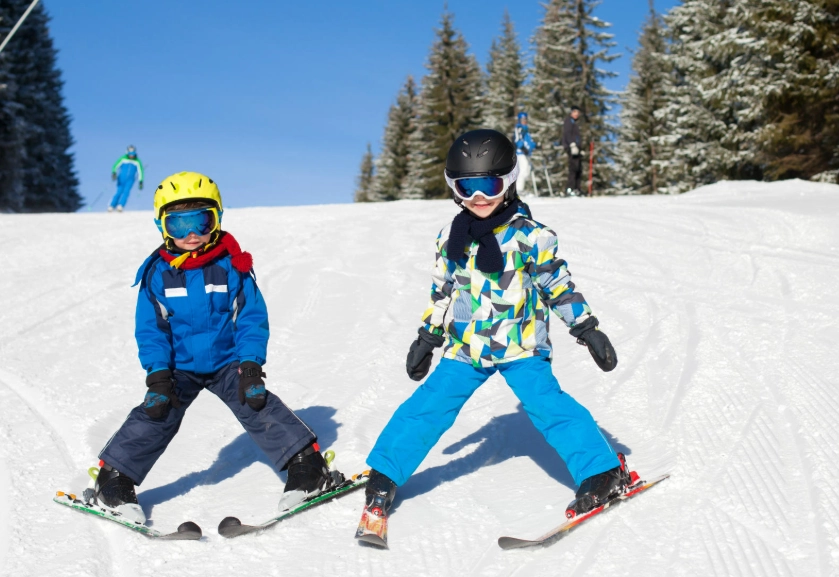
Step 2: The Gliding Wedge (The "Pizza") – Your Best Friend for Control
This is the first major skill and your primary tool for controlling speed. We're going to a very gentle slope for this.
- In your athletic stance, point your skis straight down the tiny slope. You'll start to slide.
- Gently push your heels out, letting the ski tips come closer together. Your skis will form a wedge or a slice of pizza.
- Press evenly on both skis. The inside edges of your skis will dig into the snow, creating friction and slowing you down.
- To stop completely, just push your heels out a bit more and increase the pressure. You'll come to a smooth halt.
The mistake everyone makes is trying to make the wedge with their whole leg, which is exhausting. Think about it as an ankle and knee movement. Push your knees slightly inward and apart. It's subtle.
Practice this on the gentle slope until you can reliably start, glide, and stop. This single skill builds so much confidence. You now have a brake!
Step 3: Turning with the Wedge (The "Pizza Turn")
Now that you can control speed, let's change direction. This is where the real fun begins.
Start in a gentle gliding wedge.
- To turn right, put a little more weight on your left foot. I don't mean lean your whole body. Just press down with your left leg, flexing that ankle and knee a bit more.
- Your right (uphill) ski will lighten up. Because your skis are in a wedge, this pressure change will naturally pull you to the right.
- Look where you want to go—your head and shoulders should start the turn.
- To finish the turn and control speed, bring your skis back to an even wedge and press both heels out.
- Repeat to the other side. More weight on the right foot to go left.
You're not steering the skis like a car. You're guiding them with pressure. This is the fundamental concept of all skiing. Practicing these skiing techniques for beginners step by step, starting with the wedge turn, builds the muscle memory for everything that comes next.
Link a few turns together across the slope. You're now officially skiing! It might feel clunky, but it's controlled and safe.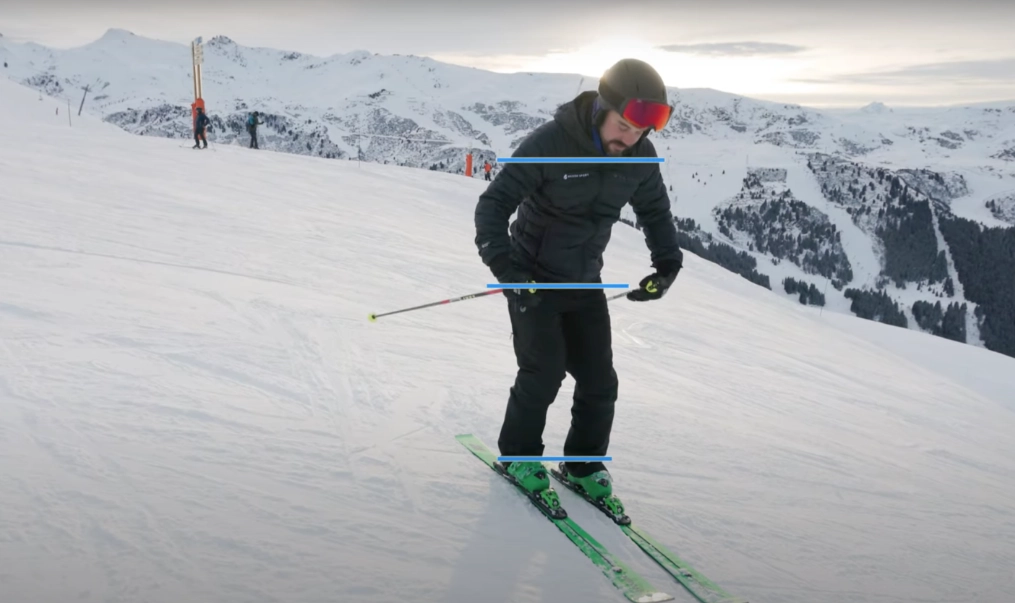
Step 4: Introducing the Sideslip and Edge Control
This is a secret weapon skill that many beginners aren't taught explicitly, but it's gold for learning edge feel. Find a very gentle slope and stand across it (your skis horizontal to the fall line).
- Stand in a neutral stance.
- Gently flatten your skis (release the edges) by relaxing your ankles. You'll start to slide sideways down the slope.
- To stop the sideslip, simply roll your knees and ankles slightly downhill. This will engage your edges and grip the snow.
This drill teaches you how your edges work without the complication of going forward. It's all about that subtle ankle and knee roll. Master this feeling, and turning becomes much more intuitive.
Step 5: The Path to Parallel Turns
Parallel skiing—where your skis stay side-by-side through the turn—is the next big goal. You don't jump straight to it. You evolve from the wedge turn.
Start making your wedge turns, but as you initiate the turn with pressure, try to bring the inside (uphill) ski parallel to the outside ski *during* the turn, not at the start. Let the wedge close up as you go across the slope.
Think of it this way: Start in a small wedge, pressure the outside ski to turn, and let the inside ski follow naturally into a parallel position. At the end of the turn, you might still have a small wedge to control speed, and that's perfectly fine for a long time.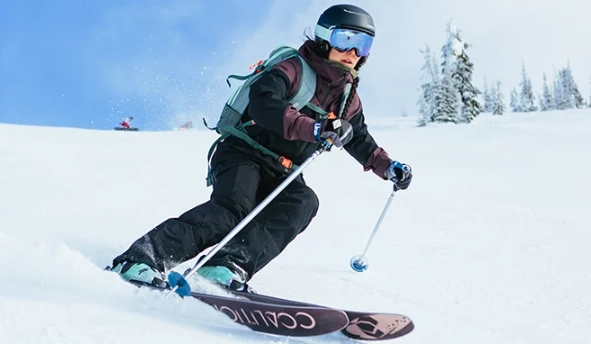
This transition is the core of progressing your skiing techniques for beginners step by step into intermediate territory. It takes time and mileage. Don't force it. Let it happen as your balance and confidence improve.
Fixing Common Beginner Struggles
We all hit the same walls. Here's how to knock them down.
| Problem | What It Feels Like | Likely Cause & Quick Fix |
|---|---|---|
| The "Backseat Driver" | You're leaning back, quads burning, feels like you're constantly trying not to fall forward. | Cause: Fear. You're subconsciously trying to get away from the slope. Fix: Consciously push your shins into the front of your boots. Sing "shins to boots" in your head. Practice on a flat area just flexing forward. |
| Skis Crossing / Catching an Edge | One ski crosses over the other and you trip, usually falling sideways. | Cause: Uneven weight distribution or trying to steer with your upper body. Fix: Focus on keeping weight on the downhill ski during a turn. Keep your hands forward and quiet—no wild arm movements. |
| Can't Initiate the Turn | You're in a wedge, but you just keep going straight. | Cause: Not committing weight to the outside ski. You're staying balanced in the middle. Fix: On a gentle slope, practice lifting your inside (uphill) ski entirely off the snow at the start of a turn. This forces all your weight onto the turning ski. Then put it down gently. |
| Wedge is Too Big & Tiring | Your legs are in a massive V, muscles screaming after one run. | Cause: Using big thigh muscles instead of ankles/knees. Fix: On a flat spot, practice making a tiny wedge, just an inch or two between the ski tails. Feel the edges engage with minimal effort. |
Safety Isn't Boring, It's Essential
Let's get serious for a second. The mountain doesn't care about your vacation plans.
Your Responsibility Code: This isn't just a poster in the lodge. The National Ski Areas Association (NSAA) promotes a Skier Responsibility Code that is the law of the land. The big ones for beginners: Always stay in control. People ahead of you have the right of way. You must look uphill and yield before starting or merging onto a trail.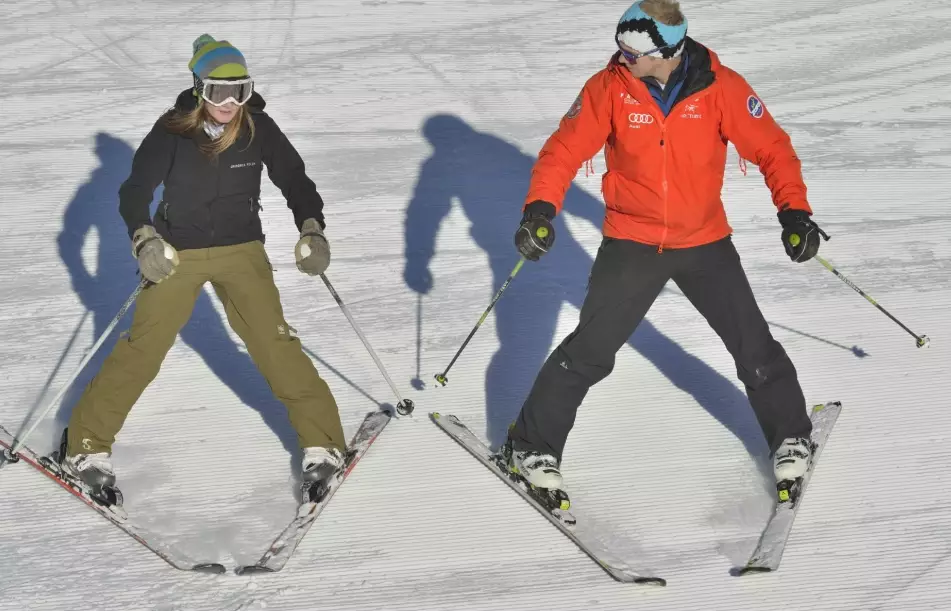
How to Fall (Yes, There's a Technique): If you feel yourself going, don't fight it rigidly. Try to fall to the side, not forward or backward. Tuck your limbs in slightly to avoid hyperextension. If you're sliding out of control on your back, roll over to dig your edges in. And when you stop, move out of the way of other skiers as quickly as you can.
Lifts: The beginner chairlift can be intimidating. Watch others, listen to the lifty. As you approach the load line, look behind you for the chair, then sit down calmly. Pull the safety bar down. To unload, as you near the top, lift the bar, scoot to the edge of the seat, keep your ski tips up, and stand up smoothly as you reach the ramp. Then just ski straight off. If you fall getting off (we all have), crawl out of the way immediately.
Answers to Questions You're Probably Asking
Gearing Up: A Simple Guide for Your First Purchase
Once you're hooked (and you will be), you'll think about buying. Don't buy the top-tier racing skis. Here's a simple breakdown of ski types for beginners progressing to intermediates.
| Ski Type | Best For | Characteristic | My Take for a First Buyer |
|---|---|---|---|
| All-Mountain Frontside | Beginners to Intermediates | Soft flex, shaped (hourglass) for easy turning, good grip on groomed runs. | This is your sweet spot. Look for a ski labeled "all-mountain" with a waist width under 80mm. They're forgiving and will grow with you for several seasons. |
| Carving Skis | Intermediates who love groomers | Stiffer, deep sidecut for powerful, precise turns on hard snow. | Too much ski for a true beginner. Wait until you're solidly linking parallel turns before considering these. |
| All-Mountain Wide | Intermediates/Advanced in variable snow | Wider underfoot (85mm-100mm) for float in powder. | Can feel clunky and hard to pivot for a beginner on packed snow. Not recommended for your first pair. |
Boots are more important than skis. Go to a reputable bootfitter, not just a big-box store. They will measure your foot, assess your arch, and find a boot that fits your specific shape. A good fit is snug everywhere with no pressure points. It's worth every extra penny.
What Comes Next? Your Path After the Basics
So you've got your wedge turns and are starting to link them smoothly on green runs. What's the next step in your skiing techniques for beginners step by step journey?
- Explore More Greens: Try every green run on the mountain. They are not all the same. Some are wider, some have more pitch, some are longer. This builds adaptability.
- Venture Onto Easy Blues: A "green-blue" or the easiest blue square run is your next goal. The pitch is slightly steeper, which actually helps you turn more naturally. Your wedge might come back a bit at first—that's okay.
- Take Another Lesson: Now that you have the basics, an intermediate lesson can focus on refining your parallel turn, introducing pole timing, and tackling varied terrain.
- Play with Terrain: Practice on very small, gentle bumps (moguls) or in a bit of soft, chopped-up snow. It teaches you to absorb terrain with your legs.
The journey never really ends. That's the beauty of it. One day you'll be on a blue run, making turns without thinking, and you'll suddenly realize you're not scared anymore. You're just... skiing. And the view from there is absolutely worth every awkward fall on day one.
Remember, mastering these skiing techniques for beginners step by step is a process. Be kind to yourself, celebrate the small wins, and most importantly, have fun out there. The mountain is waiting.
Related Articles


Comments
Join the discussion