Quick Navigation
Look, I've been there. Staring down a black diamond, legs already screaming from the first few runs, feeling that familiar burn in the quads that turns your beautiful carved turns into a wobbly survival slide. It's not fun. And it's why so many people ask, year after year, what is a good workout routine for skiers that actually translates to the mountain?
Most generic gym plans don't cut it. Skiing is this weird, beautiful beast that demands strength, but not like a powerlifter. It needs endurance, but not like a marathon runner. It craves explosive power, balance that defies physics, and core stability that would make a gymnast nod in respect. A proper ski workout routine has to tick all those boxes, and do it in a way that prepares your body for the specific, brutal, and joyous demands of sliding on snow.
This isn't about getting beach-ready. This is about being mountain-ready. It's about chasing that last run of the day when the light is perfect and your legs still have something to give. It's about skiing harder, longer, and with way more confidence.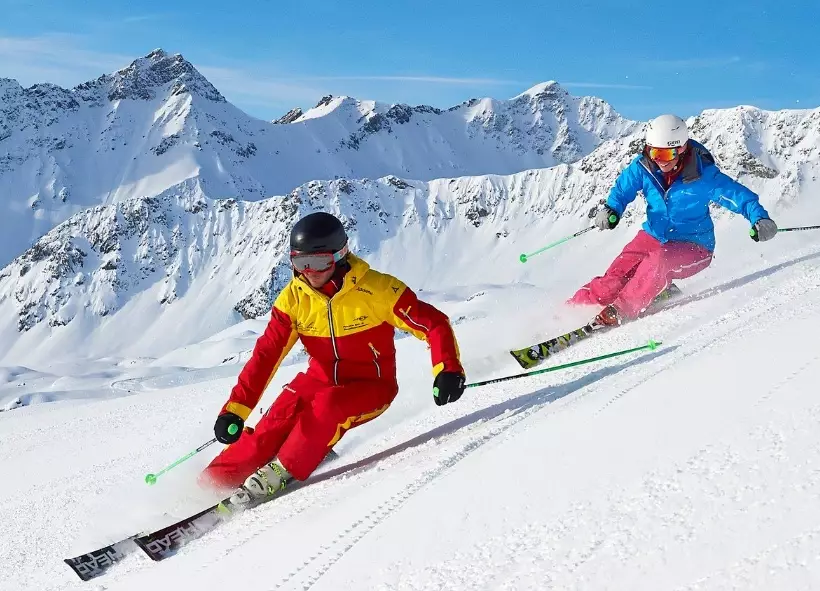
So let's ditch the vague advice and build a plan. A real one. We'll break down the why behind every exercise, structure it so you peak when the snow falls, and answer all the nitty-gritty questions that pop up when you're actually trying to do this stuff. This is the guide I wish I had when I first started taking my ski fitness seriously.
The Pillars of a Bulletproof Ski Fitness Plan
Before we jump into sets and reps, you've got to understand what you're training for. Skiing, whether you're a graceful carver or a backcountry explorer, smashes a few key physical systems. Ignore any one of them, and your performance (and fun) takes a hit.
Strength: Your Foundation Against Gravity
This is the big one. But ski strength is different. It's not about lifting the heaviest weight once. It's about generating and absorbing force, over and over, in a slightly squatted position. We're talking about eccentric strength—the strength to lower yourself down with control—which is huge for handling bumps and variable snow. Your quads, hamstrings, glutes, and calves form the power quartet. But here's a common mistake: people overemphasize the quads and forget the posterior chain (hamstrings and glutes). That imbalance is a fast track to knee pain and a weak, back-seat stance.
Why Your Hamstrings Matter More Than You Think
Strong hamstrings and glutes are your body's natural brake system and stabilizer for your knees. When you're in a ski stance, they work overtime to keep your torso forward and prevent you from collapsing into the "backseat driver" position. Weak posterior chain? You'll fatigue faster and put your ACL at greater risk. It's non-negotiable in a good ski workout routine.
Power & Plyometrics: For Explosive Turns and Saving Yourself
Strength gets you through the run; power lets you attack it. Power is strength expressed quickly. It's what lets you pole plant and aggressively initiate a turn in crud. It's what lets you hop over a hidden log or make a quick adjustment when you hit an ice patch. This is where plyometrics (jump training) come in. Box jumps, lateral bounds, skater hops—they train your muscles and nervous system to fire rapidly, mimicking the quick, reactive movements of skiing.
I remember the first season I added consistent plyo work. The difference in how quickly I could react to changes in the snow was night and day. It felt less like I was fighting the mountain and more like I was playing with it.
Endurance & Aerobic Capacity: The Fuel Tank for a Full Day
Skiing is intermittent high-intensity exercise. You blast down a run for 2-5 minutes, then ride the lift (hopefully) for 5-15. Your body needs a robust aerobic engine to clear the lactic acid that builds up during that descent and replenish energy stores for the next one. If your cardio is poor, you'll be gasping at the top of every lift, and your legs will feel heavy and unresponsive by lunch. Biking, swimming, rowing, or even brisk hiking are perfect for building this base.
Mobility, Balance & Core: The Unsung Heroes
This is the glue that holds it all together. Skiing happens in multiple planes of motion. You need ankle mobility to drive your shins into the boot cuff. You need hip mobility to get low and angulate properly. Your core is not just your abs—it's your entire torso, acting as a stable platform so your powerful legs can transfer energy efficiently to your skis. And balance? That's a no-brainer. Single-leg exercises and unstable surface training (like with a Bosu ball) are gold.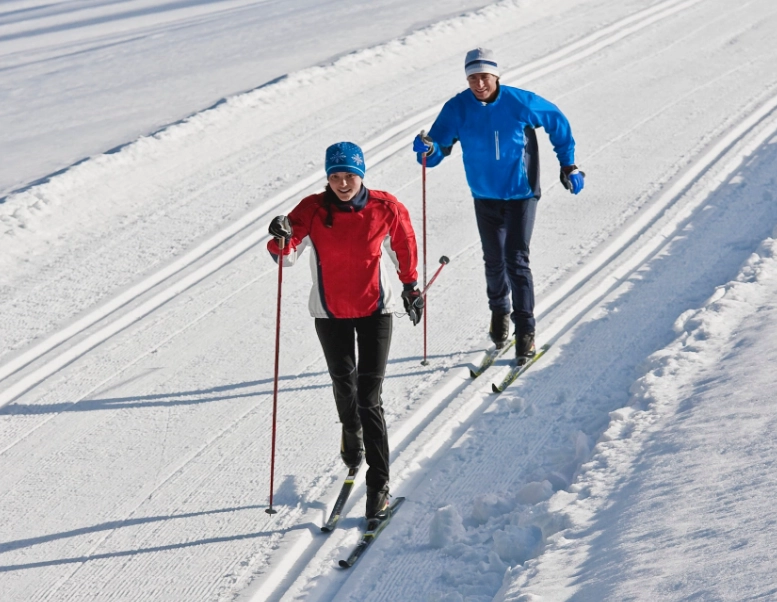
A Quick Reality Check
You can't just do yoga and call it ski prep. I tried that one year, focusing only on flexibility and light cardio. My first day on snow, I had the mobility but none of the strength to hold an edge on steep terrain. It was a humbling lesson. True ski conditioning requires a blend. Flexibility without strength is just instability in fancy clothing.
Crafting Your Personal Ski Workout Routine: The Phases
A haphazard approach leads to haphazard results. The pros periodize their training, and so should you. Think of it in three main blocks, working backwards from your first ski day.
| Training Phase | Primary Focus | Timeline (Pre-Season) | Key Exercises & Goals |
|---|---|---|---|
| Foundation & Base Building | Building overall strength, correcting imbalances, increasing work capacity. | 12-8 weeks before skiing | Full-body strength (squats, deadlifts, rows), steady-state cardio. Master movement patterns. |
| Sport-Specific & Power Phase | Translating strength to ski-specific movements, adding plyometrics and agility. | 8-4 weeks before skiing | Introduce lunges, lateral movements, box jumps, interval cardio. Increase intensity. |
| Pre-Season & Peak Phase | Maximizing power and sport-specific endurance, priming the nervous system. | 4 weeks until ski season starts | High-intensity intervals, complex plyometrics, mimic ski duration and rest periods. |
| In-Season Maintenance | Maintaining gains, emphasizing recovery, addressing aches. | During the ski season | Light strength sessions (1x/week), focused mobility, active recovery. |
Let's get concrete. Here’s a sample week from the crucial Sport-Specific & Power Phase, about 6 weeks out from your first trip. This is where you really start to feel like a skier in the gym.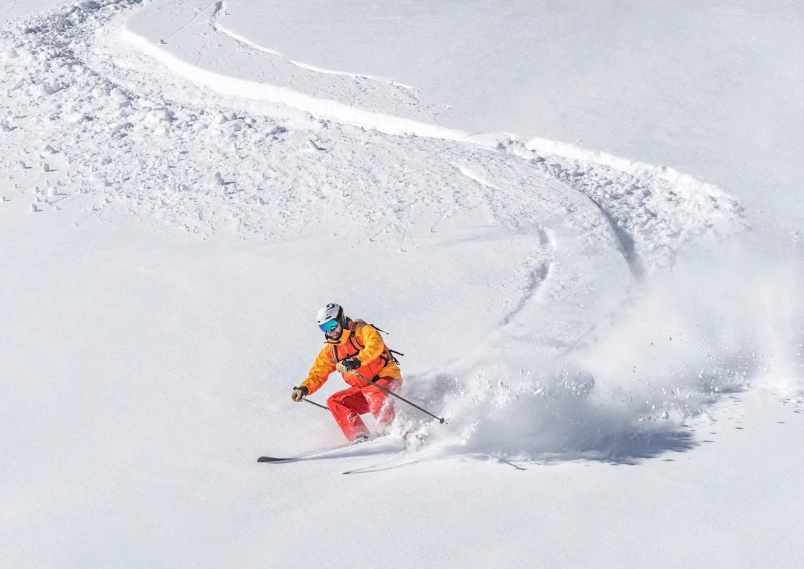
Sample Week: Sport-Specific Power Phase
Monday: Lower Body Strength & Power
- Barbell Back Squats: 4 sets of 6-8 reps
- Romanian Deadlifts: 3 sets of 8-10 reps (hello, hamstrings!)
- Walking Lunges: 3 sets of 10 steps per leg
- Box Jumps: 4 sets of 5 reps (focus on explosive landing, soft knees)
- Plank with Leg Lift: 3 sets of 30 seconds per side
Tuesday: Aerobic Base & Mobility
- 45 minutes of moderate-paced cycling or incline walking.
- Follow with a full-body dynamic stretch and foam rolling session. Hit those quads, IT bands, and calves.
Wednesday: Full Body & Core Focus
- Single-Arm Dumbbell Row: 3 sets of 10 per arm (for a strong, stable upper body)
- Goblet Squats: 3 sets of 10-12 reps
- Lateral Band Walks: 3 sets of 15 steps each direction (for hip stability)
- Pallof Press (anti-rotation): 3 sets of 12 per side
- Hanging Knee Raises: 3 sets to failure
Thursday: Active Recovery
- Light swim, walk, or yoga. The goal is movement, not intensity. Listen to your body.
Friday: High-Intensity & Plyometrics
- Interval Sprints: 8 rounds of 30-second all-out effort on a bike or rower, 90 seconds rest.
- Skater Hops: 3 sets of 10 per side
- Single-Leg Glute Bridges: 3 sets of 12 per leg
- Medicine Ball Slams: 3 sets of 10 (great for total-body power and stress relief!)
Rest on Saturday and Sunday, or use one day for a fun activity like hiking or a long bike ride. Consistency beats perfection every time.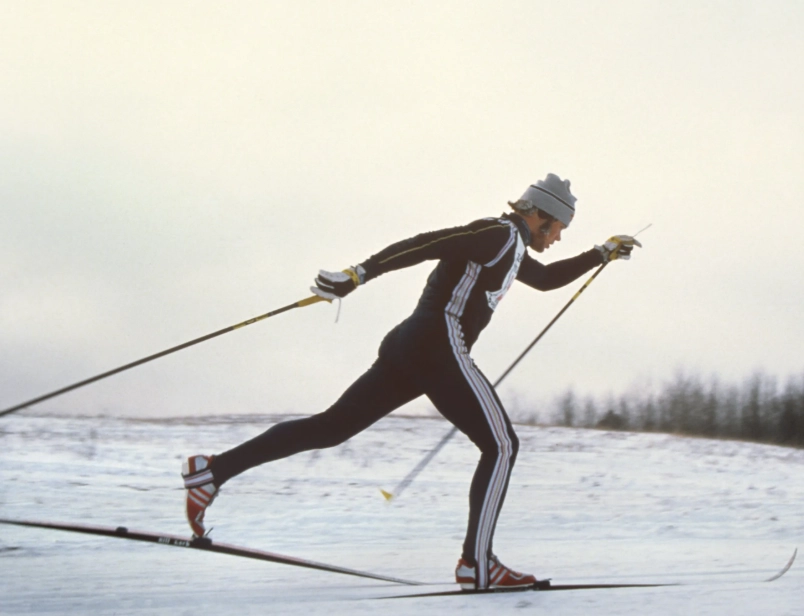
That right there is a solid blueprint. It hits strength, power, cardio, and core in a balanced way. But a list of exercises is only half the battle. The magic is in the execution and the details.
Key Exercises Deconstructed: The Skiers' Toolkit
Let's zoom in on a few of these moves and talk about why they're so effective and how to do them right for skiing.
The Squat (But Make It Ski-Specific)
Don't just go ass-to-grass. For skiing, we care about strength in the range you actually use. That means stopping when your thighs are roughly parallel to the floor—that's your typical ski stance depth. Focus on pushing your knees out as you descend (this engages the glutes and protects the knees) and keeping your torso upright. Imagine you have a chair behind you that you're trying to sit back into. Goblet squats with a dumbbell are fantastic for beginners to learn this pattern.
Lunges in Every Direction
Forward lunges are good. Reverse lunges are better for the glutes. But side lunges? Those are secret weapons. Skiing is a lateral sport. You're constantly shifting weight from one edge to the other. Side lunges build the strength and mobility in your adductors (inner thighs) and abductors (outer hips) that you need for powerful, controlled edge engagement. They feel awkward at first for most people, which usually means they need them the most.
Pro Tip: The Isometric Hold
At the bottom of a lunge or squat, try holding the position for 3-5 seconds. This builds the isometric strength your legs need to hold a turn through a long, sweeping arc. It burns. It's effective.
Plyometrics: Start Simple
If you're new to jump training, start with low boxes or even just quick, small hops on flat ground. The priority is landing softly and with control, absorbing the impact through your legs and not your joints. A loud, crashing landing is a failed rep. Think "light as a feather." As you get more confident, add height and lateral movement, like jumping sideways over a line on the floor.
So you've got the phases and the exercises. But what about when you're actually on the mountain? Your work isn't done.
The In-Season Game Plan: Maintaining & Recovering
This is where most plans fall apart. You ski hard for a weekend, feel wrecked on Monday, and do nothing all week until the next trip. That's a recipe for losing your hard-earned fitness and increasing injury risk. The goal in-season is maintenance and smart recovery.
Aim for one, maybe two, short and intense full-body workouts during the week between ski days.
Keep the weight moderate but focus on perfect form. This isn't the time to set personal records. It's about reminding your muscles of their job. A 30-40 minute session is plenty. Focus on compound moves: a few sets of squats, some rows or pull-ups, core work, and maybe some light plyos to keep the nervous system sharp.
Recovery is king. Hydration, nutrition, and sleep are your performance enhancers. After a day on the hill, a protein-rich meal within an hour helps repair muscle. And for the love of all that is holy, foam roll and stretch. Your quads and hips will thank you. I'm terrible at this part, I'll admit. I'd rather crash on the couch. But the days I force myself to do even 10 minutes of rolling and stretching, the difference the next morning is undeniable.
Answering Your Burning Questions (The FAQ)
Digging Deeper: The Science of Strength
If you're curious about the "why" behind periodization and strength training principles, organizations like the National Strength and Conditioning Association (NSCA) are fantastic resources. They set the standards for evidence-based training. For a deep dive into the physiology of endurance training for intermittent sports, research from the American College of Sports Medicine (ACSM) is authoritative and widely cited. Understanding the principles helps you adapt any routine to your own needs.
Wrapping It Up: Your Path to Stronger Turns
Finding what is a good workout routine for skiers boils down to understanding the sport's unique demands and then building a plan that systematically addresses them. It's not about random exercises. It's about purposeful training with a clear goal: more fun, more confidence, and more resilience on the mountain.
Start with your weaknesses. If your legs are strong but you're gassed after two runs, prioritize cardio. If you're flexible but feel unstable, hammer the strength and balance work. Use the phased approach to build up intelligently, and don't neglect the in-season maintenance.
The best ski workout routine is the one you'll actually do, consistently. So pick the exercises you don't hate, set a realistic schedule, and get started. Your future self, floating through powder or carving a perfect arc on corduroy, will be immensely grateful.
Now get to it. The mountains are waiting.
Related Articles




Comments
Join the discussion