Your Ski Cost Roadmap
- Breaking Down the Numbers: Where Does Your Money Actually Go?
- The Beginner Ski Price Spectrum: From Bargain to "Are You Sure?"
- New vs. Used vs. Demo vs. Season Rental: The Real Cost Analysis
- When to Buy: Timing Your Purchase to Save Big
- Answering Your Burning Questions (The FAQ Section)
- Putting It All Together: A Step-by-Step Decision Guide
I remember standing in the ski shop for the first time, completely overwhelmed. Racks of shiny skis, numbers flying around, and a sales guy throwing terms like "rocker profile" and "sidecut" at me. My main thought was simple, but no one seemed to give me a straight answer: how much should a good pair of skis cost for beginners? I didn't want the absolute cheapest thing that would snap, but I also wasn't about to drop a fortune on a sport I might hate. Sound familiar?
Let's cut through the noise. The short, honest answer is that a complete, new beginner ski setup (skis, bindings, boots) will typically run you between $400 and $800. But that's like saying a car costs between $10,000 and $80,000—not super helpful, right? The real cost for you depends on a bunch of factors we're going to unpack. We're not just talking about the price tag on the ski itself. Are you buying just the skis? Do you need bindings mounted? What about boots, poles, and a helmet? The "all-in" cost is what actually hits your wallet.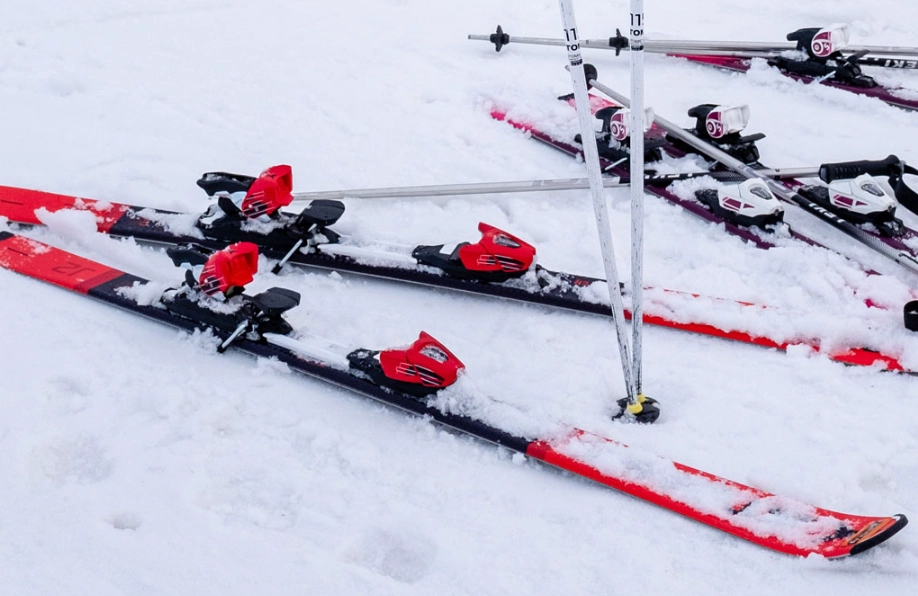
And here's a personal opinion that might ruffle some feathers: spending over $1000 on your very first set of skis is almost always a mistake. You're paying for performance features you can't yet use or feel. It's like learning to drive in a Formula 1 car. Weird analogy, but you get the point.
Breaking Down the Numbers: Where Does Your Money Actually Go?
Before we get into specific price brackets, you need to know what you're buying. A "pair of skis" often doesn't include bindings (the things that connect your boot to the ski). Shops usually sell them separately. Then you need boots. It's a package deal.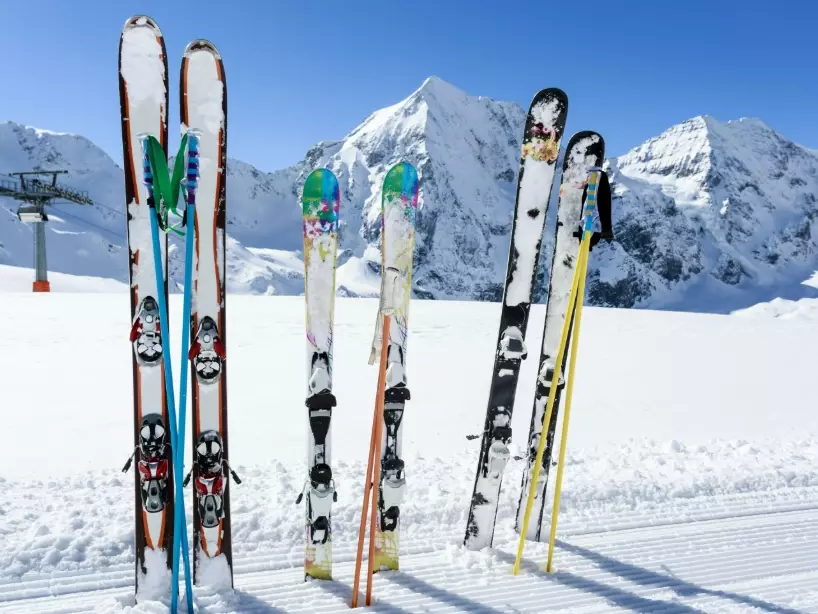
Quick Reality Check: When you see an ad for "skis for $299," ask: Does that include bindings? If not, add $100-$200 for bindings and another $50-$80 for a shop to mount them. Suddenly that $299 is closer to $500. See how that works?
So, what are you paying for in a beginner ski? The technology is actually pretty focused:
- Forgiveness: This is the big one. Beginner skis are designed to be stable, not too fast, and easy to turn. They have softer flex, which means they're more tolerant of your imperfect balance and movements. You're paying for that confidence-building design.
- Rocker Profile: Most modern beginner skis have tip rocker (the front of the ski curves up). This makes initiating turns easier and prevents the dreaded "tip dive" in soft snow. It's a feature borrowed from advanced skis that genuinely helps newbies.
- Construction: Beginner skis use materials that keep the cost down but are durable enough for groomed runs. Think foam cores, simple wood laminates, and less exotic materials. They're built to take a beating from a learner, not to win a race.
You're not paying for the ultra-lightweight carbon, the super-stiff racing cores, or the complex multi-radius sidecuts that experts crave. You're paying for a tool that helps you learn without fighting you.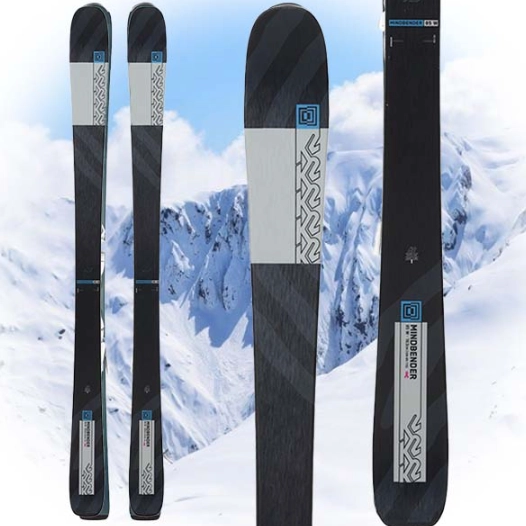
The Beginner Ski Price Spectrum: From Bargain to "Are You Sure?"
Alright, let's get into the meat of it. Here’s a realistic breakdown of what you can expect at different price points. This table assumes we're talking about a package—skis with bindings already mounted. Boots are a separate but equally crucial purchase, usually adding $200-$400.
| Price Bracket (Skis + Bindings) | What You Typically Get | Who It's For | Biggest Trade-off |
|---|---|---|---|
| Under $300 | Entry-level models, often from previous seasons. Basic construction, softer flex. Bindings are entry-level but certified for safety. May be a "ski-in-bag" package from big-box stores. | The absolute beginner on a tight budget who plans to ski 1-3 times a season and stick to green/easy blue runs. | Durability and performance ceiling. These can feel "dead" or sluggish as you improve. The bindings might have a lower DIN range, fine for lighter, cautious skiers. |
| $300 - $500 | The Sweet Spot for Most Beginners. Current or last year's models from reputable brands (Rossignol, K2, Salomon, Atomic). Good balance of forgiveness and some progression potential. Reliable, brand-name bindings. | The committed beginner planning to ski 5+ days a season and aiming to progress to intermediate terrain. Offers the best value for money and room to grow. | You might outgrow them in 1-2 seasons if you progress quickly. They won't have the high-speed stability of more expensive skis. |
| $500 - $700 | High-performance beginner or low-end intermediate skis. Better materials (lighter wood cores, better damping). More sophisticated construction for smoother turns. Higher-quality bindings with more adjustment. | The fast learner or someone who is already athletic and confident they'll progress rapidly. Also good for heavier skiers who need a sturdier build. | Cost. You're paying for features you may not fully utilize in your first season. Could be overkill if you're unsure about your commitment level. |
| $700+ | True intermediate or advanced skis marketed as "easy to use." Top-tier materials and construction. Often wider for all-mountain use. | Honestly, rarely a true beginner. This is for someone who is basically intermediate from day one (rare) or has unlimited budget and hates the idea of buying twice. | The high price tag for minimal beginner benefit. These skis may actually be less forgiving and require more precise input, which can hinder learning. |
Looking at that table, the $300-$500 range jumps out, doesn't it? That's where the market is most competitive, and where you'll find the most recommendations from experienced skiers and fitters. It answers the question "how much should a good pair of skis cost for beginners" with a practical, value-focused number.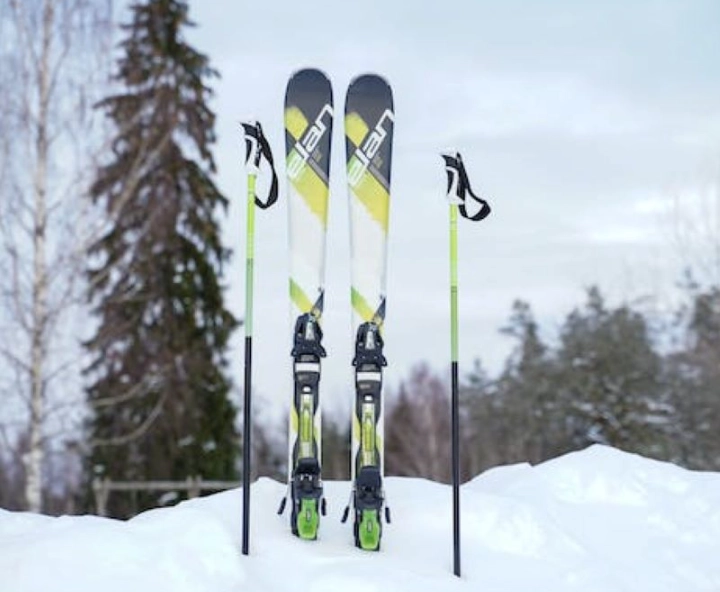
The Hidden Costs & The Boots Dilemma
We've focused on skis, but boots are arguably more important. Uncomfortable boots ruin your day, period. A good beginner ski boot fitting can cost $250-$400. It's a separate investment, but skimping here is the biggest false economy in skiing. A well-fitted $300 boot is infinitely better than a poorly fitted $500 boot.
Then there's the other stuff:
- Poles: $30-$60. Don't overthink these.
- Helmet: Non-negotiable. $80-$150 for a good, certified one.
- Goggles: $50-$150. Important for visibility.
- Apparel (Jacket, Pants, Gloves): This can be a rabbit hole. You can spend hundreds, but functional layers are key.
So your total "getting started" gear investment, if buying everything new, can easily land between $800 and $1500. That's the full picture most beginners need to see.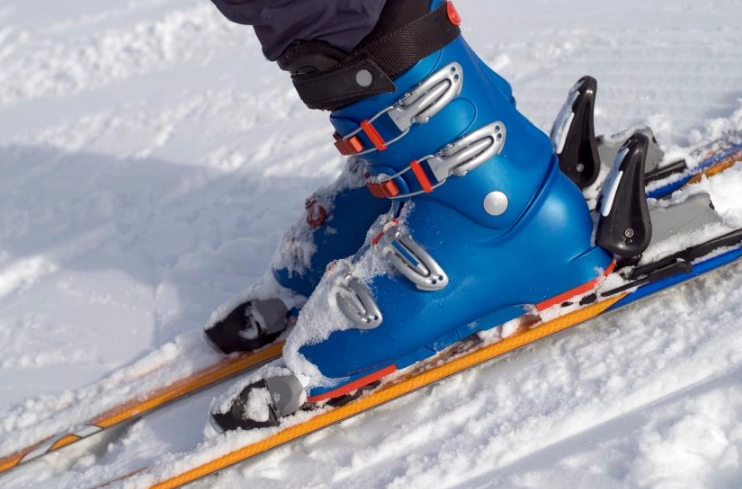
New vs. Used vs. Demo vs. Season Rental: The Real Cost Analysis
Buying new isn't your only option. Let's compare the pathways, because the cheapest upfront cost isn't always the best long-term value.
The Used Market Caution: Used skis can be a fantastic deal... or a money pit. You must know what to look for: damaged edges, deep core shots, delamination, and most critically, the binding indemnification list. Bindings have a serviceable life, and shops will not work on old, un-indemnified models for liability reasons. Always check with a shop before buying used skis with bindings. The Snowsports Industries America (SIA) website is a good resource for understanding gear safety standards, though they don't maintain the indemnification lists—your local shop does.
Season Long Rental: For $150-$300, you can rent a full setup (skis, boots, poles) for the entire season. This is a brilliant option for your first year. You get decent gear, no maintenance worries, and if you don't like skiing, you're not stuck with equipment. It directly addresses the uncertainty that makes the "how much should a good pair of skis cost for beginners" question so stressful.
Demo Skis: Renting high-end demos every time you go is expensive. But many shops offer "demo-to-own" programs where a portion of your rental fees goes toward purchasing the skis. This is a great way to try different models before you buy, but it's more of an intermediate strategy.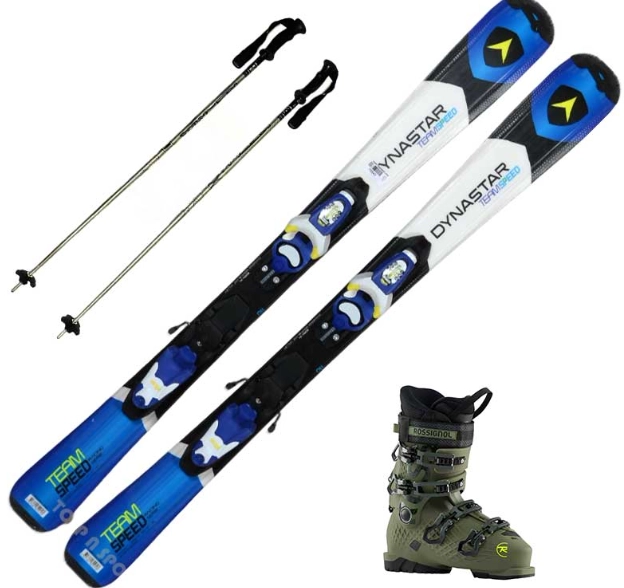
The Math: If you ski 10 days, a season rental at $250 breaks down to $25/day. To beat that by buying, your new $500 skis would need to last 20 days just to break even on the ski cost, not including boots. For a true beginner, the season rental often wins Year 1.
When to Buy: Timing Your Purchase to Save Big
This is a pro-tip that can save you hundreds. The ski retail cycle is very predictable.
- Best Time to Buy (Cheapest): Late March through September. Shops are clearing out last season's inventory. The selection might be picked over, but the discounts are deep (30-50% off). This is when I buy most of my gear.
- Worst Time to Buy (Most Expensive): November through January. Demand is high, new full-price stock has just arrived.
- Good Time to Buy (Balance): February. Some early-season models might go on sale as shops assess stock.
Buying in the spring for the next season is the single smartest financial move a beginner can make. You get current technology at a fraction of the price. The skis don't care if they're "last year's model." The performance difference is almost always negligible for a beginner.
Answering Your Burning Questions (The FAQ Section)
Putting It All Together: A Step-by-Step Decision Guide
- Assess Your Commitment: Be brutally honest. Are you going once with friends, or are you determined to make this a winter hobby? For 1-3 days, rent. For a full season of learning, consider a season rental.
- Set Your Total Budget: Include skis, bindings, boots, helmet, and poles. If your total is under $800, a season rental or buying used + new boots is your best bet.
- Buy Boots First, and Get Fitted: Go to a reputable shop, spend at least an hour, and get the best-fitting boots in your budget. This is non-negotiable. A good shop fitter is your most valuable resource. The REI Expert Advice on boot fitting outlines why the process is so important, even if you don't buy from them.
- Find the Skis: If buying new, target the $300-$500 range for skis+bindings. Look for last season's models in the spring. If buying used, bring a knowledgeable friend or have a shop inspect them before you pay.
- Factor in Maintenance: Skis need edges sharpened and bases waxed. A seasonal tune costs $40-$60. It extends the life of your skis dramatically.
So, after all this, what's the final answer to "how much should a good pair of skis cost for beginners"?
For a new, quality setup that offers forgiveness and room to grow, plan on $400 to $600 for skis and bindings. Pair that with $250 to $400 for professionally fitted boots. This $650-$1000 total investment will serve a dedicated beginner excellently for multiple seasons. If that number surprises you, start with a season rental. There's no shame in that game at all.
The goal isn't to buy the cheapest thing or the best thing. It's to buy the right thing that gets you on the snow, learning confidently, without regretting your purchase. You can always upgrade later. The first purchase is just about getting started without getting ripped off or, just as bad, getting gear that holds you back. Now go enjoy the learning process—the slipping, the sliding, the eventual glorious turns. That's what you're really paying for.
Related Articles


Comments
Join the discussion