Quick Navigation
- The Heart of the Matter: Renting vs. Buying Ski Equipment
- The Decision Matrix: When to Rent, When to Buy
- Breaking Down the Costs: The Real Math of Ski Rental vs. Purchase
- How to Rent Ski Gear Like a Pro (And Avoid the Pitfalls)
- Answering Your Burning Questions (FAQs)
- The Sustainability Angle & Industry Perspective
- The Final Verdict: So, What Should YOU Do?
Let's be honest, that's the question buzzing in your head right now. You're looking at a new ski trip, maybe your first in a while, or perhaps you're a beginner wondering how to start without breaking the bank. The price tags on skis, boots, and bindings can be downright scary. So, can you just rent everything and call it a day?
The short answer is a resounding yes, you absolutely can. In fact, for a huge number of people, renting ski gear is not just a viable option—it's the smartest one. But like anything, it's not a perfect fit for everyone. I've been on both sides of this fence. I've lugged my own gear through airports (never again), and I've also ended up with rental boots that felt like medieval torture devices. It's a mixed bag.
This guide isn't going to just tell you "sometimes rent, sometimes buy." We're going to dig into the gritty details. We'll compare costs down to the dollar, talk about the real feel of rental vs. owned gear, and walk you through the entire rental process so you know exactly what to expect. By the end, you'll know whether renting ski gear instead of buying is your ticket to slope happiness or a path you should avoid.
The Heart of the Matter: Renting vs. Buying Ski Equipment
This is the core debate. To figure out if you can rent ski gear instead of buying, you need to see them side-by-side. It's not just about money; it's about convenience, performance, and even your skiing future.
Why Renting Ski Gear Makes So Much Sense
Let's start with the upsides, because for many, they're massive.
- Low Upfront Cost: This is the big one. For the price of a single mid-range ski boot, you could rent a full setup (skis, boots, poles) for a week or more. It turns a multi-thousand dollar investment into a manageable trip expense. Perfect if you're on a budget or ski infrequently.
- No Maintenance Headaches: Tuning, waxing, edge sharpening, repairing base damage... it all adds up in cost and time. When you rent, you hand the gear back. Any damage (within reason) and maintenance is the shop's problem. I can't tell you how freeing that is.
- Travel Ease: Flying with skis is expensive, awkward, and stressful. Airlines charge a fortune for oversized bags. Renting at your destination means you walk off the plane with just a suitcase. This alone is a game-changer.
- Try Before You Commit: Are you a carving enthusiast or a powder hound? Renting lets you experiment with different ski types, lengths, and brands. You might think you want one thing, but a day on a different model can change your mind. It's the best way to figure out what you really like before dropping serious cash.
- Always Current Tech: Good rental shops cycle their fleets every season or two. You're often getting relatively modern gear with recent advancements. If you buy, your tech starts aging the day you walk out the door.
- Great for Growing Kids: If you have kids who shoot up two inches every winter, renting is a no-brainer. Buying new gear every season is financial madness.
The Downsides of Renting (The Stuff No One Talks About)
It's not all sunshine. Here's what can go wrong, often because people don't know how to rent properly.
- The Fit Gamble: This is the #1 complaint. Rental boots, in particular, can be uncomfortable if the shop is busy or the fitter is inexperienced. A poorly fitted boot ruins your day. I've had boots that were too big (causing awful control) and others that were too small (pure agony). It's a risk.
- Performance Ceiling: While tech is modern, rental skis are built to be durable and forgiving, not high-performance. They're often heavier, softer, and less responsive than the premium models you'd buy. An expert skier might find them dull or sluggish.
- Consistency & Wear: You don't know the history of that ski. It might have a hidden base grind or a subtle edge issue from a previous renter. Owned gear feels the same every time you use it.
- Long-Term Cost: If you ski more than 10-15 days a season, the math flips. The cumulative cost of rentals over several years will far exceed the one-time purchase price of your own gear.
- Hassle of Pickup/Return: You have to go to the shop, get fitted, and return the gear. On arrival and departure days, that's extra time you're not on the mountain or relaxing.
The Decision Matrix: When to Rent, When to Buy
So, can you rent ski gear instead of buying? Let's make this personal. Here’s a simple table to guide your choice based on who you are as a skier.
| Your Ski Profile | Verdict: Rent or Buy? | Why It Makes Sense |
|---|---|---|
| The Beginner/First-Timer | RENT (100%) | You have no idea what you need or if you'll even like skiing. Renting is low-risk and part of the learning package at most hills. |
| The Occasional Skier (1-2 trips/year) | RENT | The economics work. You avoid storage, maintenance, and travel costs for gear you barely use. |
| The Intermediate Developing Style (5-10 days/year) | CONSIDER HIGH-END RENTAL | You're finding your style. Use "demo" or "performance" rentals to try different skis each trip. It's an education. |
| The Frequent Local Skier (15+ days/year) | BUY | You'll save money in 1-2 seasons. You need consistency and performance that matches your skill. |
| The Expert/Purist | BUY | You have specific, high-performance needs. Rental gear won't cut it. You want a precise, personalized setup. |
| The Family with Kids | MIXED | Buy for the adults who ski often, rent for the kids who grow like weeds. Or rent everything for a stress-free trip. |
| The International Traveler | RENT | Unless you're rich, flying gear internationally is a logistical and financial nightmare. Rent at the destination. |
See where you fit? That's half the battle won.
Breaking Down the Costs: The Real Math of Ski Rental vs. Purchase
Everyone throws around numbers, but let's get specific. Let's assume a mid-range setup: Skis with bindings ($600), Boots ($400), Poles ($50). Total: ~$1050. Add a tune-up each season ($60) and maybe a repair ($100 every few years).
Now, rental. A standard adult package might be $40-$60 per day. A performance/demo package jumps to $60-$90 per day. Many shops offer multi-day discounts. For a 5-day trip, you might pay $200 for standard or $350 for performance.
Here's the break-even point: If you buy for $1050, you'd cover that cost in about 17-21 days of standard rentals, or 12-17 days of performance rentals. If you ski more days than that over the life of the gear (say, 4-5 seasons), buying wins. If you ski less, renting wins.
But wait. Did you factor in the $150 airline fee to fly with skis round-trip? Or the $200 roof box for your car? Or the space in your garage? Renting often includes these hidden costs of ownership.
A Personal Story: I bought my first "nice" ski setup after 3 years of renting. I calculated I'd skied 25 days in those years. Financially, I'd already passed the break-even point. But more importantly, the difference in feel was night and day. My own boots, molded to my feet, changed my skiing. That's when buying made sense for me. But for my friend who goes once every two years? He'd be crazy to buy.
How to Rent Ski Gear Like a Pro (And Avoid the Pitfalls)
If you decide to rent, doing it right is everything. A bad rental experience gives the whole concept a bad name. Follow these steps.
Step 1: Book Online, In Advance
Never, ever just walk in on the first morning of your trip. You'll be stressed, the shop will be chaotic, and the fitter will be rushed. Book online weeks ahead. You'll often get a 10-25% discount, guarantee availability (especially for larger sizes), and save a ton of time. Sites like SkiRentals.com aggregate shop inventories, but booking directly with a reputable local shop at the mountain is often best.
Step 2: Know Your Info & Ask for the Good Stuff
When you book or walk in, know your height, weight, skier type (beginner, intermediate, advanced), and boot size (your regular shoe size is a start). Don't be shy. Ask if they have a "performance," "demo," or "premium" rental fleet. This costs more but gets you into gear that's much closer to what you'd buy. It's worth the upgrade if you're past the beginner stage.
Step 3: The Boot Fitting is Sacred
This is the most critical 15 minutes of your rental. Speak up!
- Socks Matter: Wear the thin, ski-specific socks you plan to ski in. No cotton gym socks!
- Toes Should Feather the Front: When you stand up straight, your toes should just lightly touch the end of the boot liner. When you flex forward into a skiing posture, they should pull back slightly.
- No Heel Lift: Your heel must be locked down. If it slides up when you flex, the boot is too big.
- Comfort vs. Performance: Rental boots will feel snug, almost tight. They shouldn't cause sharp pain or numbness. Tell the fitter exactly where it hurts. They have tools to adjust ("punch out") certain areas. A resource like the U.S. Ski & Snowboard site emphasizes proper fit as fundamental to safety and performance.
A good boot fitter is worth their weight in gold. Tip them if they spend extra time with you.
Step 4: Ski Selection & Final Check
For skis, trust the shop's recommendation based on your size and level. Before you leave, understand the binding release settings (they'll set them based on your weight/level—don't touch them!). Know how to carry them and how the brakes work. Ask about their damage policy. Usually, you're responsible for loss or gross negligence, not minor scratches.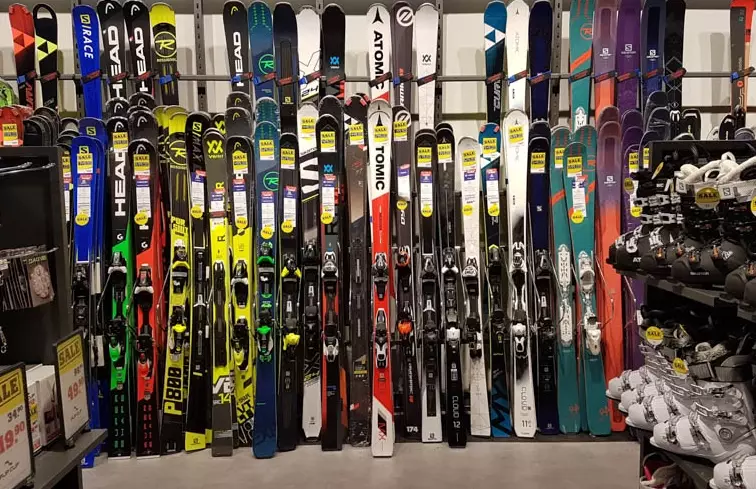
Answering Your Burning Questions (FAQs)
The Sustainability Angle & Industry Perspective
This is becoming a bigger deal, and it's a solid point for renting. The ski industry is increasingly aware of its environmental footprint. Renting promotes a circular economy—one set of skis serves dozens of people over its life, maximizing resource use. Buying new gear every few years creates more waste.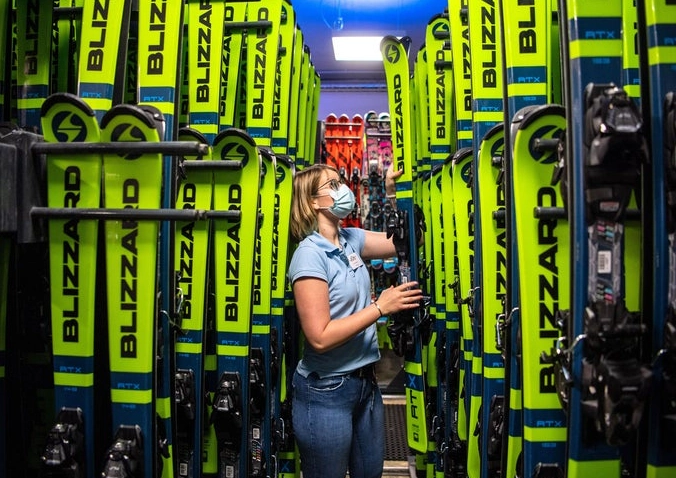
Organizations like the National Ski Areas Association (NSAA) promote sustainable practices on mountains, and efficient gear use is part of that picture. Renting, when you don't need to own, is a more sustainable choice. It's a small thing, but it matters.
The Final Verdict: So, What Should YOU Do?
Look, the question "can I rent ski gear instead of buying" isn't a yes/no. It's a "it depends on YOU."
If you're just starting out, ski infrequently, travel to ski, or have growing kids, then renting is not just okay—it's the brilliant, obvious choice. It saves money, hassle, and lets you focus on the fun.
If you're a dedicated skier who hits the slopes every weekend, has a clear preference for specific equipment, and values peak performance, then owning your gear is part of the passion. It's an investment in your sport.
For the huge group in the middle—the progressing intermediate—I'd argue for a strategy of "rent to learn, then buy." Use performance rentals for a season or two. Try a powder ski one trip, a carving ski the next. Pay attention to what you like. When you find yourself craving the same feel every time you go out, that's your signal to buy. You'll be an informed consumer and you'll get gear you truly love.
Ultimately, the beauty of modern skiing is that you have the choice. The rental systems at most resorts are highly sophisticated. You can get great gear without the commitment. So don't let the fear of cost hold you back from a ski trip. Walk into a good shop, communicate clearly, and you can absolutely have an amazing time on rented skis. Maybe forever, or maybe just until you're ready for the next step.
Now go check the snow report. Your skis are waiting, whether they have your name on them or just your name on a rental contract.
Related Articles



Comments
Join the discussion