Explore the Guide
Alright, let's tackle the million-dollar question head-on: what brand has the best skis? If you're expecting a single name, I've got bad news for you. The ski industry isn't like picking a smartphone where one brand dominates. Asking "what brand has the best skis?" is like asking what brand makes the best food. It depends entirely on what you're hungry for, your budget, and frankly, your taste buds.
I've been skiing for over twenty years, tested more planks than I can count, and had my share of both glorious float days and frustrating gear choices. The truth is, the "best" brand for a World Cup racer is a terrible choice for a beginner hitting the green slopes for the first time. The best brand for deep Japanese powder might feel like a concrete slab on East Coast ice. So, instead of a useless ranking, let's break down which brands excel at what, who they're for, and how to match a brand's philosophy to your own skiing.
Why "Best" is a Moving Target
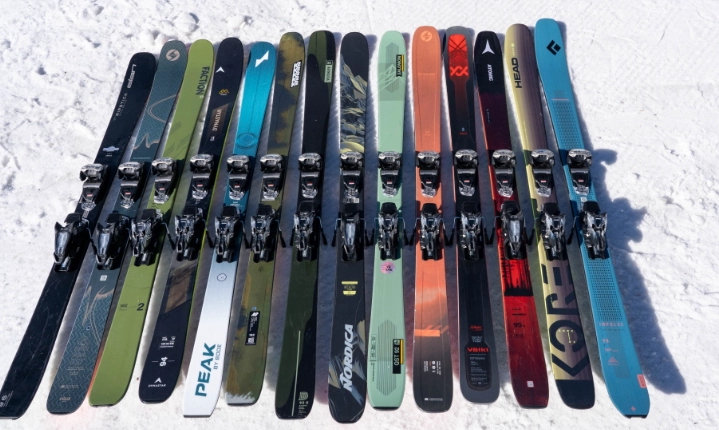
Before we dive into names, we need to understand why the question "what brand has the best skis?" is so complex. A ski isn't just a plank of wood and plastic. It's a carefully tuned system of materials, shape (or sidecut), flex, and rocker profile. Different brands prioritize different elements of this system.
Some brands, like Atomic and Rossignol, have massive racing heritages. Their DNA is built on precision, edge hold, and high-speed stability. Others, like K2 and Line Skis, grew from a freestyle and playful mindset. Their skis prioritize pop, forgiveness, and being easy to swing around. Then you have brands like DPS and Faction that emerged from a pure passion for deep snow and big mountain lines, focusing on lightweight construction and powder-specific shapes.
The construction matters too. Are you looking for damp, powerful skis made with metal laminates (like many from Blizzard or Stöckli)? Or are you after a lighter, more playful feel from carbon and fiberglass (common in Armada or Moment skis)? Your answer to that question immediately narrows the field of "best" brands.
And let's not forget the skier. I made the mistake early on of buying a pair of hyper-stiff, race-derived skis because a magazine said they were the "best." For my intermediate skill level at the time, they were unforgiving, exhausting, and frankly, not much fun. They were the best skis... for someone who wasn't me.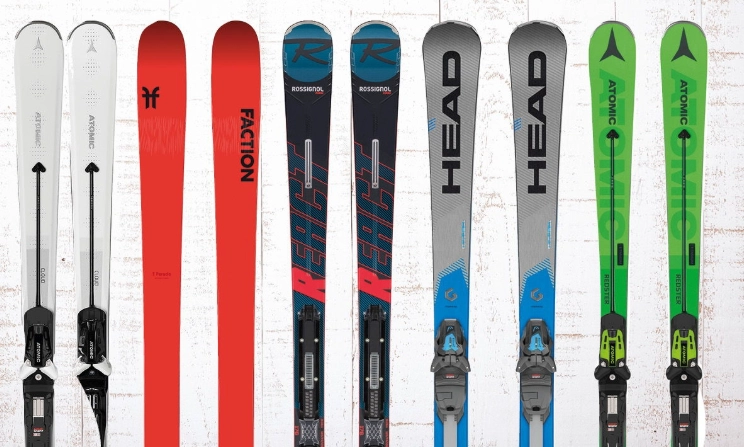
Breaking it Down by Skier Type: Who Shines Where?
This is the most practical way to approach it. Let's match skier profiles to the brands that consistently knock it out of the park for them.
For Beginners & First-Time Buyers
If you're just starting out, your needs are simple: forgiveness, ease of turning, and a confidence-inspiring feel. You don't need a Ferrari; you need a reliable, easy-to-drive sedan.
Rossignol: Their Experience series (like the Experience 78) is a benchmark for a reason. They're incredibly easy to get along with, smooth, and provide a stable platform to learn on. Rossignol has been making skis for nearly 115 years, and that experience in creating accessible skis shows. You can find good deals on their beginner/intermediate models, too.
Elan: Don't sleep on Elan. Their Amphibio technology, with a distinct left and right ski, genuinely makes initiating turns easier for new skiers. It's not a gimmick; it works by pre-cambering the ski to match your natural edging. For someone asking "what brand has the best skis for learning?", Elan deserves a long, hard look.
K2: The Mindbender series, especially in the lower tier models, is known for being friendly and versatile. K2 injects a bit of that playful DNA even into their beginner skis, which can make the learning process more enjoyable and less rigid.
For the Advancing Intermediate to Advanced All-Mountain Skier
This is the biggest category and the bloodiest battlefield for brands. You want one or two quiver skis that can handle everything from groomers to chopped-up crud, maybe even venture into some trees or soft snow. You want performance, but not a demanding race machine.
This is where the question "what brand has the best skis?" gets the most heated debate.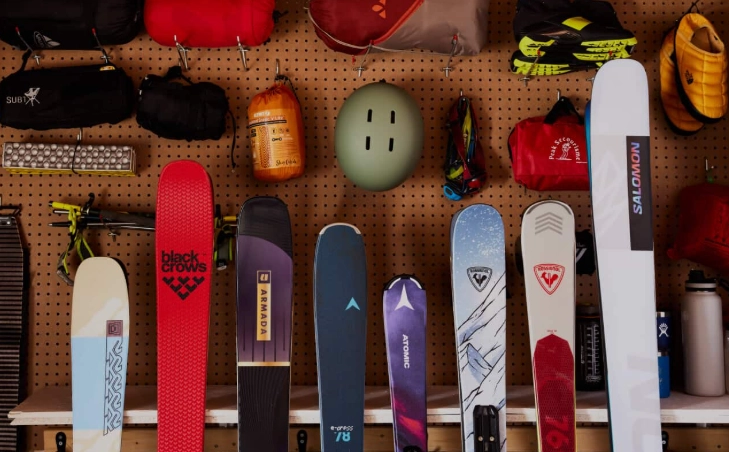
Blizzard: The Brahma and Bonafide are legends for a reason. They are the gold standard for a powerful, charger-oriented all-mountain ski. If you like to drive your skis hard and plow through anything, Blizzard is frequently the answer. They have a cult following among strong skiers who value sheer performance above all else.
Stöckli: The Swiss watchmakers of the ski world. Impeccable build quality, sublime smoothness, and a price tag to match. A Stormrider or Laser AX from Stöckli is a thing of beauty—incredibly refined, precise, and rewarding for a skilled pilot. They're not the most playful or pivoty, but for pure, refined carving and all-mountain composure, they are arguably unmatched. You pay for it, though.
Head: With their Koroyd and Graphene technologies, Head makes incredibly strong, responsive, and often surprisingly lightweight skis. The Kore series and the legendary Supershape titans are favorites for skiers who want modern, tech-heavy construction that delivers serious performance.
Nordica: The Enforcer series is the perfect counterpoint to the Brahma. It's just as capable and powerful but has a slightly more accessible, playful tail. It's become arguably the most popular high-performance all-mountain ski on the planet because it delivers huge performance without requiring a World Cup racer's legs to manage it. A masterclass in balanced design.
Armada: Born from the freeskiing world, Armada's ARV and Declivity lines bring a freestyle-inspired sensibility to all-mountain skiing. They're quick, poppy, love to be spun around, and are incredibly fun in bumps and trees. You sacrifice a tiny bit of ultimate high-speed dampness for a huge gain in agility.
Faction: Similar story. The Agent and Prodigy series are built by and for skiers who spend as much time in the air as on the snow. They're lightweight, energetic, and designed for creativity. If your "all-mountain" includes side hits and switch landings, Faction is a top contender.
| Brand | Flagship All-Mountain Model | Core Strength | Best For Skier Who... |
|---|---|---|---|
| Blizzard | Bonafide 97 | Power, Dampness, Crud-Busting | Charges hard, values stability over everything. |
| Nordica | Enforcer 100 | Balanced Performance, Accessibility | Wants top-tier performance without a huge skill demand. |
| Armada | ARV 96 | Playfulness, Agility, Pop | Lives in the trees & bumps, values quickness. |
| Stöckli | Stormrider 102 | Refined Precision, Build Quality | Appreciates fine engineering & smooth carving. |
See what I mean? Asking what brand has the best skis in this category is pointless without context. The Blizzard skier and the Armada skier are looking for fundamentally different sensations.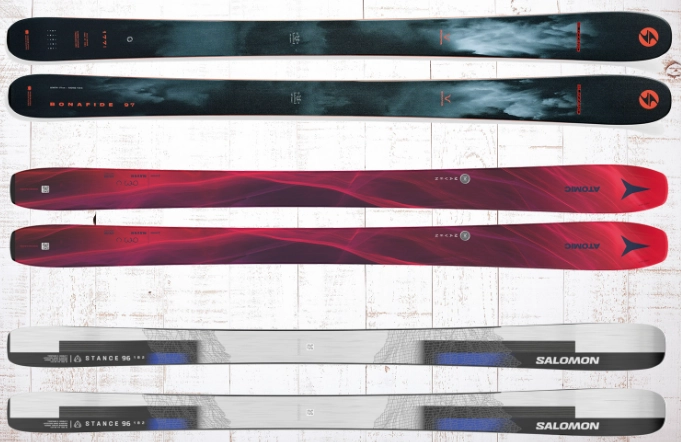
For the Powder Hound & Big Mountain Enthusiast
When the snow dumps deep, priorities shift. You need width (110mm+ underfoot), early rise rocker in the tip and tail, and often a lighter construction to make those big mountain hikes manageable.
DPS Skis: They pioneered the use of carbon fiber (their patented Pagoda construction) and shaped rocker profiles specifically for powder. DPS skis are incredibly light, unbelievably quick to pivot in tight trees, and have a cult-like following. They are expensive, but for a dedicated powder ski, many find them worth it. The construction is unique and highly engineered.
Moment Skis: Hand-built in Reno, Nevada, Moment is the darling of the core freeskier crowd. They are not the lightest, but they are built like tanks—incredibly durable and powerful. The Deathwish and Wildcat models are icons. They have a distinct, slightly more traditional feel compared to DPS (more wood, less carbon), which some prefer for charging variable snow. Their customer service and brand community are legendary.
4FRNT: Another skier-owned brand with a fierce reputation in the big mountain space. The MSP and Renegade skis are known for their versatility in powder and their smooth, surfy feel. They often feature more progressive mount points and shapes that favor a centered, fluid style.
Black Crows: The French brand took the market by storm with their bold graphics and fantastic all-around performance. While not exclusively a powder brand, their Corvus and Anima models are exceptional in soft snow. They strike a great balance between playfulness and stability.
I have a pair of older Moments that have survived rock hits that should have snapped them in half. That durability matters when you're skiing away from the groomers. On the other hand, the first time I tried a friend's DPS spoon in deep snow, the effortless float and agility were eye-opening. Different tools.
For the Park & Freestyle Jedi
The park is its own universe. Here, durability, twin-tip design, symmetrical flex, and pop are king. Weight is also a factor for spins.
Line Skis: Arguably the most iconic park brand. The Chronic and Blade models are staples in terrain parks worldwide. They're designed to be buttery, pressable, and forgiving on landings. The brand ethos is pure fun.
Faction & Armada: Again, these two are giants here. The Faction Prodigy and Armada ARV lines are what you see under the feet of countless pros. They offer more progression-oriented models too, perfect for someone moving from all-mountain into the park.
ON3P: Like Moment, ON3P is a boutique US brand known for insane durability. Their park skis, like the Jeffrey, can take a brutal beating from rails and hard landings. They're a bit heavier, but that translates to stability on big jumps and through chop.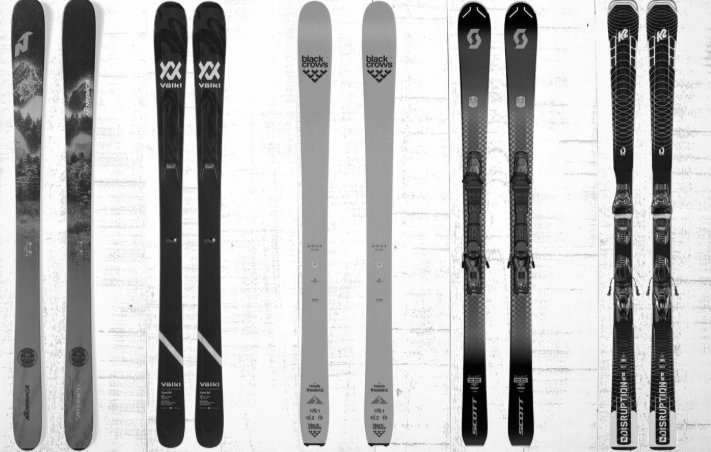
So, What Brand *Actually* Has the Best Skis? Let's Get Specific.
Fine, you want a straight answer. Based on consensus, critical acclaim, and sheer market presence across the broadest range of skiers, if I had to name one brand that consistently answers the question "what brand has the best skis?" for the most people, it would be Nordica.
Why? The Enforcer series. It's a phenomenon. It delivers 95% of the high-performance capability of the stiffest chargers (like Blizzard) but makes it accessible to a much wider range of advanced intermediates and experts. It's not the absolute best at any one thing (the Blizzard is more powerful, the Stöckli is more refined, the Armada is more playful), but it's arguably the best at doing *everything* very, very well. It's the ultimate compromise that doesn't feel like a compromise. That's an incredibly hard thing to achieve.
But—and this is a huge but—that's for the *all-mountain, one-ski quiver* category. For pure carving? Stöckli or Head. For deep powder? DPS or Moment. For park? Line or Faction. Nordica's dominance is in that critical, crowded center of the market.
Common Pitfalls & How to Avoid Them
Thinking about what brand has the best skis often leads to these mistakes:
- Buying the Pro's Ski: Just because your favorite athlete skis on the stiffest, most aggressive model doesn't mean you should. You'll likely have more fun on a softer, more forgiving version from the same brand.
- Ignoring the Model, Obsessing over the Brand: Every brand makes both great and mediocre skis. A beginner K2 is completely different from an expert K2. Focus on the specific model series and its intended use.
- Getting Sucked into Marketing Buzzwords: "Carbon hyperframe" and "turbocharged titanal" sound cool. Ask what they actually *do*. Does it make the ski lighter? Stiffer? Damp? Reliable reviews from sources like Blister Review cut through this by doing deep, long-term gear tests.
- Not Demoing: This is the #1 rule. Your body, your style, your perception of "fun" are unique. A ski that feels intuitive to me might feel dead to you. Most shops have demo programs. Use them. It's the only way to truly know. The Professional Ski Instructors of America (PSIA) often have great resources on learning fundamentals that can help you understand what you need from your equipment.
Final Word: It's a Matchmaking Game
So, what brand has the best skis?
Hopefully, you now see that's the wrong question. The right question is: "What brand and model is the best match for *me*?"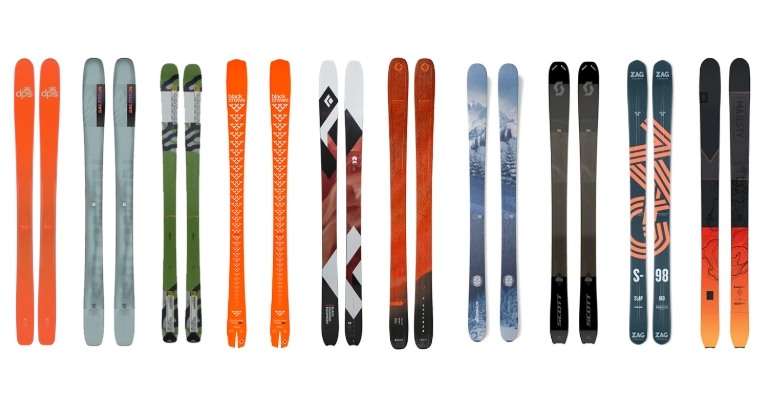
Start with an honest assessment of yourself: ability level, where you ski most, how you like to ski (aggressive charger vs. playful surfer), and what you want to improve. Then, match that profile to a brand's design strengths.
For the advancing all-mountain skier who wants a do-it-all workhorse, Nordica's Enforcer is hard to beat. For the hard-charging traditionalist, Blizzard or Stöckli. For the playful, creative skier who loves trees and bumps, Armada or Faction. For the dedicated powder seeker, DPS or Moment.
The best ski in the world is the one that puts the biggest smile on your face, that makes you feel confident and capable, and that you can't wait to strap on again. That brand is out there. It's not about finding the "best" in an absolute sense. It's about finding your best.
Now go demo some skis.