In This Deep Dive
Let's be honest, the first time you see the price tag on a Goldbergh sweater, you do a double-take. It's a reaction I've had myself, standing in a boutique, running my fingers over unbelievably soft cashmere, then glancing at the number on the little white label. A quiet internal scream. "For a sweater?"
It's a question that pops up in online forums, in conversations between friends considering a big purchase, and clearly, in search bars: Why is Goldbergh so expensive? Is it just clever marketing and a fancy logo, or is there something more substantial going on? After digging into it, talking to people in the know, and even visiting a stockist to see the pieces up close, I realized the answer isn't simple. It's a layered story about scarcity, human skill, and a very specific philosophy about what clothing should be.
Most of us are used to fast fashion prices. We're conditioned to think a pullover should cost a certain amount. Goldbergh operates in a completely different universe, and understanding that universe is key. So, let's peel back the layers, one by one, and look at where your money actually goes when you buy from this brand. You might be surprised at what you find.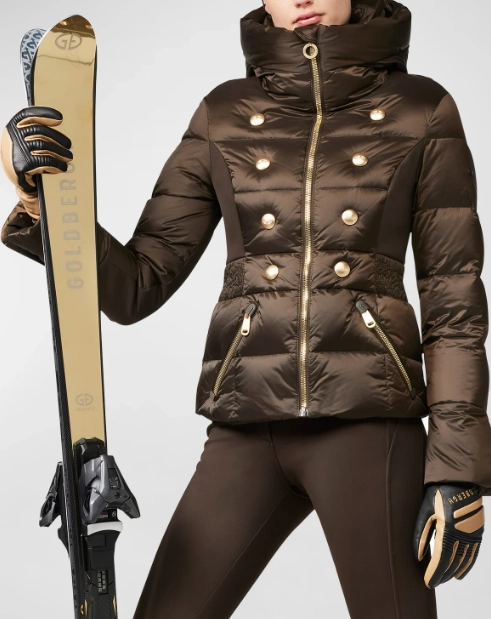
The short answer? It's a perfect storm of the world's most exclusive raw materials, painstaking artisanal craftsmanship that borders on obsession, minimalistic yet complex design, and a business model that rejects mass production. Every single element is optimized for quality and longevity, not for cost-cutting.
The Core Cost Drivers: It Starts Before the First Stitch
To really get why Goldbergh commands such prices, you have to start at the very beginning. This isn't just about adding a profit margin at the end. The cost is baked into the process from day one.
1. The Raw Material: Not All Cashmere is Created Equal
"Cashmere" has become a bit of a buzzword, often used loosely. But the difference between average cashmere and what Goldbergh uses is like the difference between a grocery store tomato and a sun-ripened heirloom from a small farm. Goldbergh sources what is often called "baby cashmere" or the finest long hairs from the undercoat of Hircus goats in specific regions of Inner Mongolia and Outer Mongolia. This isn't just marketing poetry.
The fibers are longer, finer (often below 15 microns in diameter), and stronger than standard cashmere. Longer fibers mean less pilling and a smoother, more durable yarn. Finer fibers create that legendary, cloud-like softness against the skin. Sourcing this grade is incredibly difficult. A single goat produces only about 100-150 grams of this usable underdown per year. It takes the annual yield of 3-4 goats to make just one sweater. Let that sink in.
Then there's the sorting and de-hairing process. Lower-grade producers might mix in coarser guard hairs to increase volume. High-end producers like Goldbergh's suppliers meticulously remove every single coarse hair by hand and machine, a time-consuming process that results in a much lower yield of usable material but an infinitely superior one. You're paying for that ruthless editing. The Cashmere and Camel Hair Manufacturers Institute provides standards and education on these grading differences, highlighting why origin and processing are everything.
2. The Manufacturing: Where Hands Replace Machines
Okay, so they have amazing wool. Now what? This is where the "how" becomes just as important as the "what." Goldbergh's production is heavily reliant on specialized artisans, particularly in Italy and Scotland, regions with centuries of textile heritage.
We're talking about processes like:
- Hand-linking: The sleeves and body of sweaters are often knitted separately and then joined by hand using a meticulous linking stitch. This creates a seamless, bulky-free shoulder that is stronger and more flexible than a machine-linked seam. It takes a skilled linker about 20-30 minutes per garment. A machine does it in seconds.
- Hand-finishing: Every end of yarn is hand-woven back into the interior of the garment. Every seam is checked and reinforced by hand. Buttons are often sewn on with a thread chain, allowing movement and reducing stress on the fabric.
- Specialized knitting: Their complex jacquard patterns and intarsia designs (those clean, color-blocked shapes) require sophisticated, slow-moving knitting machines operated by highly experienced technicians. The setup time for a single pattern can be hours.
This human touch is irreplaceable. It's also incredibly expensive. Labor costs in these European workshops are high, and the skill is rare. The brand isn't outsourcing to countries with low labor costs; it's investing in expertise that ensures consistency and perfection. You can read about the value of this kind of artisanal textile production on sites like the Swiss Textile Federation, which champions high-quality manufacturing.
Why does this matter? Because a machine-pressed seam can be abrasive. A poorly finished end can unravel. These hand-done details are what make the garment feel like a second skin and last for decades, not just a few seasons.
3. Design & Development: The Hidden Investment
Goldbergh's aesthetic is minimalist—clean lines, solid colors, subtle textures. This can be deceiving. Simple-looking design is often the hardest to execute perfectly because there's nowhere to hide flaws. The fit, the drape, the weight of the fabric, the precise shade of a color—all of this is agonized over.
Their design team spends months developing new yarn blends, perhaps mixing their premium cashmere with a hint of extra-fine merino for structure, or with silk for a summer-weight piece. Each prototype is knitted, worn, washed, and tested. A color might go through 15 iterations to get the perfect heathered grey or a blue that doesn't fade toward purple. This research and development costs a fortune and is amortized over a relatively small number of garments.
It's the opposite of the fast-fashion model, where a design is copied, sent to a factory with generic fabric, and churned out in weeks. The upfront cost per garment in terms of design time at Goldbergh is enormous.
4. The Scale (or Lack Thereof) and Distribution
Goldbergh does not produce millions of units. They produce limited runs, sometimes in very small quantities for specific styles. Small-batch production is inherently more expensive per unit than mass production. You don't get the economies of scale.
Furthermore, their distribution is tightly controlled. You'll find them in high-end department stores (like Bergdorf Goodman or Harrods) and select independent boutiques, not in every mall. These retailers take a significant markup (often 2.2 to 2.5 times the wholesale price) to cover their own massive overheads—prime retail space, knowledgeable sales staff, beautiful displays. This retail markup is a huge component of the final price you see. The brand's own margin, while healthy, is often a smaller piece of the pie than people assume.
Where Does the Money Go? A Simplified Breakdown
While exact figures are closely guarded, industry estimates for ultra-luxury knitwear suggest a breakdown that looks something like this. This isn't Goldbergh's specific P&L, but it illustrates the principle for brands operating at this level.
| Cost Component | Approximate % of Final Retail Price | What It Covers |
|---|---|---|
| Raw Materials (Yarn) | 15-25% | Premium-grade cashmere, specialty blends, dyes. |
| Manufacturing & Labor | 20-30% | Artisanal knitting, hand-linking, finishing, quality control in high-cost countries. |
| Design, Development, & Overhead | 10-15% | Design team, prototyping, fabric R&D, company operations. |
| Brand Margin (Wholesale Price) | 20-30% | Goldbergh's profit to reinvest in business, marketing, etc. |
| Retailer Markup | 50-100% (on wholesale) | Store rent, staff, utilities, profit for the boutique or department store. This is the biggest multiplier. |
See that last row? The retailer's cut is massive. This is why buying directly from a brand's own store (if they have one) can sometimes be slightly cheaper, though Goldbergh maintains tight control on pricing.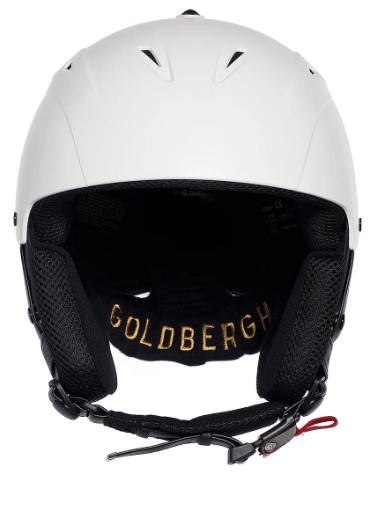
Is It Actually Worth It? Moving Beyond "Why is Goldbergh so expensive?"
So, we've established why the price is high. The harder, more personal question is: is it worth it? This isn't a yes or no answer. It depends entirely on your values, budget, and how you view clothing.
If you see a sweater as a disposable item, something to wear for a season or two and then replace, then absolutely not. Go buy five nice sweaters from a good mid-level brand instead. You'll have more variety.
But if you view clothing as an investment—a curated collection of pieces you love and wear for years—then the calculus changes. This is where the long-term value of Goldbergh comes into play.
The Cost-Per-Wear Argument
It's a cliché, but it holds water with pieces like this. A $50 sweater that pills, loses its shape, and you tire of after one winter has an infinite cost-per-wear. It's dead money.
A Goldbergh sweater, with proper care, will last 15, 20, even 30 years. I've met people who still wear theirs from the early 2000s, and they look impeccable. If you wear it 30 times a year for 20 years, that's 600 wears. Suddenly, a four-figure price tag starts to look like a few dollars per wear for unparalleled comfort and style. It becomes a wardrobe staple, a reliable go-to that always looks appropriate and feels amazing.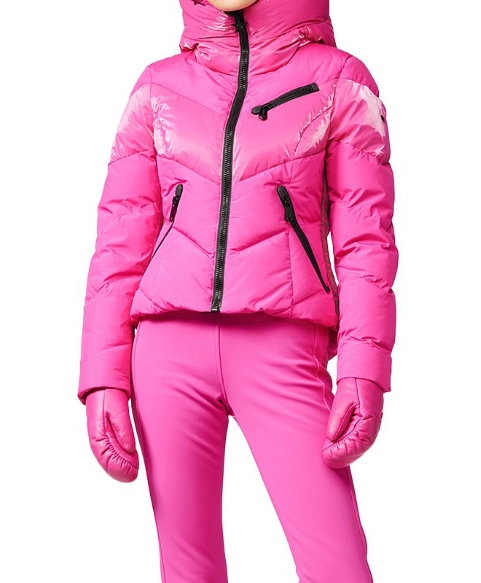
Here's a critical point, though: this logic only works if you love it and wear it constantly. If it sits in your closet, it's just an expensive relic. You have to be the kind of person who reaches for the same perfect thing over and over.
The Intangible Value: Confidence and Sustainability (of a sort)
There's a psychological element. Wearing something that feels exquisite, that fits perfectly, and that you know is exceptionally well-made confers a quiet confidence. It's armor. You don't have to think about it. It just works.
There's also a form of sustainability in buying one incredible thing that lasts decades versus dozens of mediocre things that end up in landfill. It's consumption, but it's slow, considered consumption. Of course, the environmental footprint of cashmere farming is a complex topic (land use, water), but a long-lasting product mitigates some of that impact through sheer durability. Resources like the Sustainable Apparel Coalition discuss these broader lifecycle impacts.
That said, let's not paint it as purely virtuous. It's still a luxury good. The price is prohibitive for most, and that's by design. Part of what you're buying is exclusivity.
Which brings us back full circle to the core question people type into Google. Why is Goldbergh so expensive? It's because they prioritize everything the fast-fashion world ignores: material rarity over abundance, human skill over machine speed, timeless design over fleeting trends, and longevity over disposability. You're not paying for a logo. You're paying for an entire philosophy of making things, executed at its highest level.
The real question for you, the shopper, becomes: do you value that philosophy enough to invest in it?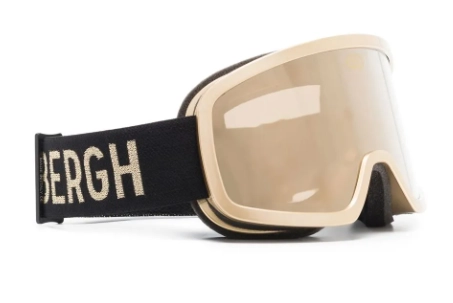
Your Questions, Answered
At the end of the day, understanding why Goldbergh is so expensive requires looking past the sticker shock. It's a lesson in material science, artisan economics, and deliberate consumption. Whether you ever buy one or not, knowing what goes into it makes you a more informed shopper about quality in general. And that's never a bad thing.
Related Articles




Comments
Join the discussion