Quick Navigation
- What Exactly Are Shaggy's Copper Country Skis?
- Breaking Down the Performance: Where These Skis Shine (and Where They Don't)
- Durability & Construction: Built for the Long Haul
- Who Should (and Shouldn't) Buy Shaggy's Copper Country Skis?
- How Do They Stack Up? A Quick Comparison
- Common Questions from Shaggy's Copper Country Skis Reviews
- The Final Verdict: Are Shaggy's Copper Country Skis Worth It?
Let's cut right to it. You're here because you typed "Shaggy's copper country skis reviews" into Google. Maybe you saw a picture of these beautiful, almost rustic-looking skis with their distinctive wood veneer tops and that cool, understated logo. Maybe a buddy on the trail mentioned them. But now you're digging deeper, past the marketing glamour shots, trying to figure out if these are the real deal or just another pretty face in the crowded world of backcountry gear.
I get it. I was in your boots a few seasons back. I'd heard the whispers about this small, Michigan-based company making skis for the kind of skiing I love—the quiet, exploratory stuff, far from the lifts. The kind where you earn your turns. I read every Shaggy's copper country skis review I could find, which, honestly, weren't a ton. A lot of forum chatter, a few glowing blog posts, but not many deep dives. So I took a chance and bought a pair. I've put them through their paces in the Rockies, the Sierra, and their native Upper Peninsula snow. This isn't just a rehash of a spec sheet. This is what it's actually like to live with them.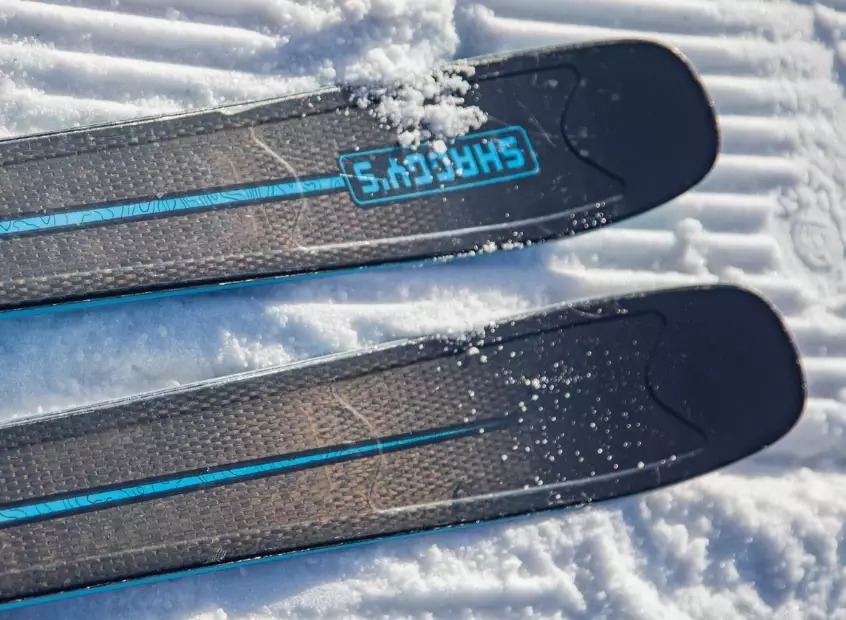
The Quick Take: Shaggy's Copper Country skis are a fantastic, versatile backcountry touring ski for the intermediate to advanced skier who values a smooth, predictable ride and incredible durability over ultra-lightweight or ultra-stiff performance. They're built like tanks with a soul, but they won't win any weight-weenie competitions.
What Exactly Are Shaggy's Copper Country Skis?
Before we get into the nitty-gritty of performance, let's define the beast. Shaggy's Skis is a small, owner-operated shop in Michigan's Upper Peninsula. They're not pumping out thousands of pairs in a giant factory. Each ski is handcrafted, which shows in the details. The Copper Country model is their flagship all-around backcountry touring ski. It's designed for the mixed conditions you find in, well, copper country—think dense trees, variable snow, crust, powder, and everything in between.
The philosophy here isn't about chasing the absolute lightest weight. It's about building a tool that's reliable, fun, and can take a beating. They use a paulownia wood core (light and strong), full sidewalls for durability (not the cap construction you see on many light skis), and that gorgeous ash or maple wood veneer top sheet that makes every pair unique. It's a ski that feels substantial in your hands.
I remember unboxing mine. The first thing that struck me wasn't the weight—it was the feel. They felt solid, not delicate. There's a confidence that comes from that.
Breaking Down the Performance: Where These Skis Shine (and Where They Don't)
Alright, let's talk about how they actually ski. This is the meat of any Shaggy's copper country skis review worth its salt.
The Sweet Spot: Crud, Variable Snow, and All-Day Comfort
This is where the Copper Country ski earns its keep. The flex pattern is medium-stiff, but it's progressive. It doesn't feel like a plank. When you hit a patch of wind-blown crust or heavy, chopped-up snow, these skis don't get deflected. They power through. The tip has a nice early rise that helps with float, but it's not so rockered that you lose edge contact on firmer snow.
For the skier who hates getting bucked around in unpredictable conditions, these are a godsend. They're stable at speed when you're making big, sweeping turns on a descent. I've had days where the snow changed from powder to slop to ice all in one run, and the Copper Countries handled it all with a calm, composed demeanor. They're forgiving without being sloppy.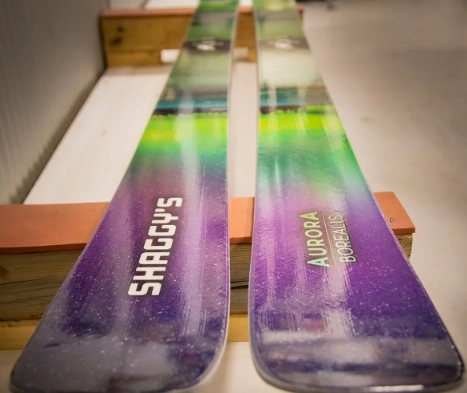
Powder Performance: Good, Not Mind-Blowing
Let's be real. If your primary goal is surfing bottomless Japow every day, there are better, fatter, more rockered skis out there. The Copper Country has a 105mm waist (in a popular size), which is a great all-around width. In up to a foot of fresh, they're a blast. The shovel shape and moderate rocker give you plenty of float. They're surfy and fun.
But in truly deep, bottomless stuff, you'll find yourself needing to sit a bit more in the backseat to keep the tips up. They're not a dedicated powder hound. They're an all-terrain vehicle, not a swamp buggy. For me, that's a fair trade-off because I only get a handful of epic powder days a season. The rest of the time, I need a ski that can handle everything else.
The Uphill: The Trade-Off for Durability
Here's the most common point of contention in Shaggy's copper country skis reviews: weight. They are not light skis. My 179cm pair comes in around 1850 grams per ski. Compare that to many modern "50-50" skis that are pushing 1500 grams or even ultra-light tourers under 1300 grams.
You feel that on the skin track. On a long, 4000-foot vertical day, your legs will know the difference. The full sidewall and robust construction that make them so reliable on the downhill add ounces on the uphill.
Is it a deal-breaker? It depends on your priorities. If you're a racer or your main goal is to tag as many peaks as possible with maximum efficiency, look elsewhere. If you're a strong tourer who values a powerful, damp downhill performance and doesn't mind a little extra workout on the ascent, it's a worthy compromise. I've come to think of it as "earning your fun." The downhill reward feels deserved.
Durability & Construction: Built for the Long Haul
This is arguably Shaggy's biggest selling point. These skis are overbuilt in the best possible way. The full sidewalls mean you can bang them against rocks, stumps, and ski-area boundaries without immediately worrying about core shots. The edges are stout. The top sheet is that real wood veneer, which does show scratches, but in a way that adds character rather than looking trashed.
I've had my pair for three full seasons now. I'm not gentle with gear. I've skied them in early season conditions with thin cover, through alder patches, and even used them for a bit of sidecountry at the resort. They have some scratches and minor top sheet chips, but the base and edges are in phenomenal shape. Zero delamination. Zero edge issues. They feel as solid as day one.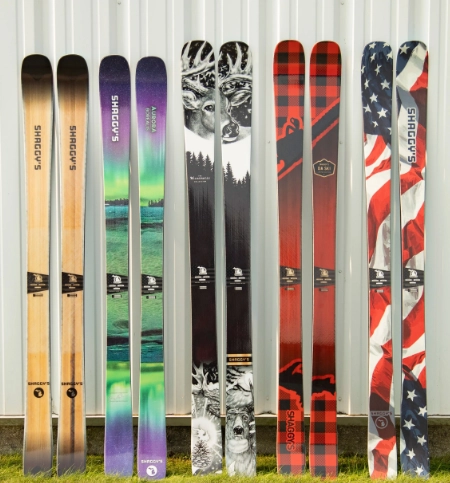
In an era of disposable gear, that's huge. You're buying a ski for a decade, not a couple of seasons. This directly addresses a major user pain point: the fear of spending big money on gear that falls apart. When you read Shaggy's copper country skis reviews, the longevity theme is constant. It's not just marketing.
Who Should (and Shouldn't) Buy Shaggy's Copper Country Skis?
Let's make this crystal clear. This ski isn't for everyone. Defining its ideal user is the most valuable thing a review can do.
The Ideal Shaggy's Skier The Wrong Fit
- The Strong Intermediate to Advanced Tourer: You have solid technique and want a ski that rewards good form and provides stability.
- The "Ski Mountaineer" Light: You do big days with lots of variable conditions. Downhill performance and reliability are as important as weight.
- The Durable Gear Seeker: You hate babying your equipment and want something that can handle abuse.
- The Midwest/East Coast Skier: For variable, often firm conditions, their edge hold and crud-busting ability are perfect.
Now, who should look elsewhere?
- The Weight-Obsessed Efficiency Expert: If saving every gram is your religion, the weight will frustrate you.
- The Pure Powder Hunter: If 90% of your days are in deep powder, a wider, more rockered ski will be more fun.
- The Beginner Backcountry Skier: The weight and somewhat demanding nature might be a hurdle while you're learning.
- The Finesse-Only Skier: If you prefer a super-light, whippy, playful ski, these might feel a bit too much like work.

How Do They Stack Up? A Quick Comparison
It's helpful to see them in context. Here’s how the Copper Country ski compares to some other popular skis in the same "all-mountain backcountry" category. This is based on my experience and consensus from other Shaggy's copper country skis reviews and forum discussions.
| Ski Model | Waist Width (mm) | Weight (per ski, ~180cm) | Key Character | Best For |
|---|---|---|---|---|
| Shaggy's Copper Country | 105 | ~1850g | Durable, Damp, Predictable | Variable conditions, strong skiers, gear longevity |
| Blizzard Zero G 105 | 105 | ~1650g | Light, Precise, Charger | Efficiency-focused skiers who still want power |
| Black Crows Navis Freebird | 104 | ~1700g | Playful, Agile, Forgiving | Finesse skiers, playful turns, good in trees |
| Moment Wildcat Tour 108 | 108 | ~1900g | Surfy, Pivoty, Fun | Powder-focused days, playful and loose feel |
| Volkl Blaze 106 | 106 | ~1750g | Easy-Going, Smooth, Accessible | Intermediate tourers, low-effort cruising |
The table tells a story. The Copper Country is on the heavier, more durable end of the spectrum. It's a specific choice.
Common Questions from Shaggy's Copper Country Skis Reviews
Let's tackle the stuff people are really asking in forums and comment sections.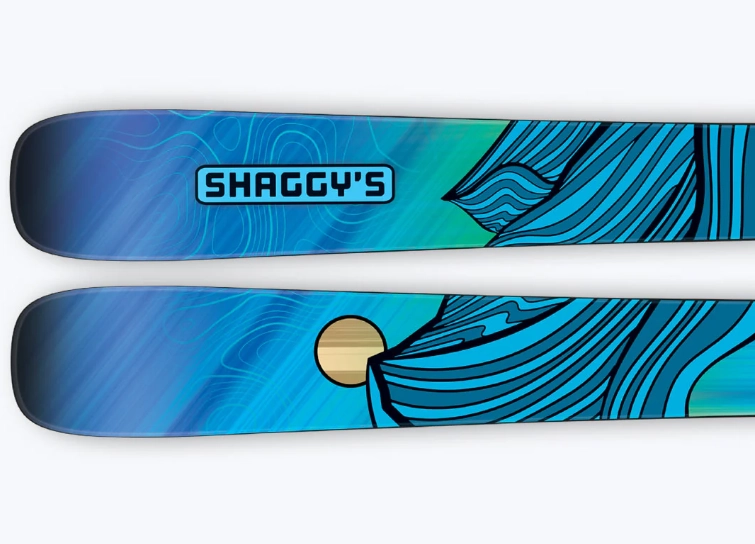
The Final Verdict: Are Shaggy's Copper Country Skis Worth It?
After three seasons, my answer is a resounding yes—if you're the right skier.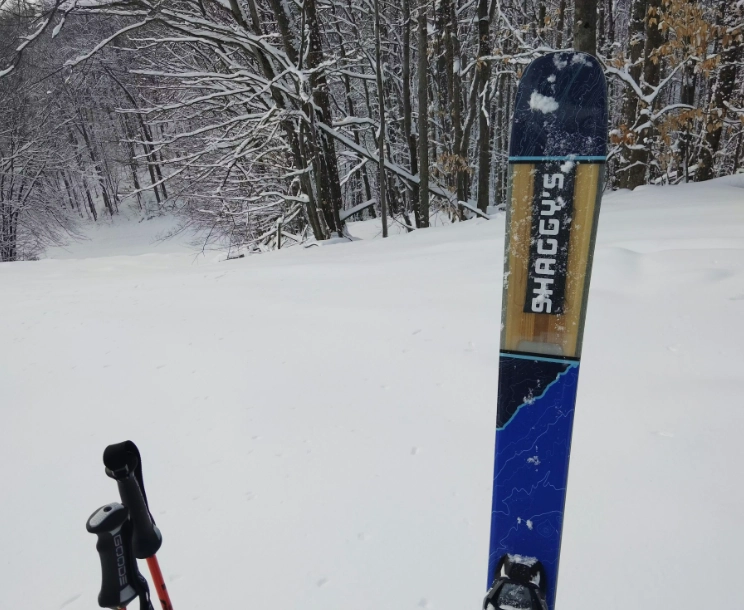
Buying Shaggy's is a statement. You're not buying a mass-produced product from a corporate conglomerate. You're supporting a small craftsman. You're investing in a tool built to last. You're accepting a slight penalty on the uphill for a massive reward on the downhill in everything but the deepest powder.
The search for Shaggy's copper country skis reviews often ends with people realizing they're buying more than a ski; they're buying into a philosophy. It's about function, longevity, and a connection to the craft. The ski itself is a wonderfully balanced, confidence-inspiring partner for the backcountry skier who faces mixed conditions and values a predictable, powerful ride.
Are they perfect? No. I wish they were a touch lighter. I sometimes eye those super-fat powder skis on a deep day. But for 80% of my touring days, in the real-world conditions I actually encounter, I can't imagine a better, more trustworthy tool under my feet.
So, should you pull the trigger?
If your priority list looks like this: 1) Downhill performance in variable snow, 2) Bombproof durability, 3) Supporting a small business, and 4) Touring efficiency... then stop reading Shaggy's copper country skis reviews. You've found your ski.
If your list starts with "lightest possible weight" or "maximum float in powder," keep looking. They're not for you, and that's okay. The beauty of the gear world right now is there's a perfect tool for every style. The Copper Country is a brilliantly executed tool for a specific, and I'd argue very common, style of skiing.
Hope this deep dive from an actual owner helped. Now get out there and earn your turns.
Related Articles


Comments
Join the discussion