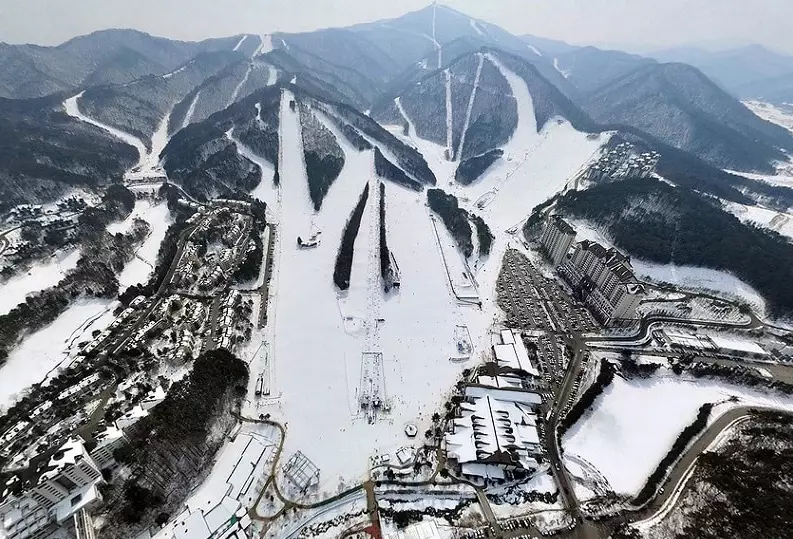
Let's talk about Mona Yongpyong. It's not just a ski resort; it's a Korean winter institution. Hosting the alpine events of the 2018 PyeongChang Olympics cemented its reputation, but it was a destination long before that. I've lost count of my trips there – with friends chasing powder, with family introducing kids to skiing, and even a few solo runs to clear my head. It's massive, sometimes chaotic, but when you know how to navigate it, it delivers an unforgettable ski holiday.
The place is a sprawling complex of slopes, hotels, and amenities spread across the highlands of Gangwon-do. First-timers often feel overwhelmed. Which hotel is truly ski-in/ski-out? How do you actually get there from Seoul? Is it worth it for beginners? I'm here to cut through the brochure-speak and give you the straight facts you need to plan a trip that matches your expectations, not just the marketing.
Quick Navigation: What's Inside This Guide
The Skiing: Terrain, Slopes & Lifts
Yongpyong boasts 28 slopes and 14 lifts, including the iconic 3.7km Rainbow Paradise slope. The terrain is split across different peaks, served by a mix of gondolas and chairlifts.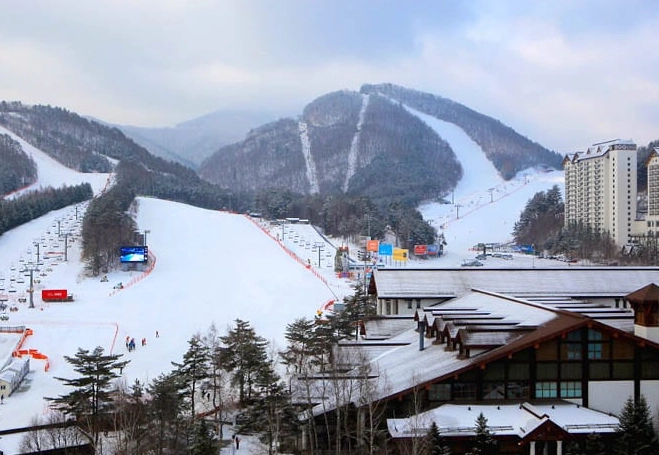
Beginners, you're in luck. The resort is famous for its wide, gentle learning slopes. The entire Rainbow zone (Slopes 1, 2, 3) near the base is your playground. They're impeccably groomed, not too steep, and you can take the slow-moving Rainbow lifts to practice your turns repeatedly without much pressure. The ski school here is professional, offering group and private lessons in English, Chinese, and Japanese.
Intermediates have the most fun. Once you're comfortable, head up the Dragon Peak Gondola. From the top, you can choose from several blue and red runs that wind their way down the mountain with varying pitches and widths. Slope No. 5 (Gold) is a personal favorite – long, scenic, and just challenging enough to keep you engaged.
Advanced skiers seeking steep pitches might find Yongpyong's offering a bit limited compared to European or North American resorts. The famous Olympic Slopes used for the Games are here, but they're often closed for training or race events. When open, they offer a serious challenge. For off-piste or tree skiing, you'll need to look elsewhere in Korea; Yongpyong is very much a groomed-run resort.
Lift Ticket Reality Check: Weekend and holiday lift lines, especially for the gondola, can be painfully long – we're talking 30-45 minutes at peak times. The secret? Use the Dragon Peak Express Quad Chair (Lift #8). It accesses similar terrain from a different base area (near the Dragon Valley Hotel) and often has a fraction of the queue. It's a local trick that saves hours over a weekend.
Where to Stay: Hotels vs. Condos
This is where most people get tripped up. "Mona Yongpyong" refers to the resort complex, but there are multiple accommodation options with different pros, cons, and walking distances to the slopes.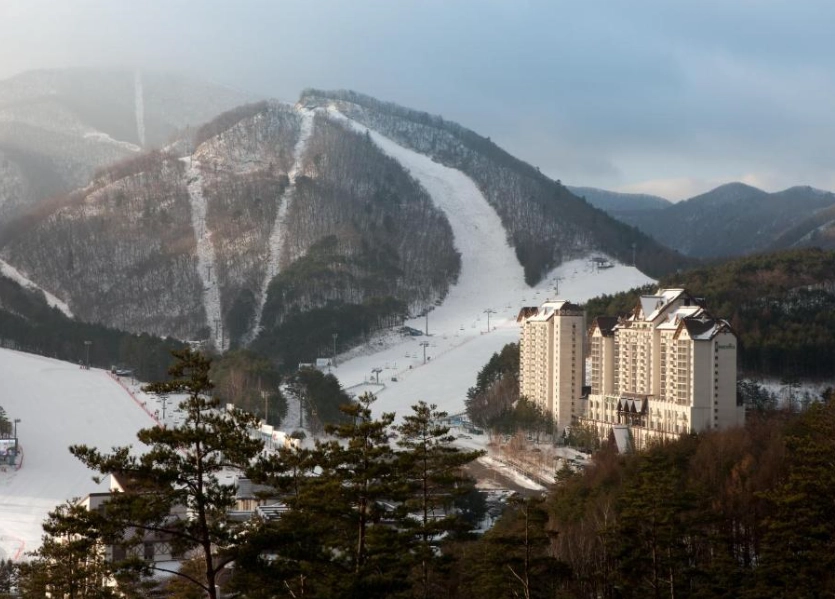
| Accommodation | Key Feature | Best For | Slope Access Note |
|---|---|---|---|
| Intercontinental Alpensia | 5-star luxury, ski-in/ski-out | Those wanting premium convenience & amenities | Direct access to base of Gondola & Rainbow slopes. |
| Holiday Inn Resort Alpensia | Great value, family rooms | Families & groups on a budget | 5-7 minute walk to main ski center. Free shuttle available. |
| Dragon Valley Hotel | Classic resort hotel, often cheaper | Skiers prioritizing lift #8 access | At the base of the Dragon Peak Express chairlift (Lift #8). |
| Private Condos (Hwanpyeong etc.) | Kitchen, more space, living area | Long stays, large groups, self-catering | Requires drive/shuttle bus to ski center (5-15 mins). |
My take? For a short 2-3 night ski trip, the convenience of a true ski-in/ski-out hotel like the Intercontinental is worth the premium. Dragging gear and tired kids on shuttles after a day on the slopes is no one's idea of fun. If you're on a tighter budget, the Holiday Inn walk is manageable. The condos are fantastic for a week-long stay where you want to cook meals and spread out, but factor in the transit time and cost of shuttles/taxis.
Getting There & Around: Transport Made Simple
Address: 715, Olympic-ro, Daegwallyeong-myeon, Pyeongchang-gun, Gangwon-do. It's about 180km east of Seoul.
From Seoul to Yongpyong
- Express Bus: The most straightforward method. Go to Seoul Express Bus Terminal (Central City Terminal) or Dong Seoul Bus Terminal. Buy a ticket to Hoenggye (횡계). The ride takes 2.5 to 3 hours. From Hoenggye bus terminal, a local taxi to the resort takes 5-10 minutes (costs around ₩8,000-10,000).
- Private Car/Rental: Takes about 2.5 hours via the Yeongdong Expressway. Winter tires or chains are essential from December to February. Parking is available but can be expensive at the main hotels.
- Resort Shuttle: Mona Yongpyong sometimes operates direct shuttles from select points in Seoul. Book these the moment they're announced, as seats vanish instantly. Don't plan your trip relying on this being available.
Getting Around the Resort
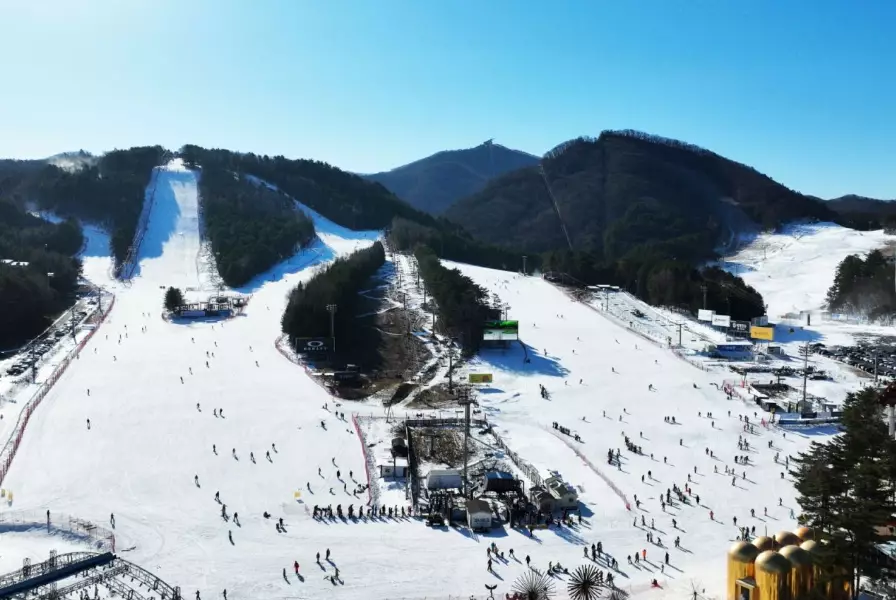
The resort runs free internal shuttle buses that loop between the major hotels, the ski center, and the condo villages. The schedules are frequent during the day but thin out in the evening. Grab a timetable from your hotel concierge. Walking between the Intercontinental, Holiday Inn, and ski center is easy. Getting to the Dragon Valley Hotel area requires the shuttle or a car.
Planning Your Days: A Sample Itinerary
Here’s how a typical 3-day, 2-night trip might flow for a first-time visitor or family.
Day 1 (Arrival & Settling In): Arrive from Seoul by early afternoon. Check into your hotel. Head to the ski center to pick up pre-booked equipment. If you have energy, buy a 4-hour afternoon lift pass and get your ski legs back on the Rainbow slopes. In the evening, explore the dining options in the Holiday Inn or Intercontinental plaza.
Day 2 (Full Ski Day): Get an early start. Purchase a full-day lift pass online the night before. Spend the morning mastering the beginner slopes. After lunch at one of the slope-side cafeterias, take the gondola (or Lift #8 if the line is long) to the top for the panoramic views and a longer run down. Apres-ski at the Dragon Park sledding hill or the indoor swimming pool at your hotel.
Day 3 (Last Runs & Departure): Check out and store luggage with the hotel. Opt for a half-day lift pass. Ski until lunchtime, return your gear, grab a final meal, and catch your bus or taxi back to Hoenggye for the return journey to Seoul.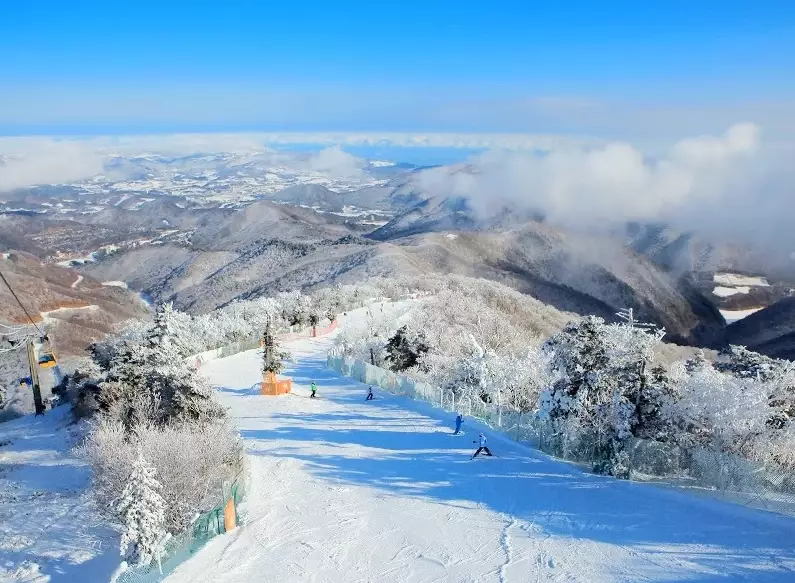
Beyond the Slopes: Food & Apres-Ski
The on-mountain food is standard Korean ski resort fare: cafeterias serving kimchi jjigae (stew), ramyeon, and kimbap. It's functional, not gourmet. For better meals, head to the hotel complexes.
- Intercontinental/Dragon Plaza: Has the widest range: a bakery, a Korean restaurant, a pub, and international buffets. Prices are hotel-level.
- Holiday Inn Plaza: More casual, with a pizza place, a Korean joint, and a convenience store. Better value.
- Venturing Out: If you have a car, driving 10 minutes into Hoenggye town opens up authentic local restaurants serving dak galbi (spicy stir-fried chicken) and hanu (Korean beef) barbecue at much lower prices.
Nightlife is quiet. There are a few bars in the hotels, but this isn't a party resort. The focus is on rest and recovery for the next day's skiing. The Dragon Park is the star non-skiing attraction – a huge, dedicated sledding and play area that kids adore.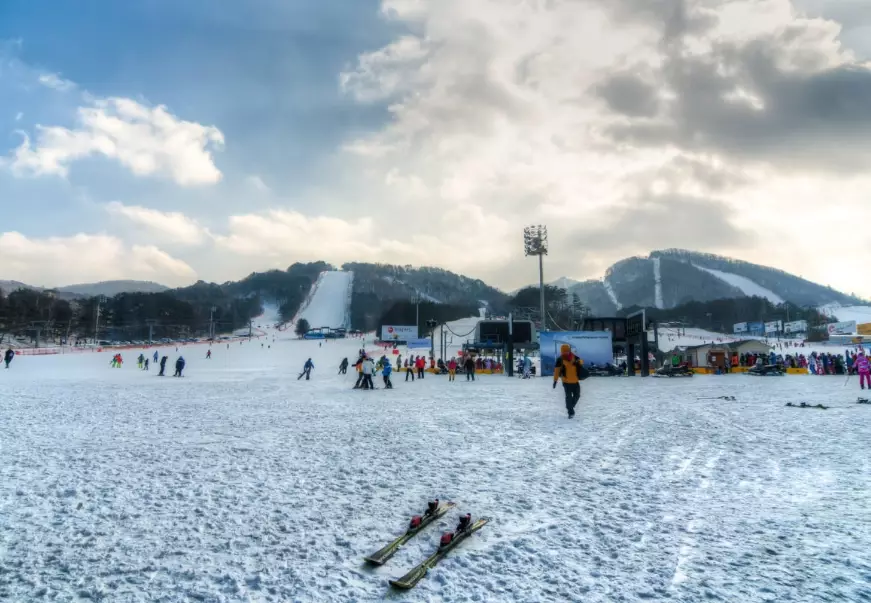
Your Questions, Answered
So, is Mona Yongpyong worth it? For a convenient, well-rounded Korean ski experience with excellent beginner terrain and solid amenities, yes. Manage your expectations about crowds and advanced terrain, book strategically, and you'll have a fantastic winter getaway. It's a place that keeps me coming back, despite knowing all its quirks.