Let's cut straight to the chase. If you're measuring by total skiable area under single management, the title of the largest ski resort in Asia goes to Wanlong Ski Resort (万龙滑雪场) in Chongli, Hebei province, China.
I've skied there. The scale is the first thing that hits you. It's not just big; it feels engineered for volume and distance. But "largest" can mean different things—total acreage, vertical drop, number of lifts. And in Asia, the competition is fierce, with Japan's legendary powder destinations always in the conversation. This isn't just about stating a fact; it's about understanding what that fact means for you, the skier or snowboarder planning a trip.
Quick Navigation
Why Wanlong is Considered the Largest
The numbers tell a clear story. Wanlong boasts over 100 kilometers (62 miles) of groomed runs across a skiable area that exceeds 300 hectares (741 acres). Its vertical drop is a respectable 550 meters (1,804 feet). These figures, particularly the skiable area and total run length, are what consistently place it at the top of Asian rankings by organizations like Skiresort.info and industry reports.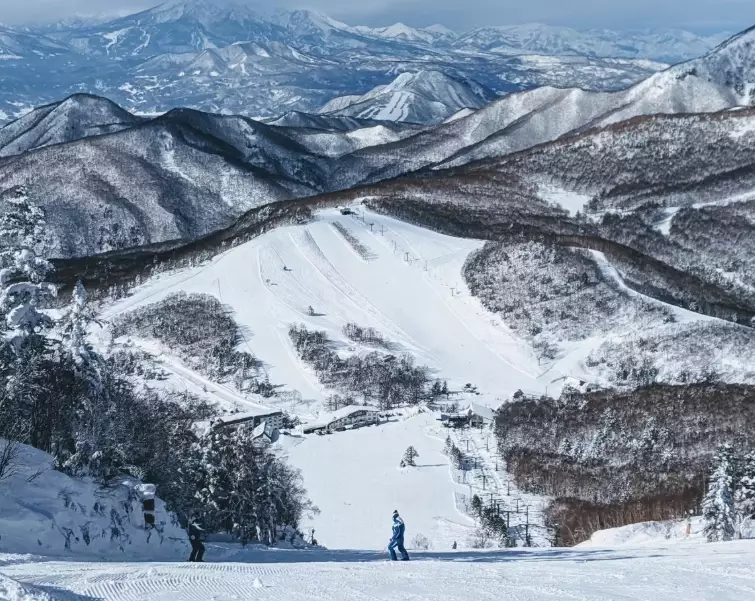
It's part of the Chongli cluster, now famously linked to the Beijing 2022 Winter Olympics. The development here has been rapid and massive. Wanlong wasn't built as a quaint alpine village; it was built as a skiing powerhouse. It has over 7 high-speed chairlifts and a couple of gondolas designed to move huge numbers of people up the mountain efficiently. That capacity is a key part of its "largeness."
Location & Address: Wanlong Ski Resort, Chongli District, Zhangjiakou City, Hebei Province, China. It's about a 3-4 hour drive northwest of central Beijing.
Operating Season: Typically from early November to late March. The best snow conditions are from late December through February.
The Contenders: How Other Asian Giants Compare
This is where it gets interesting. When people ask about the biggest in Asia, they're often thinking of Japan. And they have a point, but it depends on the definition.
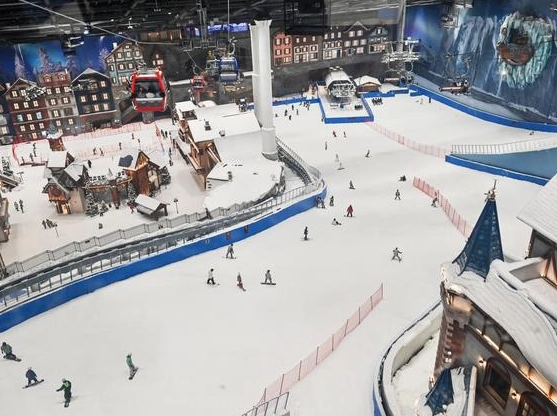
- Niseko United (Japan): This is the most common challenger. Niseko isn't one resort; it's four interconnected ones (Grand Hirafu, Hanazono, Niseko Village, Annupuri). If you combine them, the total accessible terrain is enormous, especially with off-piste. However, they are operated by different companies. For a single-ticket, single-management experience, Wanlong's connected terrain is larger.
- Yabuli (China): In China's Heilongjiang province, Yabuli is often called the birthplace of Chinese alpine skiing. It's vast, but it's split into several distinct resort areas (like Sun Mountain and New Sports Town). The largest single section is smaller than Wanlong.
- Shigakogen (Japan): Another interconnected giant in Japan, with dozens of lifts across multiple zones. It's huge in terms of variety and number of lifts, but the total groomed skiable area is generally rated slightly less than Wanlong's concentrated expanse.
| Resort | Country | Skiable Area (Approx.) | Key Characteristic | Best For |
|---|---|---|---|---|
| Wanlong | China | 300+ hectares | Largest single-managed area; extensive grooming | Carvers, intermediates, ski mileage seekers |
| Niseko United | Japan | ~800 hectares (accessible)* | Interlinked resorts; legendary powder | Powder hounds, tree skiers, international vibe |
| Yabuli Resort Complex | China | ~200 hectares (largest section) | Historic, multiple separate areas | Beginners, racing training |
| Shigakogen | Japan | ~200 hectares | Massively interconnected, many small lifts | Variety, family exploration |
*Niseko's figure includes extensive off-piste/sidecountry terrain accessible on one pass.
How to Get to Wanlong Ski Resort
Getting there is part of the adventure. The most common gateway is Beijing.
From Beijing
By High-Speed Train: This is the best way. Take a train from Beijing North or Qinghe Station to Taizicheng Station (太子城站). The journey takes about 1 hour. From Taizicheng, it's a 15-20 minute taxi ride to Wanlong. The station was built for the Olympics and is incredibly efficient.
By Car/Bus: The drive takes 3-4 hours via the G6 and G95 expressways. You can rent a car or book a private transfer. Several bus services also run from Beijing's key bus stations to Chongli during the season.
I made the mistake of driving on a Friday evening once. The traffic leaving Beijing was brutal. My advice? Take the train. It's faster, cheaper, and lets you relax.
The Terrain and On-Snow Experience
Wanlong's terrain is its masterpiece. It's laid out on several broad ridges and valleys, offering long, sustained runs. Don't expect the tight, tree-lined chutes of Hokkaido. Think wide-open boulevards of corduroy.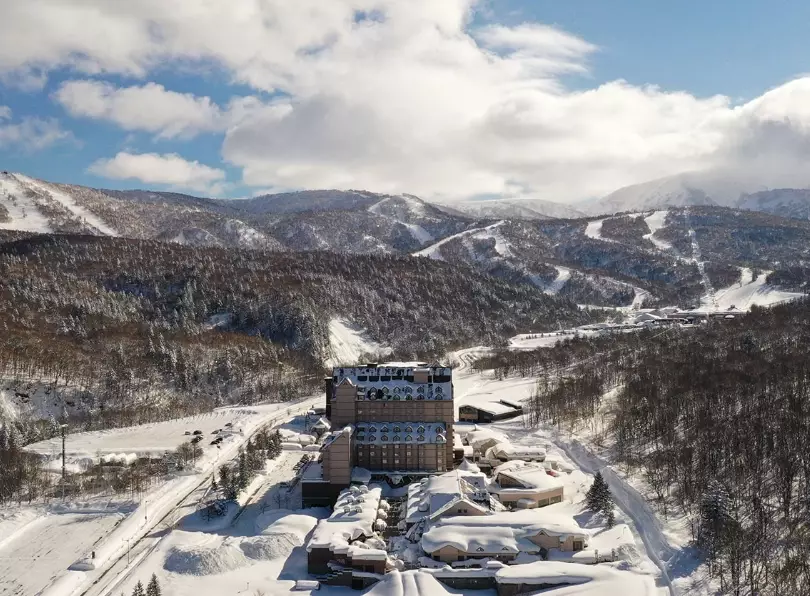
- Beginners: Excellent dedicated learning areas at the base. The green runs are long and gentle, perfect for building confidence.
- Intermediates: This is Wanlong's sweet spot. You could spend days exploring the endless blue and red runs. The "Jade Dragon" and "Golden Dragon" areas offer fantastic, rolling cruisers.
- Advanced/Experts: There are challenging black diamond runs, mogul fields, and some ungroomed areas. The "Yulong" (Jade Dragon) peak has some seriously steep pitches. However, if your definition of expert terrain is deep powder and cliff drops, you'll find Wanlong's offerings more limited compared to Japan. The snow is often machine-made or wind-affected.
A common misconception is that the biggest resort must have the most extreme terrain. Not true. Wanlong's size is in its accessible, groomed intermediate terrain. It's built for skiers who love to rack up vertical meters on perfect corduroy.
Planning Your Trip: Tickets, Stay, and Timing
Tickets: A one-day lift ticket during peak season (weekends/holidays) can cost around CNY 600-700 ($85-$100). Multi-day passes offer better value. Check their official WeChat account for the latest prices and online discounts, which can be substantial.
Where to Stay: You have two main options:
1. Slope-side at Wanlong: The Wanlong Paradise Hotel is ski-in/ski-out but can be expensive and books up fast.
2. In Chongli Town/Taizicheng: More variety and better dining options. The Genting Resort Hotel at Secret Garden or hotels near the Taizicheng station are good choices. You'll need a short shuttle or taxi to the slopes.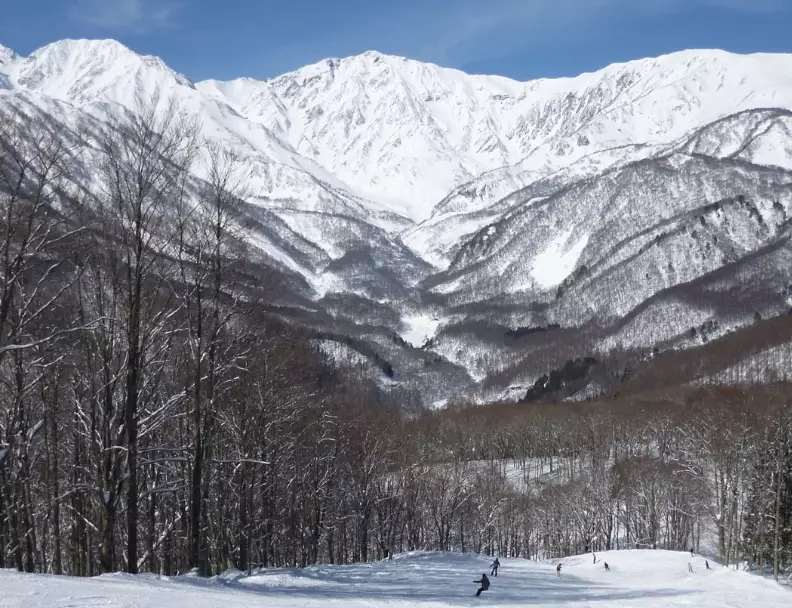
Timing is Everything: Avoid Chinese New Year at all costs unless you love queues. Weekends are busy. The best experience is mid-week. January and February have the most reliable conditions.
Who is Wanlong Best For? (And Who Might Be Disappointed)
Let's be brutally honest.
Wanlong is perfect for: - Skiers who prioritize long, groomed runs and high-speed lift access. - Intermediates looking to massively improve their mileage and carving skills. - Families or groups with mixed abilities, as everyone can find suitable terrain. - Anyone wanting to experience the scale of China's modern ski infrastructure.
You might be disappointed if: - You are a powder purist. The natural snow quality isn't Hokkaido-level. - You crave a cozy, traditional alpine village atmosphere. The vibe is more functional and grand. - You hate crowds. Even with its size, popular runs can get packed on weekends. - You're on a very tight budget. While not as pricey as some Japanese resorts, it's not cheap.
I remember a day there with perfect bluebird skies, carving down a 3km-long blue run without stopping. It was phenomenal. Another day, it was -25°C with howling wind, and half the lifts were on hold. The mountain commands respect.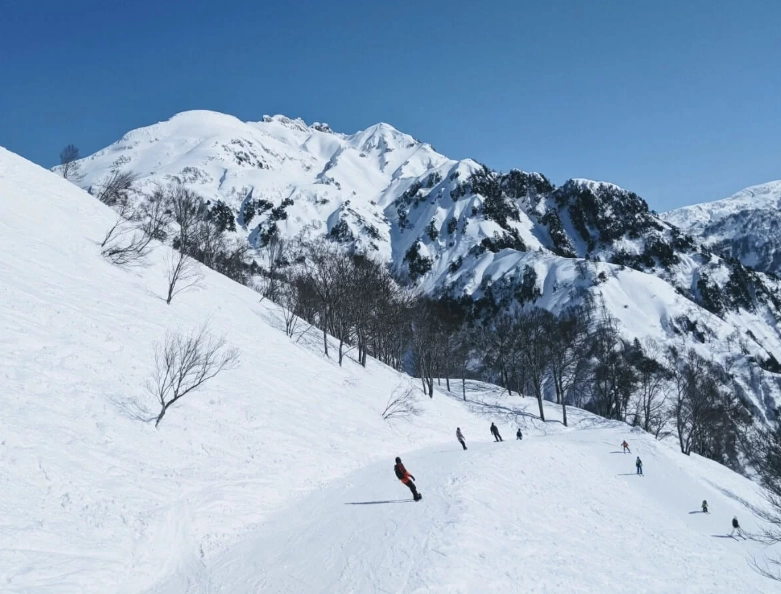
Your Questions on Asia's Largest Ski Resort
So, what is the largest ski resort in Asia? By the most common and practical metric, it's Wanlong. Its title is a testament to scale, engineering, and a specific vision of skiing. It might not have the fairy-tale powder of Japan, but for pure, unadulterated ski mileage on a continent-sized canvas, it stands alone. Your decision isn't just about finding the biggest; it's about figuring out what kind of bigness you actually want under your skis.