Your Ski Age Detective Kit
You're staring at your trusty skis in the garage, or maybe you just scored a seemingly sweet deal on a used pair online. A question pops into your head: just how old are these things? It's not like they have a birthday stamped on the tail. Knowing your skis' age isn't about vanity; it's about safety, performance, and getting your money's worth. An old ski might look okay but could be a soggy, dead noodle on snow. A newer one might have tech that changes your whole skiing experience.
I remember buying a pair of "barely used" skis off a forum years ago. The topsheets looked mint. The seller swore they were only two seasons old. Turns out, they were closer to eight. The cores were shot, and they chattered like crazy on anything firm. That was a lesson learned the hard way. So, let's make sure you don't have to learn it that way. Figuring out your skis' age involves a bit of detective work, but it's totally doable. We'll break it down into clear, simple steps.
The Three Main Ways to Crack the Code
When you're trying to figure out how old your skis are, you've got three primary avenues to explore. Sometimes one method gives you a clear answer. Other times, you need to cross-reference a couple of them to get a confident estimate.
1. The Model Year (The Most Straightforward Clue)
This is your first stop. Ski manufacturers release new models every year, usually in the spring for the following winter season. They give each model a name and often a specific year designation. The graphics (the top sheet art) change annually, even if the ski's construction doesn't. This is marketing 101, but it's incredibly useful for our purposes.
Start by identifying the exact model name. It's usually printed prominently on the ski. Look for names like "Rossignol Experience 84," "Nordica Enforcer 100," or "Atomic Bent Chetler 120." Once you have the name, fire up a search engine. Search for "[Ski Brand] [Model Name] model year history" or "[Ski Brand] [Model Name] year-by-year graphics."
You'll find fan sites, forum threads, and even archived pages on retailers' sites that are goldmines for this info. People love cataloging this stuff. Compare the graphics on your ski to the images you find online. The year they match is almost certainly your ski's model year. Sometimes brands make a ski for multiple years with minimal graphic changes, but a deep dive usually reveals small differences in logo placement, color shades, or text font.
What if the ski is a rental model or a more basic line? The process is the same, though the online footprint might be smaller. Don't give up. Check PDF catalogs from the brand's website (they often archive them) or specific ski history databases.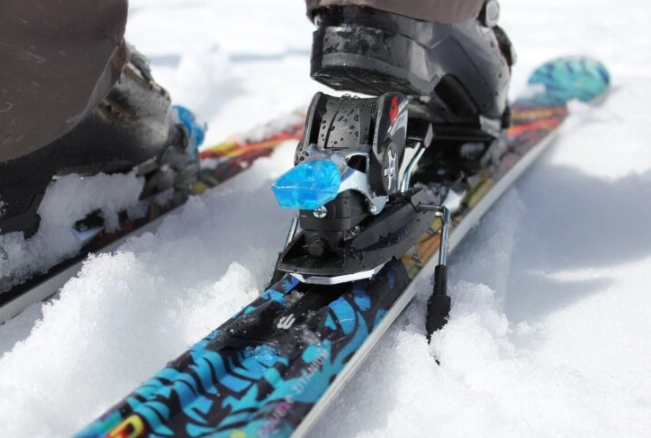
2. The Serial Number (The Hidden Truth)
If the graphics are faded, painted over, or you just want to confirm your findings, the serial number is your forensic evidence. This is where you learn how to tell how old your skis are with more precision. The serial number is a string of letters and numbers, often lasered or stamped onto the ski. You need to know where to look.
- Common Locations: On the top sheet, near the tail (back end) of the ski. Sometimes it's on the sidewall (the vertical edge between the top and base). Very rarely, it might be under the binding. Give the tail area a good wipe-down; it can be sneaky.
- The Decoding Challenge: Here's the frustrating part: there's no universal standard. Each manufacturer has its own, often cryptic, system. The serial number might encode the date of manufacture (day, month, year), the factory code, a production sequence number, or all of the above.
Let me give you an example from my own quiver. I have an old pair of Volkl skis. Their serial number starts with "PE." After some digging on a Volkl enthusiast forum (and I mean digging – it was a deep thread from 2008), I learned that for that era, "P" stood for the year 2007. The second letter indicated the month. It was clunky, but it worked.
Your best bet is to search for "[Brand Name] ski serial number decode" or "[Brand Name] serial number format." Focus on forum results from sites like SkiTalk.com, Teton Gravity Research (TGR), or Newschoolers. Real users and sometimes even ex-employees share decoding tips there. Be prepared for incomplete information. You might only find a pattern for certain years.
To give you a head start, here's a simplified table of what to look for in serial numbers from some major brands. Remember, this can and does change, so use it as a starting guide, not gospel.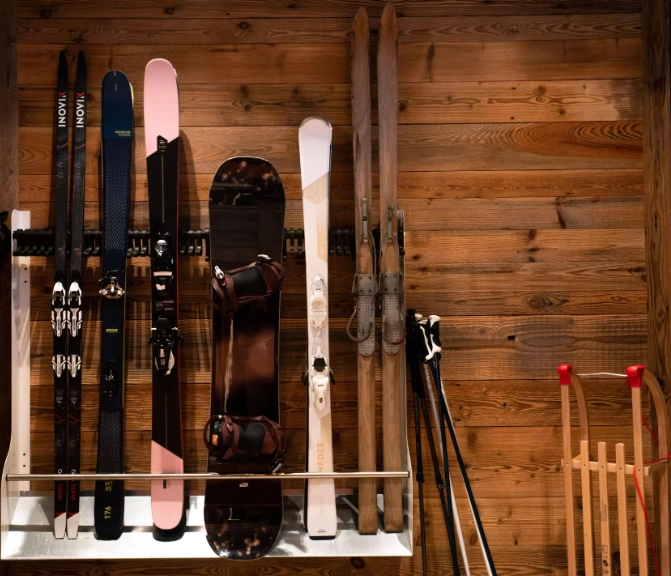
| Brand (Examples) | Typical Serial Number Location | What to Look For / Common Format (Varies by Year) |
|---|---|---|
| Rossignol, Dynastar, Lange | Top sheet near tail, sidewall near tail | Often includes a clear 2-digit year (e.g., 18 for 2018) within the string. May start with letters indicating factory/line. |
| Atomic, Salomon, Armada | Top sheet near tail, sometimes under binding plate | Look for a string with a potential date code. Older models might use a Julian date (e.g., 15321 = 153rd day of 2021). Search brand-specific forums. |
| Nordica, Blizzard | Sidewall near tail, top sheet near tail | Frequently includes a clear production date in YYMMDD or DDMMYY format embedded in the middle of the code. |
| Volkl, K2 | Top sheet near tail, often lasered | Historically used letter codes for year/month. Newer models may have shifted to more numeric dates. Forum research is key. |
| Black Crows, Moment, etc. (Indie Brands) | Top sheet or sidewall | Often more straightforward. May print the model year directly next to the serial number or use a simple code. Try emailing their customer service – they're often helpful. |
3. Technical Features & Construction (The Context Clues)
Sometimes, you have to play ski historian. The technology and design trends of skis evolve. By identifying key features, you can bracket the era your skis come from. This is especially useful for very old skis or when other methods fail.
- Bindings: Are they integrated (a system where the binding is part of the ski's design, like Salomon's Pilot system or Atomic's Neox)? Those were hugely popular in the late 1990s and early 2000s but are rare on new skis today. If your ski has an integrated binding track, it's likely from that era.
- Sidecut & Shape: The deep, dramatic hourglass shape (parabolic skis) became standard in the mid-to-late 1990s. Skis from before that are much straighter. The trend toward wider underfoot dimensions (e.g., 100mm+) for all-mountain use really took off in the late 2000s.
- Core Materials: Talk of "carbon stringers," "titanal layers," "karuba wood," or "paulownia" cores points to more modern engineering, generally from the 2010s onward.
- Base and Edge Tech: Sintered bases became the performance standard years ago. If the base looks and feels like hard, shiny plastic and doesn't absorb wax, it might be an older extruded base, common on cheaper or older models.
These changes aren't yearly, but they create signposts. A straight ski with a screw-on binding and a rubbery feeling base is almost certainly a relic from the early 90s or before. A fat, rockered ski with carbon weaves visible in the top sheet is a child of the last decade.
What Really Ages a Ski? It's Not Just Time.
Okay, so you've figured out your skis are from, say, the 2018 model year. That makes them about six years old as I write this. But what does that *mean*? A six-year-old ski that saw 100 days a season in Utah is a completely different beast from a six-year-old ski that did 10 gentle days a year in New England and was stored properly.
The calendar age is one thing. The functional age is another. Here’s what actually wears out a ski:
The Edges and Base: These wear from abrasion (rocks, dirt, rails). They can be repaired and tuned, but only so much. Repeated sharpening wears down the steel edges. Deep base gouges, especially if they're repaired with p-tex candles too many times, can affect glide and structure. But these are surface issues. A skilled shop can often make an old base and edge ski quite well again, but they can't fix a dead core.
Delamination: This is when the layers of the ski (top sheet, fiberglass, core, base) start to separate. You'll see bubbles or lifting, usually starting at the edges or tips/tails. This is often a death sentence, though some epoxy and clamping can sometimes provide a temporary fix. It's a sign of significant age or impact damage.
Storage is Everything. A ski left in a hot garage, a damp basement, or leaning against a wet wall for months will deteriorate much faster than one kept in a cool, dry place. I made the mistake of leaving a pair in a car trunk over a hot summer once. They never skied the same again. The heat can soften the adhesives holding the ski together.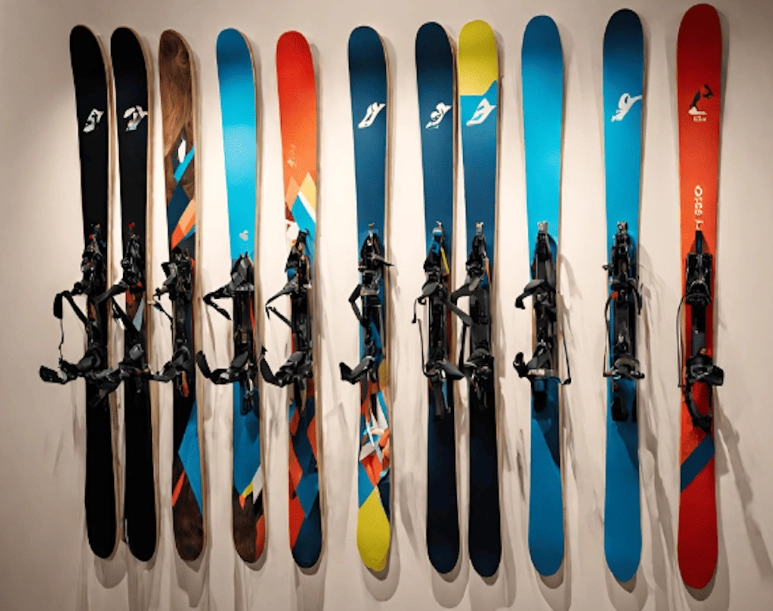
The Big Question: Do You Need New Skis?
You've dated your skis. Now what? Let's be real, not everyone needs the latest and greatest every two years. Ski tech has plateaued a bit in the last 5-7 years. A well-cared-for ski from 2017 can still be a fantastic tool. But there are signs it's time to move on.
Here’s a quick checklist. If you answer "yes" to several of these, start browsing the new gear reviews.
- The Feel Test: Do they feel dead, heavy, and unresponsive? Like you're muscling them around instead of them working with you?
- The Chatter: On hard snow or at speed, do the tips vibrate violently? This can be a sign of a fatigued core or outdated damping technology.
- Visible Damage: Is there major delamination, deep core shots (gouges that expose the wood), or significant edge compression/tears?
- You've Changed: Are you skiing more aggressively, in different terrain (e.g., moving into the park or big mountain), or has your technique improved beyond what the ski was designed for? An old beginner/intermediate ski will hold back an advancing skier.
- They're Just Antiques: If they're straight skis from the 80s or early 90s, it's not just about performance—it's about safety. Binding indemnification is a huge issue. Most ski shops will not adjust or service bindings past a certain age (usually 10 years, sometimes less) because the manufacturer no longer provides liability insurance for them. The plastics and springs inside degrade. This is non-negotiable. Check the U.S. Ski & Snowboard safety resources for more on equipment lifecycle.
On the flip side, if your 8-year-old skis are holding an edge, feel lively, have no major damage, and you're happy with how they perform on your typical days, keep rocking them! Saving money and reducing waste is a good thing. The ski industry's push for constant newness isn't always aligned with what an average skier needs.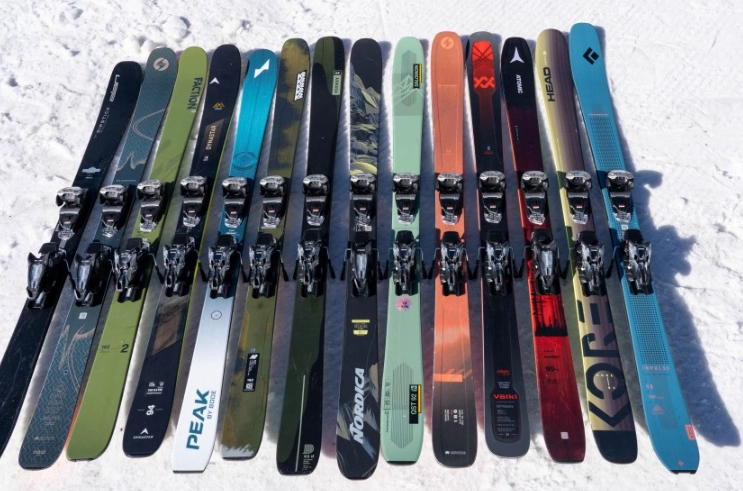
Common Questions (Stuff You're Probably Wondering)
Let's tackle some of the specific questions that pop up when people are trying to figure out how can you tell how old your skis are.
Wrapping It Up: Your Action Plan
So, you're now equipped to play ski detective. Here’s your simple action plan next time you need to figure out how can you tell how old your skis are:
- Identify the Model: Read the graphics. Get the full name and length.
- Search for Model Year Graphics: Google the model name + "year" or "graphics history." Compare images.
- Find and Decode the Serial Number: Locate it, note it down, and search online for decoding tips for that specific brand.
- Cross-Check with Features: Look at bindings, shape, and materials to confirm the era.
- Assess Condition, Not Just Age: Flex them. Look for damage. Think about how they feel on snow.
- Check Binding Indemnification: If you plan to ski them, take them to a shop for a binding safety check.
The goal isn't to make you ditch old gear. It's to give you the knowledge to make smart decisions. Maybe your trusty old boards have another 50 days in them. Maybe they're a safety hazard. Maybe they're perfect for a beginner friend or as a garage wall decoration. Now you know.
Knowing your gear's history makes you a more informed skier. It helps you buy used wisely, maintain what you have, and understand when an upgrade will genuinely improve your time on the mountain. And honestly, there's a certain satisfaction in uncovering the story of your skis—where they've been, and how many turns they might have left. For the latest in ski tech and reviews to compare your old skis against, sites like Blister provide incredibly deep, long-term reviews that put year-over-year changes into perspective.
Go take a look at your skis now. What's their story?