What You'll Find in This Guide
How long is it from Seoul to Yongpyong ski resort? Straight up, if you drive, it's about 2.5 to 3 hours for 200 kilometers. But that's in perfect conditions. Throw in traffic, weather, or a wrong turn, and you're looking at 4 hours or more. I've made this trip a dozen times over the years, and let me tell you, timing everything right makes or breaks your ski day.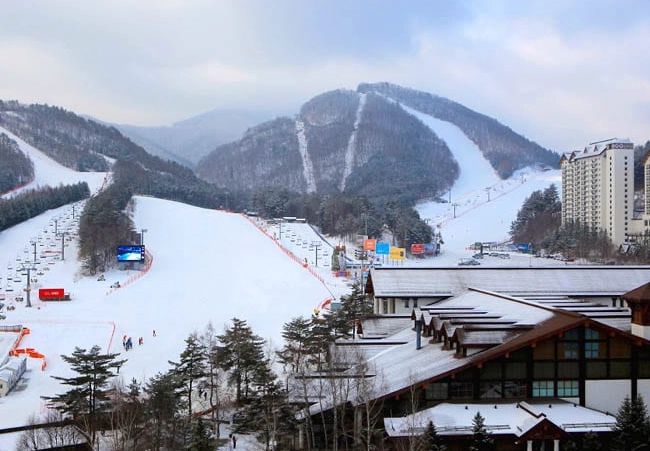
Yongpyong, often called Dragon Valley, is Korea's largest ski resort, hosted the 2018 Winter Olympics, and draws crowds from Seoul every winter. Knowing how to get there efficiently is half the battle. This guide dives deep into every travel option, with real numbers and personal hiccups I've faced.
Driving from Seoul: Routes and Realities
Driving gives you freedom, but it's not always the quickest. The standard route is via the Yeongdong Expressway (Route 50). From central Seoul, like Gangnam, you hop on the Gyeongbu Expressway, switch to the Yeongdong near Hanam, and cruise toward Gangneung. Exit at Hongcheon or Daegwallyeong for Yongpyong.
Distance: Roughly 200 km. Time: 2.5 hours with no stops. But here's where things get messy. I remember one Saturday in January, I left Seoul at 8 AM, thinking I'd beat the rush. Nope. Traffic piled up near Yangyang, and what should've been a 2.5-hour drive turned into 4.5 hours. My skis sat in the trunk, and I missed the morning fresh powder.
Costs and Toll Details
Tolls run about 15,000 KRW one-way. Fuel adds another 10,000 KRW or so, depending on your car. Parking at Yongpyong is ample but costs 10,000 KRW per day. If you're driving an EV, charging stations are sparse along the route—plan ahead.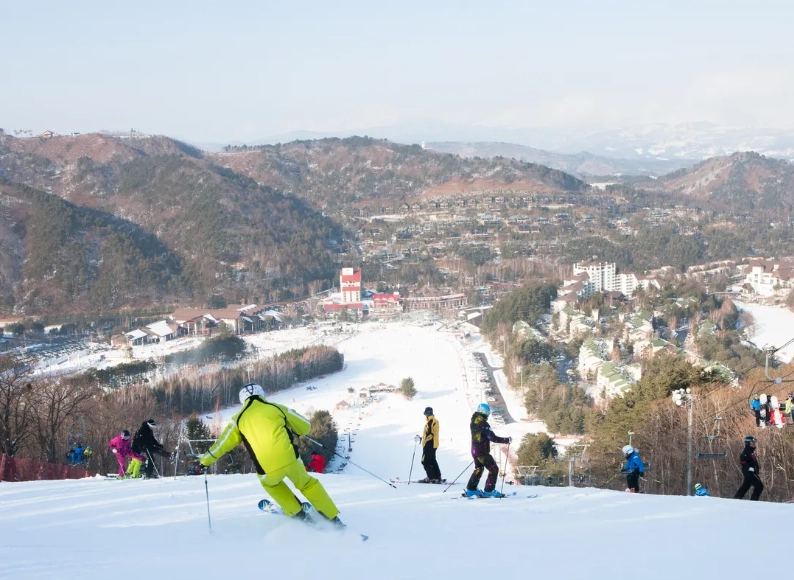
Traffic Avoidance Tips
Use real-time apps like KakaoMap or Naver Map, not just Google Maps. They're better for Korean roads. Leave Seoul by 6 AM on weekends, or consider overnight stays. A pro tip: bypass the Yeongdong Expressway during holidays by taking local roads via Chuncheon—it adds time but saves sanity.
Bus Options: Schedules and Savings
Buses are the workhorse for budget travelers. Direct buses run from Seoul Express Bus Terminal (Gyeongbu Line) and Dong Seoul Bus Terminal to Yongpyong. The ride takes 3 to 4 hours, depending on traffic and stops.
From my experience, buses are reliable but cramped. I'm 6 feet tall, and legroom is a luxury. On a packed bus last season, I ended up with a stiff back before even hitting the slopes. Still, for solo trips, it's a no-brainer.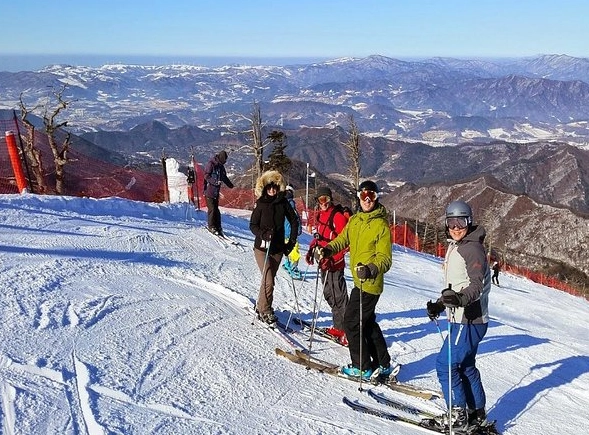
Bus Companies and Fares
Major operators include Gangwon Express and Kumho Express. Fares range from 18,000 to 22,000 KRW one-way. Schedules ramp up in winter, with departures every 30-60 minutes from 6 AM to 10 PM. Book online via platforms like Kobus or T-money to secure seats—walk-ins risk sell-outs.
Here's a quick comparison table for clarity:
| Transport Mode | Average Time | Cost (One-Way) | Best For | Biggest Drawback |
|---|---|---|---|---|
| Car | 2.5-4 hours | ~25,000 KRW | Families, gear haulers | Traffic jams |
| Bus | 3-4 hours | 18,000-22,000 KRW | Solo travelers, budget trips | Limited comfort |
| Train + Bus | 3.5-4.5 hours | 30,000+ KRW | Scenic lovers, relaxed pace | Multiple transfers |
Bus Stops and Arrival
Buses drop you at Yongpyong's main terminal, a short walk to lifts. But if you have heavy gear, taxis are available for a 5-minute ride to your hotel. I've seen people struggle with skis on icy paths—pack light or use resort lockers.
Train Travel: Scenic but Complex
Trains offer a relaxed ride, but they're not direct. Take the KTX from Seoul Station to Gangneung Station. That's about 2 hours. Then, catch a local bus or taxi to Yongpyong, which adds 1.5 to 2 hours.
Total time: 3.5 to 4.5 hours. Cost: KTX ticket is around 30,000 KRW, plus 5,000 KRW for the bus. I tried this once with friends. The KTX was smooth, but the bus transfer at Gangneung was confusing—signs weren't clear, and we wasted 30 minutes figuring it out.
Why Consider the Train?
It's scenic, especially along the east coast. Great if you hate driving. But for efficiency, it falls short. During peak season, KTX seats sell out fast. Book via Korail's website at least a week ahead.
An alternative: take the ITX-Saemaeul to Wonju, then a bus. Adds time but cheaper. I haven't done this, but locals mention it as a backup.
Planning Strategies for a Smooth Trip
Timing is everything. Based on my trips, here's a foolproof plan. Assume you're going for a weekend ski trip from Seoul.
Scenario: Family of four, driving. Leave Seoul Friday by 3 PM to avoid evening rush. Or better, leave Saturday at 5 AM—yes, it's early, but you'll ski by 9 AM. Book a hotel near Yongpyong, like Holiday Inn Resort, to minimize travel time. Costs: 200,000 KRW for two nights, plus transport.
Scenario: Solo traveler, on a budget. Take the 6 AM bus from Dong Seoul Terminal on Saturday. Arrive by 10 AM, rent gear at the resort (about 50,000 KRW/day), and ski till close. Return on the 8 PM bus. Total cost under 100,000 KRW.
Weather and Road Conditions
Winter roads can be icy. Check the Korea Meteorological Administration website for updates. I once drove in light snow, and without winter tires, it was sketchy. Rent a car with 4WD if possible.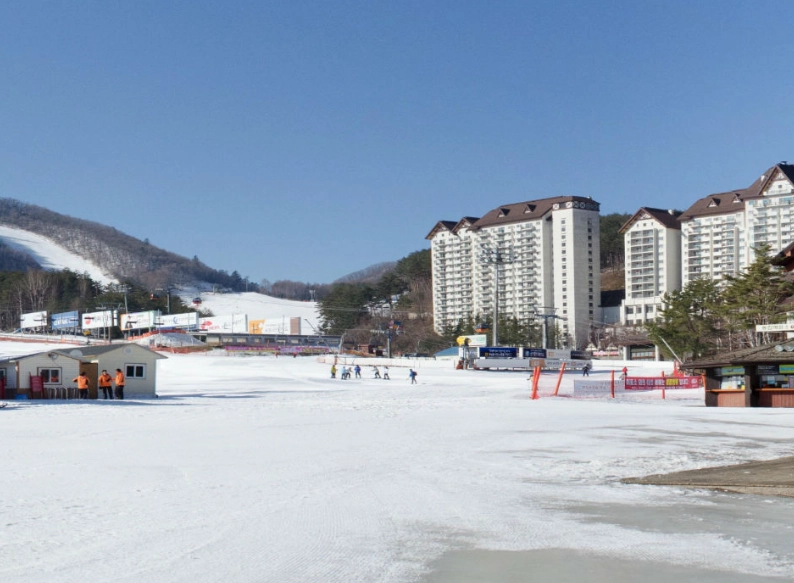
External Resources
For official info, refer to the Korea Tourism Organization's ski guides or Yongpyong Resort's transport page. They don't always have real-time data, but they're reliable for basics.
Your Burning Questions Answered
Wrapping up, the distance from Seoul to Yongpyong is manageable, but smart planning makes all the difference. Whether you drive, bus, or train, factor in traffic, costs, and your comfort. My biggest lesson? Always have a backup plan. On one trip, my car broke down near Hongcheon, and I had to scramble for a taxi—costly but got me there. Use this guide to dodge those pitfalls and hit the slopes smoothly.