So you're planning a ski trip to Korea and the big question is: what's the best ski resort? Here's the truth upfront—there's no single winner. The "best" resort depends entirely on who you are. Are you a family with young kids learning to pizza and french fry? A park rat hunting for jumps and rails? An intermediate cruiser looking for long, scenic runs? Or maybe you just want a lively apres-ski scene.
I've spent seasons skiing across Korea, from the mega-resorts of Gangwon-do to the smaller hills near Seoul. The common online lists just parrot the same stats. I want to give you the feel of each place, the stuff that matters when you're actually there—like which resort has the most frustrating lift lines on a Saturday, or where you can actually find a quiet corner.
Your Quick Ski Resort Finder
Key Factors to Pick Your Best Korean Ski Resort
Forget just looking at vertical drop. Here’s what you should really weigh.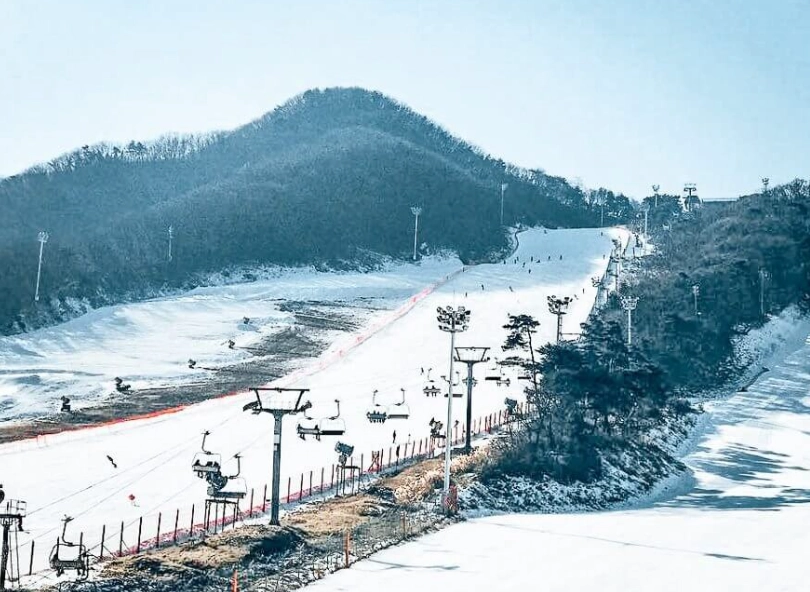
Terrain & Snow: Managing Expectations
Let's be real. If you're comparing Korea to the powder of Hokkaido or the vastness of the Rockies, you'll be disappointed. The mountains are smaller. The snow is largely machine-made—reliable, but often hard-packed. Natural snowfall is a bonus, not a guarantee. The real differentiator is terrain variety and grooming quality.
Some resorts are masters of creating fantastic cruising runs on limited terrain. Others have a few surprisingly steep pitches. If you hear about "off-piste," it's usually tightly controlled or closed. The culture is very much about groomed runs.
The Crowd Factor & Lift Systems
This might be the most important factor nobody talks about enough. Korean resorts get insanely crowded on weekends and holidays. I'm talking 30-45 minute lift lines. The lift infrastructure makes a huge difference. Resorts with older, slower chairlifts crumble under pressure. Look for places with more high-speed detachable quads or gondolas. Weekday skiing is a dream; weekend skiing is a test of patience.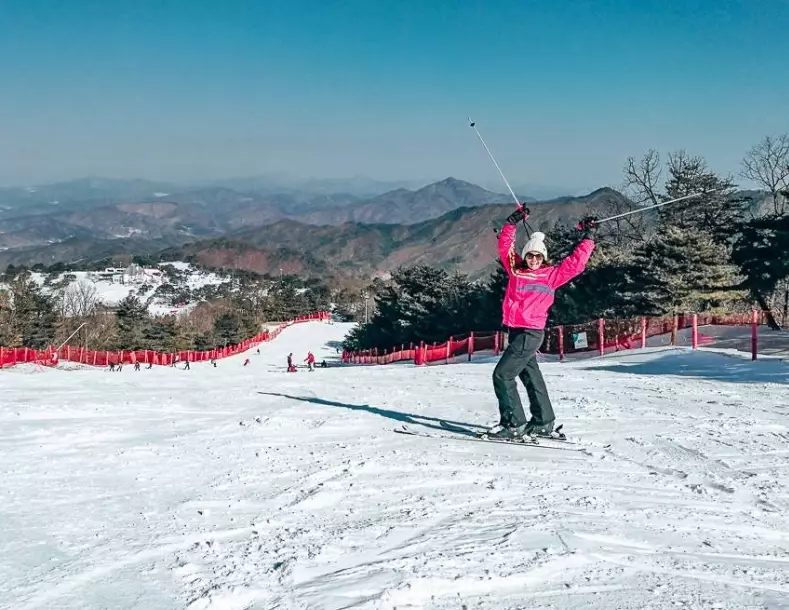
Family-Friendliness vs. Party Vibe
It's a spectrum. Some resorts are designed like well-oiled family theme parks, with easy slopes right outside the hotel, kids' zones, and hassle-free rentals. Others cater more to the young, social crowd who are as interested in the nightlife as the skiing. Where you stay on this spectrum depends on your trip's goal.
The Contenders: A Detailed Resort Breakdown
Here’s a raw look at the major players. I've included a quick-reference table, but the real insights are in the details below.
| Resort | Location (Province) | Key Claim | Best For | Peak Season Lift Ticket (approx.) |
|---|---|---|---|---|
| Yongpyong Resort | Pyeongchang, Gangwon-do | Largest & 2018 Olympics Host | Intermediates, Families, Variety Seekers | 95,000 KRW |
| High1 Resort | Gohan, Gangwon-do | Highest & Most Challenging Terrain | Advanced Skiers, Gamblers, Snowboarders | 90,000 KRW |
| Phoenix Park | Pyeongchang, Gangwon-do | Best Grooming & Beginner Slopes | Beginners, Park Skiers, Young Crowd | 85,000 KRW |
| Alpensia Resort | Pyeongchang, Gangwon-do | Most Integrated & Compact | First-Time Visitors, Families with Young Kids | 80,000 KRW |
| Vivaldi Park | Hongcheon, Gangwon-do | Closest to Seoul | Day Trippers, Night Skiing, Beginners | 75,000 KRW (Night) |
Yongpyong Resort: The All-Rounder Giant
Address: 715, Olympic-ro, Daegwallyeong-myeon, Pyeongchang-gun, Gangwon-do. This is the big one. Host of the 2018 Alpine events. It feels massive. 28 slopes, the longest run in Korea (5.6km from the top of the Dragon Peak gondola), and a ton of lifts.
The terrain is fantastic for low-to-mid intermediate skiers. Long, winding blues that let you cruise for miles. The Rainbow slopes are perfect for building confidence. For experts, the Olympic downhill course is a blast when it's open—it's seriously steep and fast.
Here's the catch. Because it's famous, it's crowded. The gondola base can be a zoo. And the resort layout is a bit sprawling; getting from some hotels to the lifts might require a shuttle bus. I stayed at the Holiday Inn Resort once and loved the ski-in/ski-out access, but the food options inside the resort complex are pricey and repetitive.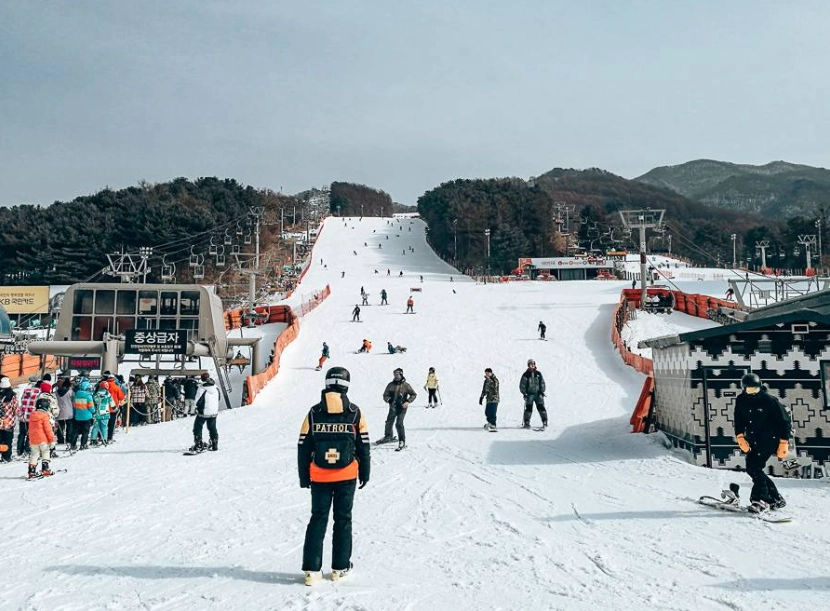
High1 Resort: The Challenger's Choice
Address: 265, High1-gil, Sabuk-eup, Jeongseon-gun, Gangwon-do. Don't let the name fool you—it refers to the integrated resort with a casino. For skiing, this is where you find the most interesting terrain. The vertical is legit, and they have the most black diamond runs.
The Golden Slope is no joke. It's steep, often icy, and separates the talkers from the walkers. What I appreciate about High1 is the vibe. It feels less like a curated theme park and more like a mountain. There are more tree-lined runs and, on a good day, you can find some fun off-the-side-of-the-trail powder stashes (always check with patrol first!).
The major downside? Location. It's the farthest from Seoul (about 3.5+ hours by bus/car). You're committing to staying there. The casino hotel is glitzy, but the surrounding area is quiet. This isn't the place for a hopping nightlife outside the resort walls.
Phoenix Park: The Grooming King & Social Hub
Address: 174, Taegi-ro, Bongpyeong-myeon, Pyeongchang-gun, Gangwon-do. Phoenix Park wins the award for best-managed snow. Their grooming team is obsessive. The corduroy in the morning is impeccable. This makes it heaven for beginners and cruisers.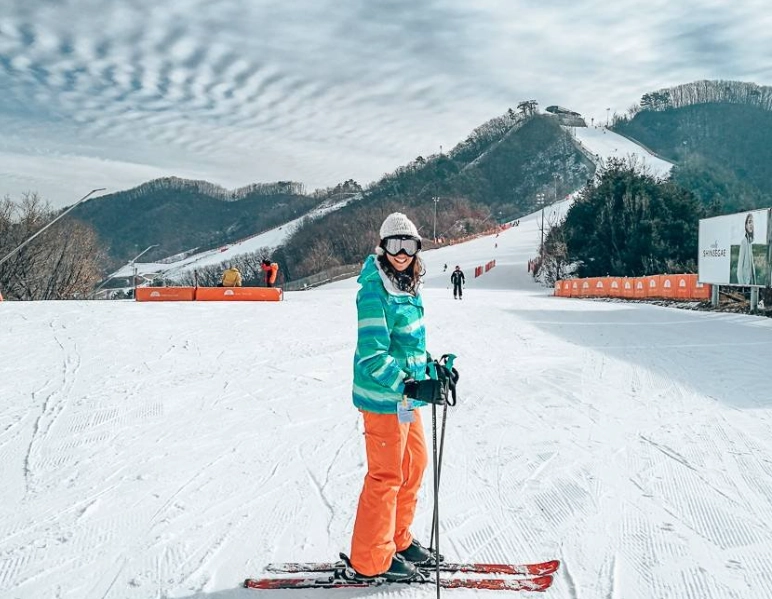
Their "Pink Slopes"—wide, gentle, segregated beginner areas—are genius. New skiers can learn without fear of being mowed down. They also have one of Korea's best terrain parks, consistently ranked top for its features and maintenance.
The clientele skews younger. There's a definite social, almost festival-like atmosphere, especially on weekends. The Phoenix Hotel is right at the base, and there are tons of condos. The apres-ski scene is the most active among the Pyeongchang resorts. Just be prepared for loud music and groups of friends everywhere.
A Local's Tip: Almost all resorts offer significant discounts (20-30%) if you purchase your lift pass online in advance, at least a day before. Never, ever buy at the ticket window at full price. Also, look for "Ski Pass" packages on Korean travel sites like Trazy or Klook that bundle transport from Seoul, lift ticket, and rental.
Beyond the Slopes: Accommodation, Food & Getting There
The skiing is only half the battle. Logistics matter.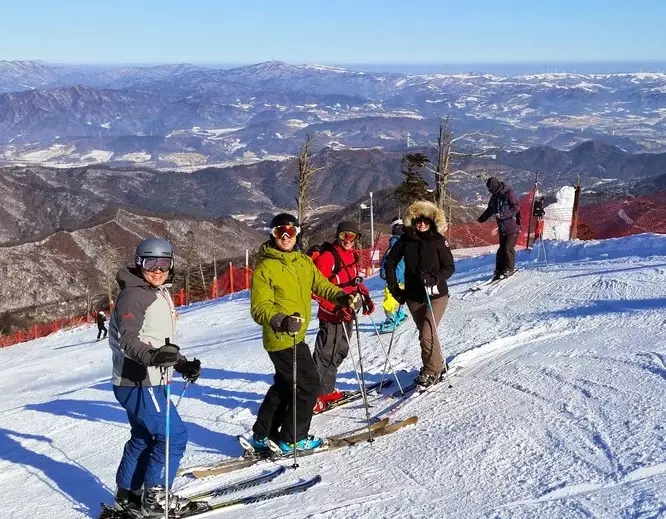
Getting There From Seoul
Most international visitors fly into Incheon. Your options:
- Direct Resort Buses: The easiest. Buses depart from Seoul stations (like Express Bus Terminal, Dong Seoul) directly to the resort. Takes 2.5 to 4 hours depending on resort. Book online.
- Train + Shuttle: Take the KTX high-speed train to Jinbu Station (for Pyeongchang resorts) or Jeongseon Station (for High1). From there, free resort shuttles complete the journey. More scenic, sometimes faster.
- Rental Car: Gives ultimate flexibility, especially if you want to visit multiple resorts. But driving in Korean winter mountain conditions can be daunting if you're not used to it.
Where to Stay & Eat
Slopeside vs. Nearby Town: Slopeside hotels (Holiday Inn at Yongpyong, Intercontinental at Alpensia, Phoenix Hotel) are super convenient but expensive, with limited dining. Renting a condo or staying in a nearby pension (Korean B&B) in towns like Hoenggye or Jinbu is cheaper. You'll get access to authentic Korean restaurants—think steaming pots of budae jjigae (army stew) or samgyeopsal (grilled pork belly)—and need to use the resort's free shuttle.
On-mountain food is standard fast fare: overpriced ramen, kimbap, and fried chicken. Pack some snacks.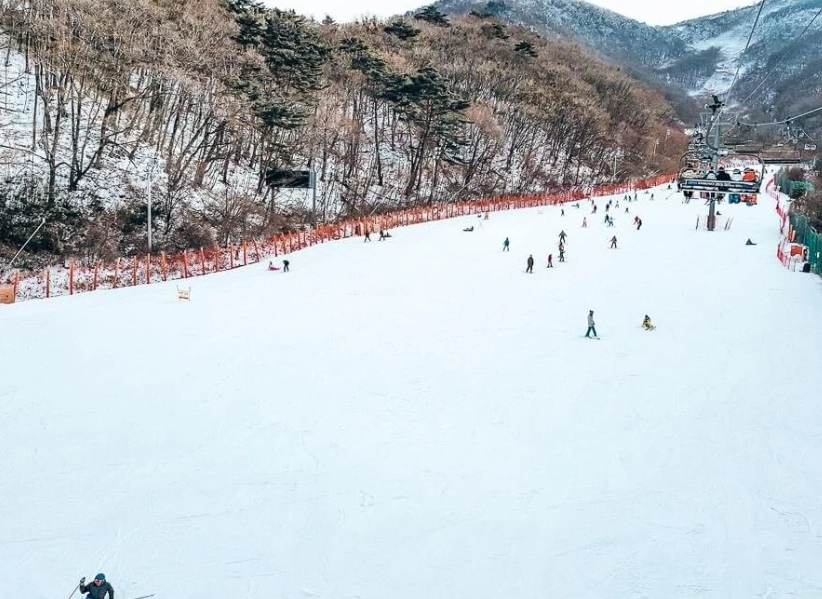
The Final Verdict: Who Should Go Where?
Let's cut to the chase.
For Families & First-Timers: Your top choice is Phoenix Park or Alpensia. Phoenix has better learning slopes. Alpensia is more compact and manageable, with everything in one bowl. Yongpyong is also excellent but can feel overwhelming.
For Intermediate Cruisers Seeking Variety: Yongpyong Resort is your playground. The sheer number of long, scenic runs will keep you entertained for days.
For Advanced Skiers & Snowboarders: High1 Resort is the only answer. It has the steepest pitches, the most challenge, and the best chance for interesting conditions. Phoenix Park is second for its top-tier terrain park.
For a Weekend Trip from Seoul: Vivaldi Park or Oak Valley (not detailed here, but another good near-Seoul option). The skiing is limited, but the convenience is unbeatable. Great for a night-skiing fix.
Your Korea Ski Trip Questions Answered
Which Korean ski resort is best for beginners?
For first-timers, Phoenix Park in Pyeongchang is arguably the best. Its dedicated 'Pink Slopes' are wide, gentle, and meticulously groomed, creating a less intimidating environment. The ski school is well-organized with English-speaking instructors, and the resort layout is compact, minimizing the stress of navigating a massive complex. While Yongpyong also has good beginner areas, Phoenix Park's overall vibe and dedicated learning zones give it the edge for pure novices.
What is the best ski resort in Korea for expert skiers?
Advanced skiers should head to High1 Resort. While Korean resorts aren't known for extreme terrain, High1 offers the most consistent challenge. Its 'Golden Slope' is the steepest groomed run in the country, and the resort has more black diamond runs than its competitors. The real draw, however, is the off-piste access. On powder days, the ungroomed areas between trails and the gladed sections provide the most authentic advanced skiing experience Korea has to offer. Just check with patrol first.
When is the best time to ski in Korea?
Aim for mid-January to late February. This is the peak season with the most reliable cold temperatures for consistent snowmaking and the highest chance of natural snowfall. December can be hit-or-miss with thinner snow cover. March brings warmer, sunnier days—great for spring skiing—but the snow can get slushy in the afternoons. A common mistake is booking during Korean holidays like Lunar New Year; the resorts are packed to capacity, lift lines are insane, and prices skyrocket. If you can, avoid that week entirely.
Is it expensive to ski in Korea?
Compared to the Alps or Japan, skiing in Korea can be surprisingly affordable, but costs add up quickly. Lift tickets are reasonable (around 80,000-100,000 KRW per day). The real budget-killer is equipment rental and clothing hire if you don't have your own gear. Renting a full setup (skis, boots, poles, jacket, pants) can easily cost another 50,000-80,000 KRW per day. To save money, book lift+rental packages online in advance, often at a 20-30% discount. Staying slopeside is premium; consider cheaper accommodation in nearby towns and using the free resort shuttle buses.
So, what's the best ski resort in Korea? It's the one that matches your skill level, your travel style, and what you want from the trip. Don't just chase the biggest name. Chase the experience that fits you.
Book your lift tickets early, avoid the holiday rush, and you're in for a fantastic, unique ski trip that blends great skiing with incredible Korean culture and food. See you on the slopes.