When most people think of skiing in South America, Chile often gets the first nod. But having spent seasons exploring both sides of the Andes, I can tell you Argentina's ski resorts hold their own with a unique, rugged charm and some of the most reliable snow on the continent. Forget the crowded Alps or pricey North American destinations. Argentina offers a raw, authentic ski experience where the steaks are as legendary as the slopes, and the après-ski involves Malbec by a fireplace. The season here flips the script, running from roughly June to October, giving northern hemisphere skiers a perfect winter fix during their summer. Let's dive into what makes Argentine skiing special and how to plan a trip that goes beyond the brochure.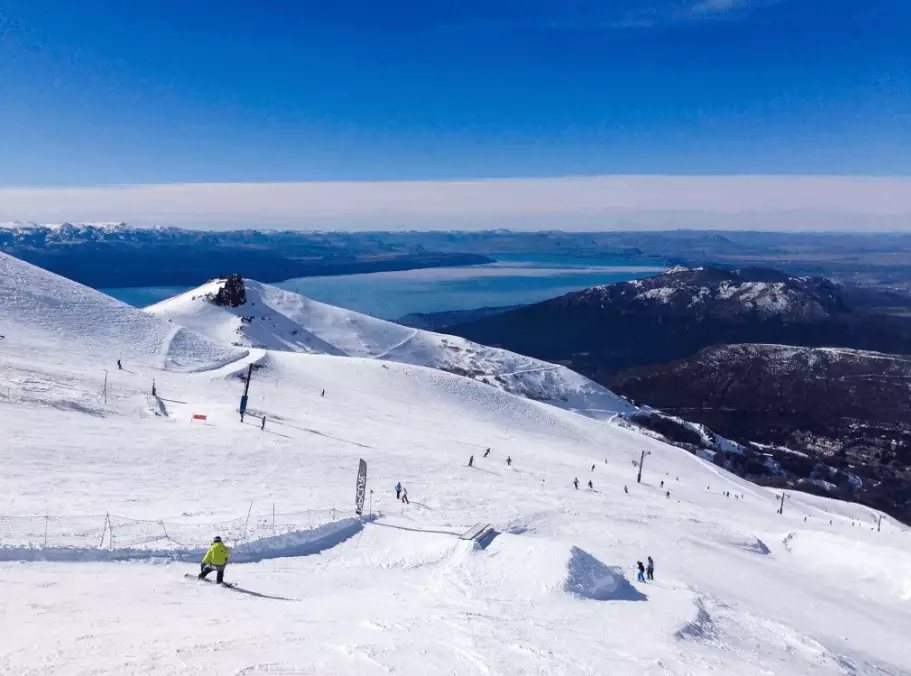
Navigate Your Argentine Ski Adventure
- Why Argentina Deserves a Spot on Your Ski Bucket List
- The Big Three: Argentina's Premier Ski Resorts Compared
- How to Choose the Right Argentina Ski Resort for You
- The Nitty-Gritty: Lift Tickets, Getting There & Where to Stay
- Insider Advice You Won't Find in a Travel Pamphlet
- Your Argentina Ski Trip Questions, Answered
Why Argentina Deserves a Spot on Your Ski Bucket List
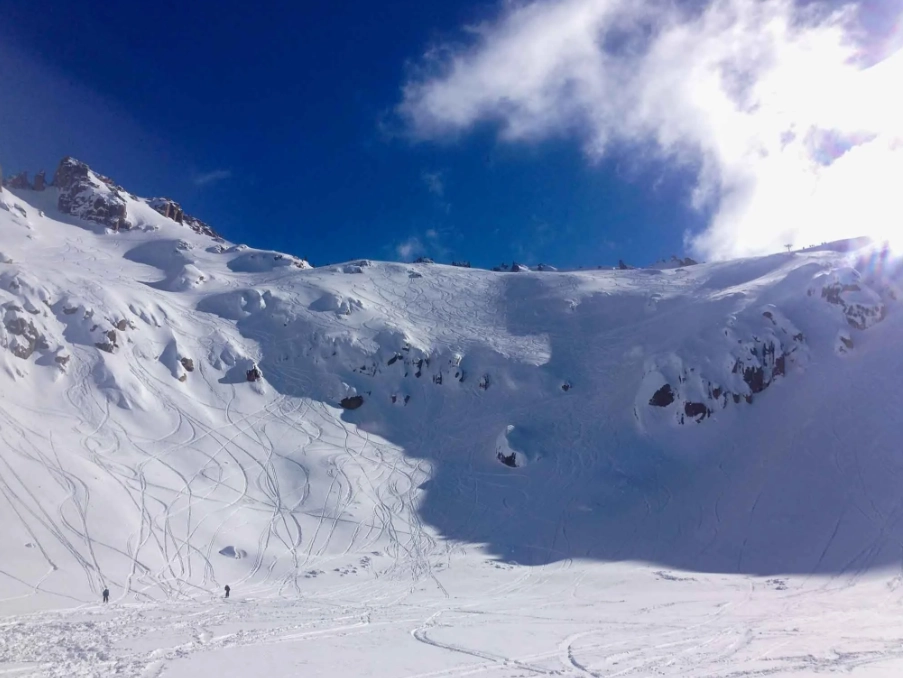
Argentine ski culture is different. It's less about luxury spas and more about the pure joy of being in the mountains. The terrain is massive, the views are dramatic (think jagged peaks and deep blue lakes), and the snow, particularly in the south, has a famous dryness thanks to the Patagonian climate. Resorts are built around existing mountain towns, so you're immersed in local life, not a sterile tourist bubble. You'll ski past gauchos on horseback, share a lift with Porteños escaping Buenos Aires, and end your day in a cozy confitería.
A common misconception is that it's all expert-level. Not true. While there are legendary off-piste and backcountry zones, each major resort has excellent beginner and intermediate areas. The value is also a huge draw. Even with Argentina's recent inflation, a ski holiday here often costs significantly less than comparable trips in Europe or North America, especially when it comes to food, drink, and lodging.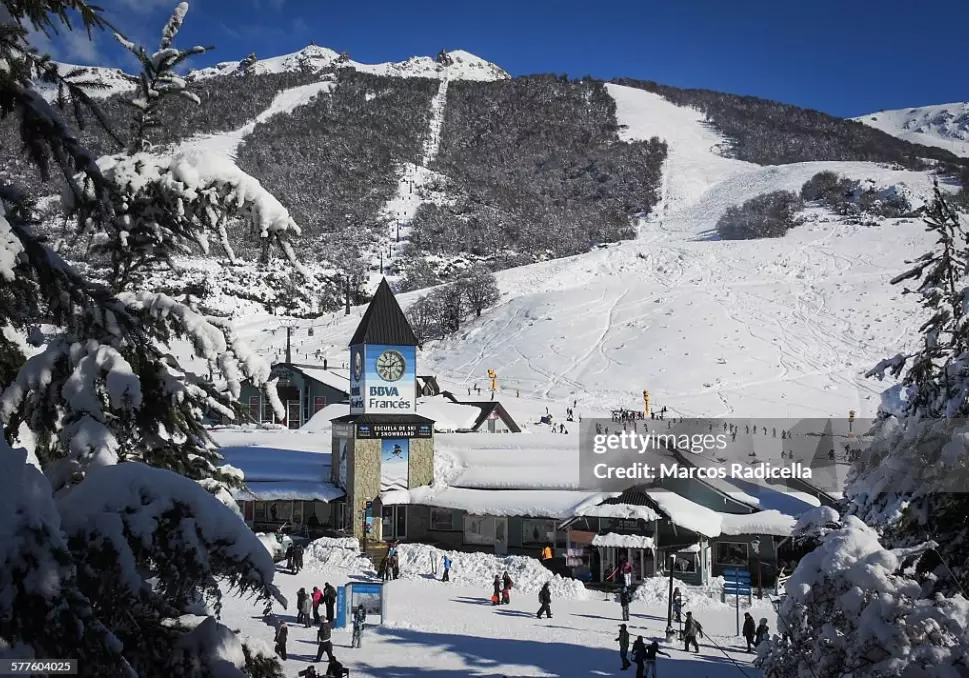
The Big Three: Argentina's Premier Ski Resorts Compared
Argentina's ski scene is dominated by three major areas, each with a distinct personality. Picking the right one is the key to your trip's success.
| Resort | Region / Nearest City | Key Stats & Terrain | Vibe & Best For |
|---|---|---|---|
| Cerro Catedral | Patagonia / San Carlos de Bariloche | **Largest in S. America:** 1200 skiable hectares, 39 lifts. **Elevation:** 1,035m - 2,100m. **Snowfall:** Reliable, can be heavy/wet at base. Terrain split: 20% Beginner, 40% Intermediate, 30% Advanced, 10% Expert. | The complete package. Lively base village, stunning Lake Nahuel Huapi views, fantastic tree skiing, and a huge variety of terrain. Perfect for groups with mixed abilities, families, and those who want a real town (Bariloche) with great chocolate, craft beer, and nightlife 20 minutes away. |
| Las Leñas | Central Andes / Malargüe | **Legendary Powder & Extreme:** 175 skiable hectares, 14 lifts. **Elevation:** 2,240m - 3,430m (one of the highest). **Snowfall:** Light, dry, but less predictable. Famous for its vast, above-treeline bowls and the iconic "Marte" chairlift accessing expert-only terrain. | The expert's pilgrimage. It's remote, purpose-built, and when the snow is good and Marte is open, it's arguably the best advanced skiing in South America. Not ideal for beginners. The vibe is international, focused purely on skiing. The village is self-contained with hotels and restaurants. |
| Cerro Chapelco | Patagonia / San Martín de los Andes | **Scenic & Family-Friendly:** 360 skiable hectares, 16 lifts. **Elevation:** 1,280m - 1,980m. **Snowfall:** Good quality, often lighter than Catedral. Terrain is beautifully groomed and naturally separated by difficulty, making it intuitive to navigate. | The charming, low-key favorite. It's less crowded, impeccably maintained, and set in a breathtaking forest. The nearby town of San Martín is an absolute gem—quaint, peaceful, with superb dining. Ideal for intermediate cruisers, families with kids, and skiers who prioritize scenery and a relaxed pace over sheer size. |
Beyond these three, there are smaller, local gems like Cerro Castor near Ushuaia (the world's southernmost ski resort for a unique bragging right) and La Hoya near Esquel, known for its long season and natural snow parks.
How to Choose the Right Argentina Ski Resort for You
This isn't just about picking the biggest or most famous.
Pick Cerro Catedral if: You're a first-timer to Argentina skiing, you're in a group with varying skill levels, you want the convenience of a major airport (Bariloche), and you enjoy having a vibrant town for off-slope activities. The sheer variety means you won't get bored.
Pick Las Leñas if: You are a strong advanced/expert skier or boarder chasing steep lines and deep powder. You're okay with the gamble of a remote location and potential lift closures due to wind (that high elevation comes with weather). Your trip is 100% focused on riding challenging terrain.
Pick Cerro Chapelco if: You value a tranquil, picturesque experience over partying. You're an intermediate skier who loves perfectly groomed corduroy through beautiful forests. You're traveling with family or want to combine skiing with exploring a delightful Patagonian lake town.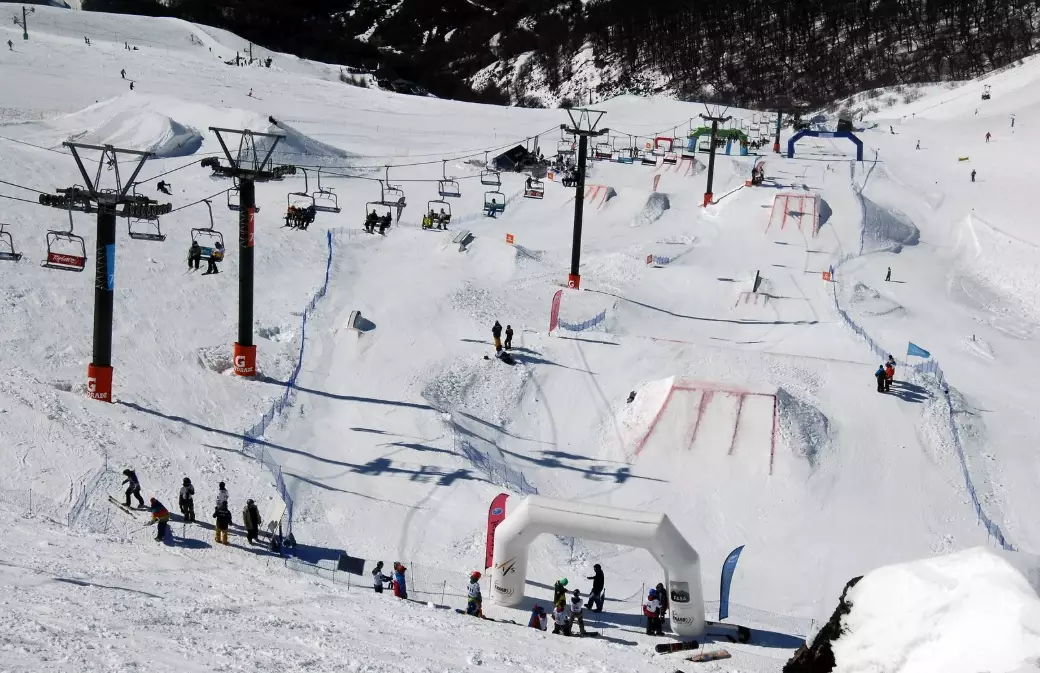
The Nitty-Gritty: Lift Tickets, Getting There & Where to Stay
Let's get practical. This is the info you need to actually book the trip.
Lift Ticket Reality Check (2024 Season Estimates): Prices have risen but remain competitive. A daily adult pass at Cerro Catedral runs about USD $80-95. Las Leñas and Chapelco are slightly less, around USD $70-85. Always check the resort's official website for current rates and buy online in advance for potential discounts. Multi-day passes offer the best value. Don't forget to budget for ski rental, which is widely available and reasonably priced in town shops, often cheaper than at the resort base.
Getting There: This is the biggest logistical hurdle. You'll almost always fly into Buenos Aires (EZE). From there:
- To Bariloche (for Catedral): Direct 2-hour flight to Bariloche Airport (BRC). Then a 45-minute taxi/shuttle to the city or ski base.
- To San Martín (for Chapelco): Fly to Chapelco Airport (CPC) via a connection, or fly to Bariloche and drive 2.5 hours (a stunning scenic route).
- To Las Leñas: Fly to Malargüe Airport (LGS) via Mendoza or Buenos Aires. The resort is a 90-minute transfer from the airport. Alternatively, fly to Mendoza, spend a night, and take a 4-5 hour shuttle.
Where to Stay – The Local's Take:
In Bariloche, skip the generic chain hotels. Stay in the city center for food and atmosphere (like the Hotel Cristal or a lakeside cabin rental) and take the frequent bus to the mountain. Or, for slope-side convenience, the Hotel Pire-Hue at the base is classic. In San Martín, any boutique hotel or cabin in town is a winner—you're walking to restaurants and a short drive to the hill. For Las Leñas, you're staying in the village. The Hotel Piscis is the classic ski-in/ski-out option, but book early.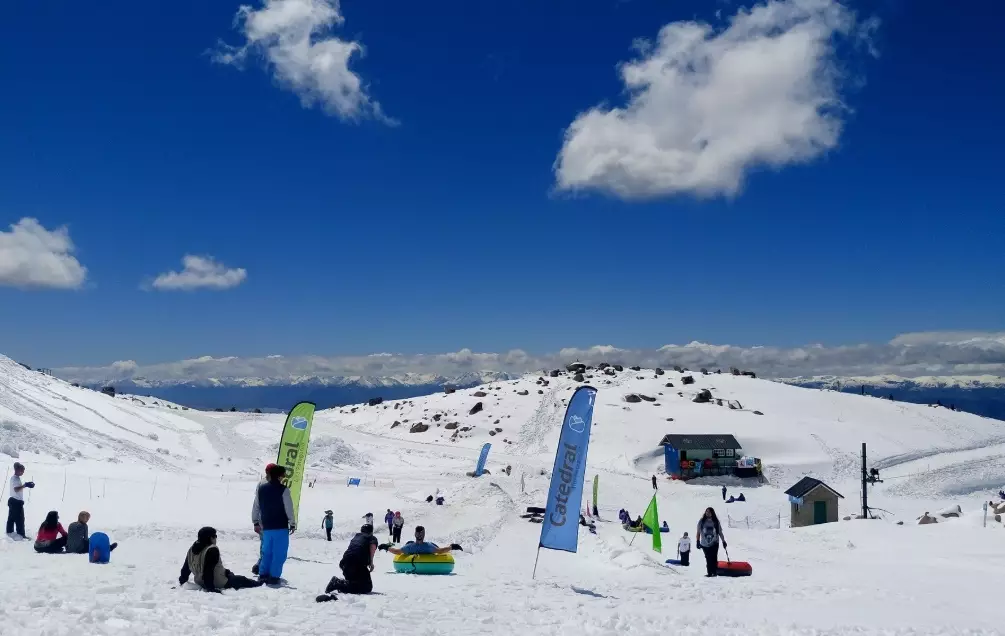
Insider Advice You Won't Find in a Travel Pamphlet
Here's where that "10 years of experience" comes in. The little things that make or break a trip.
Timing is Everything: July and August are peak, with the most lifts open and best coverage, but also the most crowds (relative to Argentina). Early September is my sweet spot—still great snow, thinner crowds, and often better prices. June can be a roll of the dice on base depth.
The Wind Factor: Especially at Las Leñas and the upper parts of Catedral, wind can shut down key lifts. Have a backup plan for windy days—lower mountain skiing, exploring the town, or a spa day. Don't build your entire trip around one lift being open.
Argentine Pace: Things move slower. Lift lines might be less organized than you're used to. Service in restaurants is relaxed. Embrace it. This isn't a military operation; it's a holiday. Your blood pressure will thank you.
Cash is (Still) King: While cards are widely accepted, having Argentine pesos in cash for small vendors, tips, taxi drivers, and local markets is essential. Exchange money at official "casas de cambio" in the city for the best rate, not at the airport.
Altitude & Hydration: Las Leñas's base is at 2,240m. You will feel it. Drink more water than you think you need, go easy on the alcohol the first night, and pack lip balm and serious sunscreen. The Andean sun is intense.
Your Argentina Ski Trip Questions, Answered
Do I need a visa to ski in Argentina?
Citizens of the US, Canada, UK, EU, Australia, and New Zealand typically do not need a visa for tourist stays under 90 days. You will receive a tourist card upon entry. However, reciprocity fees for some nationalities (like Australia) have been reinstated and must be paid online before travel. Always check the latest requirements with the official Argentine government immigration website or your local embassy a few weeks before your trip, as policies can change.
What's the single biggest mistake first-time visitors make?
Underestimating travel time and trying to do too much. Argentina is vast. A common error is flying into Buenos Aires and trying to immediately connect to a ski destination on the same day with international luggage in tow. Flight delays are common. My rule: Always spend one night in Buenos Aires or your entry city upon arrival. Recover from your long flight, ensure your bags made it, then take a fresh domestic flight the next morning. It reduces stress dramatically.
 Is Argentina skiing good for families with young children?
Absolutely, but choose your resort wisely. Cerro Chapelco is the top pick for families. Its terrain is naturally segregated, the ski school is excellent, and the town of San Martín is safe, walkable, and has a calm, welcoming vibe. Cerro Catedral also works very well due to its size and variety of non-ski activities in Bariloche (chocolate tours, easy lake hikes). Las Leñas, with its expert focus and remote village, is less ideal for young families unless everyone is an advanced skier.
How do I handle the language barrier on the mountain?
In the major resorts, most lift operators, rental techs, and staff in hotels/restaurants catering to tourists will speak basic English. However, learning a few key Spanish phrases ("¿Dónde está la pista para principiantes?" - Where is the beginner slope?; "Un pase de un día, por favor" - A one-day pass, please) goes a long way and is appreciated. Download Google Translate with the Spanish pack for offline use. Signage on trails is international (circles, squares, diamonds).
Can I realistically combine a ski trip with seeing other parts of Argentina?
100%. This is a major advantage. After a week in Patagonia skiing, you can easily add on a few days in Buenos Aires for tango and steak, fly to Mendoza for world-class wine tasting (it's a 2-hour flight from Bariloche), or even extend south to see the glaciers in El Calafate. The key is to do the skiing first, then relax and travel. Don't try to squeeze in a major sightseeing tour before your ski days—you'll just be tired.
Argentina's ski resorts offer an adventure that's about more than just vertical feet. It's about the culture, the landscapes, and the feeling of discovering a winter world that's still wonderfully authentic. Do your research, pick the resort that matches your style, pack your patience and sense of adventure, and get ready for an unforgettable ride on the other side of the world.
Related Articles

Comments
Join the discussion