Let's cut to the chase. When people search for the biggest ski resort in North America, they're not just looking for a number. They're imagining endless runs, legendary terrain, and a trip that feels truly epic. The answer, without any doubt, is Whistler Blackcomb in British Columbia, Canada. More than just stats, it's an experience that defines big-mountain skiing. I've been skiing here for over a decade, and I still find new lines every season. This guide isn't just a rehash of the brochure; it's the insider knowledge you need to tackle this giant without getting overwhelmed or wasting money.
Quick Navigation: What's Inside This Guide
By the Numbers: What Makes Whistler Blackcomb the Biggest
It's the scale that first hits you. Two massive mountains—Whistler and Blackcomb—linked by the record-breaking Peak 2 Peak Gondola. According to the resort's own data and industry reports from sources like Ski Canada Magazine, the figures are staggering.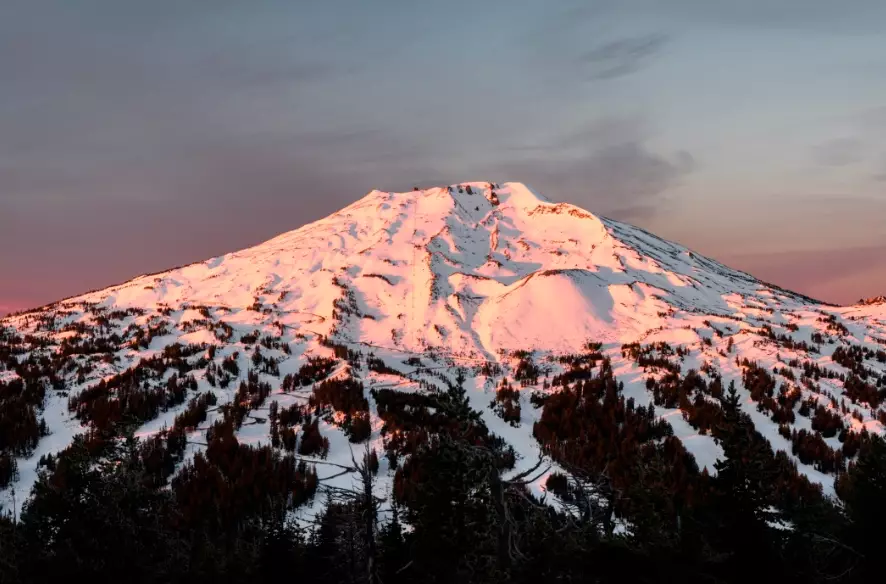
Skiable Acres: 8,171 acres. That's over 12 square miles of terrain. To put it in perspective, it's roughly 50% larger than the biggest resorts in the Colorado Rockies.
Vertical Drop: 5,280 feet from top to bottom. One of the longest sustained verticals on the continent.
Lifts:total, including high-speed gondolas and chairs that move a lot of people.
Annual Snowfall: A reliable 458 inches (about 38 feet) on average. It's coastal snow, which can mean heavier powder than the Rockies, but it's abundant.
But here's the thing beginners miss: sheer acreage doesn't automatically mean the best experience. What Whistler does brilliantly is offer variety within that vastness. You can have a completely different day on each mountain, and you'll need at least three days just to scratch the surface.
The Terrain Breakdown: From Groomers to Glaciers
This is where "biggest" becomes meaningful. The resort is a collection of distinct zones, each with its own personality. Treating it as one homogeneous blob is the first mistake visitors make.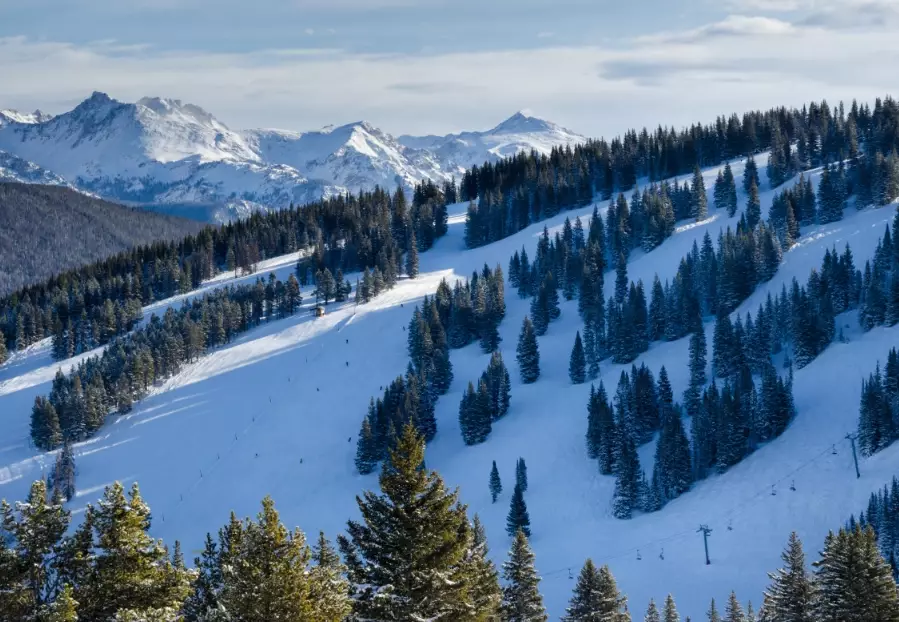
Whistler Mountain: The Iconic Playground
Whistler feels more traditional. The iconic Whistler Village Gondola and Creekside Gondola feed up to a huge network of runs. The Peak Zone is the crown jewel—accessed by the Peak Express chair. On a clear day, the view from the summit is life-changing. The runs off here, like Peak to Creek, are long, leg-burning classics. The Harmony and Symphony areas offer incredible intermediate-to-advanced bowl skiing and glades. This is where you'll find those epic, wide-open powder fields after a storm.
Blackcomb Mountain: Steeper and Deeper
Blackcomb has a reputation for being steeper and more advanced. The 7th Heaven area is a sun-trapped paradise with incredible views and fun, rolling terrain. For experts, the Blackcomb Glacier and the cliffs and chutes of the Spanky's Ladder zone are legendary. Don't be intimidated, though. Blackcomb also has fantastic, long cruising runs like Jersey Cream and Cruiser.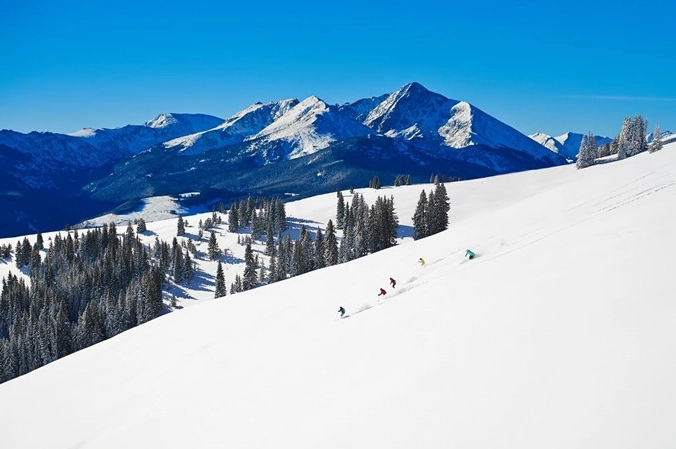
Planning Your Trip: Lift Tickets, Passes & When to Go
Let's talk logistics. A resort this size requires some strategy to avoid budget shock and lift line frustration.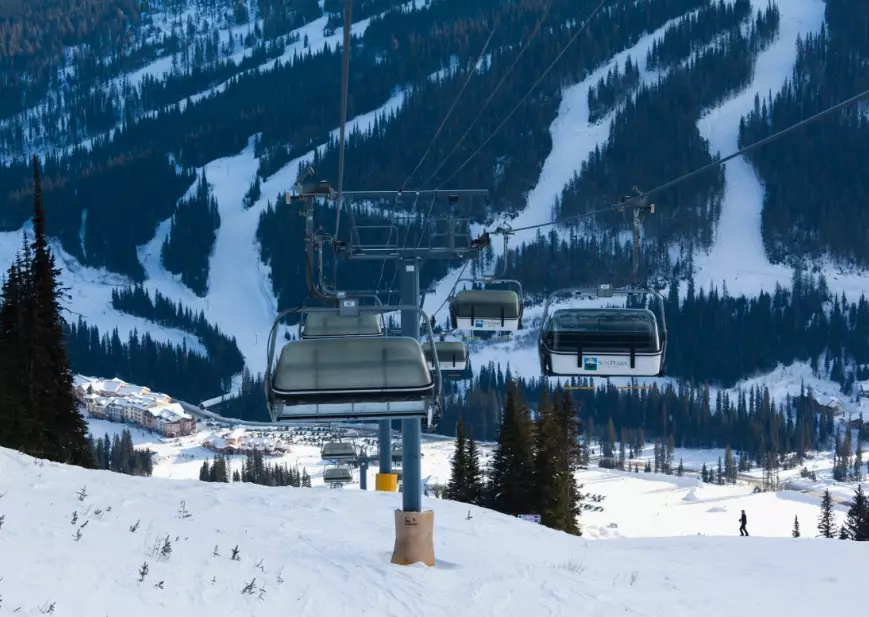
| Planning Aspect | Key Details & Tips |
|---|---|
| Lift Ticket Cost (2024/25 Season) | Single-day window rates hover around CAD $180-$220. This is the painful part. You must book online in advance for any significant discount (often 20-30% off). Walk-up window rates are for emergencies only. |
| Multi-Day & Season Passes | The Edge Card (3+ days) offers the best per-day discount for visitors. Serious skiers should look at the Epic Pass, which includes unlimited Whistler Blackcomb access plus other global resorts. Do the math—if you're skiing 5+ days, it often pays for itself. |
| Best Time to Visit for Snow | Late January through March is the sweet spot. Days are longer, base is deep, and most terrain is open. Early season (November-December) can be rocky. April offers great spring skiing and deals, but lower elevations get slushy. |
| Best Time to Avoid Crowds | Avoid Christmas/New Year and President's Day weekend like the plague. Mid-January (after the New Year rush) and weekdays in March are golden. Even weekends can be manageable if you use the lift strategy mentioned above. |
| Operating Hours | Typically 8:30 AM – 3:00 PM for upper mountain lifts. Some gondolas start earlier (8:15 AM). Night skiing is available on a limited section of Blackcomb on select evenings. |
Where to Stay: Village vs. Value
You have two main choices: the convenience of Whistler Village or the value of surrounding areas.
Whistler Village (Upper & Lower): This is ski-in/ski-out or very close to it. You pay a premium for the location. Hotels like the Fairmont Chateau Whistler or the Pan Pacific are iconic but pricey. The upside? Apres-ski is at your doorstep. You can stumble home from the Longhorn or Garibaldi Lift Co. (GLC).
Creekside & Function Junction: My personal recommendation for families or groups wanting more space for their money. Creekside has its own gondola, great restaurants (like Creekbread), and a more local feel. You can often find condo rentals here that are 20-30% cheaper than equivalent Village properties. The trade-off is a 5-minute drive or bus ride to the main village for nightlife.
Avoid assuming you need a car if you stay in the Village or Creekside. The local bus system (BC Transit) is excellent and free with your lift ticket in some areas.
Getting There and Getting Around
Address: 4545 Blackcomb Way, Whistler, BC V0N 1B4, Canada.
Nearest Major Airport: Vancouver International Airport (YVR) is about a 2-hour drive away.
Your transfer options from YVR:
- Skylynx / Epic Rides Bus: The most cost-effective and reliable way. Direct buses run frequently to Whistler Village. Book online.
- Private Shuttle: More expensive, but door-to-door service for groups.
- Rental Car: Gives you flexibility to explore, but you'll pay for parking in Whistler (often $25-$40/day). The Sea to Sky Highway is a stunning but sometimes challenging drive in winter snow. Snow tires are legally required.
Once in Whistler, use your legs or the free local buses. A car is more hassle than it's worth for a typical ski trip.
Expert Tips to Ski It Like a Local
After countless days here, these are my non-negotiable tips.
First Day Strategy: Don't try to conquer it. Pick one mountain. Do a top-to-bottom run to get your legs. Use the mid-mountain lifts to explore a single zone thoroughly. You'll have more fun and learn the layout.
The Peak 2 Peak Gondola is a Tool, Not Just a Ride. Use it strategically around 11 AM or 2 PM to switch mountains and follow the sun or avoid a weather system. The line is shortest mid-day.
Pack for All Weather: The summit can be a blizzard while it's raining in the village. A waterproof shell, layers, and goggles (not just sunglasses) are essential.
Food & Drink: Mountain lunch is expensive. Pack a bar or buy snacks at the grocery store in town. For apres-ski, the Dubh Linn Gate at the base of Whistler is less chaotic than the Longhorn and has better Guinness.
One subtle mistake? Over-skiing. The vertical is huge, and runs are long. Your legs will burn out by 2 PM if you go full gas from opening bell. Pace yourself. A mid-day hot chocolate break is a performance enhancer.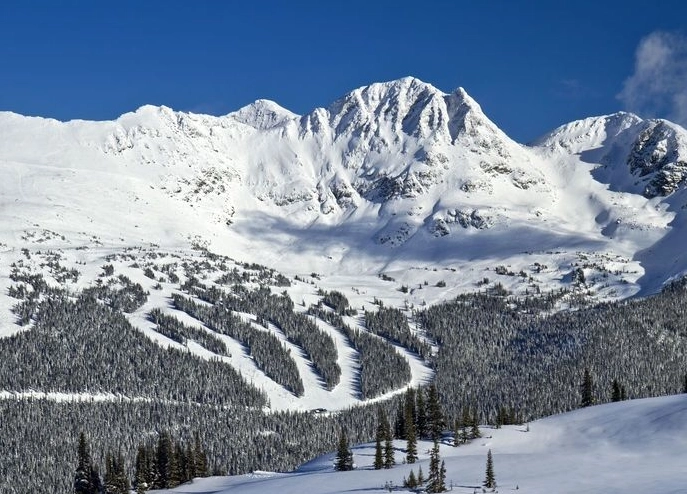
Your Whistler Blackcomb Questions Answered
Related Articles
Comments
Join the discussion