Forget fancy hotels. The true soul of the Alps is found in its network of remote mountain huts, or "refuges" and "hütten." These aren't just shelters; they're waypoints for adventure, community hubs at 2500 meters, and your ticket to experiencing the high mountains on their own terms. I've spent over a decade navigating these trails and sleeping in everything from rustic stone bivouacs to surprisingly comfortable modern huts. The magic is real, but so is the potential for frustration if you go in unprepared. This guide cuts through the romance to give you the practical, nitty-gritty details you need to plan your hut-to-hut journey.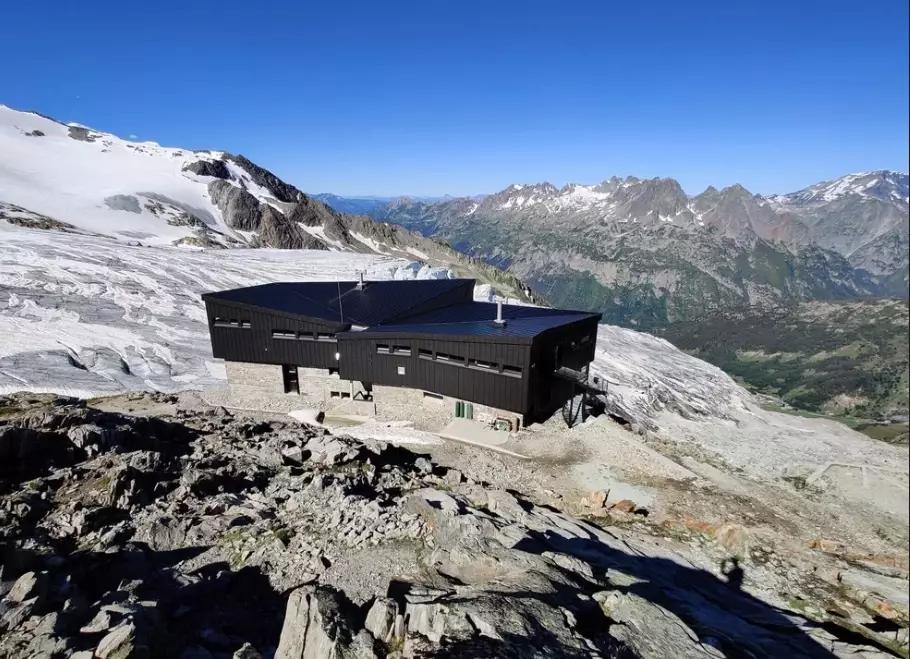
What's Inside This Hut Guide?
What Exactly Are Alpine Backcountry Huts?
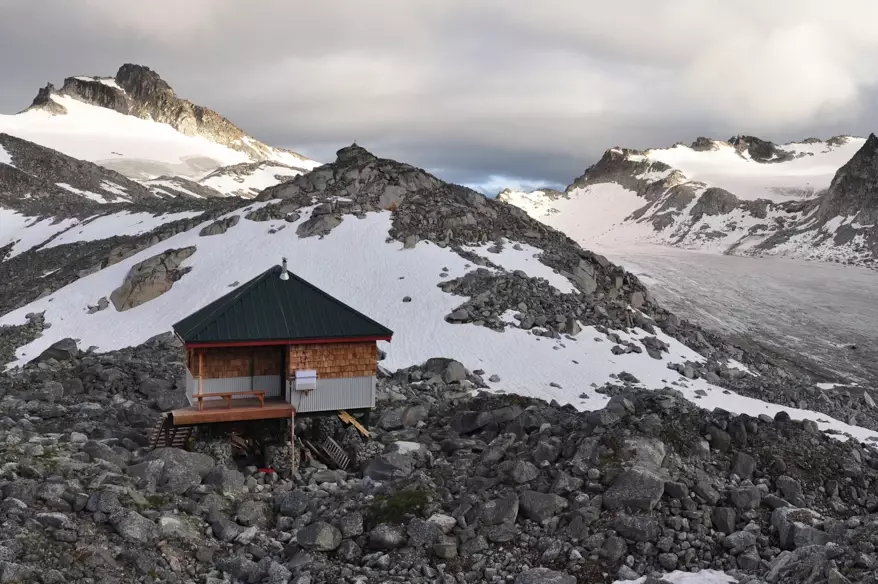
Let's be clear. An Alpine backcountry hut is not a hotel. It's a purpose-built shelter, often run by a national alpine club (like the Swiss Alpine Club SAC or Austrian Alpine Club OeAV), a private family, or a local community. Their primary goal is to support safe mountain travel. Locations are strategic, placed a day's hike apart along classic routes. Facilities range from basic (dormitory sleeping, outdoor toilet, no running water) to full-service (hot showers, restaurant, even solar power).
One common misconception? That they're all spartan and grim. Many have evolved. I've been to huts in the Dolomites with incredible wine cellars and ones in Switzerland serving three-course meals that rival valley restaurants. But the core experience remains communal: sharing a table with strangers, swapping route beta, and watching the sunset from a panoramic terrace.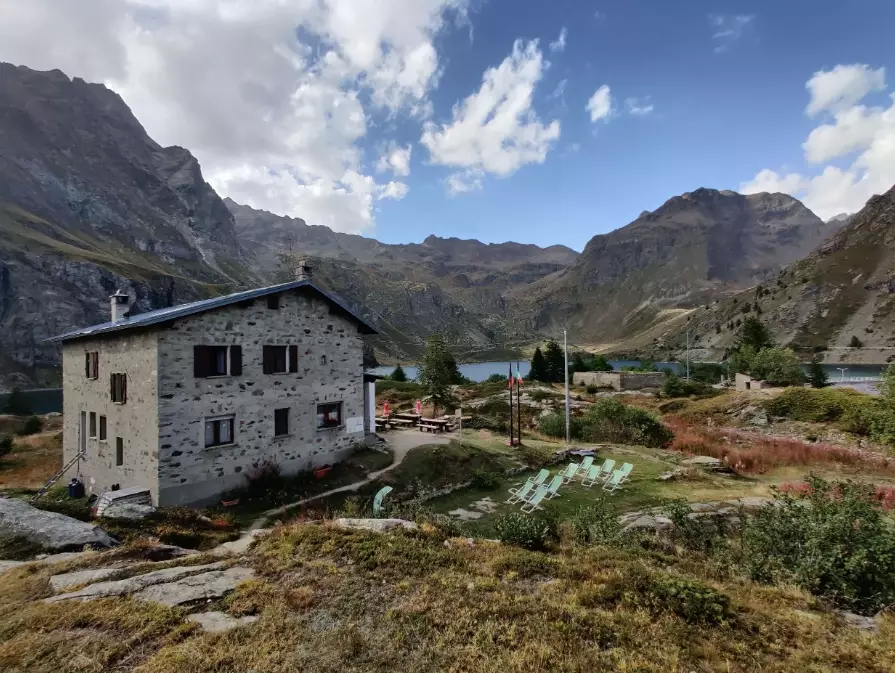
How to Book Alpine Huts: Platforms & Pro Tips
Booking is your first major hurdle. Popular huts on classic routes like the Tour du Mont Blanc or Haute Route can sell out months in advance, especially for August. But don't despair. There are strategies.
Primary Booking Platforms and Methods
| Booking Method | Best For | Pros & Cons | Example/Region |
|---|---|---|---|
| Direct via Hut Website/Phone | Individual huts, last-minute checks | Pro: Sometimes the only way. Direct contact with guardian. Con: Time-consuming for multi-hut trips. | Many Italian Rifugios, private huts. |
| National Alpine Club Portals | Huts run by SAC (CH), OeAV (AT), DAV (DE), CAF (FR) | Pro: Centralized, reliable. Club members get significant discounts (often 40-50%). Con: Need membership. | Swiss Alpine Club (SAC) portal for 150+ huts. |
| Regional Trekking Websites | Booking entire popular routes | Pro: One-stop shop for huts, luggage transfer, guides. Con: Can be more expensive. | Mont Blanc region sites like Autour du Mont Blanc. |
| Online Aggregators | Comparing availability, private huts | Pro: User-friendly interface, multiple languages. Con: Not all huts listed, may charge a fee. | Platforms like Camptoo or specialized Alpine sites. |
My personal rule? For a multi-day trip, book the first and last night's hut as soon as you have dates. These are the most critical. For the middle huts, you might have flexibility, especially if you're willing to adjust daily distances. I once snagged a spot at a fully-booked hut by calling at 5 pm the day before—someone had canceled. It's worth a try.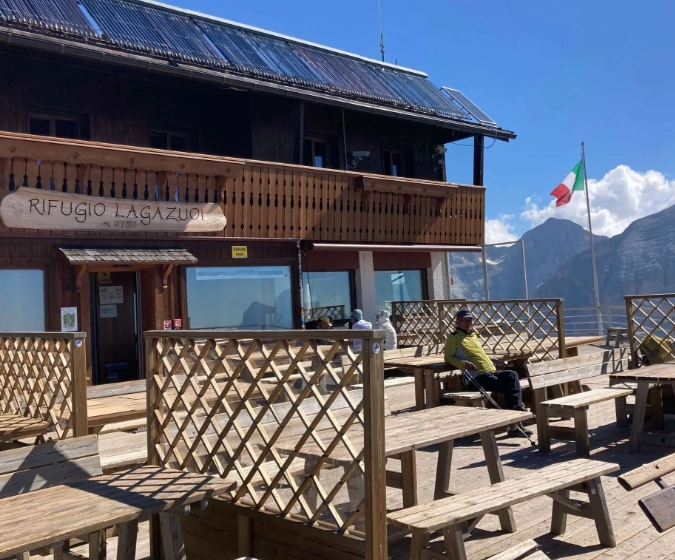
Unspoken Hut Etiquette & Rules You Must Know
This is where many first-timers falter. Huts operate on a system of respect and efficiency. Ignoring these norms marks you as an outsider instantly.
Arrival Time: Get there by 4-5 pm. The guardian is busy cooking. Late arrivals after 7 pm are often frowned upon unless you called ahead.
The Dormitory Dance: You'll get a bunk, usually with a mattress and pillow. Bring your own sleeping bag liner (mandatory—they provide blankets). Keep your pack organized in the designated area, not sprawled on the floor. Use your headlamp's red light mode after lights out.
Dinner is a Ritual: It's served at a set time, often 6:30 or 7 pm sharp. You eat what's prepared—usually a hearty, carb-heavy meal. It's included in the half-board price, which is standard. Don't expect a menu. Dietary restrictions? You must communicate this when booking, not when you arrive.
Quiet Hours: Typically from 10 pm to 6 am. This is sacred. If you have a pre-dawn start, pack your bag the night before and exit the dorm as quietly as humanly possible.
Shoes Off: Indoor shoes or hut slippers are essential. You leave your muddy boots in the entrance rack. I carry lightweight down booties—a luxury that feels incredible after a long day.
Packing for Hut Life: The Non-Negotiable Essentials
Packing light is an art, but some items are non-negotiable. This isn't a hostel; forgetting something here is a bigger problem.
- Sleeping Bag Liner (Silk or Cotton): Not optional. It's hygienic for you and the hut.
- Hut Slippers or Indoor Shoes: Lightweight sandals or crocs work. Your feet will thank you.
- Earplugs and Sleep Mask: Dorms snore. People get up for sunrise. This combo saved my sanity countless times.
- Cash (Euros/CHF): Many remote huts do not take cards. Assume you can't pay by card until proven otherwise.
- Quick-Dry Towel: Small, packable. For showers (if available) or a morning wash.
- Headlamp with Red Light: For nighttime bathroom trips without blinding 20 people.
- Water Bottle & Snacks: Huts sell water, but it's expensive. You can often refill from a spring or tap. Carry emergency snacks for between meals.
A mistake I see? People overpacking clothes. One set for hiking, one lightweight set for the hut (thermal baselayers work great), plus a puffy jacket for evenings. That's it. Laundry isn't happening.
Top 3 Hut-to-Hut Routes for Different Levels
Here are three iconic journeys, from accessible to committing. I've walked them all.
1. The Walker's Haute Route (Chamonix to Zermatt) – For the Committed Hiker
The Gist: The classic high-level traverse. About 12-14 days, 200 km. It's demanding but utterly spectacular. Key Huts & Logistics: - Cabane du Trient (Switzerland): Stunning views of the Trient Glacier. SAC-run. Book early. (Approx. CHF 85 half-board for non-members). - Cabane de Moiry (Switzerland): A modern, almost spaceship-like hut perched above a surreal turquoise glacier lake. A highlight. (Approx. CHF 92). - Booking: Must be done months ahead. Use SAC portal and direct contacts. July-September season. My Take: The section between Arolla and La Sage is less crowded and breathtakingly beautiful—a hidden gem within a famous route.
2. The Stubai High Trail (Austria) – For Great Infrastructure & Variety
The Gist: A 7-8 day loop around the Stubai Alps near Innsbruck. Excellent hut network, often with via ferrata options. Key Huts & Logistics: - Dresdner Hütte (Austria): A large, historic OeAV hut with great food and a sunny terrace. A central hub. (Approx. €55 half-board for non-members). - Sulzenau Hütte (Austria): Family-friendly, with easy access to the Sulzenau glacier snout. Perfect for a rest day exploration. - Booking: Easier than the Haute Route. OeAV website is key. Late June to September. My Take: The lifts from the valley allow you to start high, making stages shorter and more manageable for strong beginners.
3. The Tour du Mont Blanc (TMB) – For the First-Timer (Who Books Early)
The Gist: The world's most famous hut trek. 10-11 days circumnavigating Mont Blanc. Crowded in August, but for good reason. Key Huts & Logistics: - Rifugio Elisabetta (Italy): Quintessential Italian rifugio charm, with views straight up the Glacier du Miage. The pasta is divine. (Approx. €65 half-board). - Rifugio Bonatti (Italy): Modern, eco-friendly, with arguably the best panorama on the entire TMB. Books out a year in advance. (Approx. €70). - Booking: Use the regional Autour du Mont Blanc agency or contact each hut individually. Start planning in January for summer hikes. My Take: The Swiss side (Trient to Champex) is often underrated and slightly less busy. Consider spending an extra night there.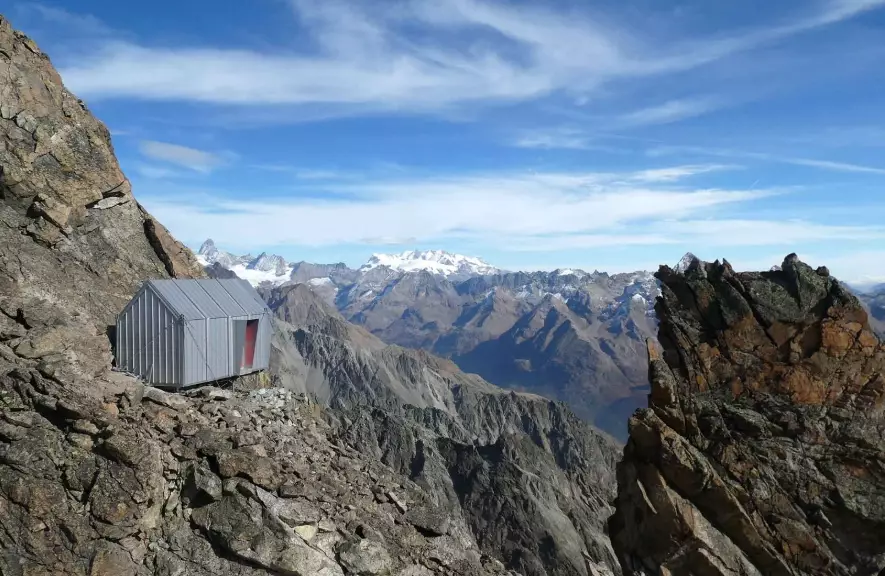
Your Burning Hut Questions Answered
I'm a solo hiker. Will I feel out of place in a mountain hut?
Can I get a private room in an Alpine hut?
 Why is half-board (dinner & breakfast) mandatory at most huts?
How do I handle altitude sickness on a hut trip?
Is it worth joining an Alpine club like the SAC or OeAV for a one-time trip?
Related Articles



Comments
Join the discussion