Let's be honest. Not everyone in your group wants to spend all day on skis or a snowboard. Maybe your knees need a break. Perhaps you just crave the profound silence of a snow-covered forest, where the only sound is the soft crunch underfoot. That's where snowshoeing at ski resorts comes in. It's the secret backdoor to enjoying a world-class winter destination, often at a fraction of the cost of a lift ticket, and it's accessible to almost anyone.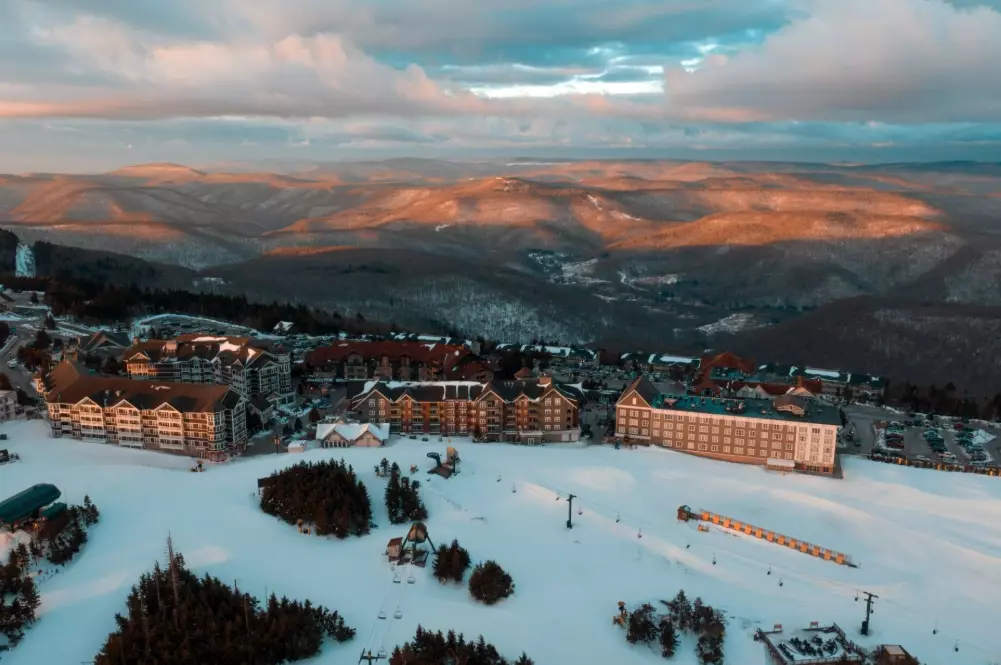
I've been guiding winter adventures for over a decade, and the shift I've seen is real. Resorts aren't just about downhill thrills anymore. They're actively cultivating a four-season mountain experience. Snowshoeing is a huge part of that. It lets you access terrain you'd never see from a chairlift, and it does so in a way that's gentle on the body and the environment.
Ready to trade the ski lift queue for a quiet trail?
Your Quick Trail Map
Why Choose a Ski Resort for Snowshoeing?
You could snowshoe anywhere there's snow, right? True. But a ski resort offers a curated, safe, and incredibly convenient experience. First, the trails are professionally maintained and marked. You're not bushwhacking through unknown territory. Second, you have immediate access to amenities: rental shops with high-quality gear, warming huts, restaurants, and patrolled areas for safety. Third, the scenery is often spectacular, utilizing the same beautiful terrain the ski runs are carved from.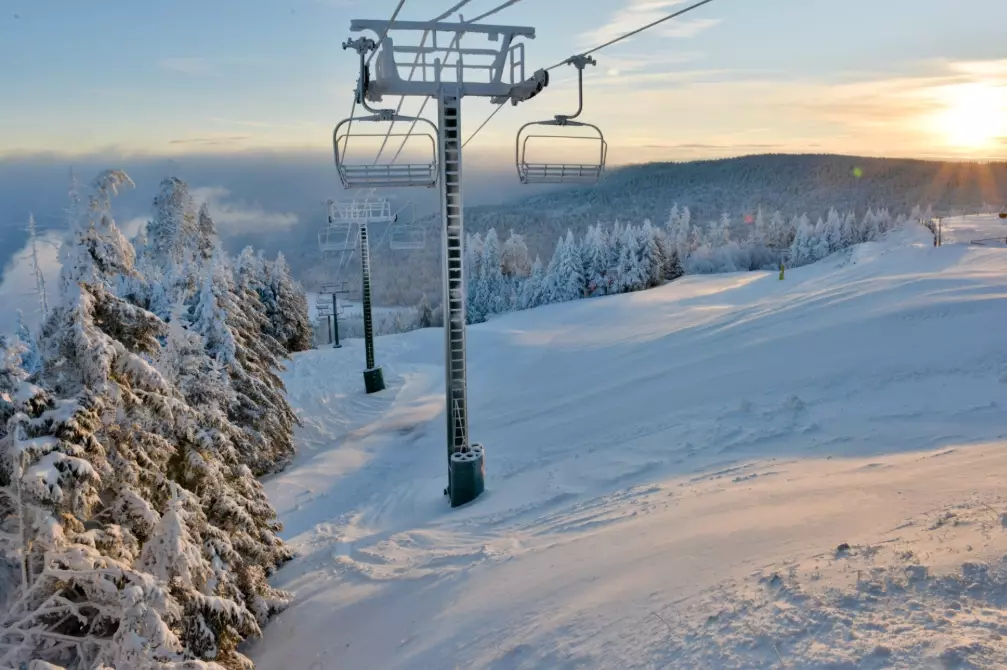
My take: The biggest overlooked advantage is snow reliability. Resorts have snowmaking and are located in prime snow belts. If there's snow for skiing, there's perfect snow for snowshoeing. While your local park might have patchy coverage, the resort guarantees a winter wonderland.
Top 3 Ski Resorts for Snowshoeing in North America
Based on trail network quality, scenery, and overall experience, here are my top picks. I'm focusing on specifics you can use to plan.
| Resort & Location | Signature Snowshoe Trail / Area | Trail Pass Cost & Rental Info | Why It's Special |
|---|---|---|---|
| Vail Mountain, Colorado Address: Vail, CO 81657 |
Northerly Woods & Golden Peak. Access from the Vail Village. Multiple loops from 1 to 3 miles, groomed daily. | Trail Access: FREE if you have any same-day lift ticket or season pass. Otherwise, a daily "winter trail pass" is around $15. Rentals: Available at multiple locations in Vail Village (e.g., Vail Sports). Expect ~$30/day. |
You're snowshoeing in the heart of one of the world's largest ski resorts. The views of the back bowls are insane. The free access with a ski pass is a huge, under-advertised perk for mixed-ability groups. |
| Aspen Snowmass, Colorado Address: Snowmass Village, CO 81615 |
Snowmass Village Trail System. Over 50 miles of designated, marked trails. The Rim Trail offers panoramic views. | Trail Access: Mostly FREE. The extensive Nordic trail system is open to snowshoers. Rentals: The Snowmass Tour Center is your one-stop shop. ~$35/day for performance snowshoes. |
This is a snowshoe paradise. The trail network is vast and well-integrated with the village. You can literally snowshoe from your hotel to a remote vista. The community actively supports non-downhill activities. |
| Jackson Hole Mountain Resort, Wyoming Address: Teton Village, WY 83025 |
Cache Creek & Game Creek areas. Access from the Teton Village. More rugged, backcountry-feel trails right from the base. | Trail Access: Requires a Jackson Hole Trail Pass (~$20/day). Groomed trails are separate. Rentals: Jackson Hole Sports at the base. ~$25/day. They have mountaineering-style shoes for the terrain. |
For the adventurous soul. The terrain feels wilder, with chances to see more wildlife (moose are common). It's less "curated" than Colorado resorts, offering a taste of real Teton backcountry with the safety net of the resort nearby. |
A note on Whistler and Banff: They're phenomenal, but the snowshoeing often requires a separate drive to trailheads like Lost Lake or Lake Louise, rather than being directly out your ski lodge door like the resorts above.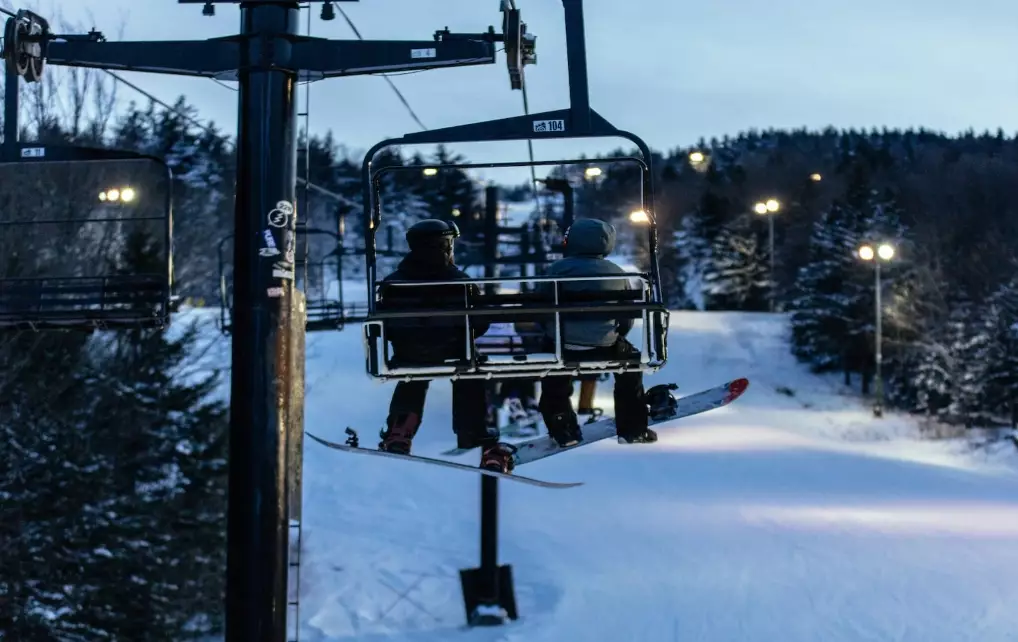
How to Plan Your Snowshoe Trip: A Step-by-Step Guide
Don't just show up. A little planning turns a good day into a great one.
1. Check the Resort's Nordic/Snowshoe Page
This is the single most important step. Don't look at the downhill trail map. Find the resort's "Nordic Center," "Snowshoe Trails," or "Winter Trails" page. For example, Aspen Snowmass's website has a superb interactive winter trails map. This will show you trailheads, difficulty ratings, and if they're groomed for snowshoeing (a game-changer for ease of travel).
2. Understand the Pass System
It's not intuitive. As the table shows, policies vary wildly. Some are free, some require a separate trail pass, and some are included with a ski pass. Always call the Nordic Center directly to confirm current fees and conditions. A 2-minute call can save you $40 and a headache.
3. Book Rentals in Advance (Especially for Weekends)
Resort rental shops get picked clean. Reserve your snowshoes online when you book your trip. Specify if you need men's, women's, or children's sizes. Ask if they include poles (they usually should).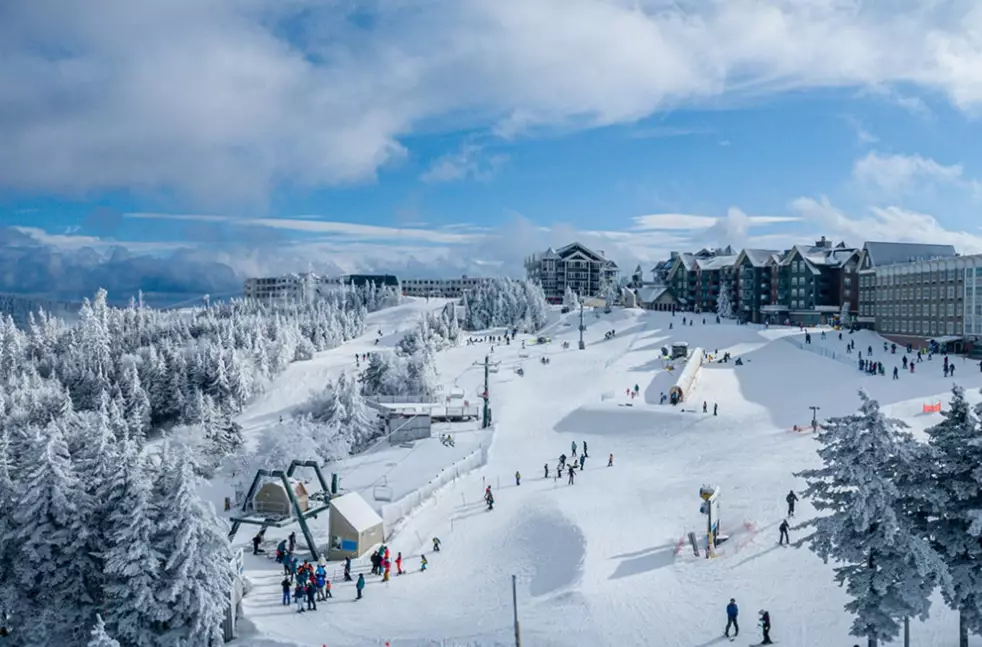
Gear & The Most Common Mistakes I See
You don't need much, but getting it wrong is miserable.
The Non-Negotiable Kit: Insulated waterproof boots (hiking boots often fail here), moisture-wicking base layers (no cotton!), insulating mid-layer, waterproof outer shell, gloves, hat, sunglasses, and sunscreen. The sun at altitude is brutal.
The #1 Mistake: Overdressing. Snowshoeing is a workout. You will sweat. Start cold. If you're perfectly warm standing in the parking lot, you'll be soaked in sweat 10 minutes up the trail. That sweat will freeze. The rule is: you should feel slightly chilly when you start moving.
Gear Mistake #2: Using flimsy, recreational snowshoes on resort terrain. Resort trails can be steep. The cheap, flat shoes from big-box stores have terrible traction. Rent from the resort shop. Their shoes will have aggressive heel crampons and toe claws that actually hold on an incline. It's a safety issue.
Navigation Mistake: Assuming your phone will work. Download the resort's trail map (often a PDF) to your phone. Better yet, take a photo of the physical map at the trailhead. Tell someone your planned route and return time.
A Perfect Winter Weekend Itinerary: Aspen Snowmass
Let's make this concrete. Here's how a Friday-to-Sunday trip could look.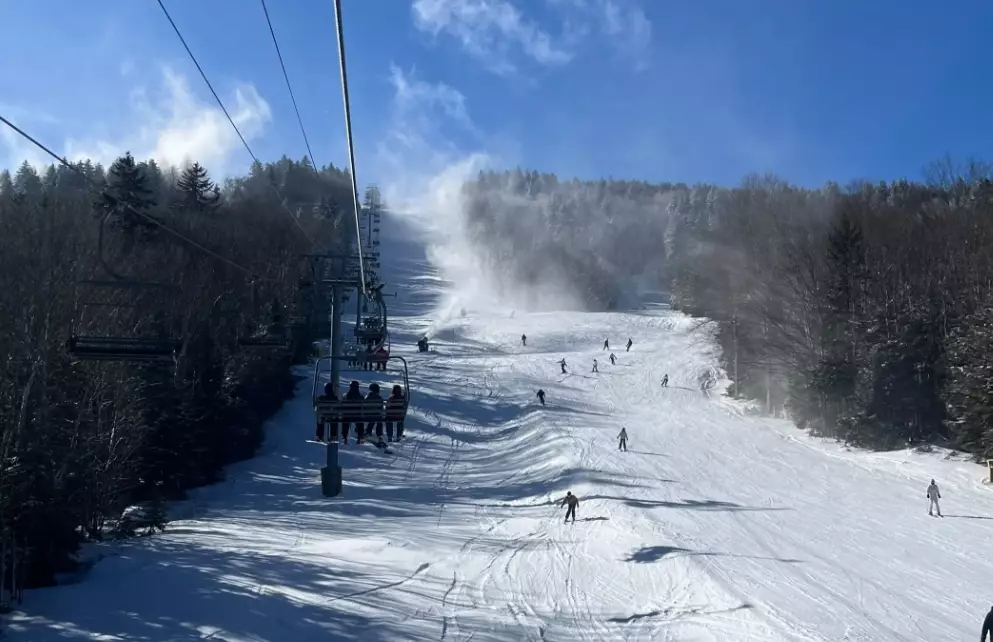
Friday: Arrive, check into your lodging in Snowmass Village. Pick up reserved snowshoes from the Tour Center before it closes at 6 PM. Easy evening stroll on the Snowmass Village Mall trails to test your gear and catch the sunset.
Saturday (Big Day): Morning snowshoe on the Rim Trail (2-3 hours, moderate). Pack a lunch or buy a sandwich in the village. Afternoon: Relax. Hot tub, maybe a spa visit. Your skier friends are exhausted; you're pleasantly tired. Dinner in the village.
Sunday: Shorter, easier loop like the Paintbrush Trail (1 hour). Return gear, grab a coffee, and hit the road. You've had a full, active, and peaceful mountain experience without ever clicking into a ski binding.
Your Snowshoe Questions, Answered
Do I need a guide for snowshoeing at a ski resort?
For 90% of resort-marked trails, no. The trails are signed and maintained for self-guided use. However, book a guided tour if you're a complete beginner wanting instruction, interested in naturalist knowledge (geology, animal tracks), or venturing onto more advanced, ungroomed terrain the resort offers. Guides provide context you'd miss alone.
My feet always get cold winter hiking. How do I prevent this snowshoeing?
This is a boot and sock issue, not a snowshoe issue. First, ensure your boots are truly winter-rated and not just waterproof hiking boots. There's a big difference in insulation. Second, wear a single pair of merino wool or synthetic ski socks. Avoid cotton socks or doubling up, which restricts blood flow—the primary cause of cold feet. Loosen your boot buckles/laces slightly if they feel tight.
Can I use the same trails as cross-country skiers?
This is a major point of trail etiquette. Generally, no. Skiers need a smooth, set track for their skis. Snowshoes post-hole and ruin it. Resorts designate separate "snowshoe only" trails or specific sides of a wider trail. Always respect the signage. If you must cross a ski track, do so at a 90-degree angle without stepping in the parallel grooves. The U.S. Forest Service, which manages much of the land around resorts, has clear guidelines on shared-use etiquette.
Is snowshoeing a good workout compared to skiing?
It's a different kind of workout. Downhill skiing is high-intensity intervals. Snowshoeing is steady-state cardio with significant resistance (lifting your foot plus the snowshoe). You'll use different muscle groups, particularly your glutes and hip flexors. An hour of vigorous snowshoeing can burn 400-600 calories. It's fantastic low-impact cardio that's easier on the knees than running.
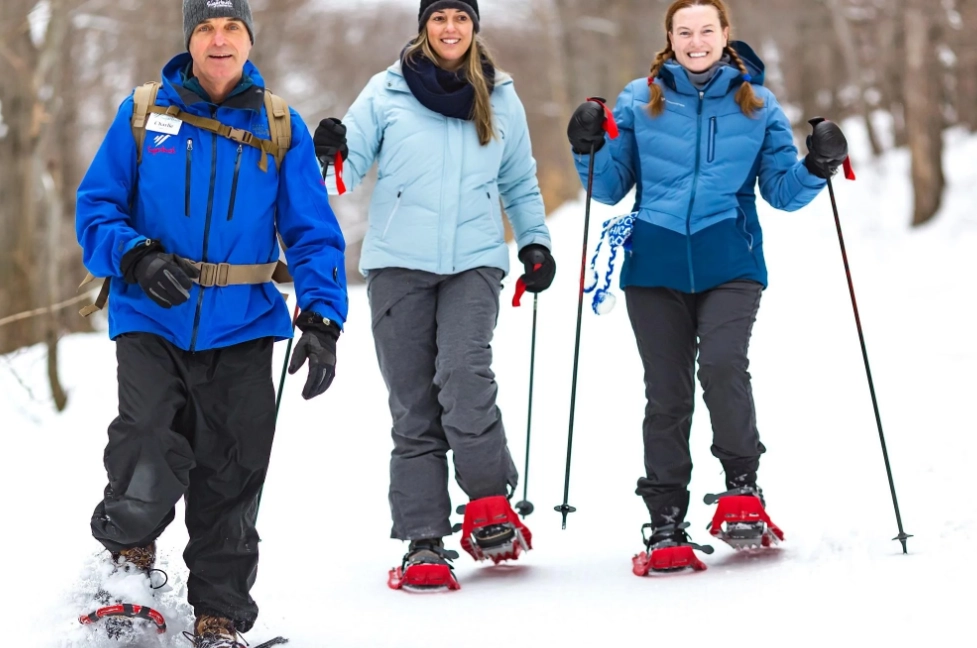 The mountain is bigger than the ski runs. Snowshoeing at a ski resort unlocks that quieter, deeper layer. It's an adventure that demands less technically but rewards just as richly—with solitude, stunning scenery, and the simple, profound joy of moving through a silent, snow-clad forest. Pack your layers, rent the right gear, and go find that quiet trail. You might just discover your new favorite winter ritual.
Related Articles
Comments
Join the discussion