Let's cut to the chase. You're here because you've heard the legends. The stories about waist-deep, feather-light powder snow that falls relentlessly all winter long. That's Hokkaido skiing in a nutshell. It's not just a sport; it's an experience that borders on the spiritual for powder hounds. But between the dream and the reality lies a lot of planning. Where exactly do you go? How much will it cost? And what are the things nobody tells you until you're there, struggling with your gear in a freezing parking lot?
I've been making the pilgrimage to Hokkaido's slopes for over a decade. I've seen it transform from a niche destination for hardcore skiers to a global phenomenon. I've also made every mistake in the book—from booking the wrong airport transfer to underestimating just how cold -20°C feels. This guide is everything I wish I'd known before my first trip.
Your Quick Powder Fix
Why Hokkaido Powder is Different (It's Science, Not Magic)
The term "Japow" gets thrown around a lot. But what creates this snow that skiers obsess over? It's a perfect geographic storm. Cold, dry air sweeps down from Siberia, crosses the relatively warm Sea of Japan, and picks up massive amounts of moisture. When that laden air hits Hokkaido's mountains, it dumps that moisture as the lightest, driest snow crystals imaginable. The Japan Meteorological Agency has extensive data on snowfall patterns, and Hokkaido consistently tops global charts for snow depth and quality.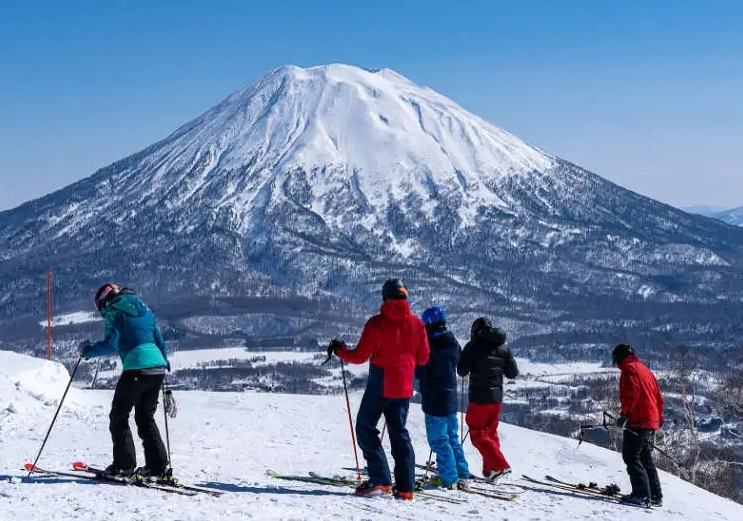
The result? Snow with a moisture content often below 8%. For comparison, typical Rocky Mountain snow is around 12-15%. That difference is everything. It means you float effortlessly, make turns with almost no effort, and fall into a cloud-like cushion if you wipe out. The season is long, too, reliably running from late November through early May at higher elevations.
Picking Your Hokkaido Ski Resort: Beyond the Big Names
Everyone knows Niseko. But Hokkaido is vast, and each resort has a distinct personality. Your choice depends on what you want: vibrant nightlife, family-friendly slopes, untouched backcountry, or pure quiet.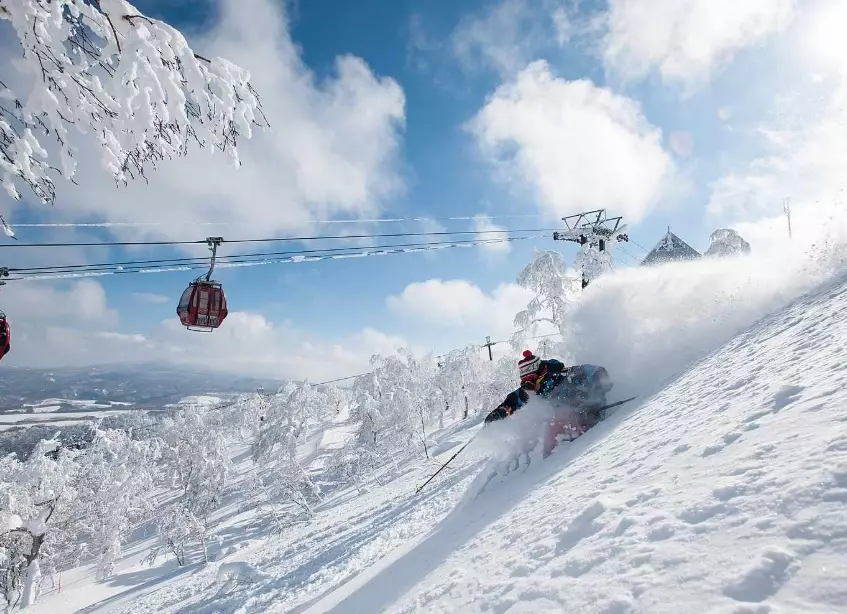
| Resort Area | Best For | Key Stats & Vibe | Lift Ticket (1-Day Adult) | Getting There |
|---|---|---|---|---|
| Niseko United (Grand Hirafu, Hanazono, Niseko Village, Annupuri) | First-timers to Japan, nightlife, international crowds, guaranteed powder access. | Four interconnected resorts. Extremely international (signs in English everywhere). Can feel crowded and pricey. Famous for its tree skiing gates (require a free safety briefing). | ¥8,500 - ¥9,500 (approx. $55-$62 USD) | 2-2.5 hour bus from New Chitose Airport (CTS). Direct buses are plentiful. |
| Furano | Families, intermediates, a more authentic Japanese experience, consistent fall-line cruisers. | Two distinct zones connected by bus. Less crowded, more local feel. The town of Furano is charming. Snow is drier but sometimes less abundant than Niseko's west coast. | ¥5,500 (approx. $36 USD) | 2-hour train or 2.5-hour bus from Asahikawa Airport (AKJ). Less direct from CTS. |
| Rusutsu | Tree skiing, uncrowded slopes, a quirky, self-contained resort vibe. | Massive, well-spaced trees and gentle terrain. The resort hotel is... an experience (indoor carousel, wave pool). Very quiet at night. Some of the best in-bounds tree skiing in the world. | ¥6,500 (approx. $42 USD) | 90-minute bus from CTS. Often combined with a Niseko trip. |
| Kiroro | Deepest snow, modern facilities, convenience from Sapporo. | Gets even more snow than Niseko. Two modern hotel bases. Limited off-mountain options, but great for a pure ski-in/ski-out trip. Growing in popularity. | ¥6,000 (approx. $39 USD) | 90-minute bus from Sapporo or CTS. |
My personal take? Niseko is fantastic, but it's the Tokyo of Hokkaido skiing—bustling, convenient, and sometimes overwhelming. For a second or third trip, exploring Furano or Rusutsu feels like discovering the real secret.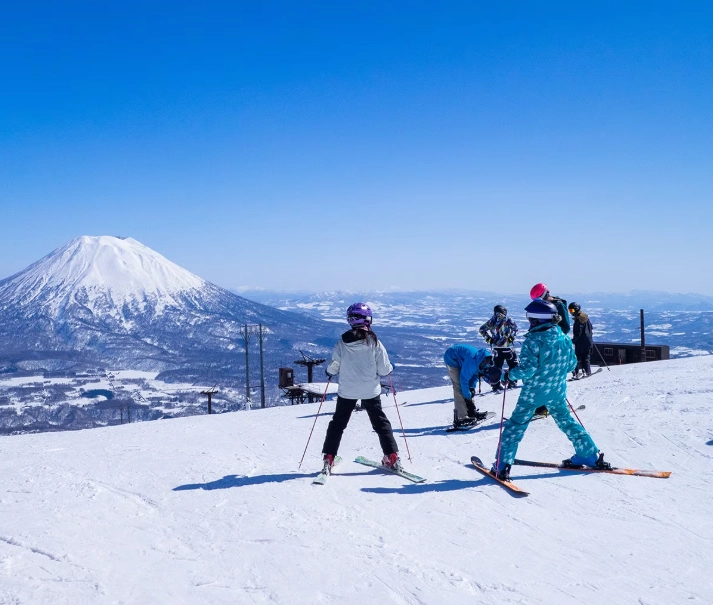
Planning Your Hokkaido Ski Trip: Dates, Budget, Gear
When to Go
January to February is peak for cold, deep powder and the famous storms. It's also the busiest and most expensive. March is a sweet spot: still fantastic snow, longer days, slightly warmer temperatures, and fewer crowds. Early December and April are gamble months—you might score empty slopes and great snow, or you might hit thin cover.
The Realistic Budget (Per Person, 7 Days)
Let's be honest, Hokkaido isn't a budget destination, but value for money is high.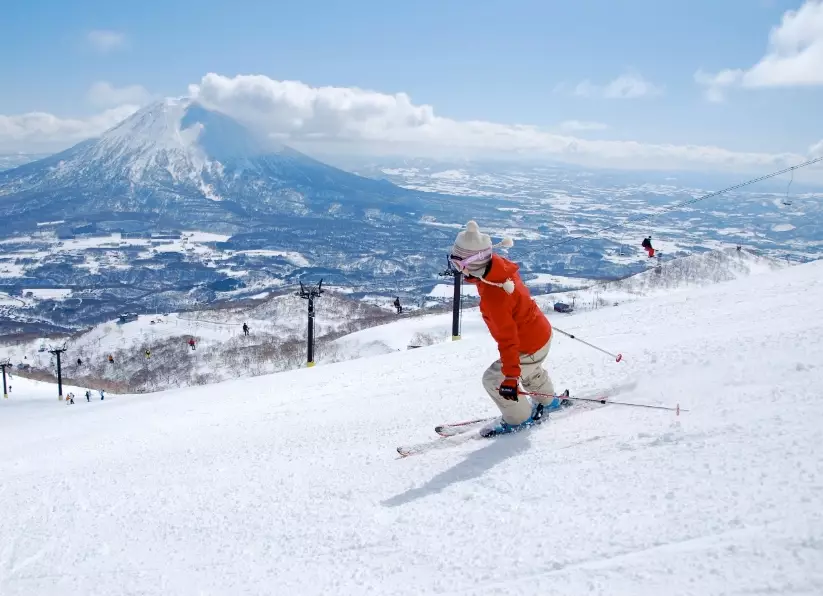
- Mid-Range Trip: Expect $2,500 - $4,000 USD. This covers flights from North America/Europe, mid-level accommodation (like a pension in Hirafu or a hotel in Furano), lift tickets, rentals, bus transfers, and eating out for most meals (mix of convenience store breakfasts, slope-side lunches, and nice dinners).
- Money-Saving Move: Book lodging that includes breakfast and dinner. Many traditional Japanese pensions (minshuku) do this. It simplifies your day and is often better value than seeking out every meal.
- Splurge: A guide for a day of backcountry or sidecountry skiing. It's the safest way to access Hokkaido's legendary off-piste terrain and worth every yen.
Gear: Rent or Bring?
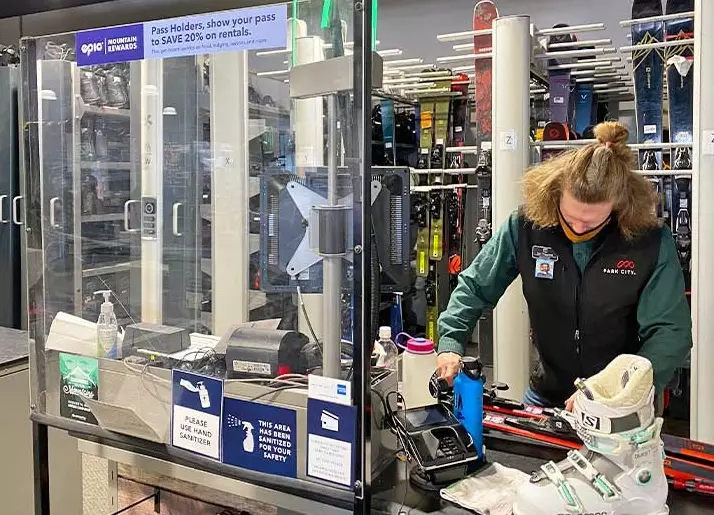
Japanese rental shops are excellent. The gear is modern, well-maintained, and the process is efficient. For most people, renting is the way to go—it saves you the airline baggage fee and hassle. However, as mentioned, if you have specific powder skis or boots you love, bring them. For clothing, do not underestimate the cold. A high-quality waterproof shell, insulated pants, merino wool base layers, and good gloves are non-negotiable. The damp cold in Hokkaido can cut through cheap gear.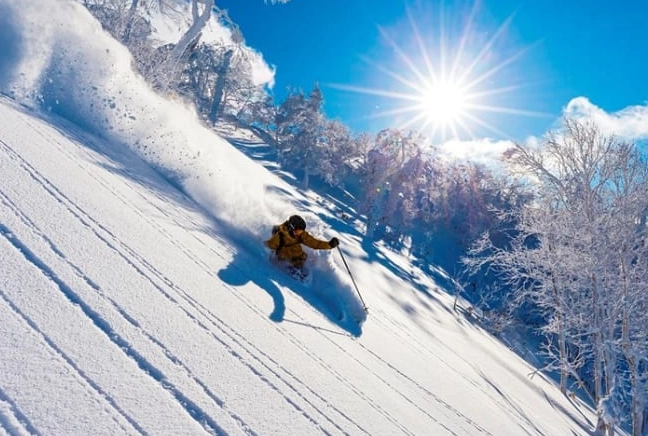
Ski Culture & Local Tips You Won't Find in a Brochure
This is where that "10-year experience" pays off. Hokkaido operates on a mix of Western resort influence and deep-seated Japanese etiquette.
The Onsen is Non-Negotiable. After a day in the snow, there is no better feeling than soaking in a natural hot spring. Every resort area has them. Don't be shy. Wash thoroughly at the shower stations before getting in the bath. It's a ritual that will redefine your idea of relaxation.
Line Culture is Real. The orderly lift queues aren't a suggestion. Don't try to merge or cut. It's considered incredibly rude. Just follow the person in front of you.
Cash is Still King (in many places). While major hotels and restaurants in Niseko take cards, smaller family-run eateries, onsen entry fees, and bus tickets often require cash. Get yen from an airport ATM when you arrive.
Food is Part of the Adventure. Yes, eat the ramen at the slope-side shack. But also venture out at night. In Furano, try Furano Wine and Furano Omu Rice. In Niseko, book a table at an izakaya (Japanese pub) for small plates and local beer. The conbini (convenience store) is your best friend for breakfast onigiri, hot coffee, and surprisingly good fried chicken.
One subtle error I see every year? People treating the ski day like it's the Alps or North America. The pace is different here. It's about the quality of the runs, not the quantity. Take a long lunch. Soak in an onsen at midday. The snow will still be there.
A 7-Day Hokkaido Ski Itinerary (The Balanced Approach)
This splits time between the iconic and the local.
Days 1-4: Niseko (Base in Hirafu)
Day 1: Arrive at CTS, take direct bus to Hirafu. Check-in, rent gear, explore the village.
Day 2: Ski Grand Hirafu. Get your legs back. In the afternoon, take the free safety briefing for the Gates if you're qualified.
Day 3: Explore Hanazono and Niseko Village via the interconnected lifts. Book a guided backcountry tour for the afternoon if conditions are good.
Day 4: Day trip to Rusutsu. The bus leaves early morning. Spend the day exploring its incredible tree runs. Return to Niseko for dinner.
Days 5-7: Furano
Day 5: Morning bus from Niseko to Furano (about 3 hours). Check into a traditional minshuku. Ski the Furano Zone in the afternoon.
Day 6: Ski the Kitanomine Zone. The terrain here is steeper and often less crowded. Explore the town of Furano in the evening.
Day 7: Final morning ski, then take the train or bus to Asahikawa Airport (AKJ) for your departure flight, or back to CTS.
This mix gives you the buzz of Niseko and the calm, authentic charm of Furano.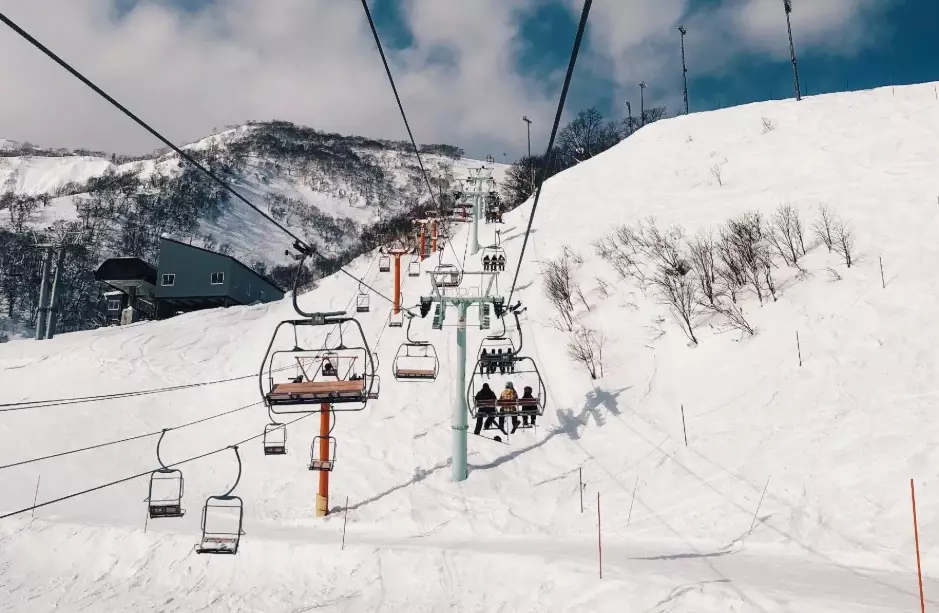
Your Hokkaido Skiing Questions Answered
Hokkaido delivers on its promise. The snow is as good as they say. The food is better. The culture is fascinating. It's a trip that stays with you long after your gear has dried out. With a bit of smart planning—focusing on the right resort for your style, budgeting realistically, and embracing the local rhythm—you're set for what might just be the best ski vacation of your life.
Now go check flight prices. January is closer than you think.
Related Articles

Comments
Join the discussion