In This Guide
- The Non-Negotiables: Core Ski Equipment You Absolutely Need
- What to Wear: The Layer-By-Layer Clothing System
- The Essential Accessories (Don't Skimp Here)
- The Nice-to-Haves & Optional Gear
- Rent, Demo, or Buy? A Practical Breakdown
- Shopping Smart: A Budget-Conscious Approach
- Packing for the Mountain: Your Day-of Checklist
- Frequently Asked Questions (The Stuff You're Secretly Wondering)
Let's be real. Figuring out what equipment you need for skiing can feel overwhelming. You see seasoned skiers with all the gear, looking like astronauts ready to descend a snowy mountain, and you're left wondering where to even start. Do you need all that stuff? What's absolutely essential, and what's just nice to have? I remember my first time walking into a ski shop – it was sensory overload.
This guide is here to cut through the noise. We're going to break down every single piece of gear, talk about why it matters (or sometimes, why it doesn't as much as salespeople say), and give you a clear path forward. Whether you're a complete newbie asking "what equipment do I need for skiing?" for the very first time, or an intermediate looking to invest in your own setup, this is your roadmap.
The goal isn't to sell you the most expensive things. It's to get you on the snow safely, comfortably, and with enough knowledge to make smart choices. We'll cover renting versus buying, budget hacks, and common mistakes to avoid. Trust me, I've made a few of those myself – like the time I thought cheap gloves were fine. They were not fine.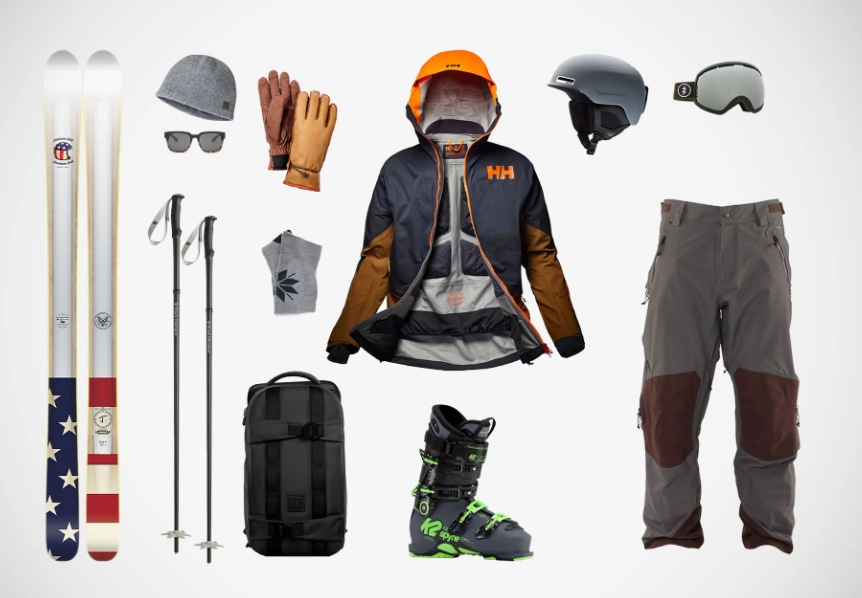
The Non-Negotiables: Core Ski Equipment You Absolutely Need
These are the items you cannot ski without. If you forget one of these, you're not skiing. It's that simple. Most beginners will rent this core kit, and that's a perfectly smart way to go. But understanding what each piece does is key.
Skis, Boots, and Bindings (The Holy Trinity)
This trio works together as one system. The boots control the skis through the bindings. You can't mix and match randomly.
Ski Boots: This is where you should start, not the skis. If your feet are miserable, you're miserable. Boots need to be snug – think firm handshake, not vice grip – with your heel locked down and no room for your foot to slide forward. A common mistake is getting boots too big. Don't do it. A good boot fit is the single biggest upgrade to your skiing experience, bar none. Organizations like the Professional Ski Instructors of America (PSIA) always emphasize proper boot fitting as foundational.
Skis: The length, width, and shape vary wildly. For beginners, shorter, softer, shaped skis (called "carving skis") are your friend. They're more forgiving and easier to turn. As you progress, you might look at all-mountain skis. Demoing different skis before you buy is a genius move.
Bindings: These are your safety release system. They attach your boot to the ski and are designed to pop open during a fall to reduce injury risk. They must be adjusted by a professional based on your weight, boot size, and skier level (a DIN setting). Never try to set these yourself. The American Society for Testing and Materials (ASTM) sets the safety standards these bindings must meet.
So, when asking "what equipment do I need for skiing?", this trio is your answer number one.
Poles
Often overlooked, but crucial for rhythm, balance, and pushing yourself around on flat areas. For beginners, they're mostly for timing turns and getting on lifts. To size them, turn them upside down and grip them under the basket. Your forearm should be parallel to the floor. Simple.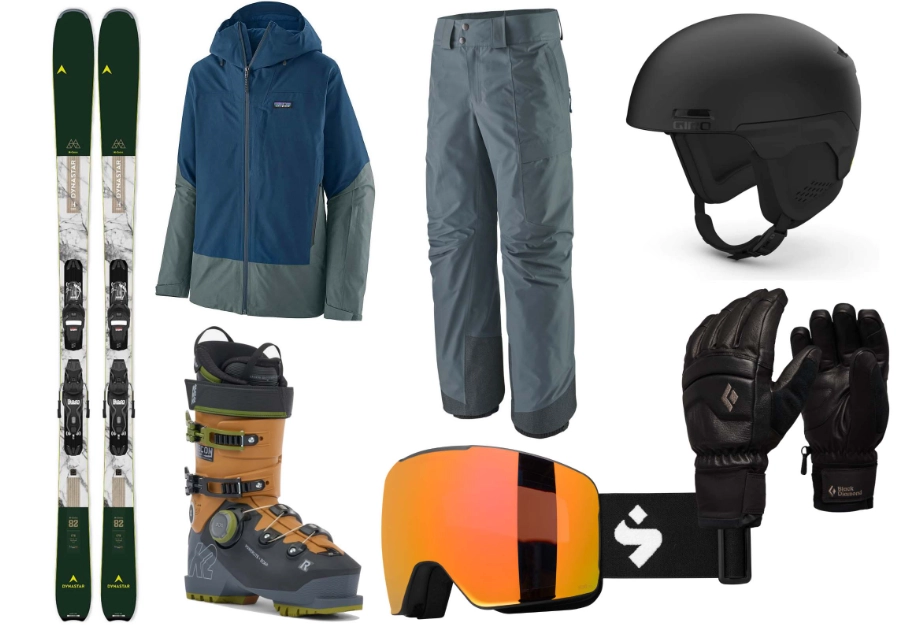
What to Wear: The Layer-By-Layer Clothing System
Cotton is the enemy. It absorbs moisture (sweat) and stays wet, making you cold. The name of the game is layering with synthetic or wool materials that wick moisture away.
- Base Layer: This sits against your skin. Think thermal underwear – tops and bottoms made of merino wool or synthetic fabrics like polyester. They manage moisture.
- Mid Layer: This is for insulation. A fleece jacket or a lightweight puffy works great. You can add or remove this layer based on the temperature.
- Outer Layer (Ski Jacket & Pants): This is your shield. It must be waterproof (look for a rating like 10k/10k or higher) and breathable. Ski-specific gear has features like powder skirts, goggle pockets, and wrist gaiters. Pants should have bibs or high backs to keep snow out when you fall.
My personal take? You don't need a $800 jacket as a beginner. A decent, waterproof shell from a reputable outdoor brand will do the job. Spend the money you save on good base layers.
The Essential Accessories (Don't Skimp Here)
These items protect your most vulnerable parts and dramatically increase comfort.
Goggles: Sunglasses won't cut it. Goggles protect from wind, snow, and UV glare off the snow. They need to fit with your helmet (try them together). Lens color matters: low-light or storm days need yellow/rose lenses, bright sunny days need dark mirror lenses. Some goggles come with interchangeable lenses, which is awesome.
Gloves or Mittens: Waterproof is mandatory. Mittens are generally warmer than gloves because your fingers share heat. I'm a convert to mittens on really cold days. Look for ones with a long cuff that goes over your jacket sleeve.
Neck Gaiter or Balaclava: A simple tube of fabric that protects your neck and face from wind and frostbite. Way more convenient than a scarf.
The Nice-to-Haves & Optional Gear
This stuff isn't essential for your first day, but you'll probably want it pretty quickly.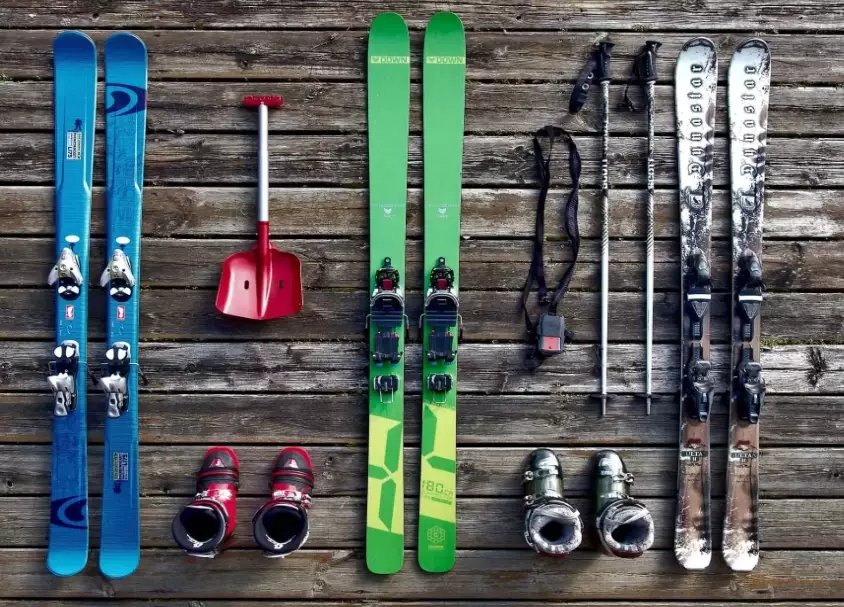
- Ski Socks: Not regular socks! Long, thin-to-medium thickness socks made of wool or synthetic blend. No cotton. They should come up to just below your knee. Thick socks in tight boots are a recipe for pain.
- Helmet Liners or Beanies: A thin synthetic beanie under your helmet for extra warmth on brutal days.
- Hand and Toe Warmers: Little chemical packets that are lifesavers if you run cold.
- Ski Backpack: A small, streamlined pack for carrying water, snacks, an extra layer, and sunscreen. Make sure it has straps so it doesn't swing around.
- Tuning Kit: For owners: a simple kit with a plastic scraper, wax, and an edge file to maintain your skis' bases and edges. A well-waxed ski is a fast, fun ski.
Rent, Demo, or Buy? A Practical Breakdown
This is the big financial decision. Here’s a table to make sense of it.
| Gear Category | Rent (From Resort Shop) | Rent (From Local Shop) | Buy (New) | Buy (Used) |
|---|---|---|---|---|
| Skis/Boots/Poles | Best for: First-timers, casual skiers (1-2x/year). Pros: No upfront cost, no maintenance, try different sizes. Cons: Can be generic, fit may be subpar, cost adds up. |
Best for: Beginners & intermediates planning a week-long trip. Pros: Often better quality/fit than resort, can reserve ahead. Cons: Need to transport gear. |
Best for: Committed skiers (5+ days/year). Pros: Perfect fit, consistent performance, pride of ownership. Cons: High upfront cost, maintenance, storage. |
Best for: Intermediates on a budget, growing kids. Pros: Significant savings. Cons: Unknown history, may need tuning/binding adjustment. |
| Clothing & Accessories | Rarely offered, not recommended. | Sometimes offered (helmet, goggles). | Best for nearly everyone. You need your own. | Great for outer layers, be cautious with helmets (safety). |
| Bottom Line | Start by renting the ski/boot/pole package. Invest in your own clothing, helmet, and goggles first. Once you know you love skiing and go regularly, then consider buying your own ski setup. Many shops offer "season rentals" for kids, which is a fantastic deal. | |||
I made the jump to buying boots after my third season, and it was a game-changer. I rented skis for another year after that until I was sure what type I wanted.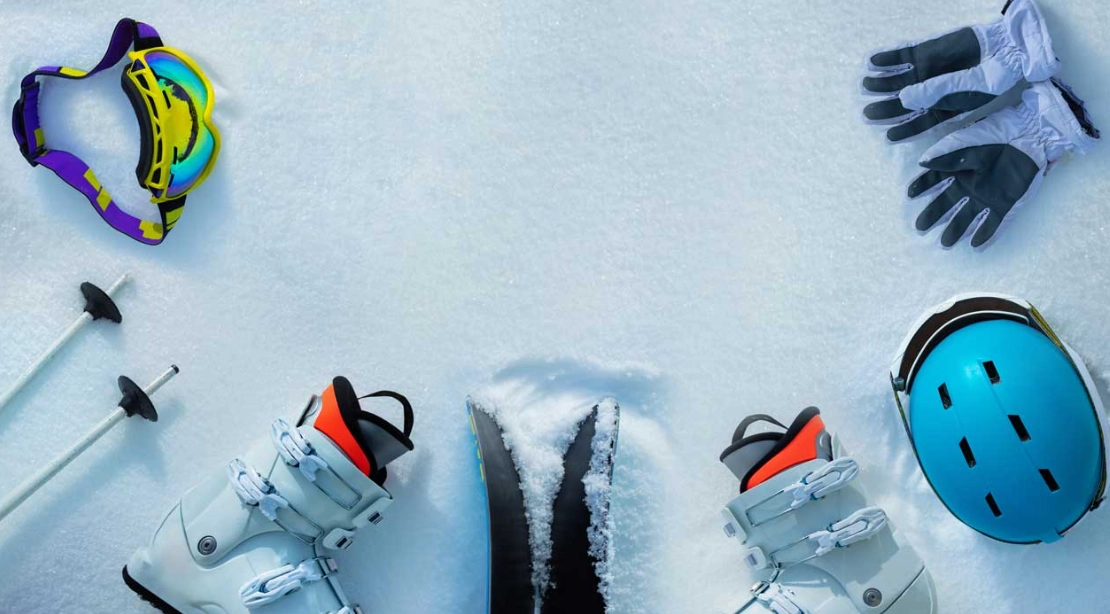
Shopping Smart: A Budget-Conscious Approach
You don't need to break the bank. Here's how to be savvy:
- Buy Last Season's Model: Ski gear updates yearly, often with just color changes. Last year's jacket or skis are functionally identical but 30-50% cheaper.
- Shop Off-Season: April and September are goldmines for sales.
- Prioritize Spend: Boots (fit) and Helmet (safety) are worth investing in. You can find great deals on skis and clothing.
- Check Out Re-Sale Platforms: Sites like Geartrade or local Facebook groups have lightly used, high-quality gear. Inspect skis for core shots and deep scratches.
- Consider Sustainable Brands: More companies are using recycled materials. It’s a good trend. Patagonia's ski page is a good example of this ethos, though they are premium-priced.
The question "what equipment do I need for skiing?" has a different answer for a $500 budget vs. a $2000 budget. Be honest with yours.
Packing for the Mountain: Your Day-of Checklist
Forgetting something can ruin your day. Use this list the night before.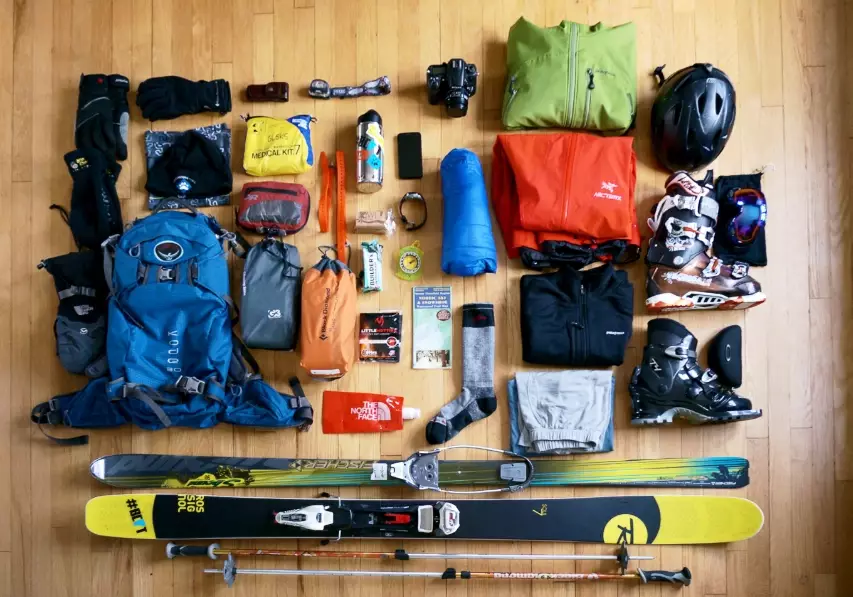
- Skis, Poles, Boots (or rental confirmation!)
- Helmet & Goggles (with appropriate lens)
- Base Layer Top & Bottom
- Mid Layer (fleece/puffy)
- Ski Jacket & Ski Pants
- Ski Socks (extra pair in the car)
- Gloves/Mittens
- Neck Gaiter
- Sunscreen (SPF 30+) & Lip Balm with SPF: The sun is intense at altitude, even on cloudy days.
- Hydration: Water bottle or hydration bladder (hydration is key at high elevation).
- Snacks: Energy bars, trail mix.
- ID, Credit Card, Cash, Lift Ticket/Pass: Keep in a secure, waterproof pocket.
- Phone & Portable Charger: For photos and emergencies.
- Small First-Aid Kit: Band-aids, pain reliever.
- Change of Clothes for Après-Ski: Leave in the car.
Frequently Asked Questions (The Stuff You're Secretly Wondering)
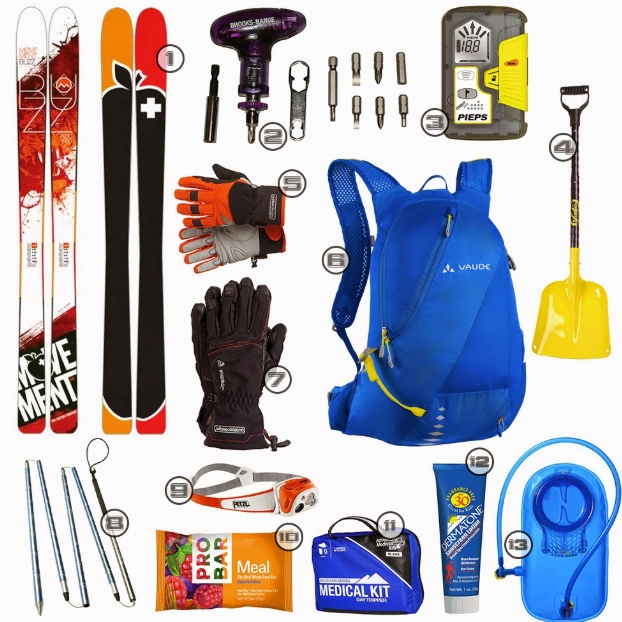
So, next time you or a friend asks, "Hey, what equipment do I need for skiing?" you'll have the full picture. It's not just a list of items; it's a system for comfort, safety, and performance. Start with the core, protect your body, and add on as you go. The mountain is waiting.
Related Articles

Comments
Join the discussion