What You'll Find in This Guide
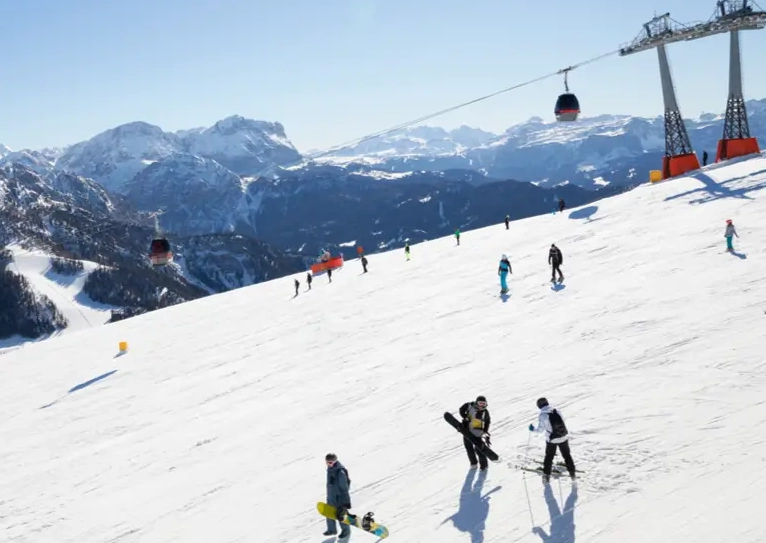
Let's cut to the chase: the largest ski resort in the world is Les 3 Vallées in the French Alps. It's not just big—it's massive, with over 600 kilometers of interconnected ski runs across three main valleys: Courchevel, Meribel, and Val Thorens. I've skied here for a decade, and even I get lost sometimes. But that's part of the charm. If you're dreaming of endless slopes, this guide will walk you through everything, from lift tickets to hidden gems.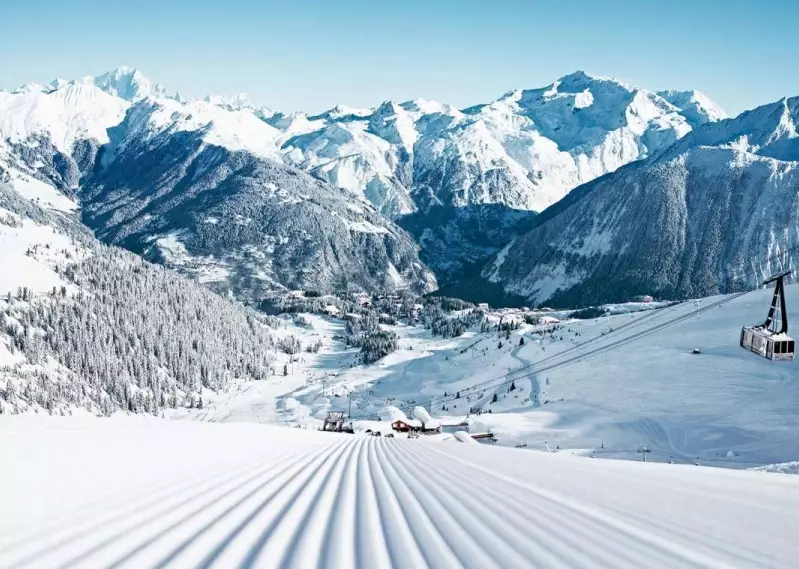
What Makes Les 3 Vallées the Largest Ski Resort?
Size matters in skiing, and Les 3 Vallées takes the crown. According to the French Ski Federation, it boasts the biggest skiable area globally, spanning 1,200 meters to 3,230 meters in altitude. What defines "largest"? It's the total terrain you can ski on one pass—no bus rides needed. Les 3 Vallées connects eight resorts via lifts and pistes, making it a seamless playground.
I remember my first visit. I thought, "How hard can it be?" Then I saw the map. It's like a spiderweb of slopes. The resort's scale isn't just about numbers; it's about variety. You've got everything from gentle greens to heart-pounding off-piste. A common myth is that bigger means better for experts only. Not true. Each valley caters to different skills, but more on that later.
Key Fact: Les 3 Vallées covers roughly 10,000 hectares of skiable terrain. That's larger than some small countries. For comparison, Whistler Blackcomb has about 200 kilometers of runs—Les 3 Vallées triples that.
Planning Your Trip: Essential Details
Planning a trip here can feel overwhelming. I've made mistakes so you don't have to. Here's the nitty-gritty.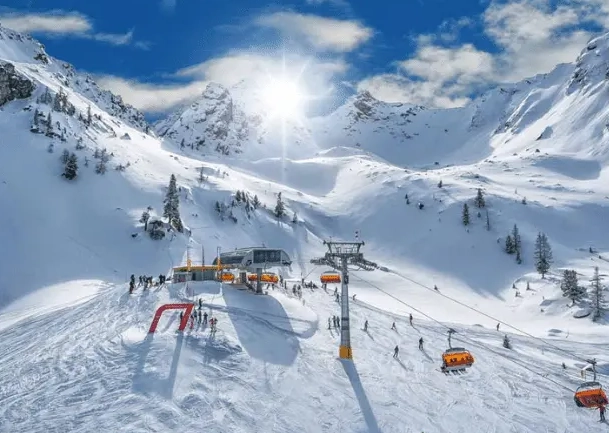
Getting There
The nearest airports are Geneva (GVA) and Lyon (LYS), both about 2-3 hours by shuttle or rental car. I prefer Geneva—more flight options. From there, buses run regularly to the valleys. If you drive, note that parking in resorts like Courchevel costs a fortune, up to €30 per day. Book transfers in advance; last-minute options are pricey.
Ski Passes and Prices
Ski passes are your golden ticket. A 6-day pass for adults peaks at around €380 in high season (February). But here's a pro tip: buy online early. The official Les 3 Vallées website offers discounts up to 20% if you book a month ahead. Kids under 5 ski free, and seniors get reductions. The pass covers all lifts, including the link to the fourth valley, Orelle.
I once forgot to check blackout dates and paid full price during Easter. Don't be like me. Also, consider the insurance add-on—it's worth it for weather cancellations.
Best Time to Visit
Timing is everything. Peak season is Christmas and February holidays—crowded and expensive. I avoid those like the plague. January offers quieter slopes but colder temps. March is my sweet spot: decent snow, longer days, and fewer tourists. The resort usually opens late November and closes late April, but Val Thorens often runs into May thanks to its high altitude.
Check snow reports on sites like Meteo France for accuracy. Don't rely on general forecasts; microclimates vary between valleys.
Ski Terrain Breakdown: From Beginners to Experts
This is where Les 3 Vallées shines. Let's break it down by valley, because skiing all 600km blind is a recipe for fatigue.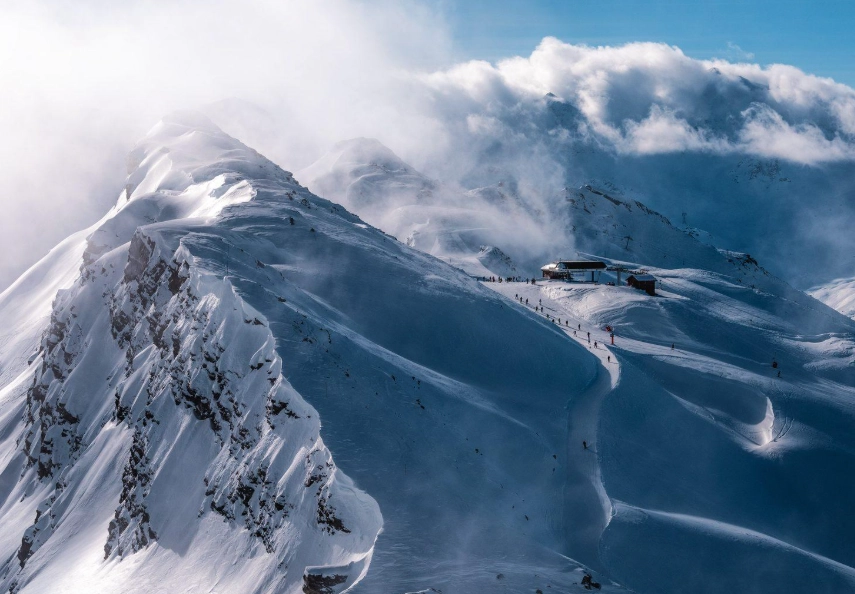
| Valley | Best For | Key Runs | Difficulty Mix |
|---|---|---|---|
| Courchevel | Beginners & Families | Biolley (green), Grand Couloir (black) | 50% easy, 30% intermediate, 20% expert |
| Meribel | Intermediates & Scenery | Combe du Vallon (red), Tougnète (blue) | 40% easy, 40% intermediate, 20% expert |
| Val Thorens | Experts & Snow Reliability | Cime Caron (black), Col de l'Audzin (off-piste) | 30% easy, 40% intermediate, 30% expert |
Courchevel gets a bad rap for being posh, but its beginner areas are superb. The Family Park near Courchevel 1850 has magic carpets and gentle slopes. Meribel is my favorite—tree-lined runs offer protection on windy days. Val Thorens? It's high, so snow is guaranteed, but the winds can be brutal. I've seen lifts close there due to gusts, so have a backup plan.
For experts, the off-piste in Val Thorens is legendary. Hire a guide; avalanche risk is real. I learned that the hard way after venturing out alone—not smart.
Beyond Skiing: Apres-Ski and Accommodations
Skiing is just half the story. Where you stay and unwind matters.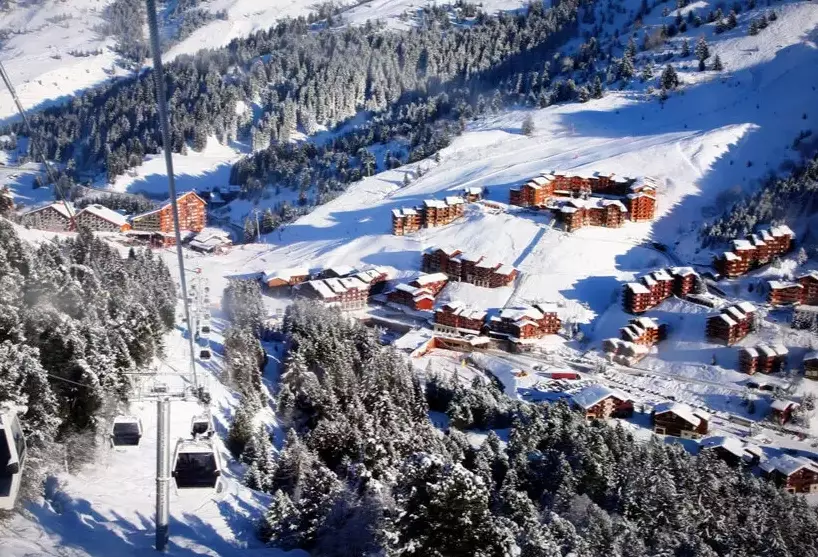
Accommodation Options
Accommodation ranges from budget to blow-the-budget. Courchevel has luxury chalets—think €1,000 per night. Meribel offers more mid-range apartments, around €150-€300 per night. I usually stay in Les Menuires: it's cheaper (€100 per night) but lacks charm. Brides-les-Bains is even more affordable, but you'll need a gondola ride up each day.
Book early, especially for February. I've ended up in a cramped studio because I procrastinated.
Apres-Ski and Dining
Apres-ski here is vibrant. La Folie Douce in Val Thorens is famous for its parties, but it gets rowdy. For something quieter, try Le Rond Point in Meribel. Dining on the mountain? Self-service spots like Le Bel Air save money—around €15 for a meal. Sit-down restaurants can hit €50. I love La Bouitte in Saint-Martin-de-Belleville, but it's Michelin-starred and pricey.
Don't miss the local Savoyard cuisine: fondue and tartiflette. But pace yourself—cheese overload is a real thing.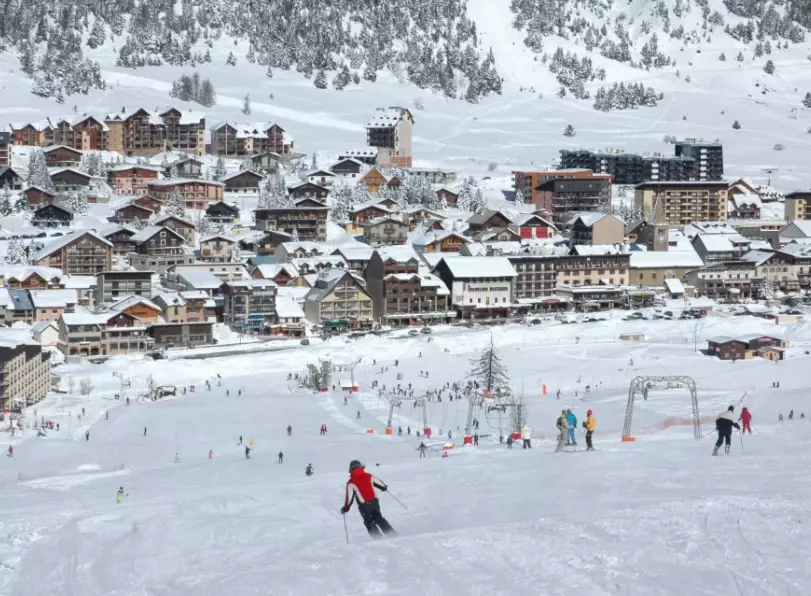
How to Save Money and Avoid Crowds
Let's be real: Les 3 Vallées isn't cheap. But with tricks, you can trim costs.
First, avoid peak weeks. Christmas and February holidays see lift lines up to 30 minutes. Go in January or March instead. Second, buy lift passes online in advance—saves up to €50. Third, stay in valleys like Les Menuires or Saint-Martin-de-Belleville; they're less glamorous but more affordable.
For crowds, ski early. Lifts open at 9 AM; be there by 8:45. Afternoons in Courchevel get busy, so head to higher altitudes. Use the Les 3 Vallées app to monitor lift wait times—it's a game-changer.
I once saved €200 by booking a package with a ski rental included. Check sites like Ski Solutions for deals. And bring your own snacks; mountain cafes charge €5 for a coffee.