Let's cut to the chase. If you're searching for the biggest ski resort in South America, you're looking for Valle Nevado. It's not a debate. Nestled high in the Chilean Andes, about an hour and a half from Santiago, this place is a behemoth. We're talking about over 7,000 acres of skiable terrain, a vertical drop that'll make your legs burn, and a snow guarantee that comes from staring down the Pacific Ocean.
But "biggest" can be intimidating. Is it just a marketing stat, or is it actually skiable? Is it all expert chutes, or can a family have fun? I've spent seasons there, made every booking mistake in the book, and found the secret stashes that aren't on the trail map. This guide isn't a list of facts you can find anywhere. It's the blueprint for actually planning and enjoying a trip to Valle Nevado, from lift tickets and hotel quirks to the road you definitely shouldn't drive yourself.
Your Valle Nevado Trip Planner
Valle Nevado By The Numbers
First, let's define "biggest." It's not just one metric.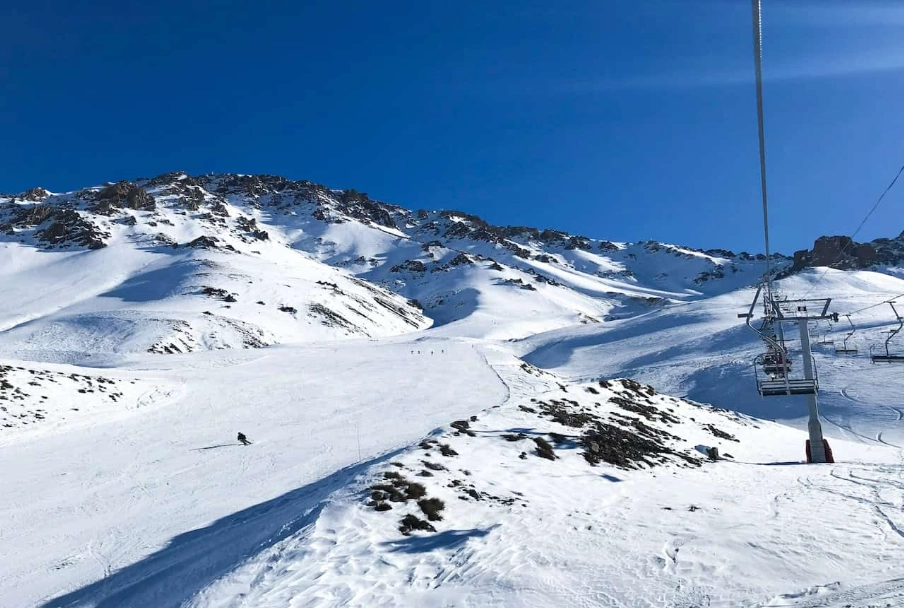
| Metric | Valle Nevado (Standalone) | With "Tres Valles" Link | Why It Matters |
|---|---|---|---|
| Skiable Terrain | 2,200 acres | Over 7,000 acres | The core resort is huge. The linked Three Valleys area (with La Parva & El Colorado) is genuinely massive, rivaling European giants. |
| Vertical Drop | 2,700 feet (823m) | ~4,000 feet (1,220m) | Long, sustained runs. From the top of Tres Puntas, you're in for a serious descent. |
| Base / Summit Elevation | 9,350 ft / 12,040 ft (2,850m / 3,670m) | N/A | Altitude is a real factor. Acclimatize. Drink water. The thin air preserves snow but can wreck your first day if you're not careful. |
| Lifts | 14 total | 40+ across three valleys | Modern, high-speed chairs. The link to La Parva is via a slow chair, but it's a scenic gateway to more terrain. |
| Longest Run | ~5 miles (8 km) | Even longer with links | You can plan a run that lasts half an hour, easy. |
The real magic is the Tres Valles (Three Valleys) ski pass. For a modest surcharge, you unlock La Parva and El Colorado. This isn't a gimmick; it's the single best value upgrade you can buy. La Parva has steep, technical terrain. El Colorado is more family-oriented and has the access town of Farellones. One pass, three completely different personalities.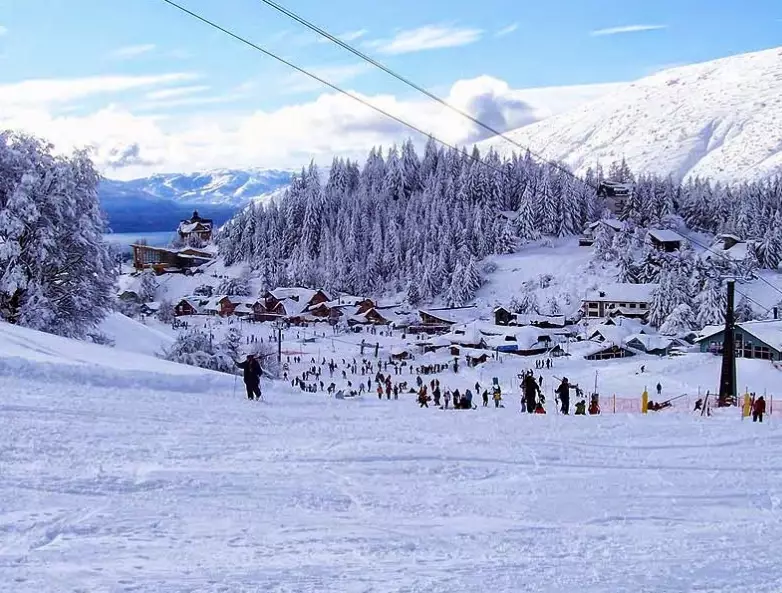
Planning Your Trip: Tickets, Stay & Getting There
This is where trips get messy. Let's simplify.
Lift Tickets & Passes
You can buy at the gate, but book online for a discount. A 1-day adult pass for just Valle Nevado hovers around $100-120 USD. The Tres Valles pass is about 20-30% more. Just get it. Even if you only venture out once, it's worth it for the option. Multi-day discounts apply. Check the official Valle Nevado website for current prices and packages that bundle lessons.
Pro Tip: Many first-timers assume they need the full Three Valleys pass every day. Not true. You can buy a Valle Nevado-only pass and upgrade for a day if the weather and mood are right. Ask at the ticket window.
Where to Stay: On-Mountain vs. Down Valley
This is your biggest budget and convenience decision.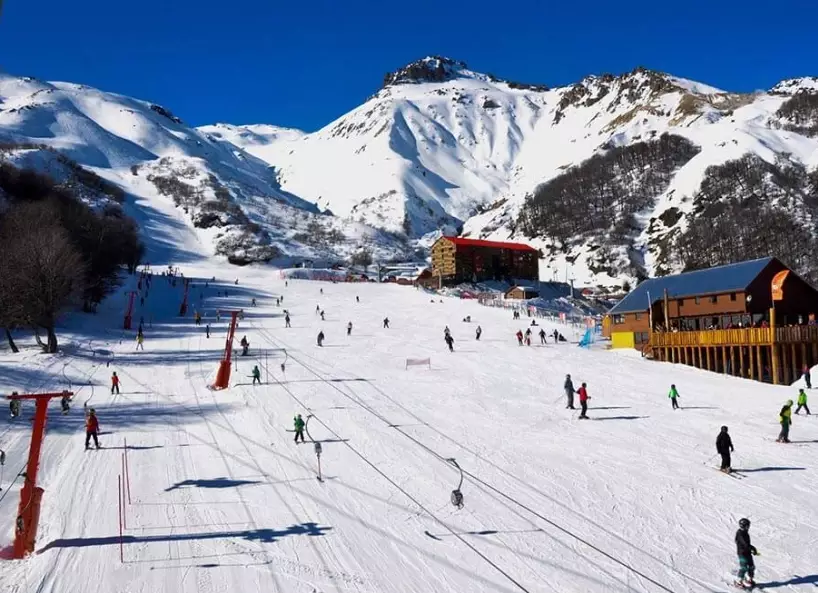
Staying in Valle Nevado (Ski-in/Ski-out): You're paying for seamless access. The three main hotels—Valle Nevado Hotel, Puerta del Sol, and Triangulo—are interconnected. Rooms are comfortable, not lavish. A standard double in peak season runs $300-$450/night, often with half-board (breakfast & dinner). The vibe is self-contained. You won't leave the resort complex much. It's perfect for a pure ski-focused trip.
Staying in Farellones or El Colorado: This is the budget-friendly choice. You'll find apartments, hostels, and smaller lodges. A basic apartment might cost $100-$200/night. The catch? You'll need to drive or take a shuttle up to Valle Nevado's base each day (15-20 mins). You gain local charm and cheaper dining options but lose the ultimate convenience.
How to Get There (The Most Important Part)
Do not, under normal circumstances, rent a standard car. The road from Santiago (Route G-21) is steep, winding, and often requires chains or 4x4. Chilean police set up checkpoints.
Your options, from best to worst:
- Pre-booked Transfer: The gold standard. Companies like Ski Total or TransVip know the road. They'll meet you at Santiago Airport (SCL) or your hotel. Shared shuttle: ~$50-70 USD per person one-way. Private van: ~$200-300 one-way. Worth every peso for peace of mind.
- Resort Shuttle: Valle Nevado runs scheduled shuttles from specific points in Santiago. Cheaper, but less flexible with luggage and flight times.
- Rental 4x4 with Snow Gear: Only if you are a confident winter mountain driver. The stress and cost rarely make sense for a ski trip.
What the Skiing is Really Like
The stats are impressive, but how does it feel underfoot?
Beginners: You're covered, but don't be fooled. The dedicated learning area at the base is great. The green runs from the Plaza chair are perfect. However, the mountain's scale means many "blue" runs here would be easy blacks elsewhere. They're long, wide, and can get choppy. Take a lesson on day one. It's not just about technique; it's about learning the mountain's flow and avoiding a trail that's over your head.
Intermediates: This is your paradise. The vast majority of Valle Nevado's terrain is long, groomed, glorious blue and red runs. You can cruise all day without repeating a trail. The Tres Puntas and Andes Express chairs service epic, long runs with stunning views. The link to El Colorado adds even more intermediate-friendly cruising.
Experts:
You'll find your challenge. The off-piste is where Valle Nevado shines. The steep faces under the Mirador chair, the bowls off Tres Puntas, and the hike-to terrain near Bello Vista hold powder for days. The connection to La Parva opens up seriously steep and technical chutes. A local guide is highly recommended for the best and safest off-piste access. The in-bounds tree skiing is limited (it's the Andes), so when a storm rolls in, visibility on the open slopes can go to zero quickly.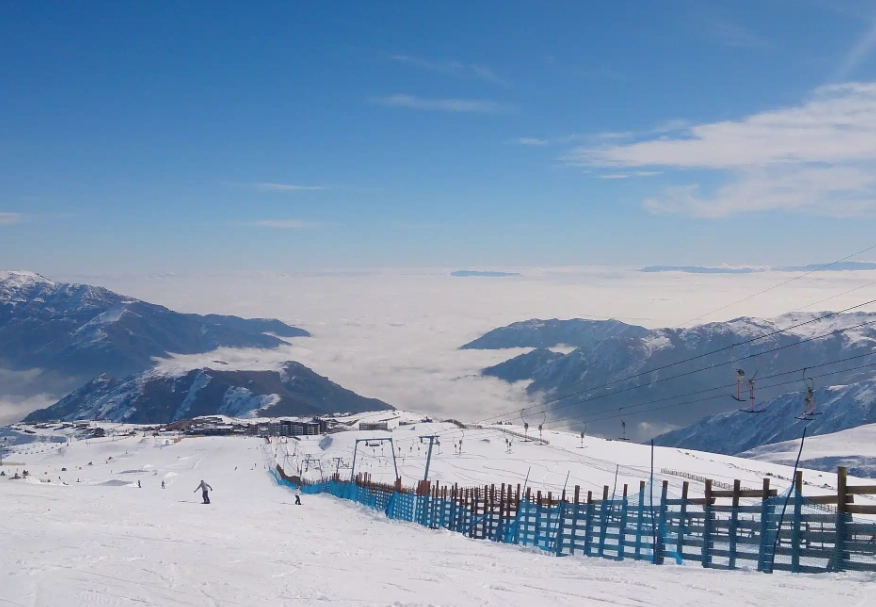
Building Your Perfect Itinerary
Here’s how a 5-day trip might realistically unfold.
Day 1: Arrival & Acclimatization. Land in Santiago early. Catch your pre-booked transfer to Valle Nevado. Check-in, wander the village, rent gear if needed. Do not ski hard today. Maybe take one gentle run late afternoon. Drink liters of water. Have an early dinner.
Day 2: Learn the Mountain. Start on the Mirador and Plaza chairs. Explore the central network of blues and reds. Get a feel for the snow and altitude. Have lunch at La Fourchette at the base.
Day 3: Tres Valles Adventure. Use your pass. Take the link chair to La Parva. Explore its different vibe and challenging terrain. Or, head the other way to El Colorado for a change of scenery. This is the day to log miles.
Day 4: Deep Dive or Guided Off-Piste. If conditions are good and you're confident, hire a guide for the morning to hit the best off-piste stashes. If not, revisit your favorite runs from earlier in the week, tackling the more challenging variations.
Day 5: Last Laps & Departure. A final morning session. Ski until checkout, store your bags, have lunch, then catch your afternoon transfer back to Santiago for an evening flight or overnight stay.
The Local's Edge: Tips You Won't Find Elsewhere
After multiple trips, here's what I learned the hard way.
The Sun is a Liar. At 10,000 feet, the UV radiation is extreme. You will burn in minutes, even on a cloudy day. Use high-SPF sunscreen on every exposed patch of skin, including under your chin and nose. Reapply constantly.
2 PM is Melt O'Clock. The snow cycle is predictable. Cold, firm corduroy in the morning, perfect grooming by 10 AM, hero snow until about 2 PM, then the south-facing slopes can get heavy and sticky as the sun bakes them. Plan your run orientation accordingly. Stick to north-facing aspects in the afternoon.
Dinner is Late, Book it Early. Chileans dine late. Resort restaurant reservations for 9 PM fill up fast. Book your dinners for the week as soon as you arrive, or you'll be stuck with the buffet or room service.
The "Ski Total" Package Scrutiny. These all-inclusive bundles (hotel, lifts, meals, lessons) can be great value, especially for families. But read the fine print. Does the "meal" plan cover all restaurants or just the buffet? Are group lessons at a fixed time that clashes with your kids' energy levels? Sometimes piecing it together yourself offers more flexibility.
Your Burning Questions Answered
What is the best time to ski at Valle Nevado, the biggest resort in South America?
Is Valle Nevado suitable for beginner skiers and families?
How much does a ski trip to Valle Nevado cost?
Do I need a car to get to Valle Nevado, and is the road dangerous?
So, is Valle Nevado the biggest ski resort in South America? Absolutely. The numbers prove it. But more importantly, it's a complex, breathtaking, and utterly rewarding ski destination that demands a bit more planning than your average hill. Respect the altitude, master the road logistics, and invest in the Three Valleys pass. Do that, and you're not just visiting a big resort—you're unlocking an entire Andean ski kingdom.
Related Articles
Comments
Join the discussion