Quick Guide
- What Sparked the Shaggy's Skis Lawsuit? The Allegations Broken Down
- Understanding the Technical Side: What Could Go Wrong with a Binding?
- Where the Shaggy's Skis Lawsuit Stands Now: The Legal Process
- What Should You Do If You Own Shaggy's Skis?
- Frequently Asked Questions About the Shaggy's Skis Lawsuit
- The Bigger Picture: What This Means for Ski Gear and Safety
So you've heard about the Shaggy's skis lawsuit and you're wondering what the fuss is all about. Maybe you own a pair, or you were thinking about buying some, or you just saw a headline and got curious. I was in the same boat. As someone who spends a lot of time on the slopes, any news about gear safety gets my attention immediately. This isn't just some corporate legal squabble; it's about stuff that can directly affect people's safety when they're flying down a mountain. Let's unpack this whole situation, piece by piece, without the legal jargon and corporate spin.
The core of the Shaggy's skis lawsuit revolves around allegations that certain bindings on their skis failed to release properly during falls. Now, for anyone who doesn't ski, that might sound technical. But for us, it's everything. Your binding is your lifeline. It's supposed to pop you out of the ski when you take a tumble to prevent your leg from twisting in ways it shouldn't. If it doesn't let go when it's supposed to, the risk of serious knee injuries, like ACL tears, or even leg fractures, skyrockets. That's the heart of the complaint.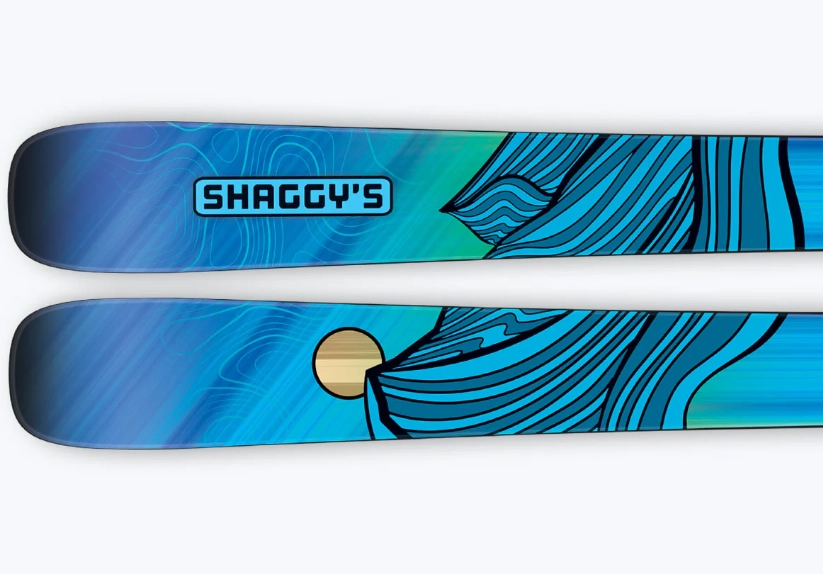
What Sparked the Shaggy's Skis Lawsuit? The Allegations Broken Down
It all started piling up online, if I'm being honest. Before any major legal filing, you'd see threads in skiing forums—Reddit, Teton Gravity Research forums, places like that. Skiers sharing stories of weird falls where their bindings just didn't pop. At first, it's easy to dismiss. "Maybe they didn't set their DIN correctly," or "Must have been a weird impact." But the patterns started to look… familiar. Then came the formal complaint.
The lawsuit, filed in a federal court, isn't just one person's bad day. It's a proposed class-action, which means the plaintiffs are arguing that the issue is widespread enough to affect a whole class of people who bought these skis. The main accusations are pretty straightforward, if you ask me:
- Design Defect: The claim says the binding system on certain Shaggy's models had a fundamental flaw that made it prone to not releasing during certain types of lateral or twisting falls—exactly the kind of fall you want it to release in.
- Failure to Warn: This is a big one. The suit alleges that Shaggy's knew or should have known about the potential for premature release or, more critically, failure to release, and didn't adequately warn customers. No extra labels, no prominent safety notices, nothing.
- Negligence: This gets into the nitty-gritty of how the skis were made and tested. Did they cut corners? Was the testing not rigorous enough for real-world conditions?
- Breach of Warranty: When you buy ski equipment, there's an implied promise that it's fit for its ordinary purpose. The lawsuit claims these skis, with the alleged binding issues, broke that promise.
You see, it's not just about a product breaking. It's about a safety-critical piece of equipment possibly not working as intended in the moment you need it most. That changes the whole game.
The Models Under the Microscope
While the specific list can evolve as the case moves forward, the initial filings zeroed in on a few popular all-mountain and freeride models from Shaggy's lineup produced between around 2019 and 2022. I won't list every single one here because models get updated yearly, but the focus seems to be on skis that used a specific integrated binding system Shaggy's was promoting as a lightweight, performance-oriented feature.
The thing about integrated systems is they're great when they work—seamless, clean looking. But if there's a problem with the interface between the ski and the binding toe or heel piece, you can't just easily swap in a different binding from Marker or Look. You're kind of stuck with it. That's a point of contention that keeps coming up in discussions about the Shaggy's skis lawsuit.
Understanding the Technical Side: What Could Go Wrong with a Binding?
To really get why the Shaggy's skis lawsuit matters, you need a quick primer on how ski bindings are supposed to work. I'm not an engineer, but after years of skiing and talking to shop techs, you pick stuff up.
A binding has to do two opposite things perfectly: hold you in securely during aggressive maneuvers, and eject you instantly when forces exceed a safe threshold (your DIN setting). This release can happen vertically (upward from the heel in a forward fall) or laterally (outward from the toe in a twisting fall). The lawsuit allegations seem to center mostly on lateral release failures.
So what could cause that? A few possibilities experts and the complaint might point to:
- Friction Points: If the binding toe piece doesn't pivot smoothly due to design or ice/dirt buildup, it can "hang up" and not rotate out when it needs to.
- Elastic Travel Limits: Bindings have a bit of "elasticity" or sideways flex before they release. If this range is too short or too long, it can affect release timing.
- Interface Issues: With an integrated system, how the binding mounts to the ski plate is crucial. Any flex or play in that connection could alter the release characteristics.
- DIN Setting Accuracy: Is the binding actually releasing at the number you dialed in? If it's calibrated wrong at the factory, your 8 might really be a 10, meaning it holds on way too long.
I remember a shop tech once told me, "The most expensive binding in the world is useless if it doesn't release predictably." That stuck with me. Predictability is everything.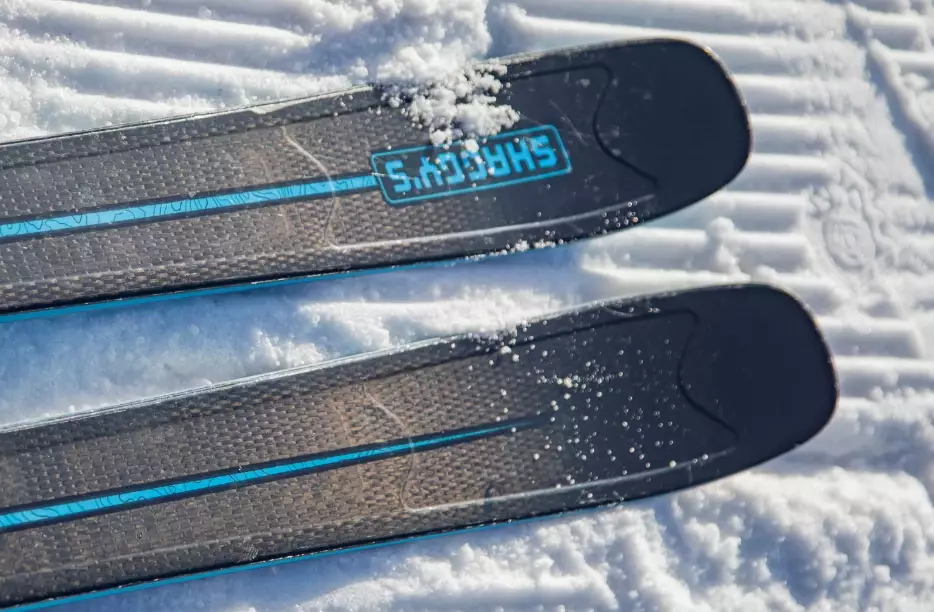
| Alleged Problem Area | Potential Consequence for a Skier | Why It's a Big Deal |
|---|---|---|
| Lateral Release Failure | Knee ligaments (ACL, MCL) bear excessive twisting force, leading to sprains or tears. | Knee injuries are among the most common and debilitating in skiing. Recovery is long and costly. |
| Inconsistent Release Behavior | Skier loses confidence, may subconsciously ski more cautiously or, conversely, get caught off-guard. | Unpredictable equipment undermines the fundamental trust required for an inherently risky sport. |
| Lack of Clear Warning | Skiers use the equipment unaware of potential need for extra caution or specific maintenance checks. | Prevents users from making informed decisions about their own safety and risk management. |
Looking at it like that, you can see why people are upset. It's not about a cosmetic scratch; it's about the function of a critical safety device.
Where the Shaggy's Skis Lawsuit Stands Now: The Legal Process
Legal cases move at a glacial pace (pun intended). As of my last deep dive into the court docket, the Shaggy's skis lawsuit is in the discovery phase. That's the legal fact-finding period where both sides request documents, take depositions from company engineers and injured skiers, and hire expert witnesses to testify about binding design and biomechanics.
Shaggy's, for its part, has publicly denied the allegations. In their court filings, they've argued that their bindings meet or exceed all relevant industry standards for safety and performance. They'll likely point to certifications from organizations like ISO (International Organization for Standardization) which sets standards for ski bindings (like ISO 9462). They might also argue that improper use, like not getting bindings professionally mounted and adjusted, or skiing with settings too high for one's ability, contributed to any incidents.
This back-and-forth is standard. The company has to defend its product, and the plaintiffs have to prove there's a systemic defect. What happens next? A few paths:
- Class Certification: The judge has to decide if the case can proceed as a class action. This is a huge hurdle. The plaintiffs need to show there are enough people with the same basic problem to make a class action sensible.
- Settlement: Many product liability cases settle out of court. A settlement might involve a refund program, a binding retrofit or replacement offer, or a fund to cover medical expenses for proven injuries. It doesn't mean the company admits fault, but it does resolve the matter.
- Trial: If no settlement is reached and the class is certified, it could eventually go to trial, where a jury would hear the evidence and decide. This is rare, expensive, and public, so companies often try to avoid it.
Honestly, a settlement feels like the most likely outcome down the line, but that's just my guess watching from the sidelines.
What Should You Do If You Own Shaggy's Skis?
This is the part everyone actually cares about. Forget the legal theory; what does this mean for you in your gear closet?
First, don't panic. But do be proactive. Here's a step-by-step approach I'd take, and have recommended to friends:
Step 1: Identify Your Model and Year
Check the sidewall of your skis. The model name and production year (often part of the serial number or graphics) are usually there. Compare it to any official communications from Shaggy's or lists referenced in news articles about the lawsuit. Don't rely on memory.
Step 2: Get a Professional Binding Check
This is non-negotiable. Take your skis to a certified ski shop or a technician who works with multiple binding brands. Don't just go to the shop that sold them to you if you're worried about bias. Ask them to:
- Perform a full release check on a binding testing machine. This machine physically measures the force required to trigger release and compares it to your DIN setting.
- Inspect the binding for wear, corrosion, or debris that could impede function.
- Verify the forward pressure and mounting integrity.
A proper test costs a bit, but it's cheap insurance. If the tech finds the binding isn't releasing within acceptable tolerances, you have a documented, professional opinion.
Step 3: Review Your DIN Setting
Be brutally honest with yourself. Did you crank up your DIN because you thought it made you look more hardcore? Or did a shop set it based on your height, weight, age, boot sole length, and skier type (I, II, III)? Use the standardized DIN chart as a reference, but let a pro make the final call. An incorrectly high setting is a major risk factor for any binding, not just Shaggy's.
Step 4: Stay Informed
Bookmark a few reliable sources. Check Shaggy's official website for any service bulletins or safety notices—though companies are often slow to post these. Follow reputable skiing news outlets. The U.S. Consumer Product Safety Commission (CPSC) is the federal agency that would issue an official recall if one were deemed necessary. No recall had been issued as of my last check, but that's the place to watch for the most authoritative action.
Ignoring it won't make the potential risk go away.
Frequently Asked Questions About the Shaggy's Skis Lawsuit
I've been scouring forums and comment sections, and a few questions keep popping up. Let me tackle them head-on with what we know so far.
The Bigger Picture: What This Means for Ski Gear and Safety
Stepping back from the specifics of the Shaggy's skis lawsuit, this whole episode is a stark reminder for all of us who love this sport.
We're in an era of incredible innovation in ski gear. Lighter materials, integrated systems, clever designs that promise better performance. But with innovation comes complexity, and with complexity comes new potential failure points. The traditional binding brands—Tyrolia, Marker, Look, Salomon—have decades of R&D and crash testing behind their designs. When a newer company or a ski brand ventures into making its own bindings, it's a massive undertaking. The lawsuit raises the question: was the testing rigorous enough?
It also puts the spotlight on us, the consumers. How much do we prioritize flashy new tech over proven safety? Do we blindly trust marketing, or do we ask hard questions? I'm guilty of it too—getting sucked in by a cool graphic or a promise of more playful performance.
My personal feeling? This lawsuit, regardless of its final outcome, is a wake-up call. It should push all manufacturers to be more transparent about their safety testing protocols. It should make shops even more diligent in their binding checks. And it should remind skiers that the most important piece of gear you own is the one that's supposed to let go of you. Don't set it and forget it. Get it checked every season, or after any major impact.
The industry does have standards, like those from ISO. But as the Snowsports Industries America (SIA) notes, compliance with standards is a baseline, not a guarantee of perfection in every real-world scenario. The gap between lab tests and a chaotic, icy fall in the trees is where these cases live.
So, where does that leave us with the Shaggy's skis lawsuit? Watching, waiting, and most importantly, taking responsibility for our own gear maintenance and informed choices. The mountains are risky enough without adding equipment uncertainty into the mix.
Stay safe out there.
Related Articles



Comments
Join the discussion