Let's talk about vertical drop. It's the single most seductive number in skiing. That figure, measured from the top lift to the bottom base, promises epic descents, burning thighs, and bragging rights that last a lifetime. But chasing the world's highest vertical ski resort isn't just about finding the biggest number. It's about understanding what that number means for your legs, your skill, and your trip. I've spent seasons chasing these giants, from the Alps to the Rockies, and I've seen skiers make the same costly mistakes.
What's Inside This Guide
Why Vertical Drop is the Real Metric (Forget Total Acres)
Total skiable acreage is a marketing number. A resort can have 10,000 acres of flat, boring traverses. Vertical drop is the promise of continuous, exhilarating descent. It tells you how long you can point your skis downhill before hitting a lift line. A 500-meter drop is a nice warm-up. A 1,000-meter run gets your attention. But when you cross the 1,500-meter threshold, you enter a different league. Your technique gets tested, your fitness is challenged, and the mountain reveals its true character.
A Quick Reality Check
Don't confuse vertical drop with base elevation. A resort can have a high base (like some in Colorado) but a modest vertical if the peaks aren't much higher. The magic is in the difference. Also, advertised vertical is often "lift-served." Some resorts, like La Grave in France, offer insane vertical for off-piste experts, but it's not groomed or patrolled like a typical resort. That's a whole other adventure.
The Contenders: A Skier's Breakdown of the Giants
The crown for the highest vertical is fiercely contested, primarily in the European Alps. The numbers can shift slightly with new lift installations, but the leaders are well-established. Here’s the real-world breakdown, not just a dry list.
| Resort / Ski Area | Country | Vertical Drop (Meters/Feet) | Key Notes & Terrain Vibe | Best For |
|---|---|---|---|---|
| Les 3 Vallées (Val Thorens) | France | ~2,300m / 7,546ft (across the entire linked domain) | The interconnected king. You can ski from the peak of Cime de Caron (3,200m) down to the lowest village of Les Menuires (1,450m). It's not one lift, but a series of linked lifts and runs across Courchevel, Méribel, Brides-les-Bains, and Val Thorens. | Intermediates who love cruising, experts seeking vast off-piste, groups with mixed abilities. It's a system, not just a mountain. |
| The 4 Vallées (Verbier) | Switzerland | ~2,150m / 7,054ft | Home to Verbier and the legendary Mont Fort. The lift to Mont Fort (3,330m) opens up a massive, often expert-oriented descent. The Swiss precision and stunning views are unmatched, but prices reflect that. | Strong intermediates and experts. The culture is more hardcore than the 3 Vallées. Off-piste is a religion here. |
| Silvretta Arena (Ischgl/Samnaun) | Austria/Switzerland | ~1,900m / 6,234ft | Massive, modern, and efficient. The Idalp to Pardatschgrat area offers huge, reliable snow and incredibly long, well-groomed runs. It's less about gnarly cliffs and more about perfect corduroy for miles. | Confident intermediates, cruisers, and apres-ski lovers. Ischgl is famous for its party scene. |
| Sölden | Austria | 1,770m / 5,807ft | Home to two glaciers, guaranteeing early/late season skiing. The Gaislachkogl peak is an icon. The terrain is varied, with some truly intimidating black runs and plenty of enjoyable reds. | Season extenders, intermediates looking to progress, and fans of modern infrastructure (the 007 Elements exhibit is at the top). |
| Chamonix (Aiguille du Midi / Grands Montets) | France | ~2,800m+ (off-piste) / 1,700m+ (lift-served) | The spiritual home of extreme skiing. The Vallée Blanche descent from Aiguille du Midi offers a 2,800m vertical off-piste journey (guide mandatory). For in-bounds, Grands Montets provides steep, serious terrain. This is not a beginner's resort. | Expert skiers and riders only. This is a place for mountaineers on skis. The town itself is a vibrant mix of tourism and alpine culture. |
Looking at that table, you see the story. Les 3 Vallées and The 4 Vallées are the titans of connected, lift-served vertical. You need multiple days to explore them fully. Chamonix is in a category of its own—it’s about legendary, guided descents that dwarf any resort run.
The North American Powerhouses
Don't sleep on this side of the Atlantic. The culture and snow are different—often drier powder, bigger spaces between resorts, and a more rugged feel.
Whistler Blackcomb, Canada: 1,609m of vertical. It's a behemoth with two massive mountains, every kind of terrain imaginable, and a reliable, long season. The Peak 2 Peak gondola is an experience in itself.
Revelstoke, Canada: The new-school champion. It boasts 1,713m of vertical, almost all of it accessed by one epic gondola and a chairlift. It’s steep, deep, and gets insane snowfall. This is for strong skiers who prioritize snow quality and challenging terrain over fancy villages.
Jackson Hole, USA: 1,261m of the most iconic steep and deep terrain in the US. The vertical number doesn't look Alpine, but every meter is earned. The tram is a rite of passage.
Finding the Right Vertical Drop for You
Here’s the expert tip nobody tells you: Bigger isn't always better for you. A 2,000m vertical of relentless, moguled black runs is a nightmare for an intermediate. Your perfect vertical is one you can ski confidently and enjoyably from top to bottom.
- Beginners/Low Intermediates: Look for resorts with a vertical in the 800m - 1,200m range that has a high percentage of easy blue runs from the top. You want long, gentle cruisers, not just a short beginner area at the base. Example: The lower sectors of large resorts like Courchevel in Les 3 Vallées.
- Confident Intermediates: This is your sweet spot. Resorts with 1,400m - 1,800m of vertical and a network of groomed red/blue runs are ideal. You can challenge yourself without constant fear. Examples: Sölden, much of Ischgl, large parts of Whistler.
- Advanced/Experts: Now you can chase the big numbers. Prioritize terrain quality over just the vertical figure. Look for resorts known for off-piste access, steep chutes, and challenging in-bounds terrain. Examples: Verbier (4 Vallées), Chamonix, Revelstoke, Jackson Hole.
Planning Your Trip to the Top: Logistics Matter
Okay, you've picked a giant. Now, how do you tackle it without going broke or getting stranded?
Getting There & Around
Major European resorts like Les 3 Vallées are served by airports in Geneva (GVA), Lyon (LYS), and Chambéry (CMF). From there, you need a transfer bus or a rental car. In the Alps, a car is useful for exploring different valley bases, but parking can be expensive. North American resorts often require a flight to a major hub (Vancouver for Whistler, Calgary for Banff/Revelstoke, Salt Lake City for Utah) followed by a longer drive.
Where to Stay
This is critical. In mega-resorts, your choice of village dictates your daily routine.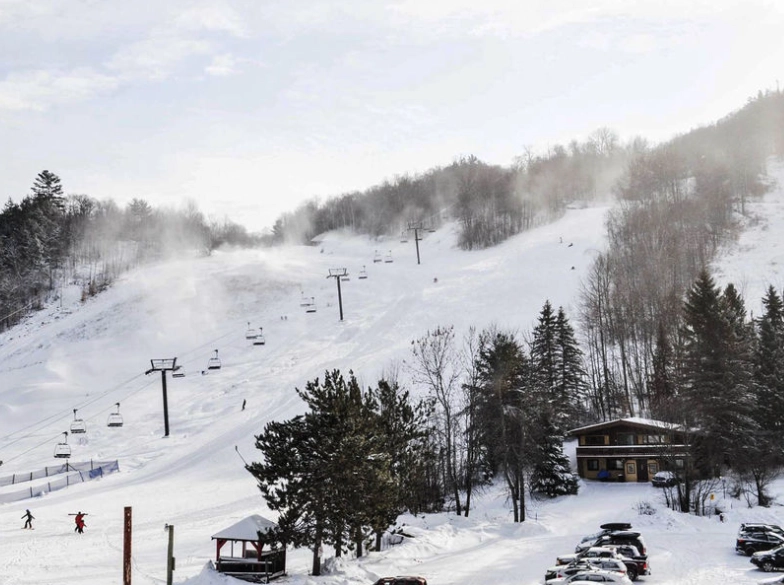
In Les 3 Vallées, staying in Val Thorens (Europe's highest ski resort) means you start high every day, but it's a purpose-built, modern village. Courchevel 1850 is more luxurious and traditional, with easier access to gentle slopes. Méribel is in the middle, with a great mix. Your lodging choice is a strategic decision about the skiing experience you want each morning.
In Whistler, you stay in Whistler Village. It's walkable, vibrant, and ski-in/ski-out is plentiful (but pricey).
Tickets, Gear, and Timing
A 6-day pass in the Alps often makes financial sense. Check for regional passes like the Magic Pass in Switzerland or the Ikon/Epic Pass for North America which include many of these giants.
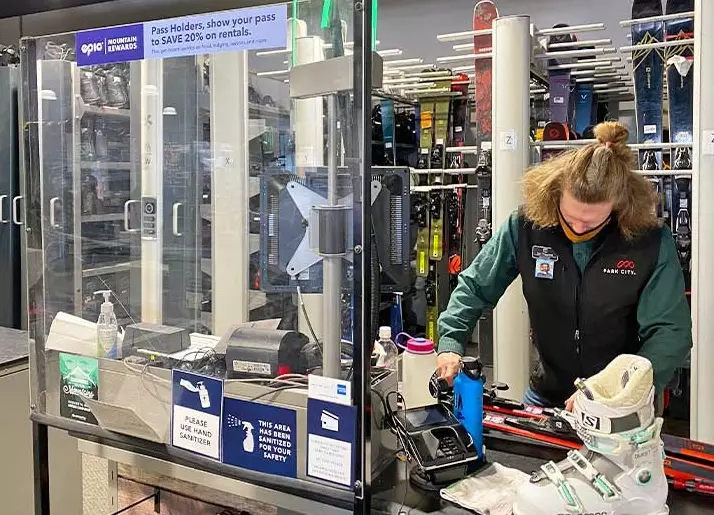
Rent your skis in-resort, not at the airport. Shops at the base have the right gear for local conditions. Tell them exactly what you plan to ski.
Timing: January (post-New Year) often has good snow and fewer crowds. February is peak but busy. March and April offer longer days and spring snow conditions, which can be glorious for those long descents.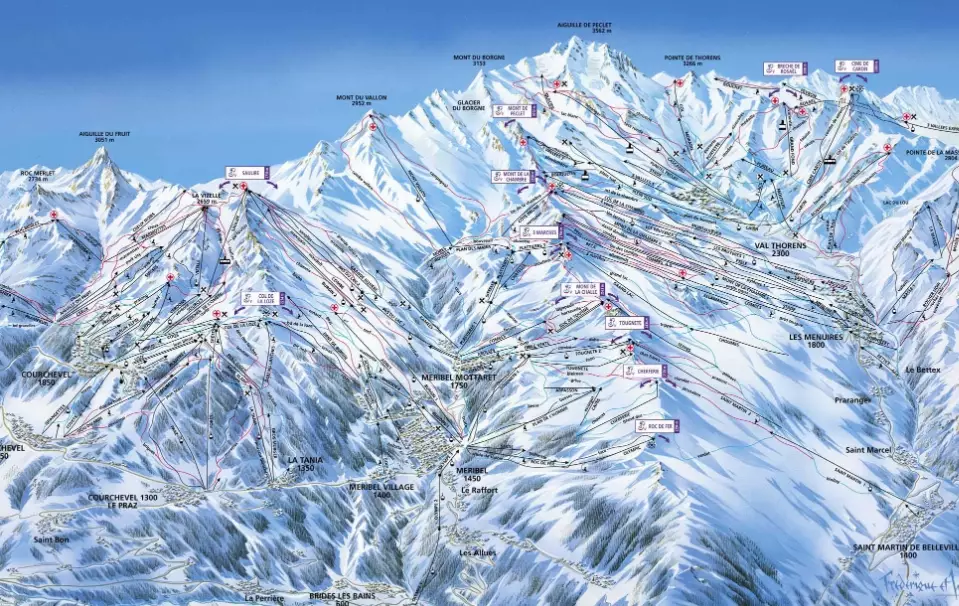
Your Questions, Answered
Chasing vertical is a fantastic goal. It pushes you, rewards you with unforgettable views, and defines a ski trip. Just remember to match the mountain's scale with your own ambition and skill. Do that, and you'll find more than just a number—you'll find the runs you'll talk about for years.
Related Articles

Comments
Join the discussion