Let's cut to the chase: Yongpyong is good, but it's not perfect. If you're looking for a reliable ski destination in Korea with varied terrain and decent facilities, yes, it's a solid choice. I've been there five times over the years, from crowded holidays to quiet weekdays, and here's the real scoop—no fluff, just what you need to know to plan your trip.
Here's What You'll Find Inside
The Slopes: A Breakdown for Every Skill Level
Yongpyong boasts 28 slopes across 31 kilometers, but numbers don't tell the whole story. The resort is split into zones, and each has its quirks.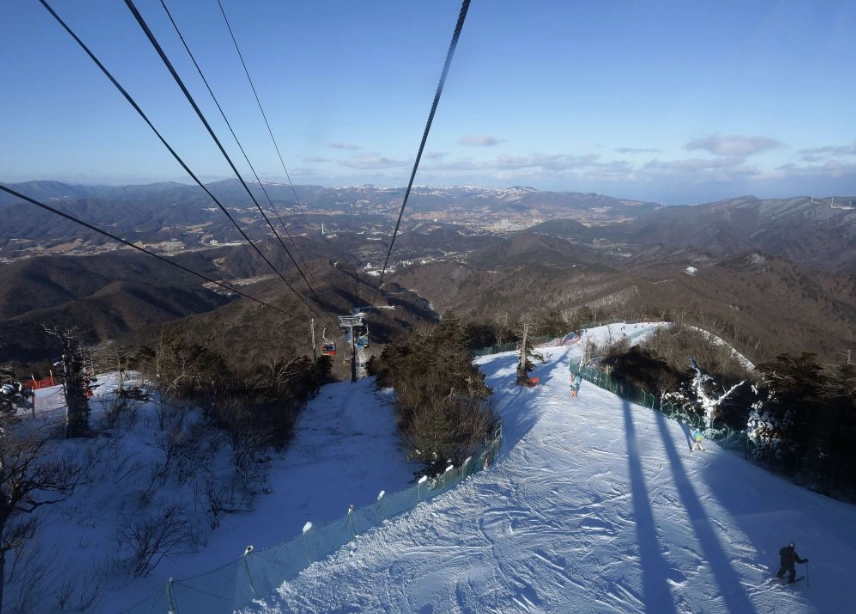
Beginner-Friendly Areas
Rainbow Paradise is where most newbies start. It's gentle, wide, and well-groomed. But here's a tip: some green runs, like Valley Course, have steeper sections that might surprise you. I saw a friend wipe out there thinking it'd be a breeze. If you're a true beginner, stick to the magic carpets near the base—they're less intimidating.
The ski school offers group lessons for around 70,000 KRW for 2 hours. Worth it? Absolutely. Instructors speak basic English, and they'll help you navigate the grading system, which can be optimistic at times.
Intermediate and Advanced Terrain
For intermediates, Gold and Silver slopes provide consistent challenges. They're groomed nightly, so conditions are predictable. Advanced skiers head to the Dragon Peak area, accessed by gondola. The black runs here, like Rainbow 4, have steep pitches and moguls. But honestly, if you're an expert seeking backcountry or off-piste, Yongpyong might feel limited. Korea's snow is often machine-made, so natural powder days are rare.
Snow quality varies. In peak season (Dec-Feb), it's usually packed powder. Early or late season, expect more ice. Check the official Yongpyong website for daily reports—they're fairly accurate.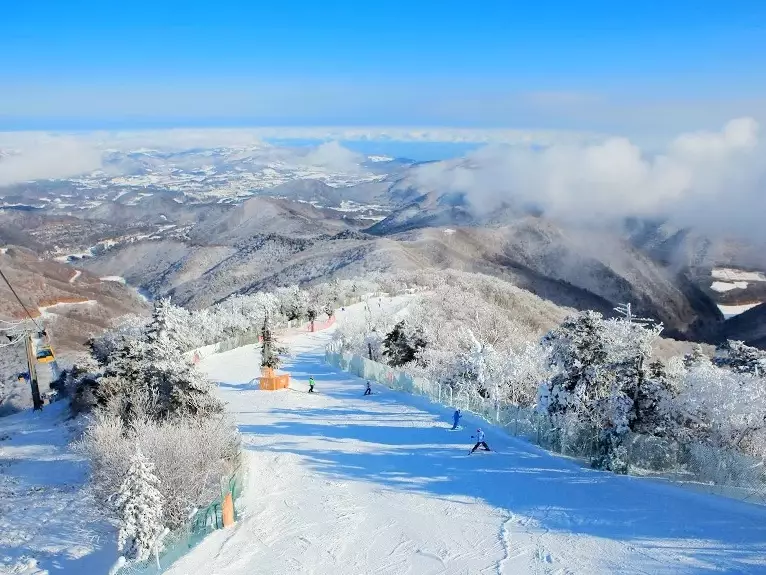
Facilities and Amenities Beyond Skiing
Skiing is just part of the experience. Yongpyong's facilities are a mixed bag.
Accommodation: The resort has several hotels, but they book up fast. Dragon Valley Hotel is the most convenient, right at the base. Rooms start at 200,000 KRW per night in season. I stayed at the Youth Hostel once—it's basic but cheap, around 50,000 KRW. Book months ahead, especially for weekends.
Food options range from fast food to Korean restaurants. The base village has a food court with bibimbap and ramen, but prices are high. A meal costs 10,000-20,000 KRW. For better value, walk 10 minutes to Hoenggye town—local spots serve hearty stews for half the price.
Rental equipment is standard. Skis, boots, and poles run about 40,000 KRW per day for adults. They maintain their gear well, but I've had issues with boot fit. Try everything on before leaving the rental shop. Also, deposit fees add up; keep your receipt for refunds.
Apres-ski is low-key. There's a bar at Dragon Valley Hotel, but don't expect vibrant nightlife. Families might enjoy the indoor pool or sauna (extra fee).
Costs and Logistics: Planning Your Budget
Let's talk money. Yongpyong isn't cheap, but you can manage costs with smart planning.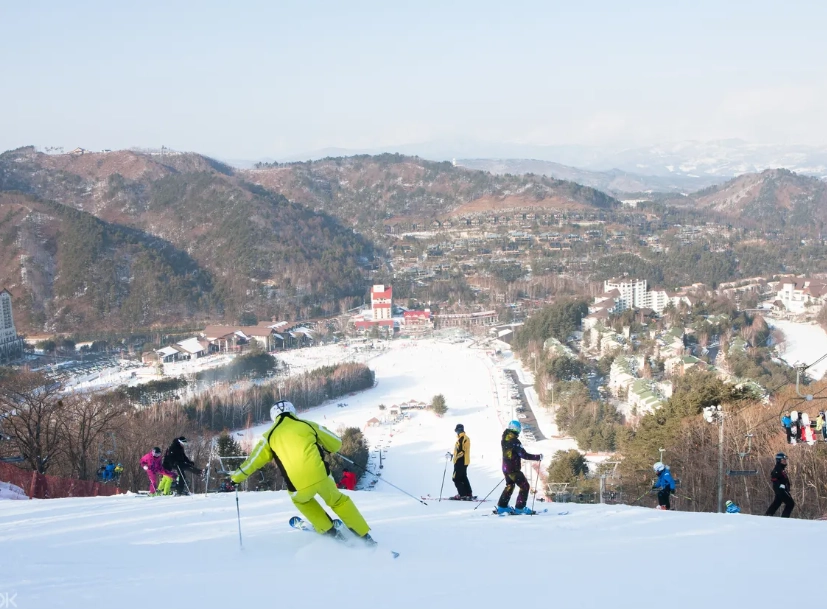
| Item | Approximate Cost (KRW) | Notes |
|---|---|---|
| 1-Day Ski Pass | 85,000 | Peak season; cheaper online |
| Equipment Rental (Full Set) | 40,000 | Per day; deposit required |
| Group Lesson (2 hours) | 70,000 | For beginners |
| Locker Rental | 5,000 | Small size per day |
| Bus from Seoul (Round Trip) | 30,000 | Per person |
| Hotel Room (Mid-range) | 150,000+ | Per night; varies by season |
Total for a day trip from Seoul? Around 200,000 KRW per person including transport, pass, and rental. Overnight stays push it to 300,000+ KRW.
Book passes online via the resort's site or apps like Klook for discounts—sometimes up to 20% off. Early bird deals pop up in October.
Season passes are available if you're staying long, but for most tourists, daily passes suffice.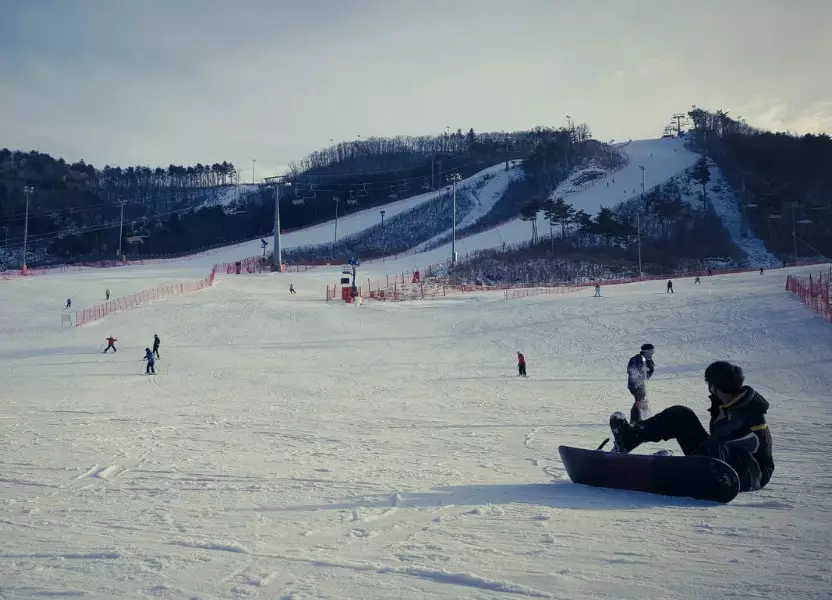
How to Get to Yongpyong Smoothly
Location: Yongpyong Resort, 715, Olympic-ro, Daegwallyeong-myeon, Pyeongchang-gun, Gangwon-do, South Korea. It's about 180 km east of Seoul.
From Seoul, the easiest way is by bus. Dong Seoul Bus Terminal runs express buses to Hoenggye every 30-60 minutes from 6 AM to 9 PM. The ride takes 2.5 hours, costs 15,000 KRW one-way. Buy tickets online at Kobus or T-money to avoid sold-out trips.
From Hoenggye Terminal, catch a local shuttle (free for resort guests) or taxi (5,000 KRW) to Yongpyong. The shuttle runs every 20 minutes during peak hours.
Driving? It's a 3-hour drive via Yeongdong Expressway. Parking costs 10,000 KRW per day. In winter, roads can be icy—rent a car with snow tires.
Train isn't direct. Take the KTX to Jinbu Station, then a taxi (30 minutes, 30,000 KRW). More hassle than it's worth.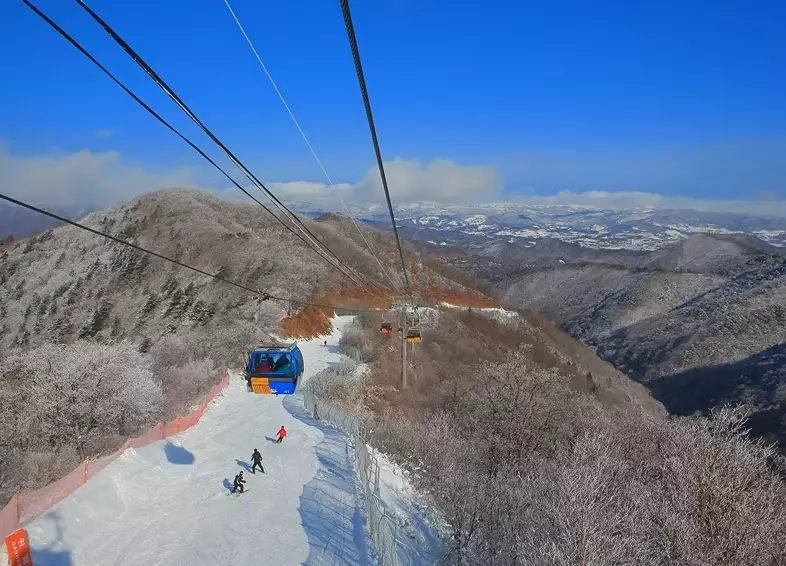
Common Pitfalls and How to Dodge Them
I've made mistakes so you don't have to.
Crowds: Weekends and Korean holidays (like Seollal in January/February) are packed. Lift lines can stretch to 30 minutes. Go mid-week if possible. I once visited on a Saturday in December and spent half my day queueing.
Weather: Yongpyong is in a valley, so fog can roll in fast, reducing visibility. Check the forecast and start early. Mornings are usually clearer.
Hidden Fees: Beyond the table above, gondola rides to Dragon Peak cost extra—10,000 KRW per ride. If you buy a peak pass, it's included, but standard passes don't cover it. Also, some rental shops charge for helmet rentals separately (5,000 KRW). Ask upfront.
Language Barrier: Staff speak basic English, but complex issues might get lost. Download a translation app. Signs are in Korean and English, but menus can be Korean-only.
A personal gripe: the resort feels commercialized. Souvenir shops are everywhere, and upselling is common. Stick to your budget.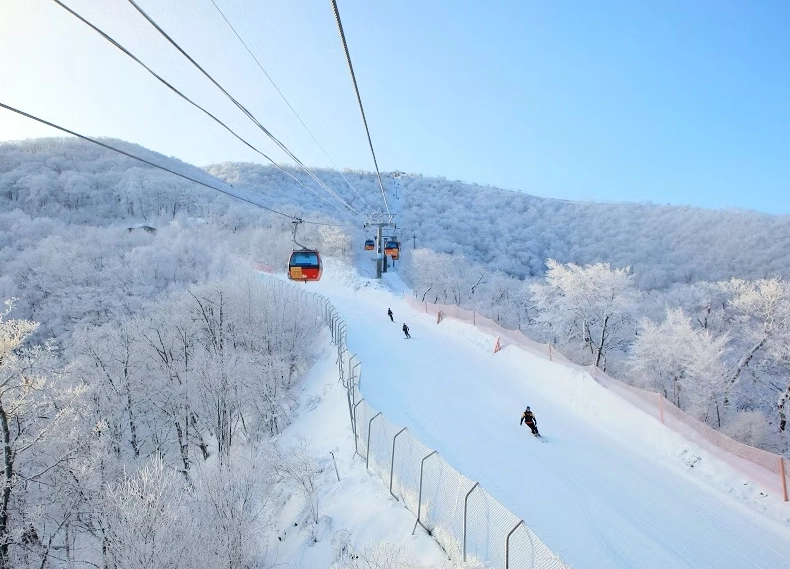
FAQ: Your Burning Questions Answered
So, is Yongpyong good? For most skiers—especially beginners and intermediates looking for a convenient Korea ski trip—yes. It's reliable, well-equipped, and accessible from Seoul. But manage expectations: crowds, costs, and limited expert terrain are downsides. Plan ahead, book early, and you'll have a solid time on the slopes.