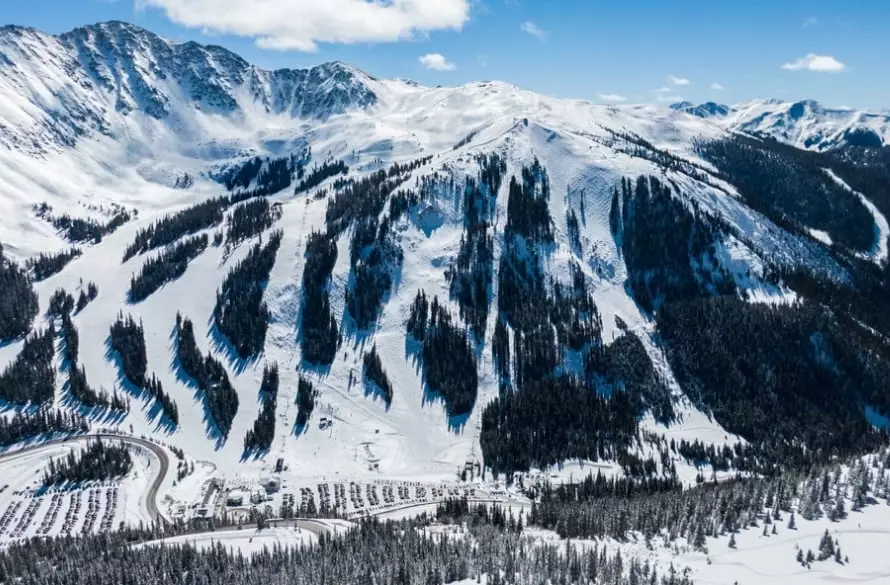
Let's cut straight to the point. If you're searching for the tallest ski resort in the United States, measured by the highest lift-served elevation, the answer is Arapahoe Basin, often called A-Basin by locals. Its summit sits at a breathtaking 13,050 feet (3,978 meters) above sea level. This isn't just a number on a trail map. That altitude defines everything about the experience—the snow quality, the length of the season, the views, and even how your body feels on the first run.
I remember my first time driving up Loveland Pass and seeing the Basin's iconic East Wall. It looked less like a ski resort and more like a Himalayan outpost. That's the vibe. This isn't a sprawling, village-centric mega-resort. A-Basin is a skier's mountain, pure and simple, where the focus is on terrain that punches far above its modest acreage.
What You'll Find in This Guide
Arapahoe Basin: The Numbers and Nitty-Gritty
So, what does "the tallest" actually mean for your ski day? Let's break down A-Basin's specifics.
Location: Along US Highway 6, near Dillon, Colorado. It's about a 75-minute drive from Denver International Airport (DIA), traffic permitting. You'll drive over the Continental Divide via Loveland Pass (or through the Eisenhower Tunnel).
Operating Season: This is where the elevation shines. A-Basin typically boasts one of the longest ski seasons in North America, often running from mid-October to early June. In big snow years, they've pushed into July. Always check their official website for opening and closing dates.
Address for your GPS: 28194 US-6, Dillon, CO 80435.
The vertical drop is 2,530 feet from summit to base. They have 1,428 acres of skiable terrain, served by 9 lifts. But the stats don't tell the full story. The terrain is famously diverse and challenging. The legendary Pallavicini lift serves expert-only terrain that feels timeless. The East Wall requires a short hike from the top of the Lenawee Mountain Lift but offers some of the most intense in-bounds terrain in Colorado—steep chutes and cornices that will get any expert's heart racing.
A crucial note on tickets: Arapahoe Basin is on the Ikon Pass. If you have a full Ikon Pass, you get 7 days with no blackouts. The base Ikon Pass offers 5 days with some restrictions. They also sell single-day and multi-day lift tickets directly, but prices are dynamic. Buying online in advance is almost always cheaper than at the window. For the 2024/25 season, expect peak single-day window rates to hover around $180-$200. A lesson many learn the hard way? Don't just show up expecting a cheap walk-up ticket.
Why "Tallest" Matters More Than Just Bragging Rights
High elevation isn't just a trophy. It translates directly to your on-snow experience.
Snow Preservation: Cold temperatures at 13,000 feet mean the snow stays drier and lighter for longer. While lower resorts might see spring slush in March, A-Basin's upper mountain often still has winter conditions. This is the secret to their epic spring skiing. The famous "Beach"—a sun-drenched, tailgating area at the base—is a spring ritual where you can ski corn snow in the morning and barbecue in a t-shirt by noon.
Longer Season: As mentioned, they open early and close late. This extends the Colorado ski season by months on either end.
The Views: On a clear day, the summit views are staggering. You can see multiple mountain ranges. It's a legitimate scenic attraction in itself.
But there's a flip side, one that many resort marketing sites gloss over: altitude sickness is real. Flying into Denver (5,280 ft) and driving straight up to 13,000 feet can knock you flat. Headaches, nausea, and profound fatigue aren't just inconvenient; they're dangerous on a ski slope. We'll get into how to handle this in the expert tips section.
Planning Your Trip to Arapahoe Basin
You can't just treat A-Basin like any other resort. The altitude and its unique character require a specific plan.
Where to Stay
A-Basin has minimal on-mountain lodging. Most people stay in nearby towns:
- Dillon/Silverthorne (10-15 min drive): The most convenient. Tons of chain hotels, condos, and restaurants. Look for places along I-70 for easy access.
- Frisco (15-20 min drive): A bit more charming main street feel. Good dining options.
- Breckenridge (30-35 min drive): A larger, full-service resort town with more nightlife and amenities, but a longer commute over Swan Mountain Road.
Booking a place with a kitchen can be a smart move. After a high-altitude day, sometimes you just want to cook a simple meal and hydrate, not deal with a restaurant.
Getting There and Parking
You need a car. There's no major public transit that drops you at the base. From Denver, take I-70 West. If you're coming from the east, you'll either go through the Eisenhower-Johnson Memorial Tunnel or, if you have time and the weather is clear, take the stunningly beautiful (and sometimes harrowing) Loveland Pass (US 6) over the Continental Divide. The pass closes during severe storms.
Parking is free, which is a huge perk in Colorado. The lots fill up on powder days and weekends, especially in spring. Arriving before 8:30 AM is a good rule of thumb for a prime spot. The early lot, right next to the base, is the holy grail.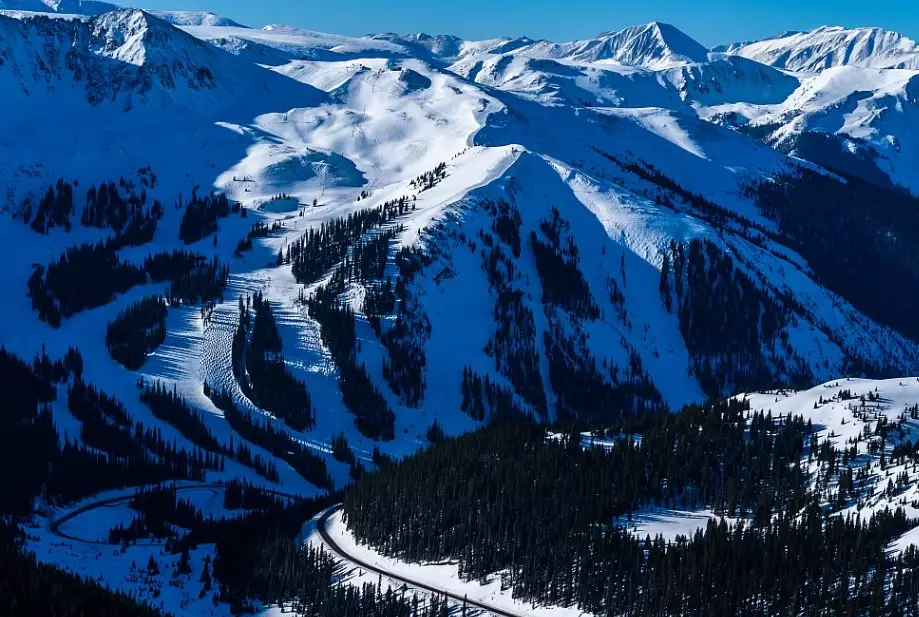
Other Contenders: High-Elevation Ski Resorts in the US
While Arapahoe Basin wins on pure summit elevation, the "tallest" conversation has other dimensions, like base elevation or vertical drop. Here's a quick comparison of other notable high-altitude players in the US.
| Resort | State | Summit Elevation | Base Elevation | Key Note |
|---|---|---|---|---|
| Arapahoe Basin | Colorado | 13,050 ft | 10,520 ft | Highest lift-served point in US. Expert-friendly, legendary spring skiing. |
| Breckenridge Peak 8 | Colorado | 12,998 ft | 9,600 ft | Imperial Express SuperChair serves the highest chairlift in North America. A much larger, bustling resort. |
| Loveland Ski Area | Colorado | 13,010 ft | 10,800 ft | Continent Divide runs. Very high base elevation. Known for great snow and less crowds. |
| Telluride | Colorado | 13,150 ft* | 8,725 ft | *Peak 15 is hike-to terrain. Lift-served summit is 12,515 ft. Stunning scenery. |
| Snowbird | Utah | 11,000 ft | 7,760 ft | Not the highest summit, but famous for immense snowfall and steep terrain. |
Notice a pattern? Colorado dominates the high-altitude scene. The thin air and Rocky Mountain geography create the perfect recipe for these sky-high resorts.
High-Altitude Skiing: Expert Tips and Common Pitfalls
Here's the advice I wish someone had given me before my first trip to A-Basin, gleaned from a few rough mornings and conversations with ski patrollers.
1. Acclimatize, Don't Just Arrive. The biggest mistake is flying into Denver and heading straight to 13,000 feet. If possible, spend your first night in Denver or at a mid-elevation town like Idaho Springs (7,500 ft). Your body needs time to adjust to the lower oxygen levels. Even one night makes a difference.
2. Hydrate Like It's Your Job. Double your normal water intake. Start the day before you travel. The air is incredibly dry, and you lose moisture just by breathing. Avoid excessive alcohol and caffeine, especially on your first day—they dehydrate you and worsen altitude symptoms.
3. Pace Yourself. That first run from the summit? Take it easy. Your legs will burn faster, and your breath will be shorter. It's not a sign of being out of shape; it's physics. Plan for a mid-morning break. Listen to your body.
4. Sun Protection is Non-Negotiable. At high elevation, UV radiation is intense. You need a high-SPF sunscreen (SPF 30+), applied liberally and often. Don't forget your lips (SPF lip balm), the underside of your nose, and your neck. Goggles and a helmet are a must.
5. The Weather Can Change Instantly. A sunny morning can become a white-out blizzard by noon. Always pack an extra layer—a light puffy or shell—in your backpack. Check the forecast religiously before heading up the lifts.
Your Questions About Skiing the Highest Resorts
How does the high altitude at A-Basin affect my skiing day compared to a resort like Vail?
The difference is immediate. At Vail's summit (11,570 ft), you might feel a slight heaviness. At A-Basin's 13,050 ft, the air has about 20% less oxygen than at sea level. You'll get winded quicker, especially on steep or moguled runs. Your recovery time between aggressive runs will be longer. The snow also tends to be colder and drier, which is fantastic for grip and float, but it can be more challenging if you're used to the heavier, wetter snow found at lower coastal ranges.
I'm planning a spring trip to chase the longest season. Is late May at A-Basin worth it?
Late May at A-Basin can be magical, but it's a specific experience. The lower mountain may be closed or have limited, slushy coverage. The action is on the upper mountain—Pallavicini and the East Wall face. You'll be skiing corn snow (perfectly softened granular snow) in the morning, which requires a different technique than winter powder. By afternoon, it can get mushy. The vibe is festive, with the Beach in full swing. It's less about racking up vertical and more about enjoying the sun, the scene, and a unique skiing surface. Check their snow report for what's open.
What's the one piece of gear I should specifically bring for a high-elevation resort like this?
Beyond the obvious, bring a hydration reservoir (like a CamelBak) in your backpack. Stopping to pull out a water bottle is a barrier to drinking enough. Having a tube at your shoulder means you'll sip constantly without thinking about it. It's the single best way to combat altitude fatigue and headaches on the mountain. Also, ensure your goggles have a low-light or sunny-day lens option—the light at that elevation is brutally bright on clear days but can flatten out quickly in storms.
So, there you have it. The tallest ski resort in the US is Arapahoe Basin, a no-frills, high-altitude temple for skiers and riders who prioritize terrain and season length over luxury spas. It demands respect—for the mountain, for the thin air, and for the often-extreme weather. But if you come prepared, it rewards you with an experience that feels genuinely wild and untamed, right off the lift. That feeling of standing on the Continental Divide, looking out at endless peaks, is why we seek out these high places in the first place.