Quick Guide
- What Does "Value" Even Mean for Old Skis?
- The Big Factors That Determine K2 Older Models Value
- Putting a Price Tag On It: A Real-World Guide
- Spotlight on Specific Older K2 Models and Their Lasting Value
- Where to Buy (and What to Ask)
- Should YOU Buy Older K2 Skis? The Honest Pros and Cons
- Your Questions, Answered (FAQ)
- Final Thoughts: Making a Smart Decision
Let's talk about old K2 skis. You see them on Facebook Marketplace, eBay, or maybe in the back of your local ski shop's used gear rack. The graphics look cool, maybe a bit retro, and the price seems tempting. But what are you actually getting into? That's the real question behind the search for K2 skis older models value. It's not just a number. It's a mix of nostalgia, technology, and plain old practicality.
I remember picking up a pair of early 2000s K2 Public Enemies for almost nothing at a garage sale. They were beat up, but the cores were solid. I spent a season on them, and it was a blast—a completely different feel from my modern all-mountain boards. But I've also bought duds. Skis that were delaminating, with edges so rusted they were useless. So, let's cut through the hype and the lowball offers. Figuring out the true value of older K2 skis means understanding what makes them tick, what makes them fail, and whether they're the right tool for your mountain days.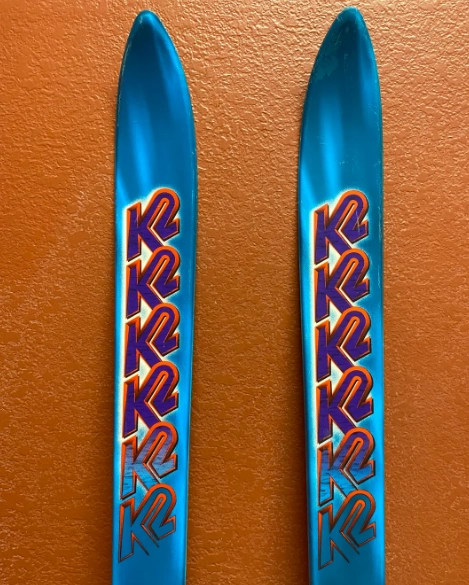
The Core Idea: The value of an older K2 ski isn't set by its age alone. It's a balance of its historical reputation, its current physical condition, and how its design philosophy matches what skiers want today. A well-preserved icon can be a treasure. A worn-out former best-seller is just firewood.
What Does "Value" Even Mean for Old Skis?
When we dig into older K2 ski models value, we need to separate two things: monetary price and skiing worth. The price is what someone will pay. The worth is what the ski will do for you on the snow.
For collectors or fans of a specific era, the value might be in the graphics or the model name itself. For a beginner or someone on a tight budget, the value is pure function: does it get me down the hill safely and enjoyably for less cash? For most of us in the middle, it's a blend. We want performance that doesn't break the bank, maybe with a side of cool, retro style.
So before you even look at listings, ask yourself: what's my goal? Are you building a quiver on a budget? Hunting for a specific vintage feel? Or just need a cheap pair of rock skis? Your answer drastically changes what a "good value" looks like.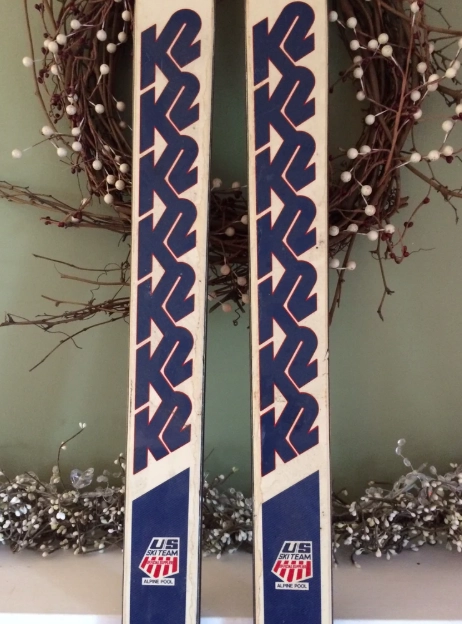
The Big Factors That Determine K2 Older Models Value
Alright, let's get into the nitty-gritty. Why is one pair of 10-year-old K2s worth $200 and another only $50? It comes down to a handful of key things.
1. Model Line and Legacy
Not all old K2 models are created equal. Some lines were legendary, pushing boundaries and defining eras. Others were... fine. Just fine. This reputation sticks and heavily influences resale.
Take the K2 Seth Pistol or the original K2 Pontoon. These were groundbreaking skis in their day (the late 90s/early 2000s for the Seth, mid-2000s for the Pontoon). They have a cult following. Their value as older K2 models remains higher because people seek them out for their specific, iconic ride characteristics—the Seth for its playful, surfy pow feel, the Pontoon for its insane powder float.
On the flip side, a generic, mid-range model from the same era that was "good all-around" but didn't stand out? Its value depreciates to almost purely condition-based. Nobody is nostalgically searching for "the 2007 K5 MX."
2. Physical Condition: The Make-or-Break
This is the most important factor, hands down. Age matters less than how the ski was treated. Here’s what to scrutinize:
- Top Sheet & Core: Are there deep gouges down to the core? Any signs of delamination (the layers separating)? A few scratches are normal. A crack that lets in moisture is a death sentence. That ski has zero functional value.
- Edges: Are they rusty? Not just surface rust, but deep, pitted corrosion? Can they still be tuned, or are they too thin? Edges with less than 1mm of steel left are on borrowed time.
- Base: Is it dry and white (bad), or still waxed and black (good)? Are there core shots—deep gashes that expose the base material? A few small scratches can be fixed. A huge core shot right underfoot is a major repair.
- Bindings: This is a huge one. Are the bindings indemnified? Ski bindings have a service life, and once the manufacturer no longer provides parts or liability coverage ("indemnification"), no reputable shop will touch them. Old, non-indemnified bindings are a safety risk and often mean you need to buy new bindings, adding $150-$300 to your cost. Always check the current Ski Industries America (SIA) or specific brand lists, but a call to your local shop is the surest bet.
Watch Out: I see so many listings with phrases like "bindings included, but may need adjustment." If those bindings are from 2005, they're almost certainly not indemnified. Factor in the full cost of a new binding system when evaluating that "great deal."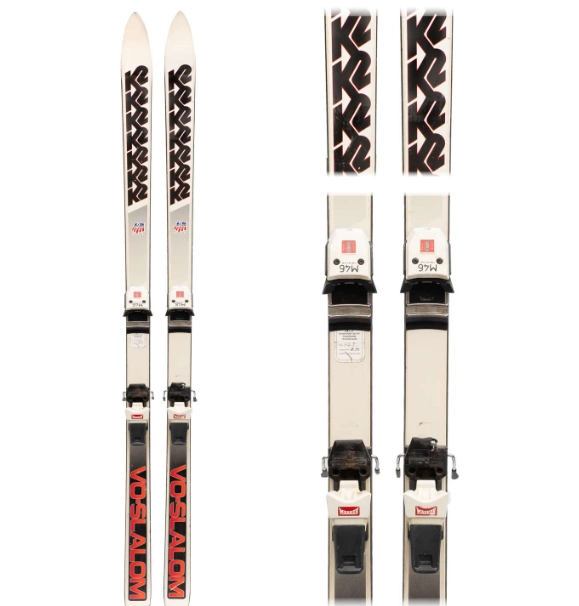
3. Technological Era
Ski tech evolved in steps. A ski from 2015 is often closer to a 2023 ski than it is to a 2005 ski. Key transitions:
- Early-Mid 2000s: The rise of shaped skis, twin tips, and early rocker profiles (like K2's early Anti-camber). These skis can feel fun and surfy but might lack the precision and stability of newer designs.
- Late 2000s to Early 2010s: Rocker technology matured. K2's "Rocker" branding became huge. Skis got lighter with new core materials. This era is a sweet spot for many—modern enough to perform well, old enough to be affordable.
- Mid-2010s Onward: Refinement. Complex rocker profiles (tip rocker, camber underfoot, tail rocker), lighter and stronger cores (like Karuba wood), and better laminates. The jump in performance from a 2010 to a 2016 model can be significant.
A ski's place in this timeline affects its value for older K2 skis. A 2014 K2 Annex, for example, with its rocker-camber-rocker profile, is still a very relevant all-mountain ski today. A 2004 fully cambered ski will demand a much more traditional, driving style.
4. The Market: Who's Buying and Selling?
Location matters. A pair of old powder skis might fetch more in Jackson Hole than in Vermont. Season matters too—prices spike in November and December, dip in summer. And platform matters. eBay might have higher prices but more selection. Facebook Marketplace or Craigslist can have steals but require more vetting.
Putting a Price Tag On It: A Real-World Guide
Let's get concrete. What should you expect to pay? This table breaks down general price ranges based on condition and era. Remember, these are estimates and binding status is the wild card.
| Condition / Era | Early-Mid 2000s Models | Late 2000s - Early 2010s | Mid 2010s+ |
|---|---|---|---|
| Excellent (Like-new bases, edges great, topsheet clean, indemnified bindings) | $75 - $150 | $150 - $300 | $250 - $400+ |
| Good (Normal wear, bases need wax/tune, minor top sheet scratches, edges OK) | $40 - $100 | $100 - $200 | $175 - $300 |
| Fair (Significant base scratches, some edge rust, topsheet damage, bindings likely dead) | $20 - $50 (Project skis) | $50 - $120 (Project skis) | $100 - $200 (Project skis) |
| Poor (Core shots, delamination, major edge damage) | $0 - $20 (Parts/decoration) | $0 - $40 (Parts/decoration) | $0 - $75 (Parts/decoration) |
See the "Project skis" note? That's key. If you're handy with a P-Tex candle, a base grinder, and a metal file, you can resurrect skis in "Fair" condition for the cost of materials and your time. If you need to pay a shop $80 for a base weld and grind, plus $50 for a tune, that "good deal" just evaporated.
My rule of thumb: If the cost of the ski plus a full professional tune (edge sharpening, base grind, wax) exceeds 60% of the price of a comparable new/current-year model on sale, I usually just wait for the new one to go on sale. The performance and warranty gap starts to narrow.
Spotlight on Specific Older K2 Models and Their Lasting Value
Let's talk about some specific models that still pop up and what they're about. This is where assessing K2 skis older models value gets fun.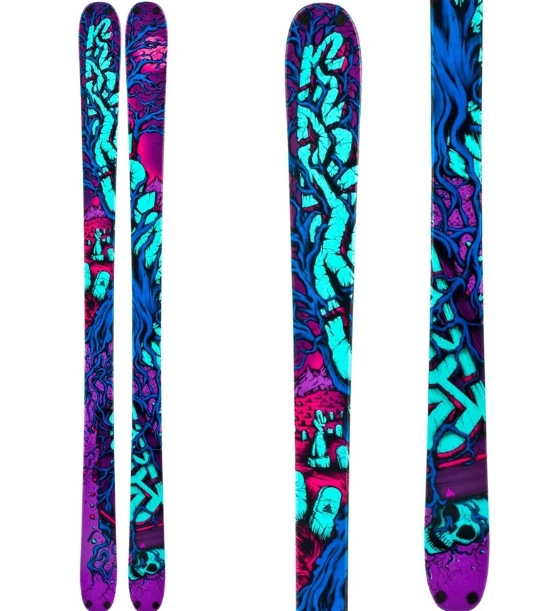
The Powder Legends
K2 Pontoon (c. 2006-2012): This ski was wild. Super wide, massive early rise (rocker), and a swallowtail design. It was designed for one thing: deep snow. In powder, it's still magical and surfy. On anything hard, it's a nightmare. Value today? For a dedicated powder hound with a quiver, a pair in good shape with solid bases is worth $150-$250. It's a specialty tool that hasn't been fully replicated.
K2 Hellbent (c. 2007-2014): The park-and-powder twin tip that defined an era. Super soft, ridiculously rockered, and incredibly fun in soft snow or for buttery tricks. Not a charger. A clean pair of Hellbents, especially the iconic graphics from the late 2000s, has collector and rider value. Expect $100-$200 for a good pair. It's a pure fun ski.
The All-Mountain Icons
K2 Seth Pistol (c. 1999-2004): The godfather. Designed for Seth Morrison, it brought fat, rockered (anti-camber) design to the masses. It's a piece of history. Its ride is loose, playful, and forgiving. For a skilled rider, it's a blast from the past. For someone learning, it might feel vague. A mint-condition Seth Pistol can command $200+ from a collector. A used pair is more like $80-$150 as a functional ski.
K2 Coomba (Early 2010s): Part of K2's Backside Collection, it was a lighter, more nimble all-mountain powder ski. It bridged the gap between the super-fat Pontoons and regular skis. These aged very well. The technology—rocker-camber-rocker, light wood core—is still current. A Coomba from 2013 in good shape is a fantastic value at $200-$300. It's a ski you could buy today and not feel like you're missing out.
The Park & Pipe Stalwarts
K2 Public Enemy (Early-Mid 2000s): The park ski before parks got huge. Durable, stiff-ish, full camber. It's a classic jib ski. Its value as an older model is mostly for park rats who want a durable beater for rails or someone wanting a precise, cambered feel. $50-$120.
K2 Sight / K2 Shreditor (2010s): These were K2's mainstream park/all-mountain twins. They're versatile, fun, and forgiving. A pair from, say, 2015 with intact edges and bases is a tremendous value for a intermediate skier or a park beginner. You might find them for $150-$250, and they'll do everything reasonably well.
Pro Tip: When researching a specific model, don't just look at the year. Look for reviews from that specific year. Ski companies often keep model names but change the ski subtly year-to-year. A 2011 K2 Apache Recon is different from a 2014. Use sites like Newschoolers forums or archived reviews on gear sites to get the real story on how that exact ski rode.
Where to Buy (and What to Ask)
You've decided to hunt. Where do you go?
- Facebook Marketplace/Craigslist: Local, often cheaper. You can inspect in person. Always inspect in person. Ask: "Can I see a picture of the bases flat on the ground? A close-up of the edges near the contact points? What's the DIN setting history on the bindings?"
- eBay: Wider selection, buyer protection. Scrutinize photos like a detective. Ask sellers for additional photos of any damage. Check their return policy.
- Consignment Shops/Used Gear Sales at Ski Shops: Often the best bet. The shop has usually done a basic inspection, and the gear is more likely to have been tuned and stored properly. You might pay a slight premium, but it's worth it for peace of mind.
- Ski Swaps: Hit or miss, but can yield gold. Get there early.
The questions you ask are your armor. "How many days are on them?" "Where were they stored in the off-season?" "Have they ever had a major base repair?" "Can you send me the model number and length from the top sheet?" (This confirms it's the exact ski).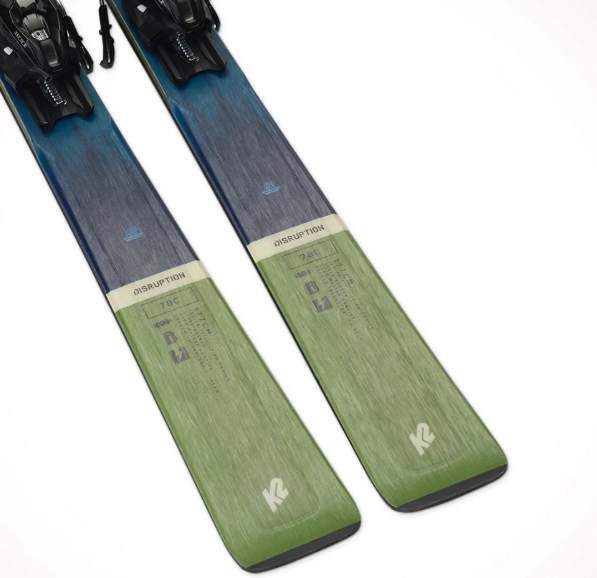
Should YOU Buy Older K2 Skis? The Honest Pros and Cons
Let's wrap this up with a blunt assessment.
The Good (The Pros)
- Cost: Obviously. You can access performance that was top-tier 5-10 years ago for a fraction of the cost.
- Durability: Many older K2s, especially from the mid-2000s onward, were built like tanks. They can take a beating.
- Character & Fun: Some older designs have a unique, fun feel that modern, more "perfect" skis lack. They can make skiing feel fresh again.
- Eco-Friendly: Reusing gear is better than buying new.
The Not-So-Good (The Cons)
- Hidden Costs: Bindings, tunes, repairs. These add up fast and can nullify the savings.
- Outdated Tech: You might be missing out on real advancements in dampening, edge grip, and weight savings. A modern $600 ski on sale might outperform a 10-year-old "$200" ski that needs $100 in work.
- Safety: Non-indemnified bindings are a real risk. Don't gamble with your knees.
- Unknown History: You don't know if the previous owner hit a rock at 40 mph, creating internal damage you can't see.
Your Questions, Answered (FAQ)
Final Thoughts: Making a Smart Decision
Chasing the K2 skis older models value isn't about finding the cheapest pair. It's about finding the right pair. The one whose history you understand, whose condition you've verified, and whose price reflects the true cost of ownership.
Sometimes, the best value is passing on that "steal" and putting the money towards a post-season sale on a current model. Other times, finding a well-loved pair of Coombas or a clean set of Shreditors is like finding gold—you get a fantastic ski for years at a bargain price.
Do your homework. Ask the annoying questions. Inspect like you're buying a used car. And if it doesn't feel right, just wait. Another pair will always come along. The mountains aren't going anywhere, and neither is the stream of skis from seasons past looking for a new home. Be the smart shopper who gives them a good one.