In This Guide
- The Major Players: American Ski Brands and Their Factories
- What Does "Made in the USA" Actually Mean for Skis?
- Beyond the Big Names: Boutique Builders and Custom Shops
- Common Questions About American-Made Skis (FAQ)
- Making Your Decision: What to Consider Before You Buy
- The Final Run: Are USA-Made Skis Right for You?
It's a question I get a lot from friends getting into the sport, or from seasoned riders looking to make a more conscious purchase. There's something about knowing where your gear comes from, right? Maybe it's about supporting local craftsmanship, or perhaps you believe (like many do) that American-made skis carry a certain reputation for durability and innovation. Whatever your reason, digging into the answer to "what skis are made in the USA?" is more interesting than you might think. It's not just a simple list of brands. It's a story about manufacturing, materials, and what that "Made in USA" label actually means on the ski wall.
Let's be clear from the start. The landscape of ski manufacturing is global. A huge chunk of production happens in factories in Europe (Austria, specifically) and Asia. So when we talk about American-made skis, we're talking about a smaller, more specialized corner of the market. These are often brands born in garages and driven by passionate skiers who wanted to build something specific for the snow they ride. That passion shows in the final product, but it also comes with some trade-offs we should talk about.
Why does this even matter? For some, it's about reducing the carbon footprint of shipping skis across an ocean. For others, it's about supporting domestic jobs and engineering. And for a lot of us, it's just cool to own a pair of skis that were crafted a few states over, not a few continents away. There's a connection there.
The Major Players: American Ski Brands and Their Factories
Alright, let's get to the heart of it. If you're searching for what skis are made in the USA, these are the names you'll keep coming back to. I've broken them down, talked about where they actually build their skis, and what they're known for. This isn't just a list—it's the who's who of stateside ski building.
The Core American-Made Ski Brands
- J Skis - The brainchild of professional skier and industry veteran Jason Levinthal. This brand is almost a poster child for the modern, direct-to-consumer, USA-built model. They're based in Vermont.
- ON3P - Portland, Oregon's pride. Started by a couple of friends in a garage, ON3P has built a cult-like following for their burly, durable, and uniquely designed skis, particularly loved in the Pacific Northwest.
- Praxis Skis - Out of Nevada City, California. Keith Oslund runs Praxis, and they're known for their custom layup options and innovative core materials. They do a lot of things other factories won't.
- Moment Skis - Based in Reno, Nevada. They've been firing up presses in the shadow of the Sierra Nevada for years, building skis with a reputation for being tough as nails and designed for big mountain riding.
- 4FRNT Skis - A brand with a storied history, now manufacturing its main line in Salt Lake City, Utah. They're known for progressive shapes and designs dreamed up by their team of pro skiers.
Now, here's where it gets nuanced. Some bigger, more globally recognized brands have specific models or lines that are made in the USA, while the rest of their production is overseas. It's always worth checking the specific ski, not just the brand name.
| Brand | Primary Factory Location | Notable Ski Series / Models | The Vibe / Known For |
|---|---|---|---|
| J Skis | Burlington, Vermont | The Mastermind, The Vacation, Allplay | Art-driven topsheets, playful yet capable shapes, direct sales. |
| ON3P | Portland, Oregon | Jeffrey, Kartel, Woodsman | Extreme durability, "overbuilt" construction, PNW-specific design. |
| Moment Skis | Reno, Nevada | Deathwish, Wildcat, Commander | Big mountain performance, triple camber technology, bombproof build. |
| Praxis Skis | Nevada City, California | GPO, MVP, Yeti | Extensive customization (core, flex, graphics), carbon/glass blend options. |
| 4FRNT Skis | Salt Lake City, Utah | MSP, Raven, Hoji | Pro-skier driven design, switch-friendly shapes, lightweight touring options. |
| Icelantic Skis* | Golden, Colorado | Nomad, Pioneer, Saba | Art-first philosophy, wide platform stability, Colorado-born. |
*Note on Icelantic: They are a Colorado brand through and through, and for a long time, their skis were built in the USA. In recent years, some models have seen production shift. It's a perfect example of why you need to check the specific ski's production details each season. Their website and customer service are usually transparent about this.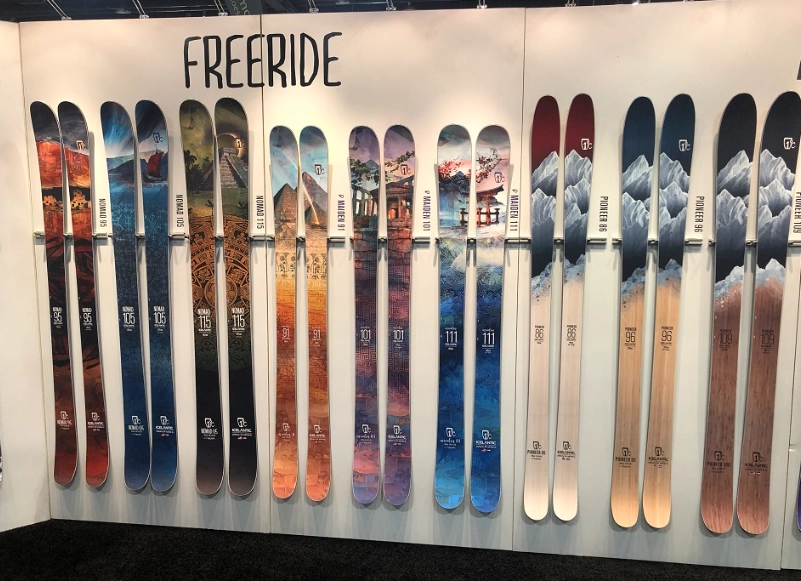
What Does "Made in the USA" Actually Mean for Skis?
This is the million-dollar question, and the answer is trickier than you'd hope. There's no single, government-mandated standard that says a ski is 100% American. Unlike the "USDA Organic" label, it's a bit more fluid.
Generally, when these brands say their skis are made in the USA, they mean the core construction—the pressing, layup, and finishing—happens in their domestic factory. The raw materials, however, are a different story. The wood for the core might be sourced from the Pacific Northwest or Canada. The metal edges almost certainly come from Europe (Austria or Italy are the big players). The base material (P-Tex) is a global commodity. The resins and fibers (fiberglass, carbon) have international supply chains.
The Federal Trade Commission (FTC) provides guidelines for "Made in USA" claims. Essentially, for a product to be labeled as such, it must be "all or virtually all" made in the United States. This means all significant parts and processing must be of U.S. origin. For a complex product like skis, brands have to make a judgment call, but the final assembly and manufacturing process being domestic is the key factor most lean on.
So, is one of these skis a 100% American object from dirt to finish? No. But is the craftsmanship, the design execution, the labor, and the final assembly happening in an American workshop by American workers? For the brands listed in the table above, absolutely yes. That's the real value. You're buying into a local process, a shorter supply chain for the final product, and supporting a domestic manufacturing ecosystem.
The Pros of Choosing USA-Made Skis
Let's talk benefits, because they're real.
- Build Quality & Durability: This is the big one. Many American brands, like ON3P and Moment, have reputations for being "overbuilt." They use thicker sidewalls, more robust laminates, and generally construct skis to withstand the abuse of rocks, stumps, and park rails. They're built by skiers who hate having skis delaminate.
- Direct Communication: Ever tried to get a specific question answered by a massive international corporation? Good luck. With many USA-based makers, you can often email them directly or chat with them on social media. I once had a question about the flex pattern on a Praxis ski and got a detailed email back from the owner within a day.
- Customization: Some, like Praxis, offer insane levels of customization—choosing your core material, flex, and even graphic. You're not just buying a product off a global assembly line.
- Unique Designs: Freed from the constraints of pleasing a massive global market, these brands often experiment with shapes, camber profiles, and constructions that bigger companies might avoid. The Moment Deathwish and its triple camber is a classic example of weird, wonderful, and uniquely American innovation.
The Cons (Let's Be Honest)
It's not all perfect. There are trade-offs.
- Price: Labor and overhead in the USA are higher than in large-scale European or Asian factories. You will often pay a premium for USA-made skis. You're paying for that craftsmanship and smaller-scale production.
- Availability & Lead Times: They don't make a million pairs. Popular models and sizes can sell out, and if you order a custom pair, you might be waiting weeks or even months during the busy season.
- Resale Value: This is a mixed bag. While the cult brands hold value well among enthusiasts, they don't have the ubiquitous brand recognition of a Rossignol or Atomic. Selling them second-hand might take a bit more effort.
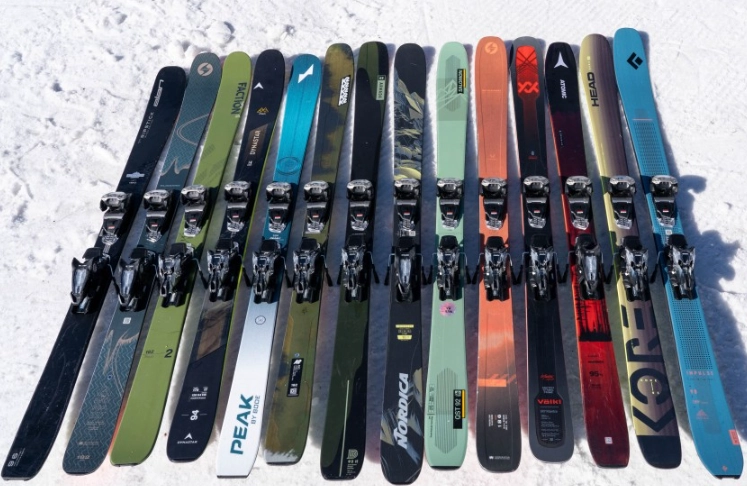
Here's my personal take: I've owned skis from Austria, China, and the USA. The American-made pairs I've had (from Moment and J Skis) have felt… different. There's a tangible solidity to them. But I also dinged them on price. You have to really want what they're offering to justify the cost sometimes. It's an emotional purchase as much as a practical one.
Beyond the Big Names: Boutique Builders and Custom Shops
If you dive deeper into the rabbit hole of what skis are made in the USA, you'll find a world of ultra-boutique, one-to-two-person operations. These are the true craftspeople. They might not have a fancy website or a team of pro athletes, but they build skis by hand, often to order.
Names like Folsom Custom Skis (Colorado), WNDR Alpine (noting they use innovative bio-based materials, but manufacture in Utah), and Season Equipment (a newer brand with production split, but some models are US-made) pop up. These are for the true connoisseur, someone who wants to be involved in every detail of their ski's creation. The price reflects that, but you end up with a truly one-of-a-kind tool.
It's a cool scene. It feels more like commissioning a piece of functional art than buying sports equipment.
Common Questions About American-Made Skis (FAQ)
Are any major brands like K2, Head, or Rossignol made in the USA?
Short answer: No. The vast majority of their production is in European or Asian factories. K2, for example, was founded in America but has long manufactured its skis overseas. Rossignol and Atomic are deeply rooted in Austrian manufacturing. These companies operate at a scale that requires the efficiencies of those large, globalized factories. Asking if Rossignols are made in the USA is like asking if Toyotas are built in Detroit—some specific models might be, but the brand's heartland is elsewhere.
Is the quality better than European skis?
Not "better," but different. Austrian ski manufacturing is the gold standard for precision, consistency, and high-tech materials integration. They've been perfecting it for over a century. American manufacturing often prioritizes durability and unique ride characteristics over that kind of laser-focused precision. It's like comparing a hand-forged chef's knife to a perfectly machined surgical scalpel. Both are excellent tools, but for slightly different philosophies.
How can I verify if a specific ski model is USA-made?
Don't just trust the brand's homepage banner. Dig deeper.
- Check the "Technology" or "About" page for the specific ski model. Reputable brands are proud of their manufacturing and will state it clearly.
- Look for the factory location. Many will say "Handcrafted in Reno, NV" or "Built in Vermont."
- Read the fine print on the ski itself. Often, the factory location is etched on the top sheet or printed near the serial number.
- Email customer service. A simple, "Hey, where is the [Ski Model] from the 2024 lineup actually pressed and assembled?" usually gets a straight answer.
What about bindings? Are any made in the USA?
This is a much, much shorter list. The binding market is dominated by a few giants (Look, Tyrolia, Marker, Salomon) who all manufacture overseas. The complexity, liability, and precision required for binding safety make it a massive barrier to entry for small-scale US production. I am not aware of any mainstream alpine or touring bindings currently manufactured in the United States. Your USA-made ski will almost certainly be mounted with bindings from Austria, Germany, or Italy.
Making Your Decision: What to Consider Before You Buy
So, you're convinced you want to explore skis made in the USA. Great! But which one? Don't just buy the first one you see. Think about these things.
First, what's your priority? Is it ultimate durability for smashing through Sierra cement or Rocky Mountain crud? Look hard at Moment and ON3P. Is it playful design, art, and a more forgiving ride? J Skis might be your jam. Do you want to geek out on materials and get something truly custom-built for your weight and style? Praxis is calling your name.
Second, be realistic about your budget. These skis often start around $700-$800 for just the skis (no bindings), and can go well over $1,000 for custom setups. Compare that to a sale-pair from a major brand that might be $400-$500 for a ski/binding package. The premium is real.
Third, embrace the research. Read reviews on sites like Blister Review. They do deep, long-term tests on many of these brands. Watch YouTube reviews from independent ski shops. The info is out there. Don't rely on the marketing copy on the brand's own site.
Finally, if you can, try to find a demo day. Some of these brands tour mountain resorts with demo fleets. Nothing beats feeling the ski under your feet.
The Final Run: Are USA-Made Skis Right for You?
Figuring out what skis are made in the USA is more than a shopping exercise. It's a way to connect with a different tier of the ski industry. You're buying from a workshop, not just a faceless factory. You're supporting a specific group of craftspeople, often in specific towns like Reno, Portland, or Burlington.
The skis themselves tend to be characterful, durable, and born from a specific mountain culture. They answer the question of "what skis are made in the USA?" with products that have a distinct personality. Are they for everyone? No. The price and sometimes niche designs see to that. But if you value construction, story, and supporting domestic manufacturing, the search is incredibly rewarding.
You end up with more than just planks to slide on snow. You get a piece of someone's passion project. And in a world of mass-produced everything, that's a pretty cool feeling to have strapped to your feet.
Now get out there and enjoy the ride.